

The Importance of Print Consistency in PVC Gravure Printing: Achieving Flawless Results
The Importance of Print Consistency in PVC Gravure Printing Understanding PVC Gravure Printing PVC gravure printing is a crucial technique in the manufacturing and packaging industry, especially for products that require vibrant colors and intricate designs. This printing method involves transferring ink from a gravure cylinder onto a substrate, usually PVC film, which is widely used in various ap
The Importance of Print Consistency in PVC Gravure Printing
Understanding PVC Gravure Printing
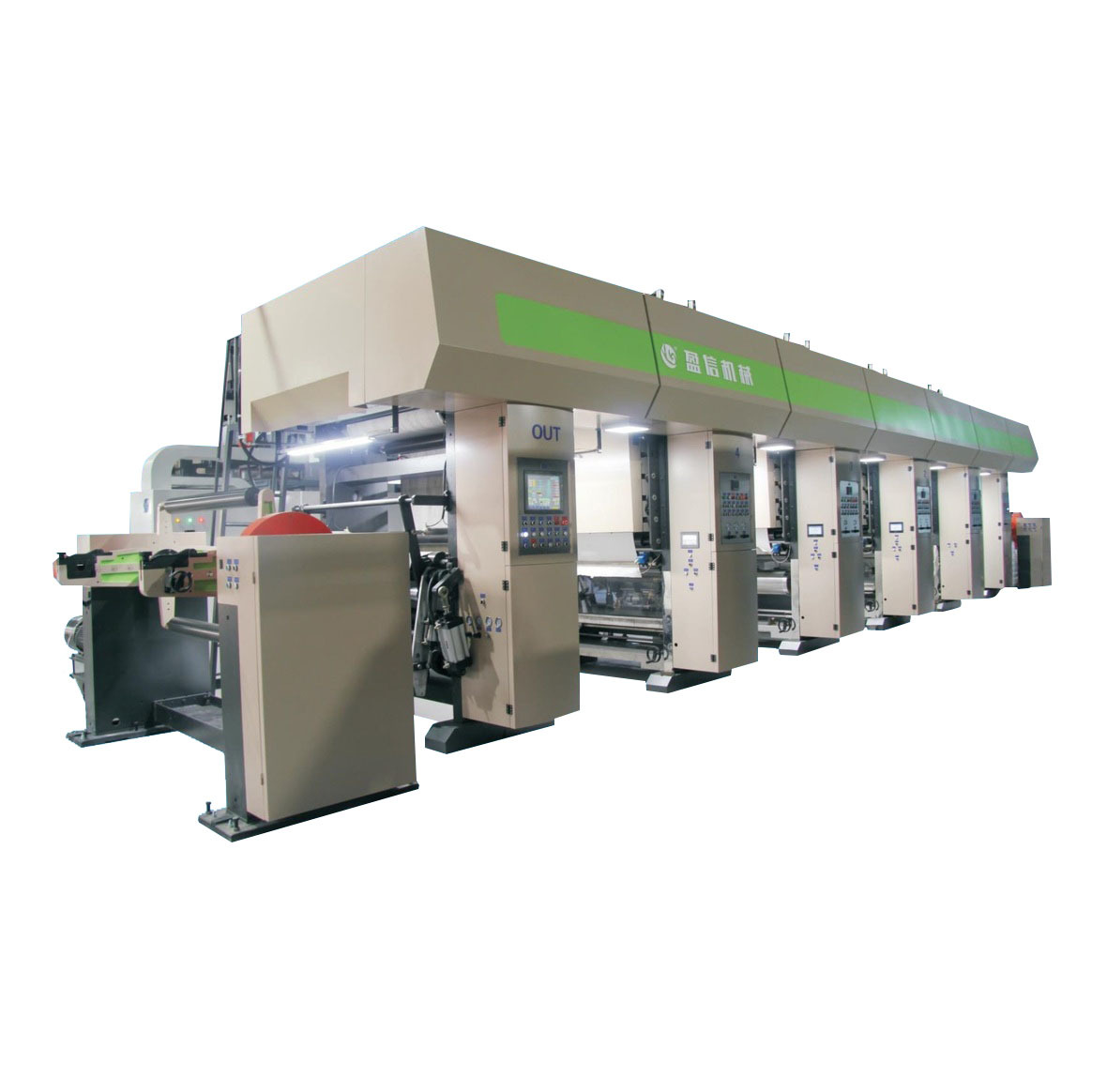
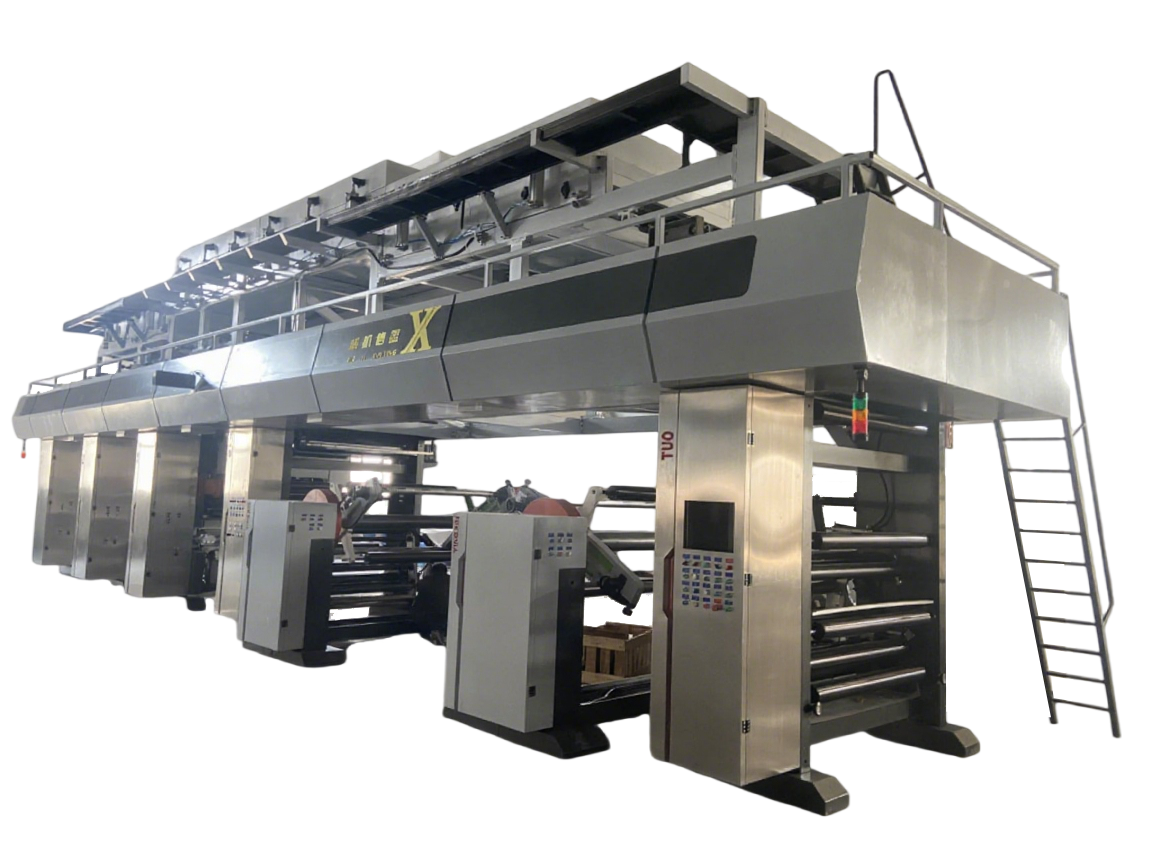
PVC gravure printing is a crucial technique in the manufacturing and packaging industry, especially for products that require vibrant colors and intricate designs. This printing method involves transferring ink from a gravure cylinder onto a substrate, usually PVC film, which is widely used in various applications, including packaging, labels, and decorative products.
The Significance of Consistency in Printing
Print consistency is paramount in producing high-quality printed materials. It ensures that every printed piece meets the same standards of color, clarity, and overall quality. In gravure printing, where precision is vital, maintaining consistency can significantly impact the final product's appearance and functionality.
Why Print Consistency Matters
1. **Quality Assurance**: Consistent print quality leads to fewer defects and reprints, saving time and resources.
2. **Customer Satisfaction**: Clients expect uniformity in their products. Discrepancies can damage relationships and harm brand reputation.
3. **Cost Efficiency**: Maintaining print consistency reduces waste, ensuring that materials are used effectively and minimizing costs associated with errors.
Factors Influencing Print Consistency
Several factors play a role in the consistency of PVC gravure printing:
- **Ink Viscosity**: The thickness of the ink affects how it adheres to the substrate and can influence color saturation.
- **Cylinder Pressure**: The amount of pressure applied during printing can result in variations in ink transfer.
- **Speed of Printing**: High-speed printing can lead to inconsistencies if the machinery is not adequately calibrated.
Best Practices for Achieving Print Consistency
To ensure print consistency in PVC gravure printing, several best practices should be followed:
1. Regular Calibration of Equipment
Frequent calibration of printing machines is essential. This includes checking the gravure cylinders, ink pans, and other components to ensure they are functioning correctly. Proper calibration minimizes variations in print quality and enhances precision.
2. Consistent Ink Formulation
Using a consistent ink formulation can prevent variations in color and viscosity. It is essential to maintain the same batch of ink for long runs and to monitor ink properties regularly.
3. Controlled Environment
The printing environment can significantly impact print quality. Temperature and humidity levels should be controlled, as fluctuations can affect ink drying times and adhesion to the substrate. A stable environment helps maintain consistent conditions during the printing process.
4. Quality Control Measures
Implementing stringent quality control measures throughout the printing process allows for early detection of inconsistencies. Regular inspections and testing can help identify problems before they affect large batches.
5. Employee Training and Engagement
Training staff on the importance of print consistency and the techniques to achieve it is critical. Well-trained employees are more likely to understand the nuances of the printing process and can identify potential issues quickly.
The Role of Technology in Enhancing Print Consistency
As technology evolves, so do the methods for achieving print consistency. Advances in digital printing technologies and automation are revolutionizing the gravure printing industry.
1. Automated Systems
Automated systems can monitor and adjust the printing conditions in real time, ensuring consistent results. These systems can track ink viscosity, pressure, and other variables, making necessary adjustments on the fly.
2. Smart Sensors
Smart sensors integrated into printing machines provide valuable data on the printing process. They can detect inconsistencies and alert operators, allowing for immediate corrective action.
3. Digital Proofing
Digital proofing technology allows printers to create accurate samples of printed materials before full production. This capability helps identify potential issues early in the process, ensuring that the final product meets expectations.
Challenges in Maintaining Print Consistency
While achieving print consistency is crucial, several challenges can arise:
1. Variability in Raw Materials
Differences in the quality of raw materials, such as inks and substrates, can lead to inconsistencies. Establishing relationships with reliable suppliers and performing regular quality checks can mitigate this issue.
2. Equipment Wear and Tear
Over time, printing equipment can wear down, leading to inconsistencies in output. Regular maintenance and timely replacement of worn parts are essential for maintaining performance.
3. Human Error
Even the most advanced systems can be subject to human error. Comprehensive training and adherence to standardized operating procedures can help minimize mistakes.
The Financial Impact of Print Consistency
Achieving print consistency not only enhances quality but also has significant financial implications for printing businesses.
1. Reduced Waste and Costs
High levels of print consistency lead to lower levels of waste. When discrepancies are minimized, fewer materials are wasted, directly impacting the bottom line.
2. Increased Productivity
With consistent print quality, production runs can be completed faster, leading to increased throughput. This efficiency allows businesses to take on more work and improve overall profitability.
3. Enhanced Brand Loyalty
Delivering consistently high-quality products fosters customer loyalty. Satisfied customers are likely to return, contributing to sustainable revenue growth.
Case Studies: Successful Implementation of Print Consistency
Examining real-world examples can provide insight into how print consistency has been successfully achieved in PVC gravure printing.
1. Company A: Streamlining Processes
Company A implemented a series of quality control measures that significantly reduced print defects. By investing in automated monitoring systems, they were able to maintain consistent quality across all production runs, ultimately increasing customer satisfaction.
2. Company B: Training for Success
Company B focused on employee training, instilling a culture of quality within the organization. By educating employees about the importance of print consistency and the techniques to achieve it, they saw a marked improvement in product quality and a decrease in reprints.
Future Trends in PVC Gravure Printing Consistency
As technology continues to advance, the future of print consistency in PVC gravure printing looks promising.
1. Increased Automation
The trend toward greater automation in printing processes will continue, allowing for enhanced monitoring and adjustments to maintain print consistency.
2. Integration of AI and Machine Learning
Artificial intelligence and machine learning technologies will likely play a more significant role in optimizing print processes. These technologies can analyze vast amounts of data to predict potential issues and suggest corrective actions.
3. Sustainable Practices
As the focus on sustainability grows, the industry will need to adopt practices that not only ensure print consistency but also reduce environmental impact. This includes using eco-friendly inks and materials.
FAQs about Print Consistency in PVC Gravure Printing
1. What is print consistency?
Print consistency refers to the uniformity of print quality across production runs, ensuring that colors, clarity, and overall appearance remain the same.
2. Why is print consistency important in gravure printing?
Print consistency is vital in gravure printing to ensure quality, reduce waste, maintain customer satisfaction, and enhance overall efficiency.
3. How can I maintain print consistency?
You can maintain print consistency through regular equipment calibration, consistent ink formulation, controlled environment conditions, quality control measures, and employee training.
4. What challenges can affect print consistency?
Challenges include variability in raw materials, equipment wear and tear, and human error. Implementing best practices can help mitigate these issues.
5. What role does technology play in print consistency?
Technology, including automation, smart sensors, and digital proofing, plays a crucial role in enhancing print consistency by monitoring conditions and making adjustments in real-time.
Conclusion
Achieving print consistency in PVC gravure printing is essential for ensuring high-quality products that meet customer expectations. By understanding the factors that influence print quality, implementing best practices, and leveraging technology, businesses can enhance their manufacturing processes and maintain a competitive edge in the industry. As we move forward, the focus on print consistency will play a critical role in the success of gravure printing, impacting everything from customer satisfaction to financial performance. By prioritizing consistency, companies can build a reputation for quality and reliability, ultimately leading to a sustainable and profitable future.
Tag:
Blog

Understanding the Mechanisms of Intelligent Gravure Printing Machines: A Comprehensive Guide

PRODUCT
message:Talk to an expert
WhatsApp:8618058732988
E-Mail:sales@yingxinmachinery.com
tel:+86-18058732988
Contact Us
1168 Jiuzhou Street, Linglong Street, Lin 'an District, Hangzhou City, Zhejiang Province
Mobile phone version
Copyright©Hangzhou Yingxin Machinery Co., Ltd.