

Maximizing ROI with Intelligent Gravure Printing Solutions
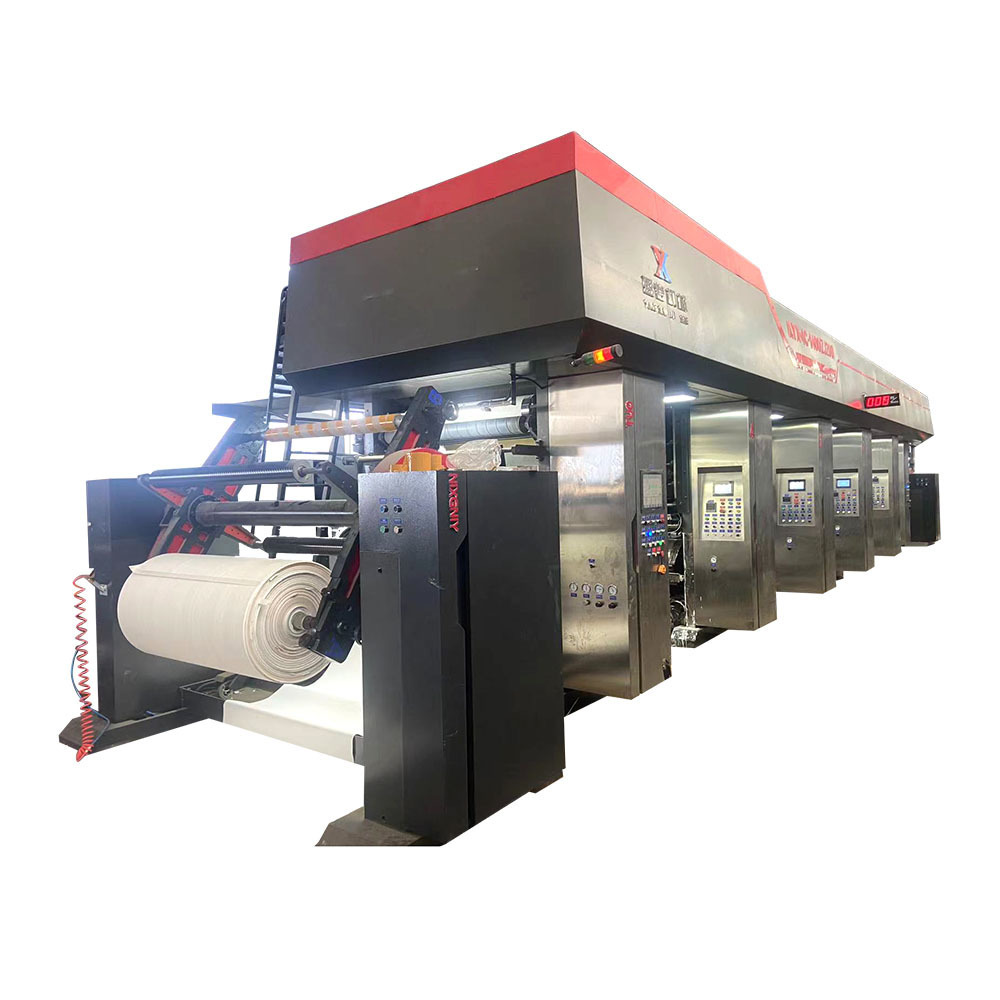
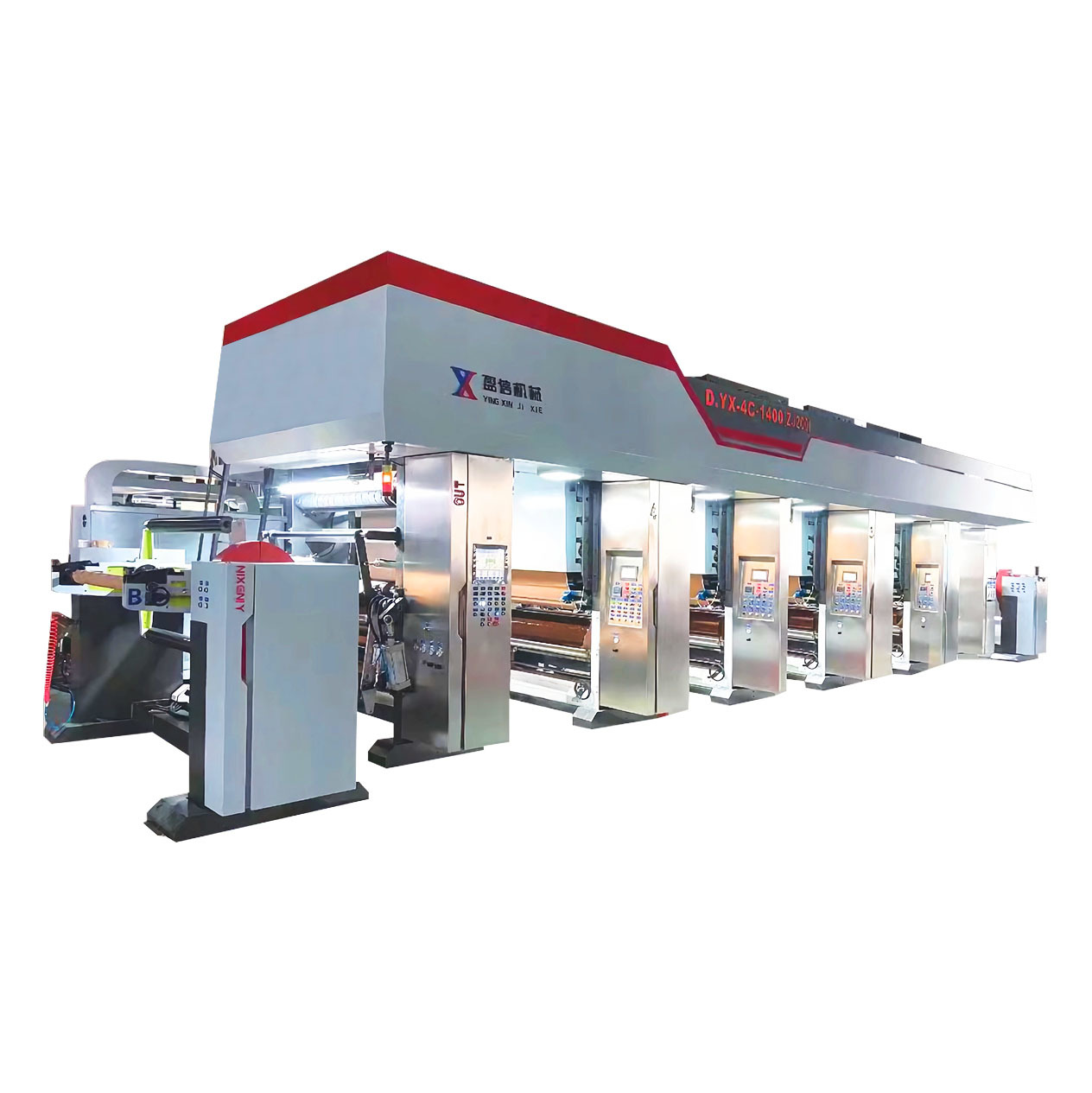
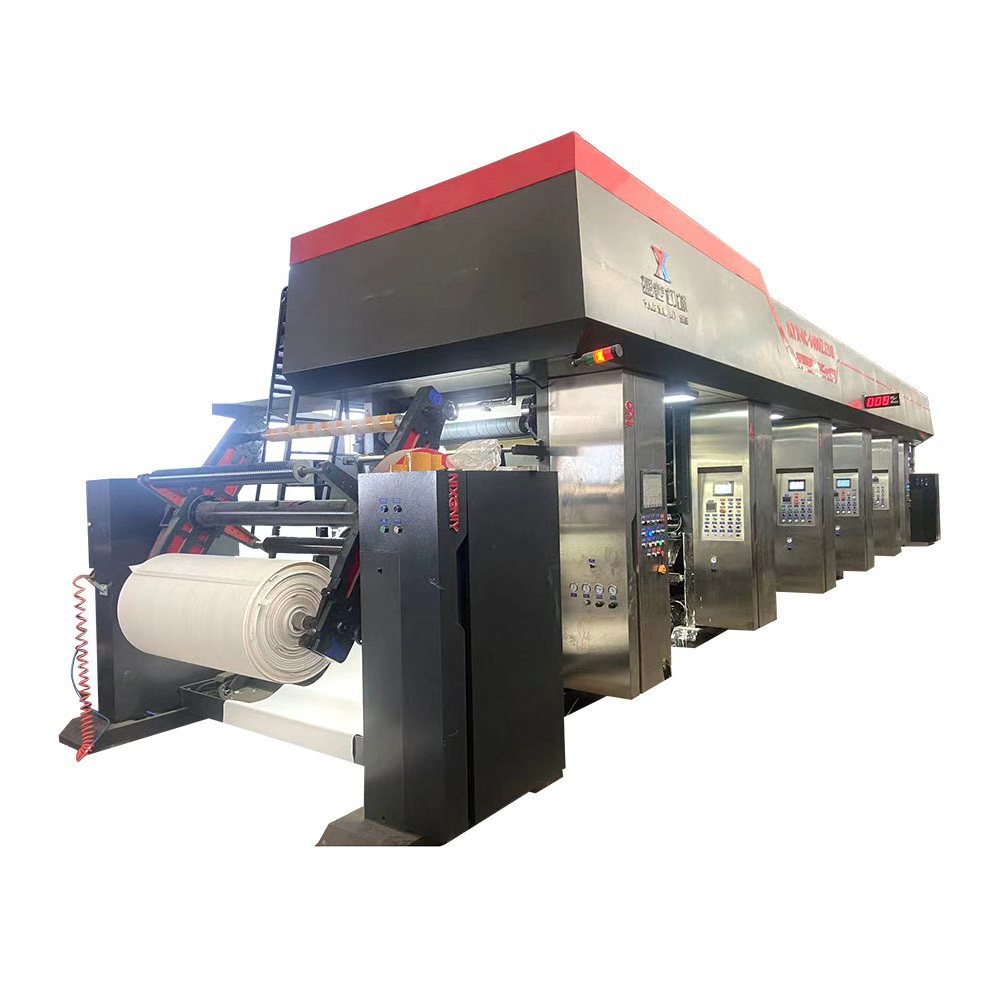
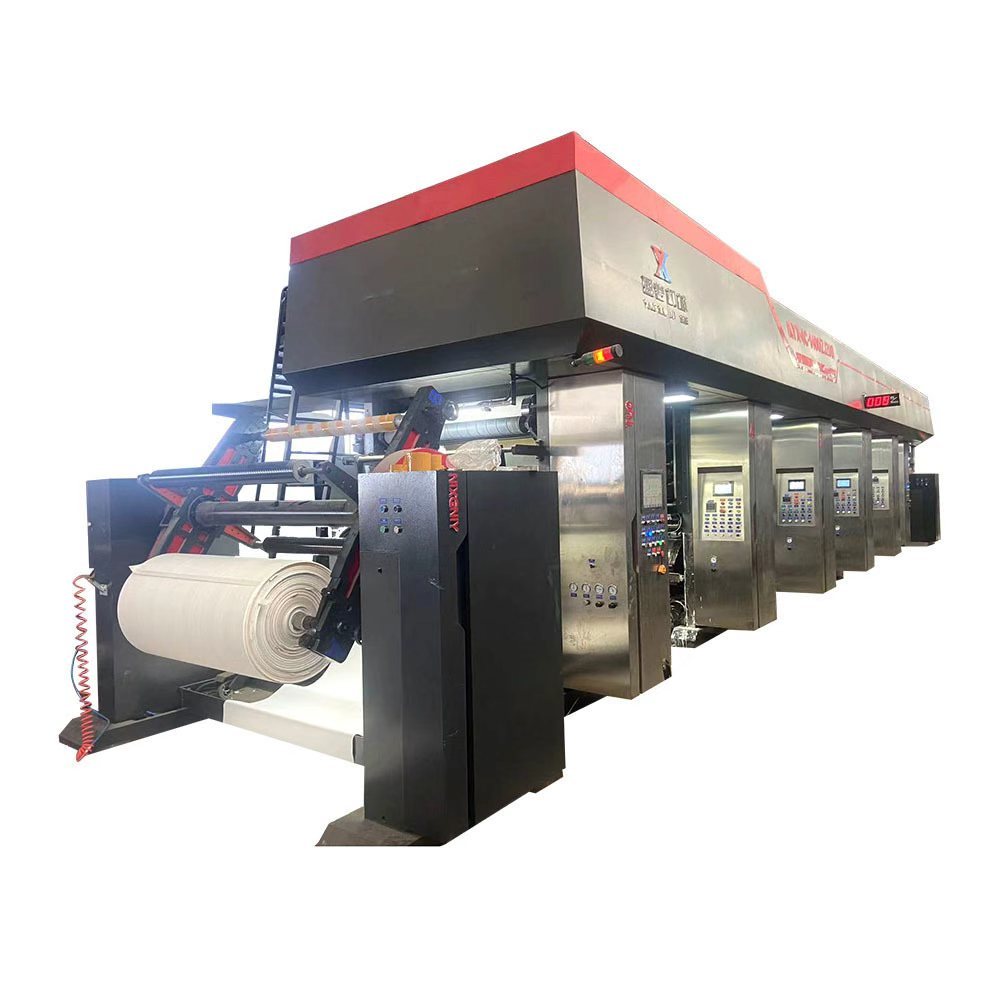
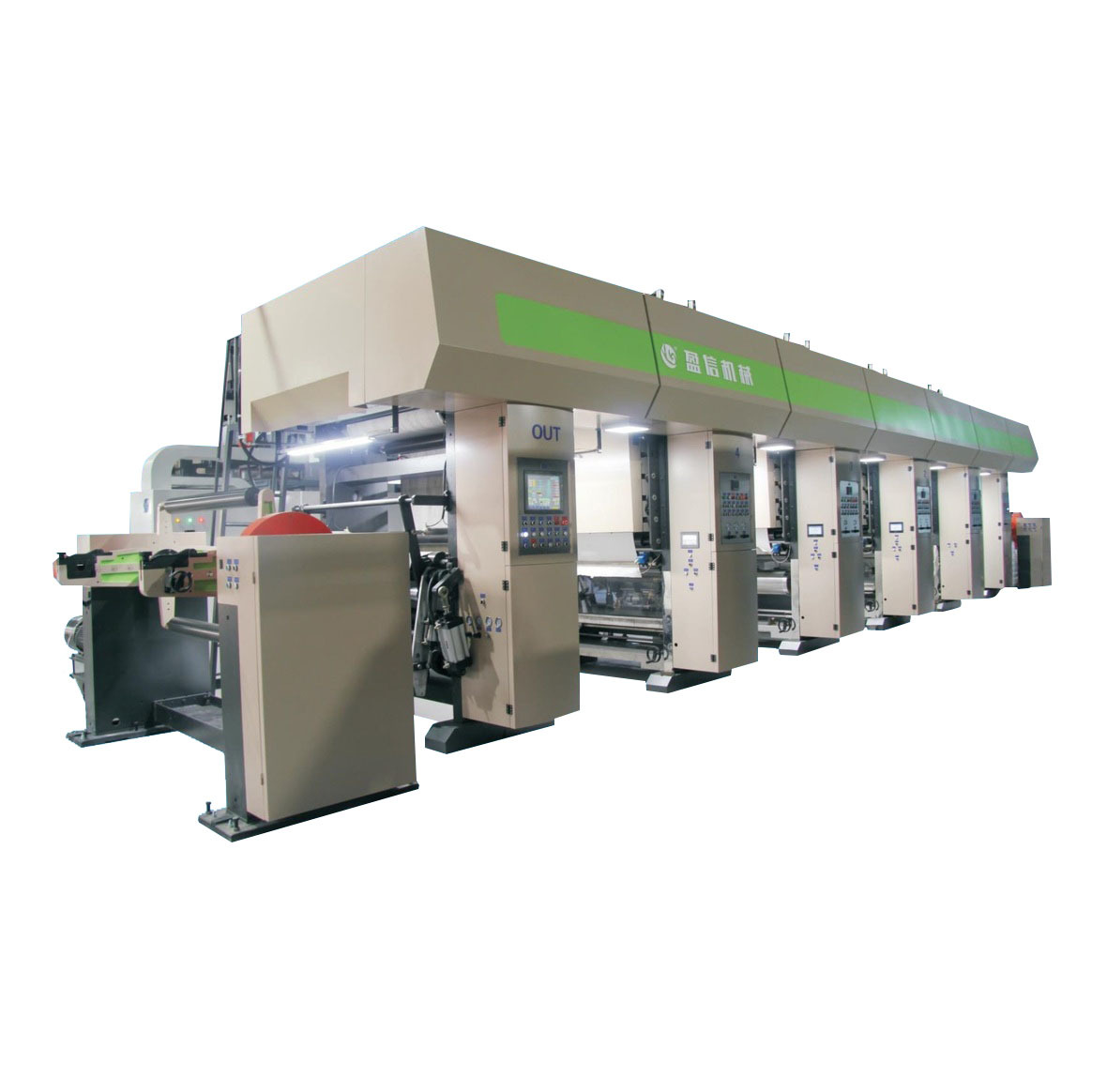
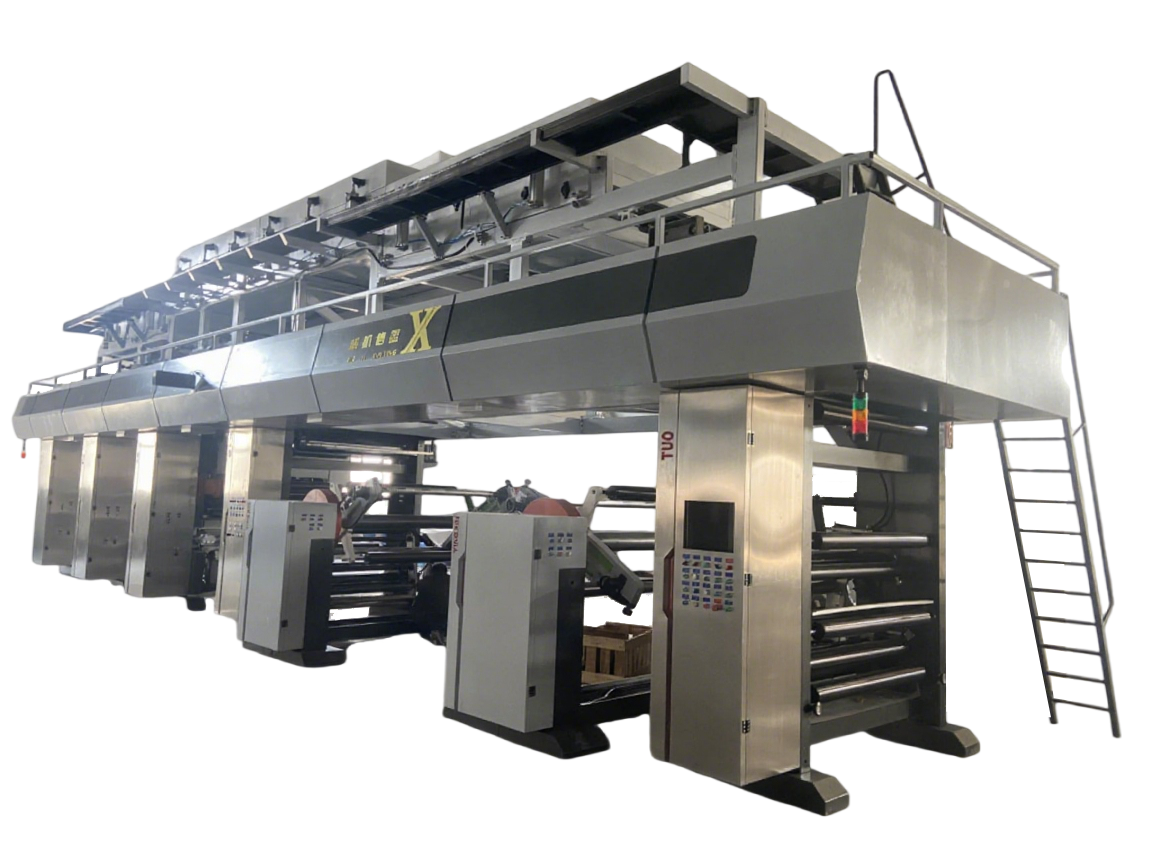
newest intelligent gravure printing machine suppliers offer advanced high-speed printing solutions worldwide
Maximizing ROI with Intelligent Gravure Printing Solutions
Table of Contents
- 1. Introduction to Intelligent Gravure Printing
- 2. Understanding Gravure Printing Technology
- 3. Benefits of Intelligent Gravure Printing Solutions
- 4. Key Strategies for Maximizing ROI
- 5. Case Studies: Success Stories in Gravure Printing
- 6. Future Trends in Gravure Printing Technology
- 7. Frequently Asked Questions (FAQs)
- 8. Conclusion
1. Introduction to Intelligent Gravure Printing
In the rapidly evolving world of manufacturing, businesses are constantly seeking innovative solutions to enhance their processes and maximize profitability. **Intelligent gravure printing** has emerged as a powerful technology that not only improves print quality but also optimizes operational efficiency. This article delves into how adopting intelligent gravure printing systems can significantly boost your return on investment (ROI) and drive sustainable growth.
2. Understanding Gravure Printing Technology
**Gravure printing**, a process that employs engraved cylinders to transfer ink onto various substrates, is known for its high-quality output and efficiency in large-scale production. The technology has evolved over the years, integrating advanced features that cater to the demands of modern industries, including packaging, publishing, and textiles.
How Gravure Printing Works
The gravure printing process involves several key steps:
1. **Image Preparation**: Artwork is converted into a digital format.
2. **Cylinder Engraving**: The image is engraved onto a cylinder using electronic or laser engravers, creating tiny cells that hold the ink.
3. **Ink Transfer**: The engraved cylinder rotates through an ink fountain, filling the cells with ink.
4. **Substrate Application**: The substrate passes between the engraved cylinder and a rubber roller, transferring the ink onto the material.
5. **Drying**: The printed substrate is dried quickly, allowing for rapid production.
This technology’s ability to produce consistent, high-quality prints at high speeds makes it an attractive option for manufacturers aiming to optimize their production lines.
3. Benefits of Intelligent Gravure Printing Solutions
Adopting intelligent gravure printing solutions can yield numerous benefits, including:
Enhanced Print Quality
The precision of gravure printing results in sharper images and finer details, which is essential for branding and consumer appeal. High-quality prints can significantly enhance product perception and customer satisfaction.
Cost Efficiency
While the initial investment in gravure technology may be significant, the long-term savings are substantial. Intelligent gravure printing reduces ink waste, minimizes downtime, and optimizes material usage, leading to lower operational costs.
Increased Production Speed
Gravure printing is renowned for its high-speed capabilities, allowing manufacturers to meet tight deadlines without sacrificing quality. Faster production times contribute directly to improved ROI.
Flexibility in Material Usage
Intelligent gravure printing systems can handle a diverse range of substrates, including flexible films, paper, and metallic materials. This versatility enables businesses to diversify their product offerings and adapt to market demands.
Sustainability
With growing environmental concerns, gravure printing technology is evolving towards more sustainable practices. Reduced ink consumption and waste, as well as the ability to utilize recyclable materials, align with eco-friendly initiatives, attracting environmentally conscious consumers.
4. Key Strategies for Maximizing ROI
To fully leverage the advantages of intelligent gravure printing, manufacturers can implement several strategies:
Invest in Advanced Technology
Upgrading to the latest gravure printing technology and automation tools can significantly enhance efficiency and reduce errors. Features such as real-time monitoring and predictive maintenance can minimize downtime and improve overall performance.
Train Your Workforce
A well-trained workforce is essential for maximizing the capabilities of intelligent gravure printing systems. Investing in training programs ensures that employees are proficient in operating and maintaining the technology, leading to increased productivity.
Optimize Workflow Processes
Streamlining workflow processes can eliminate bottlenecks and enhance efficiency. Implementing lean manufacturing principles and continuous improvement strategies can further optimize production.
Utilize Data Analytics
Leveraging data analytics tools can provide valuable insights into production performance, enabling manufacturers to make data-driven decisions. Monitoring key performance indicators (KPIs) can help identify areas for improvement and drive ROI.
Focus on Customer Feedback
Engaging with customers and soliciting feedback can provide insights into product quality and performance. Using this information to improve products and services can lead to greater customer satisfaction and loyalty, ultimately enhancing ROI.
5. Case Studies: Success Stories in Gravure Printing
Several companies have successfully adopted intelligent gravure printing solutions and reaped significant benefits.
Case Study 1: Leading Packaging Manufacturer
A prominent packaging manufacturer implemented intelligent gravure printing technology, leading to a 30% reduction in production costs and a 20% increase in print quality. The introduction of real-time monitoring systems allowed them to identify inefficiencies and streamline their production processes.
Case Study 2: Textile Industry Innovator
A textile company utilized gravure printing to produce high-quality designs at faster speeds. By optimizing their workflow and investing in employee training, they experienced a 25% increase in overall productivity and a substantial boost in customer satisfaction.
Case Study 3: Food and Beverage Sector
A food packaging company transitioned to intelligent gravure printing, resulting in a significant decrease in ink consumption and waste. The eco-friendly approach attracted environmentally conscious consumers, leading to a 15% increase in market share.
6. Future Trends in Gravure Printing Technology
The future of gravure printing is bright, with several trends shaping its evolution:
Digital Integration
The integration of digital technologies into gravure printing is expected to enhance customization and reduce lead times. Digital gravure printing will allow for shorter runs and the flexibility to produce personalized products.
Enhanced Sustainability Efforts
As sustainability becomes increasingly important, gravure printing technology will likely focus on developing eco-friendly inks and substrates. Innovations aimed at reducing energy consumption and waste will become essential components of future gravure printing solutions.
Artificial Intelligence and Automation
The incorporation of artificial intelligence (AI) and automation will revolutionize workflow efficiency. Smart systems capable of predictive maintenance and self-optimization will be crucial for maximizing production capabilities and ROI.
7. Frequently Asked Questions (FAQs)
What is gravure printing, and how does it differ from other printing methods?
Gravure printing employs engraved cylinders to transfer ink, resulting in high-quality, consistent prints. Unlike offset printing, which uses plates, gravure is more suitable for large-scale productions with complex designs.
What industries benefit the most from gravure printing?
Industries such as packaging, textiles, wallpaper, and publishing benefit significantly from gravure printing due to its speed, quality, and versatility.
How can I assess the ROI of my gravure printing investment?
Evaluating ROI involves measuring the costs associated with the technology against the financial gains achieved through increased productivity, reduced waste, and enhanced product quality.
What are some common challenges in gravure printing?
Challenges include initial setup costs, maintaining equipment, and ensuring consistent print quality. However, with proper training and technology upgrades, these challenges can be effectively managed.
Is gravure printing environmentally friendly?
Yes, gravure printing can be made more sustainable through the use of eco-friendly inks and materials, as well as efficient production practices that minimize waste and energy consumption.
8. Conclusion
In conclusion, **intelligent gravure printing solutions** offer significant advantages for manufacturers aiming to maximize their return on investment. By understanding the technology, embracing its benefits, and implementing effective strategies, businesses can enhance their productivity, reduce costs, and improve product quality. As the industry continues to evolve, staying ahead of trends and leveraging advanced technologies will be crucial for sustained success and profitability. Embracing gravure printing is not just an operational choice; it is a strategic move towards a more efficient and sustainable future in manufacturing.
Tag:
Blog

Understanding the Mechanisms of Intelligent Gravure Printing Machines: A Comprehensive Guide

PRODUCT
message:Talk to an expert
WhatsApp:8618058732988
E-Mail:sales@yingxinmachinery.com
tel:+86-18058732988
Contact Us
1168 Jiuzhou Street, Linglong Street, Lin 'an District, Hangzhou City, Zhejiang Province
Mobile phone version
Copyright©Hangzhou Yingxin Machinery Co., Ltd.