

The Art and Science of Film Rotogravure Printing Machines: A Comprehensive Guide
The Art and Science of Film Rotogravure Printing Machines Table of Contents 1. Introduction to Film Rotogravure Printing Machines 2. A Brief History of Rotogravure Printing 3. The Mechanics Behind Film Rotogravure Printing Machines 4. Advantages of Using Rotogravure Printing Machines 5. Applications of Film Rotogravure Printing 6. Maintenance Tips for Rotogravure Printing
The Art and Science of Film Rotogravure Printing Machines
Table of Contents
- 1. Introduction to Film Rotogravure Printing Machines
- 2. A Brief History of Rotogravure Printing
- 3. The Mechanics Behind Film Rotogravure Printing Machines
- 4. Advantages of Using Rotogravure Printing Machines
- 5. Applications of Film Rotogravure Printing
- 6. Maintenance Tips for Rotogravure Printing Machines
- 7. The Future of Film Rotogravure Printing Technology
- 8. Conclusion
- 9. Frequently Asked Questions
1. Introduction to Film Rotogravure Printing Machines
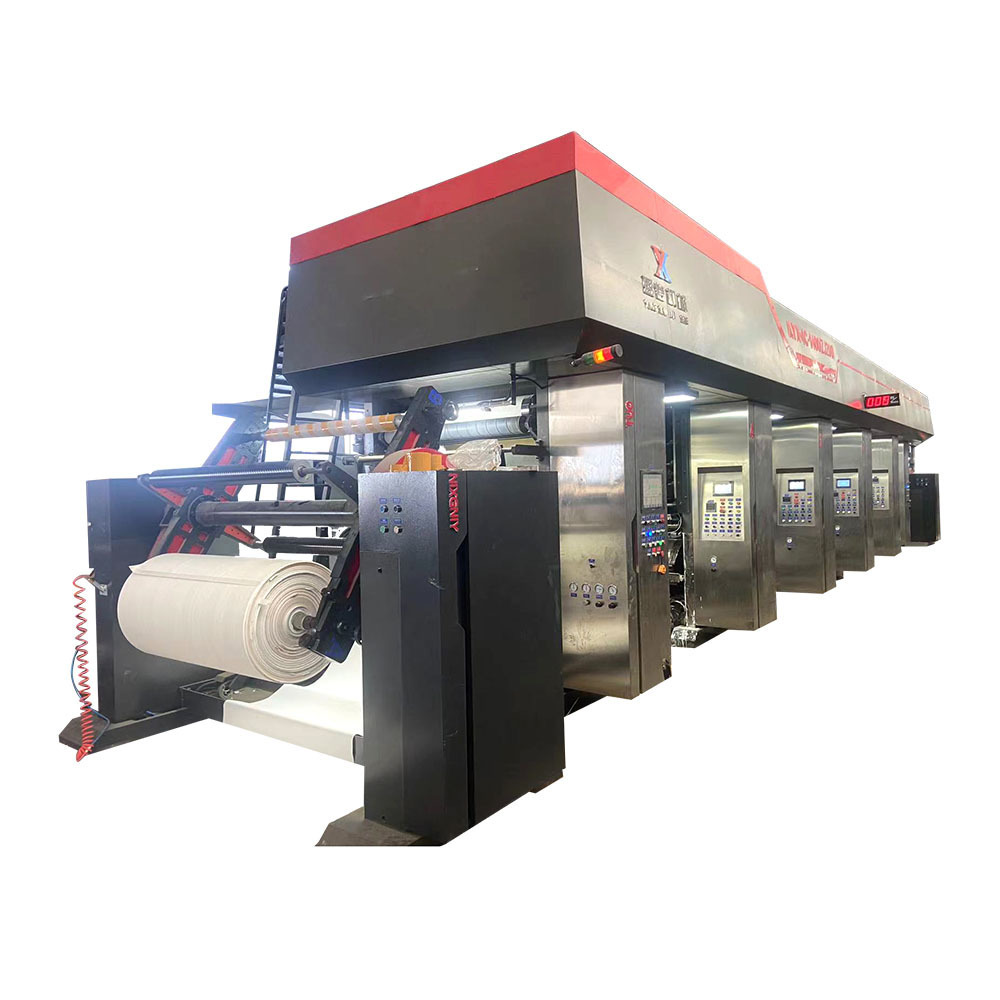
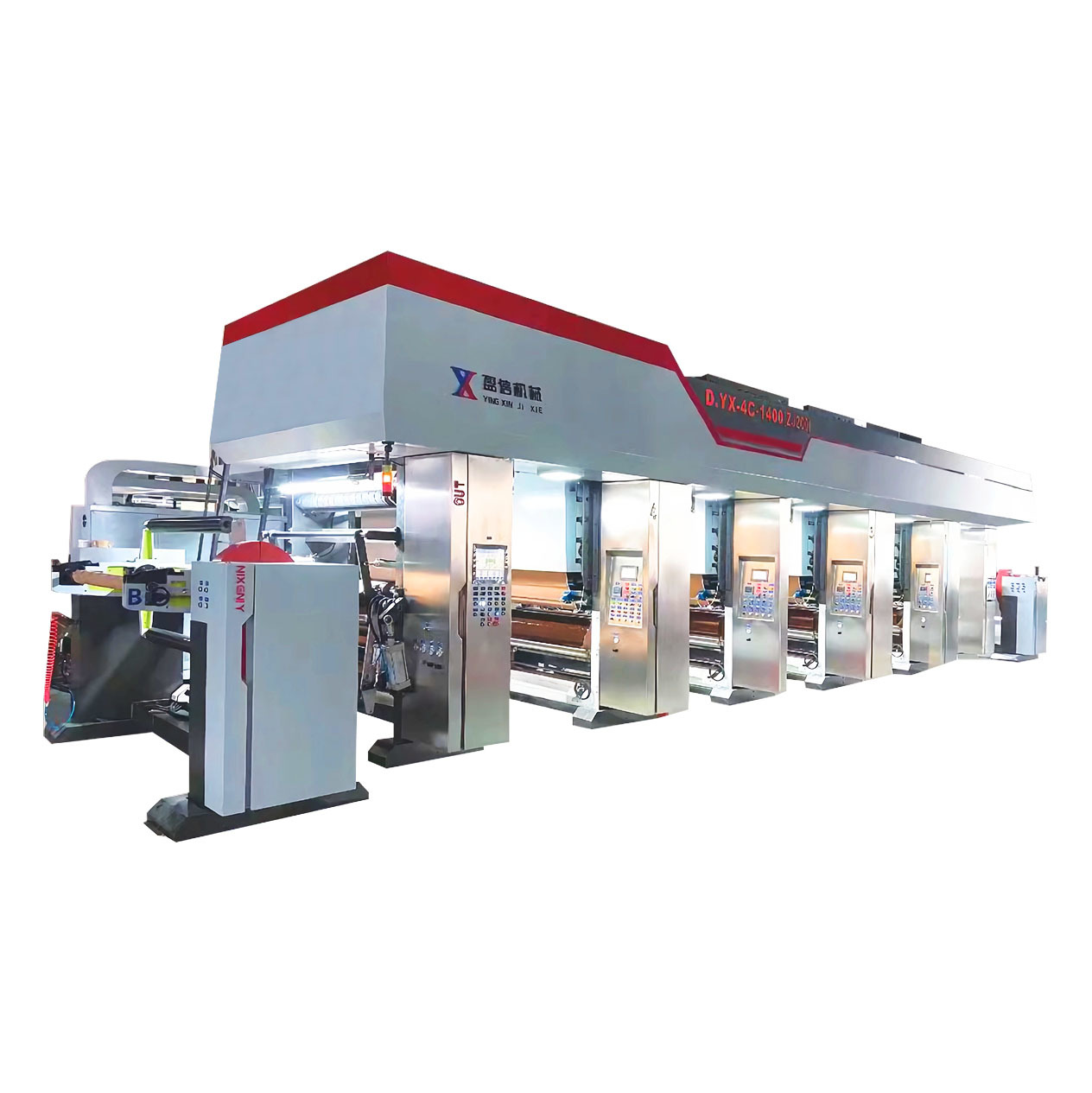
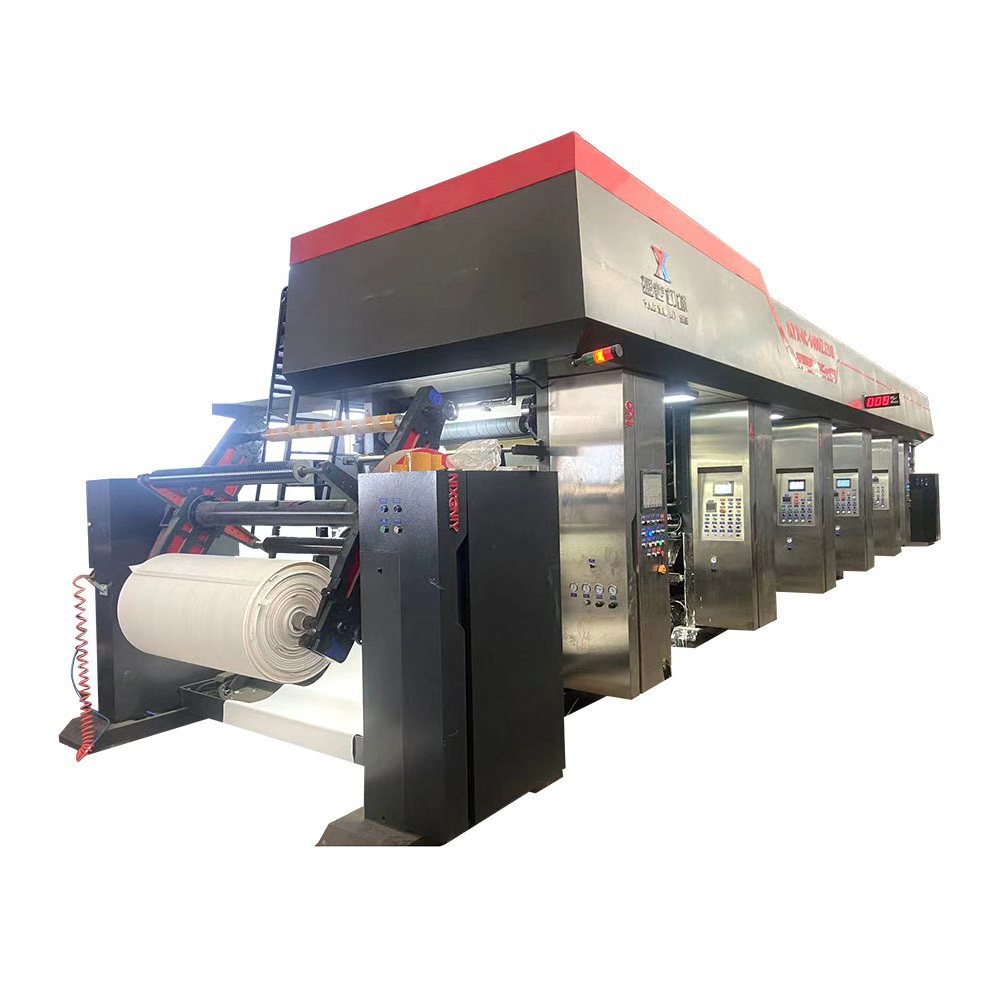
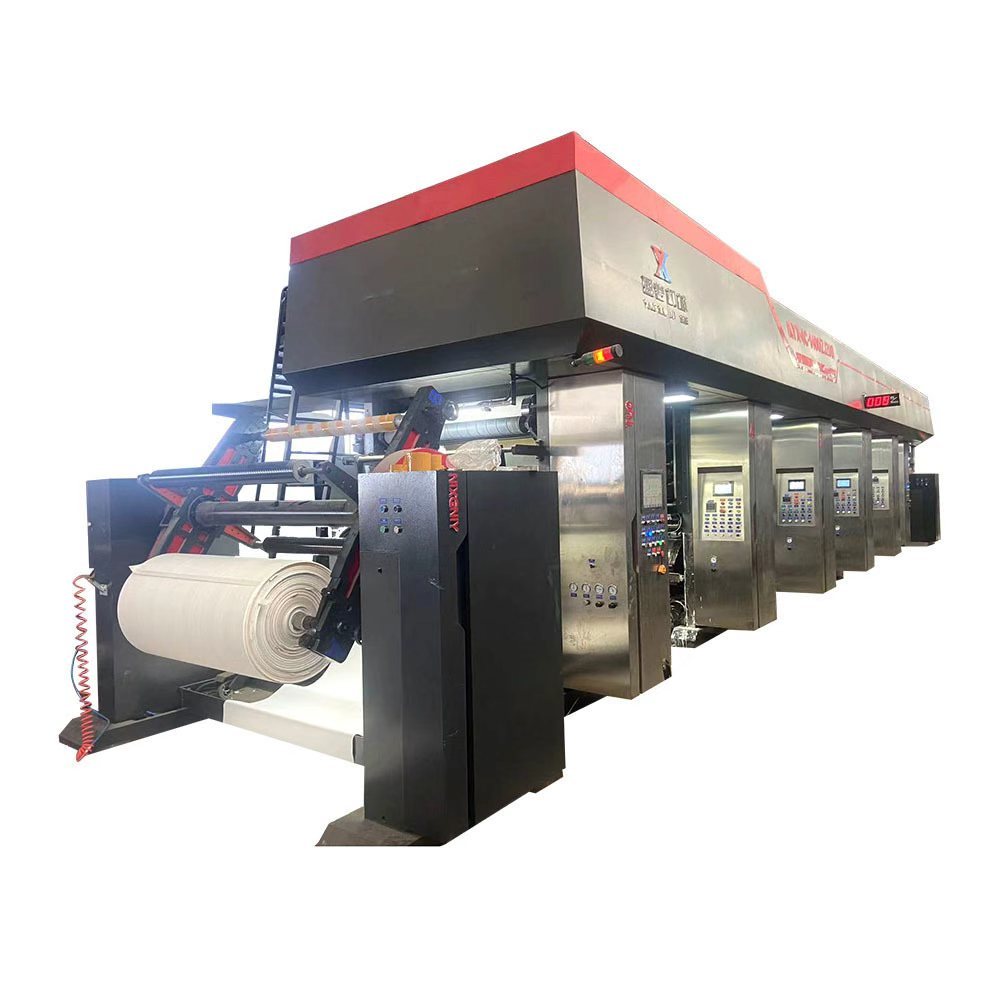
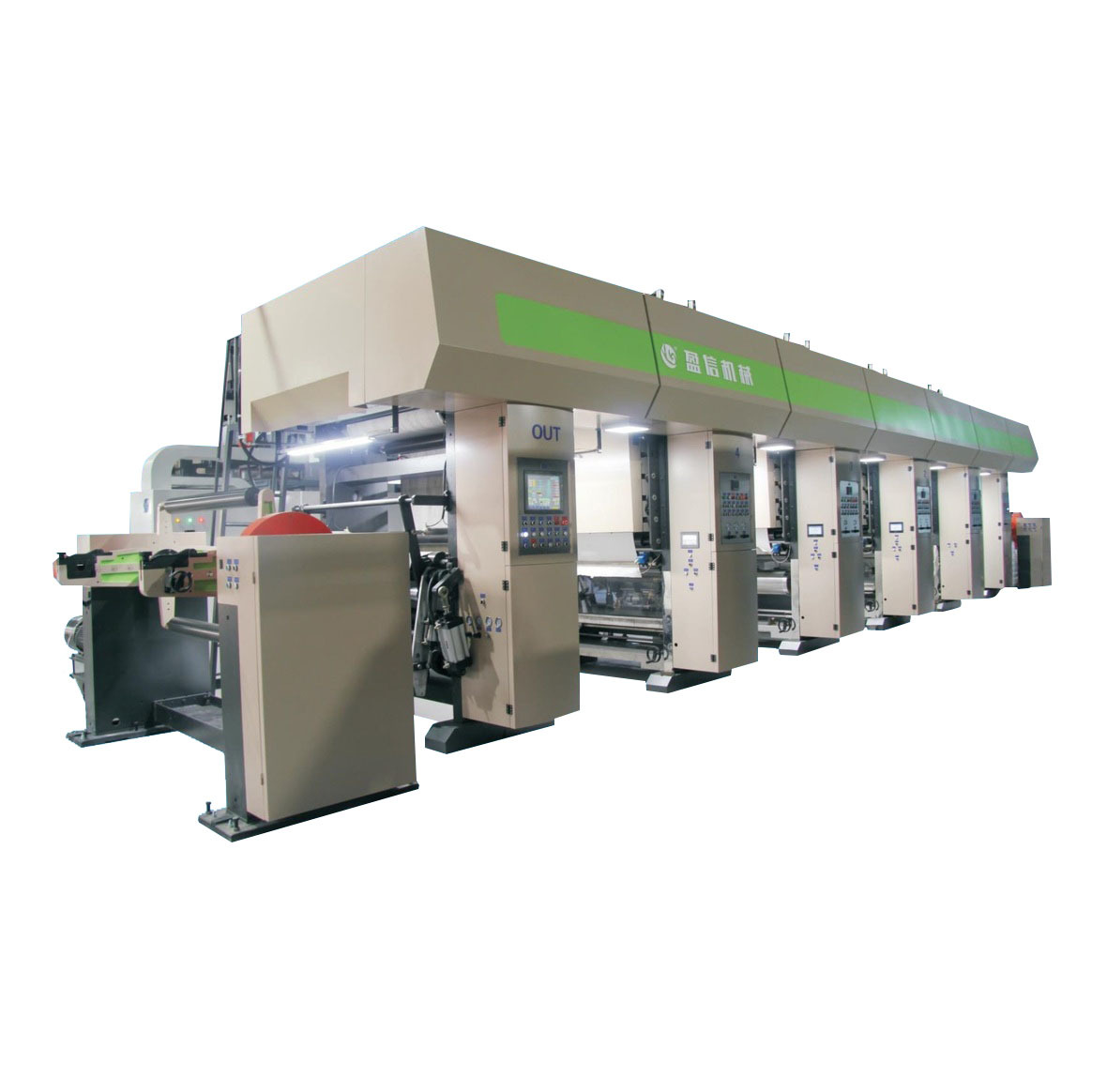
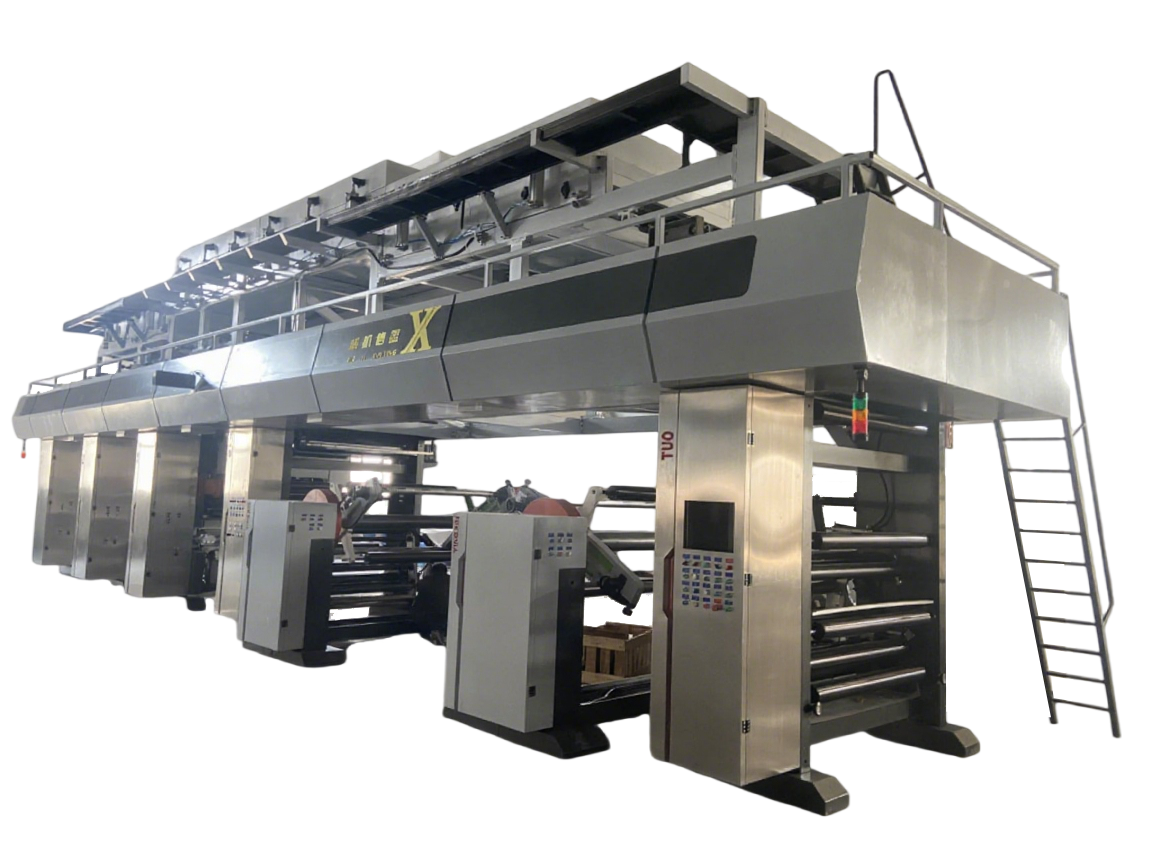
Film rotogravure printing machines represent a significant advancement in the field of printing technology. This process involves engraving images onto a cylindrical surface, allowing for high-quality, consistent prints. The rotogravure method excels in producing rich, vibrant colors and sharp details, making it an ideal choice for packaging, magazines, and various commercial printing applications.
Understanding the art and science behind these machines is crucial for manufacturers, marketers, and anyone involved in the printing industry. In this article, we will explore the history, mechanics, advantages, applications, and future trends related to film rotogravure printing machines.
2. A Brief History of Rotogravure Printing
The roots of rotogravure printing can be traced back to the late 19th century. Initially developed as a method for printing newspapers, it underwent significant advancements in the 20th century. The introduction of photoengraving technology enabled printers to produce high-quality images with greater efficiency. By the mid-20th century, rotogravure had established itself as a dominant force in the printing industry, particularly in packaging and publishing.
As the demand for faster and more efficient printing grew, manufacturers began to innovate. The introduction of automated systems and digital technology has allowed for quicker setup times and reduced production costs. Today, film rotogravure printing machines are at the forefront of modern printing technology, offering unparalleled quality and versatility.
3. The Mechanics Behind Film Rotogravure Printing Machines
Understanding the mechanics of film rotogravure printing machines begins with an examination of the key components involved in the printing process.
The Engraved Cylinder
At the heart of rotogravure printing is the engraved cylinder. This cylinder is coated with a layer of copper, which is subsequently engraved with the desired image or design. The depth of the engraving influences the amount of ink transferred to the substrate, allowing for fine-tuning of print quality.
The Ink System
Rotogravure machines utilize a specialized ink system that incorporates solvent-based or water-based inks. These inks are designed to flow smoothly, allowing for even coverage across the printed surface. The ink is delivered to the engraved cylinder via a doctor blade, which removes excess ink and ensures that only the engraved areas receive ink.
The Substrate Feed
The substrate, which can be plastic film, paper, or other materials, is fed through the machine in a continuous manner. The alignment and tension of the substrate are crucial to achieving high-quality prints. Advanced registration systems ensure that colors align perfectly, which is especially important for multi-color jobs.
The Drying System
After the ink is applied, it must be dried before the substrate continues through the printing process. Rotogravure machines use various drying methods, including hot air or infrared drying systems, to ensure that the ink adheres properly and dries quickly.
4. Advantages of Using Rotogravure Printing Machines
Film rotogravure printing machines offer several advantages, making them a preferred choice for many printing applications.
High-Quality Prints
One of the most significant benefits of rotogravure printing is its ability to produce high-quality prints with vibrant colors and fine details. The engraving process allows for precise control over ink transfer, resulting in sharp images that are difficult to achieve with other printing methods.
Cost-Effectiveness for Long Runs
While the initial setup costs for rotogravure printing can be high, the cost per unit decreases significantly with longer print runs. This makes it an ideal choice for large-scale production, such as packaging for consumer goods.
Versatility
Rotogravure printing is incredibly versatile, capable of printing on a wide range of substrates, including plastic films, metal foils, and paper. This flexibility allows manufacturers to cater to various markets and customer needs.
Consistency and Speed
The automated nature of rotogravure printing machines ensures consistent print quality and faster production times. Once the machine is set up, it can operate continuously, producing large quantities of prints within a short timeframe.
5. Applications of Film Rotogravure Printing
Film rotogravure printing machines are employed in a variety of industries due to their versatility and efficiency. Here are some of the most common applications:
Packaging
The packaging industry is one of the primary users of rotogravure technology. Whether for food, beverages, or consumer goods, rotogravure printing provides eye-catching designs that enhance product visibility and attractiveness on store shelves.
Publishing
Magazines, catalogs, and other printed materials benefit from the high-quality images that rotogravure can provide. The ability to print fine details and gradients makes it a go-to choice for high-end publications.
Textiles
Rotogravure printing is also used in the textile industry for printing intricate designs on fabrics. The ability to produce vibrant colors and complex patterns makes it suitable for fashion and interior design applications.
Labels and Tags
Labels for products, including food and beverages, often utilize rotogravure printing to ensure that branding and information stand out. The technology allows for multi-color prints that enhance the overall look of the product.
6. Maintenance Tips for Rotogravure Printing Machines
Proper maintenance is key to ensuring the longevity and efficiency of film rotogravure printing machines. Here are some essential maintenance tips:
Regular Cleaning
Cleaning the engraved cylinders, ink trays, and other components regularly is essential to prevent ink build-up and maintain print quality. Using approved cleaning solutions can help extend the life of the machine.
Monitor Ink Flow
Keeping an eye on ink flow and viscosity is crucial. Adjusting the doctor blade and ensuring that the ink system is functioning optimally can prevent issues during production.
Check Alignment and Tension
Regularly checking the alignment of the substrate and ensuring proper tension can help prevent misprints and ensure high-quality outputs. Adjustments should be made as necessary to maintain optimal performance.
Scheduled Maintenance
Implementing a scheduled maintenance program can help identify potential issues before they become significant problems. Regular inspections by trained technicians can extend the lifespan of the machine.
7. The Future of Film Rotogravure Printing Technology
As technology continues to advance, the future of film rotogravure printing looks promising. Innovations such as digital integration and eco-friendly inks are paving the way for more efficient and sustainable printing processes.
Digital Integration
The incorporation of digital technologies into rotogravure printing is expected to enhance customization and reduce setup times. Digital file management systems can streamline the production process, allowing for quicker turnaround times and on-demand printing.
Sustainable Practices
Increasing awareness of environmental issues is prompting the printing industry to adopt more sustainable practices. The development of eco-friendly inks and materials is a step forward in reducing the ecological footprint of rotogravure printing.
Enhanced Automation
Continued advancements in automation technology will likely improve efficiency and reduce labor costs. Future rotogravure machines may feature more sophisticated monitoring systems that provide real-time data on production performance.
8. Conclusion
Film rotogravure printing machines stand at the intersection of art and technology, offering unparalleled quality and versatility in the printing industry. From their rich history to their intricate mechanics, these machines continue to evolve, adapting to meet the demands of modern manufacturing.
As we look towards the future, innovations in digital integration and sustainable practices promise to enhance the capabilities of rotogravure printing, ensuring its relevance in an ever-changing market. By understanding the nuances of this printing method, manufacturers and businesses can leverage its potential to create stunning and effective printed products.
9. Frequently Asked Questions
What is rotogravure printing?
Rotogravure printing is a high-speed, high-quality printing process that uses engraved cylinders to transfer ink onto a substrate. It is commonly used for packaging, publishing, and other commercial printing applications.
What are the advantages of rotogravure printing?
The advantages include high-quality prints, cost-effectiveness for long runs, versatility across various substrates, and consistent speed and efficiency.
How does rotogravure printing differ from other printing methods?
Rotogravure printing differs from methods like offset and digital printing mainly in its use of engraved cylinders and its ability to produce high-quality images at high speeds, particularly for large print runs.
What types of inks are used in rotogravure printing?
Rotogravure printing typically uses solvent-based or water-based inks, specifically formulated for smooth flow and even coverage.
How can I maintain my rotogravure printing machine?
Regular cleaning, monitoring ink flow, checking alignment and tension, and implementing a scheduled maintenance program are key practices to ensure optimal performance of your machine.
This comprehensive guide to film rotogravure printing machines not only highlights their significance in the printing industry but also equips readers with essential knowledge to harness their capabilities effectively.
Tag:
Blog

Understanding the Mechanisms of Intelligent Gravure Printing Machines: A Comprehensive Guide

PRODUCT
message:Talk to an expert
WhatsApp:8618058732988
E-Mail:sales@yingxinmachinery.com
tel:+86-18058732988
Contact Us
1168 Jiuzhou Street, Linglong Street, Lin 'an District, Hangzhou City, Zhejiang Province
Mobile phone version
Copyright©Hangzhou Yingxin Machinery Co., Ltd.