

Understanding the Mechanisms of Intelligent Gravure Printing Machines: A Comprehensive Guide
Understanding the Mechanisms of Intelligent Gravure Printing Machines Table of Contents 1. Introduction to Intelligent Gravure Printing Machines 2. What is Gravure Printing? 3. Mechanisms of Intelligent Gravure Printing Machines 3.1 Cylinder Design and Engraving 3.2 Ink Delivery Systems 3.3 Drying Technology 4. Advantages of In
Understanding the Mechanisms of Intelligent Gravure Printing Machines
Table of Contents
- 1. Introduction to Intelligent Gravure Printing Machines
- 2. What is Gravure Printing?
- 3. Mechanisms of Intelligent Gravure Printing Machines
- 4. Advantages of Intelligent Gravure Printing
- 5. Applications of Intelligent Gravure Printing
- 6. Future Trends in Gravure Printing Technology
- 7. Frequently Asked Questions (FAQs)
- 8. Conclusion
1. Introduction to Intelligent Gravure Printing Machines
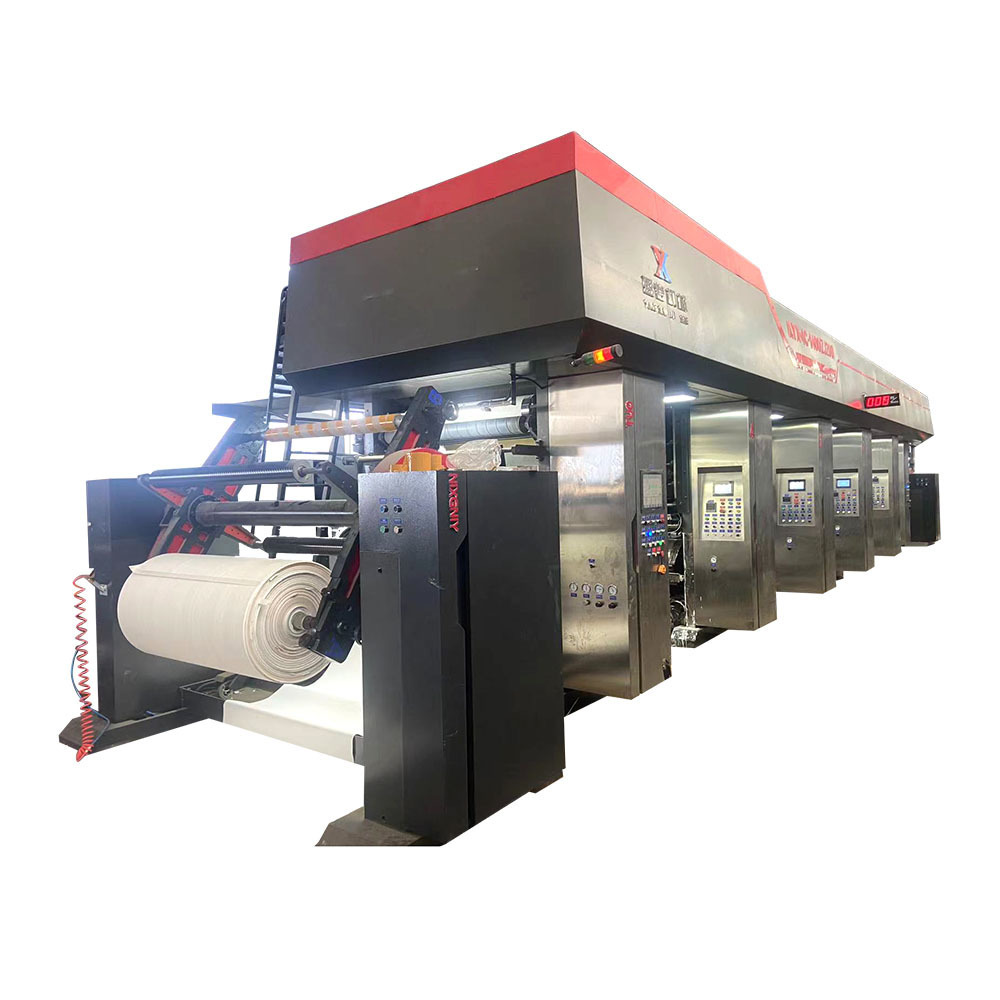
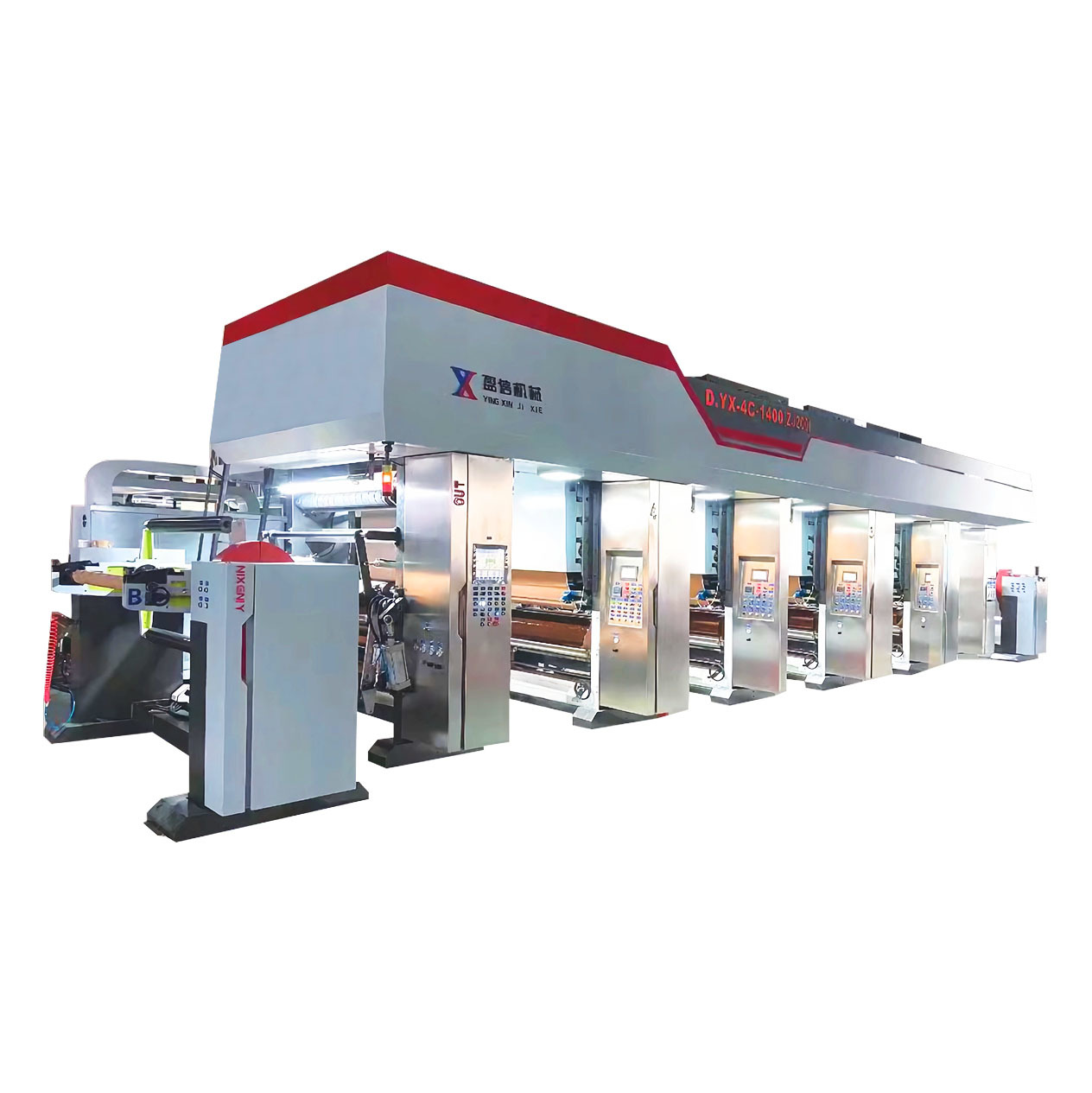
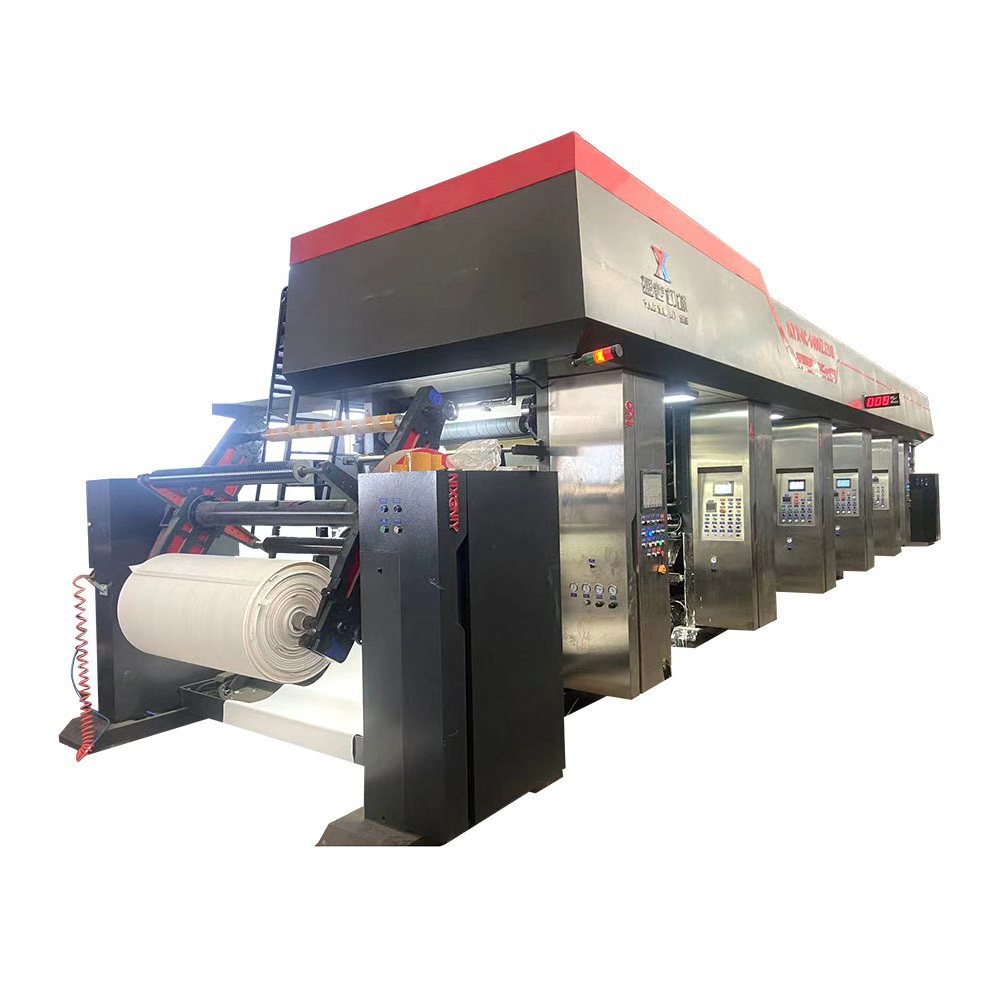
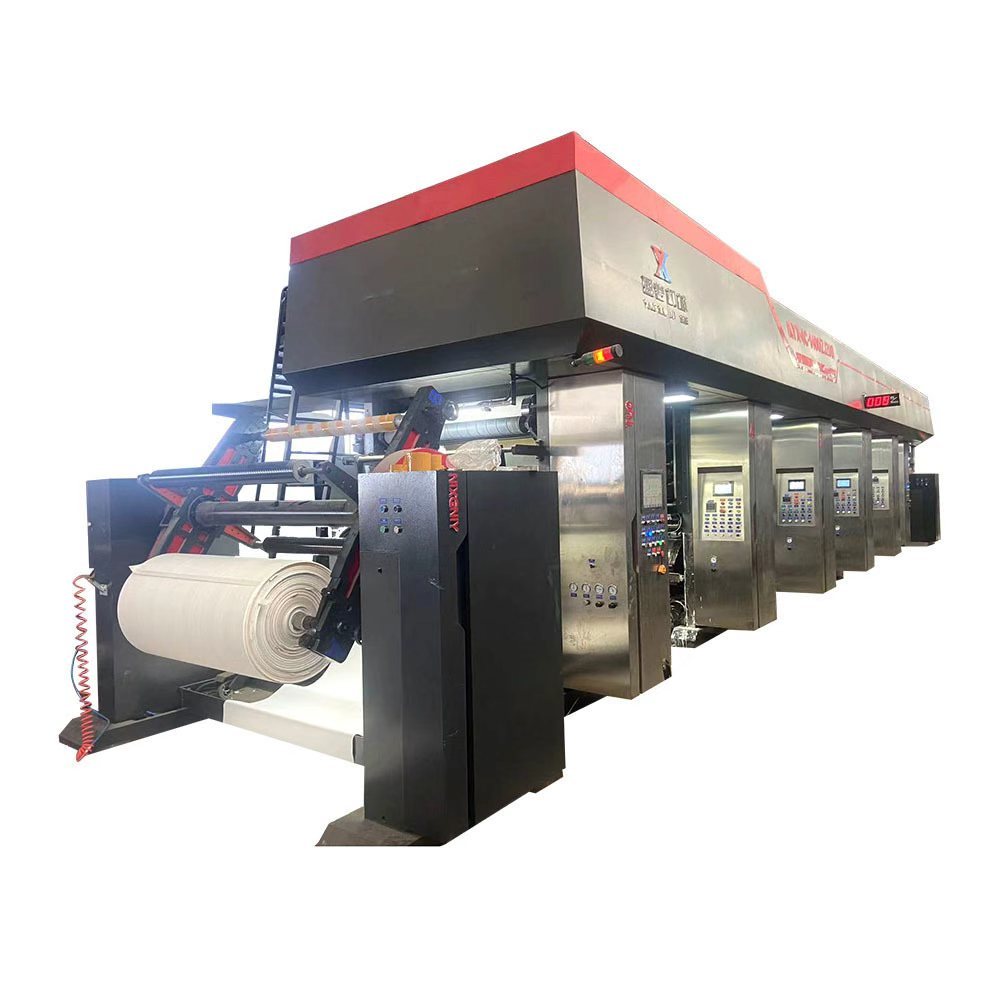
In the realm of modern printing technology, **intelligent gravure printing machines** stand out as a pinnacle of innovation and efficiency. These machines leverage advanced technology to produce high-quality prints with remarkable precision and speed. This article aims to provide a thorough understanding of the mechanisms, advantages, applications, and future trends related to intelligent gravure printing machines.
2. What is Gravure Printing?
Gravure printing, also known as rotogravure, is a **high-speed, high-quality printing** process that utilizes engraved cylinders to transfer ink onto various substrates. This technique is widely employed in packaging, decorative printing, and publishing. Unlike other printing methods, gravure printing offers a seamless transfer of ink, making it ideal for intricate designs and continuous patterns.
2.1 History of Gravure Printing
The origins of gravure printing date back to the early 19th century, evolving from traditional intaglio printing methods. Over the years, innovations in technology and materials have significantly enhanced the efficiency and quality of gravure printing, leading to the development of intelligent gravure printing machines.
2.2 How Gravure Printing Works
The gravure printing process involves the following steps:
1. **Cylinder Preparation**: The printing cylinder is engraved with the desired image or pattern.
2. **Ink Application**: The cylinder is coated with ink, which fills the engraved cells.
3. **Excess Ink Removal**: A doctor blade removes the excess ink, allowing only the ink in the cells to remain.
4. **Printing**: The substrate is fed through the machine, where it comes into contact with the inked cylinder, transferring the image.
3. Mechanisms of Intelligent Gravure Printing Machines
Intelligent gravure printing machines incorporate several advanced mechanisms that enhance their functionality and output quality. Understanding these mechanisms is crucial for appreciating the technology behind intelligent gravure printing.
3.1 Cylinder Design and Engraving
The design of the printing cylinder is fundamental to the gravure process. Intelligent gravure printing machines utilize **computerized engraving** techniques, ensuring that the cylinders are engraved with exceptional precision. The engraving depth and pattern can be customized, allowing for a wide range of designs and effects.
3.1.1 Types of Cylinder Engraving
There are two primary methods of cylinder engraving:
1. **Laser Engraving**: This technique uses laser beams to engrave the design onto the cylinder, offering high precision and flexibility.
2. **Mechanical Engraving**: In this traditional method, a diamond-tipped tool is used to engrave the design, which is effective but less flexible compared to laser engraving.
3.2 Ink Delivery Systems
Efficient ink delivery is critical in gravure printing. Intelligent gravure printing machines have advanced ink delivery systems that ensure a consistent supply of ink to the engraved cylinders. These systems often incorporate:
- **Ink Circulation Systems**: Maintaining a constant flow of ink and temperature control to prevent drying.
- **Viscosity Control Units**: Measuring and adjusting the viscosity of the ink for optimal performance.
3.2.1 Types of Inks Used in Gravure Printing
Various inks are suitable for gravure printing, including:
- **Solvent-based Inks**: Commonly used for flexible packaging due to their quick-drying properties.
- **Water-based Inks**: Environmentally friendly options that are increasingly popular for food packaging.
- **UV Inks**: Curing instantly under UV light, these inks are used for high-quality graphics and specialty applications.
3.3 Drying Technology
The drying process is crucial in gravure printing, as it affects the overall print quality and production speed. Intelligent gravure printing machines employ various drying technologies, such as:
- **Hot Air Drying**: This method uses heated air to evaporate the ink quickly.
- **Infrared Drying**: Utilizing infrared radiation to streamline the drying process.
- **UV Drying**: Curing inks instantly with UV light, providing immediate handling of printed materials.
4. Advantages of Intelligent Gravure Printing
Intelligent gravure printing machines offer a multitude of advantages that contribute to their popularity in the printing industry:
4.1 Superior Print Quality
The precision of the engraved cylinders ensures sharp, vibrant images with smooth gradients and fine details.
4.2 High Production Speeds
These machines can operate at high speeds, producing large volumes of prints in a short time, making them ideal for mass production.
4.3 Cost Efficiency
Although the initial investment may be higher, the long-term savings due to reduced ink consumption and faster production times make gravure printing cost-effective.
4.4 Flexibility and Customization
Intelligent gravure printing allows for easy adjustments in designs, making it suitable for various applications and industries.
4.5 Environmentally Friendly Options
With the rise of water-based and UV inks, gravure printing is becoming increasingly eco-friendly, aligning with global sustainability goals.
5. Applications of Intelligent Gravure Printing
Intelligent gravure printing is versatile and finds applications across various industries:
5.1 Packaging
Gravure printing is extensively used in packaging materials, including flexible packaging, labels, and cartons.
5.2 Publications
Magazines, brochures, and other printed materials benefit from the high-quality output of gravure printing.
5.3 Decorative Printing
Gravure printing is utilized in wallpapers, textiles, and other decorative items, offering intricate designs and vibrant colors.
6. Future Trends in Gravure Printing Technology
The gravure printing industry is continuously evolving, with several trends shaping its future:
6.1 Digital Integration
The integration of digital technologies with gravure printing is expected to enhance workflow, reduce setup times, and allow for on-demand printing.
6.2 Sustainability Innovations
As environmental concerns grow, the development of biodegradable inks and sustainable practices in gravure printing will become more prominent.
6.3 Automation and AI
Incorporating automation and artificial intelligence into gravure printing processes will lead to increased efficiency, reduced human error, and enhanced quality control.
7. Frequently Asked Questions (FAQs)
7.1 What materials can be printed using gravure printing?
Gravure printing can be used on various substrates, including paper, plastic films, metal foils, and more, making it highly versatile.
7.2 How does gravure printing compare to other printing methods?
Gravure printing is known for its high speed and superior quality, especially for large runs, compared to methods like lithography and flexography.
7.3 What is the lifespan of a gravure printing cylinder?
The lifespan varies based on usage and maintenance, but well-maintained cylinders can last for thousands of impressions.
7.4 Can gravure printing be used for short runs?
While gravure printing is more cost-effective for large runs, advancements in technology are making it more feasible for shorter runs as well.
7.5 What factors affect the quality of gravure printing results?
Factors include the quality of inks, cylinder engraving, drying technology, and overall machine maintenance.
8. Conclusion
In conclusion, intelligent gravure printing machines represent a significant advancement in the printing industry, combining cutting-edge technology with traditional printing techniques. As businesses continue to seek faster, more efficient, and environmentally friendly printing solutions, the mechanisms behind these machines will undoubtedly play a crucial role in shaping the future of the industry. By understanding the intricate workings of intelligent gravure printing, stakeholders can make informed decisions that enhance production quality and efficiency while meeting evolving market demands.
Tag:
Blog

Understanding the Mechanisms of Intelligent Gravure Printing Machines: A Comprehensive Guide

PRODUCT
message:Talk to an expert
WhatsApp:8618058732988
E-Mail:sales@yingxinmachinery.com
tel:+86-18058732988
Contact Us
1168 Jiuzhou Street, Linglong Street, Lin 'an District, Hangzhou City, Zhejiang Province
Mobile phone version
Copyright©Hangzhou Yingxin Machinery Co., Ltd.