

Key Maintenance Practices for Pattern Gravure Printing Machines
Key Maintenance Practices for Pattern Gravure Printing Machines Understanding Pattern Gravure Printing Machines Pattern gravure printing machines are crucial in various industries, particularly in packaging and publishing. These machines utilize an intaglio printing process, where ink is transferred from recessed cells on a rotating cylinder to the substrate. The efficiency and precision of th
Key Maintenance Practices for Pattern Gravure Printing Machines
Understanding Pattern Gravure Printing Machines
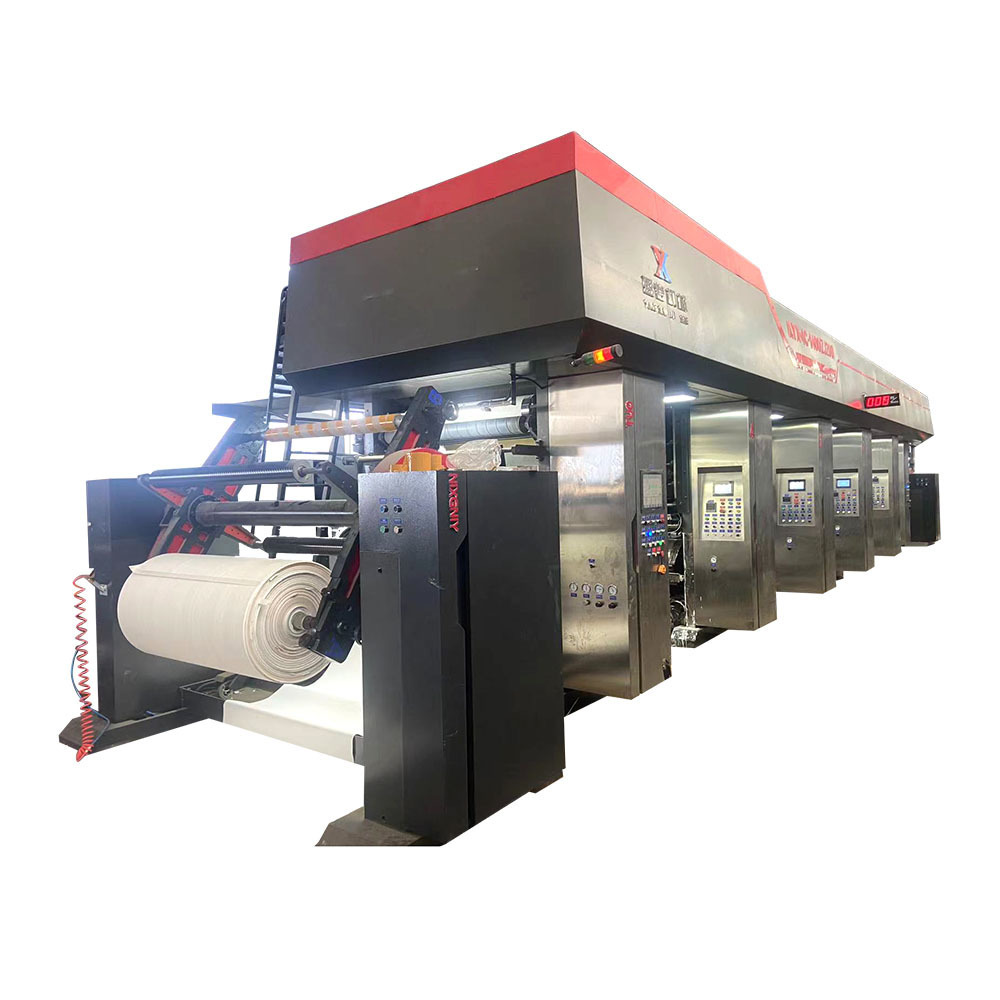
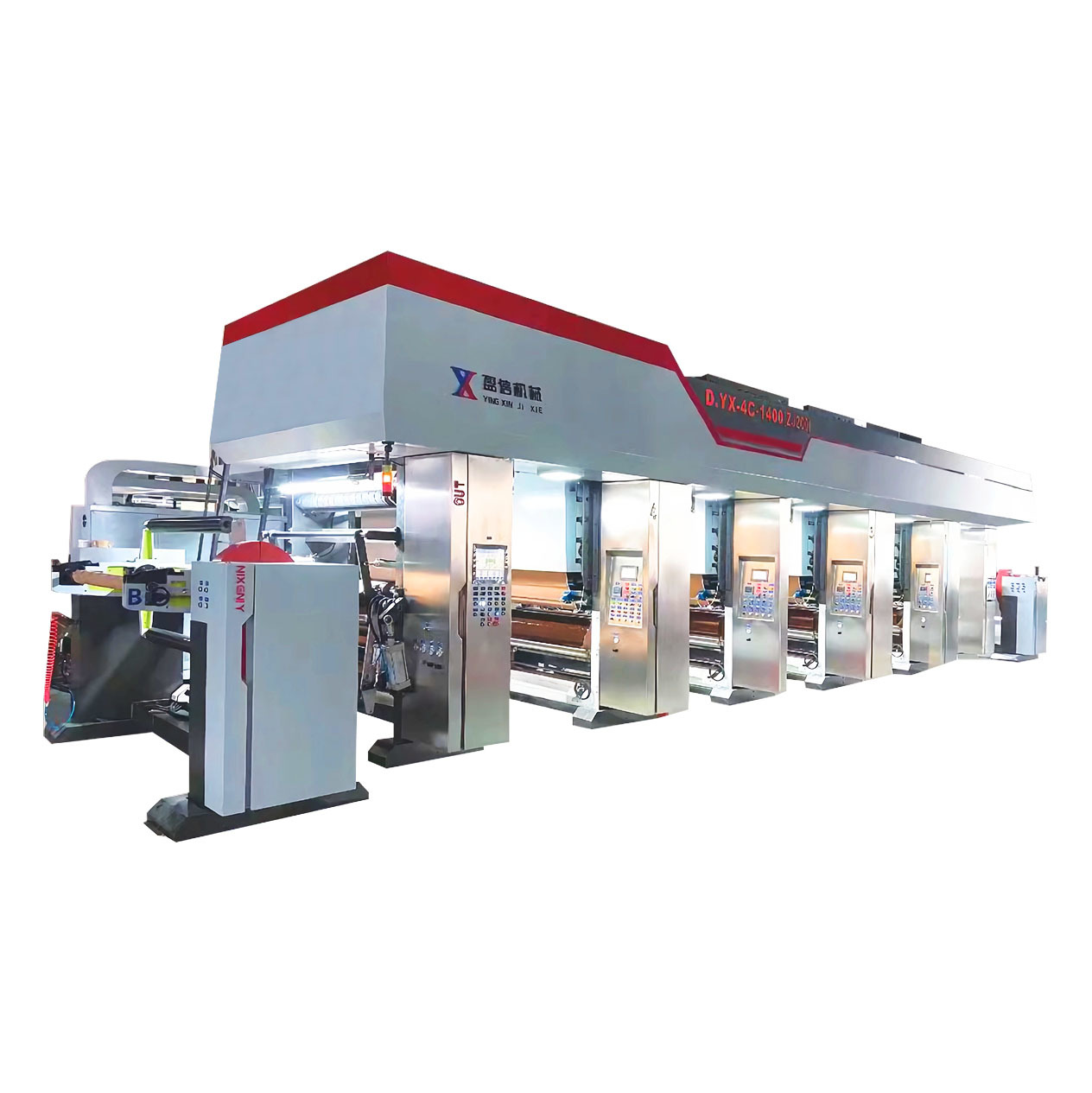
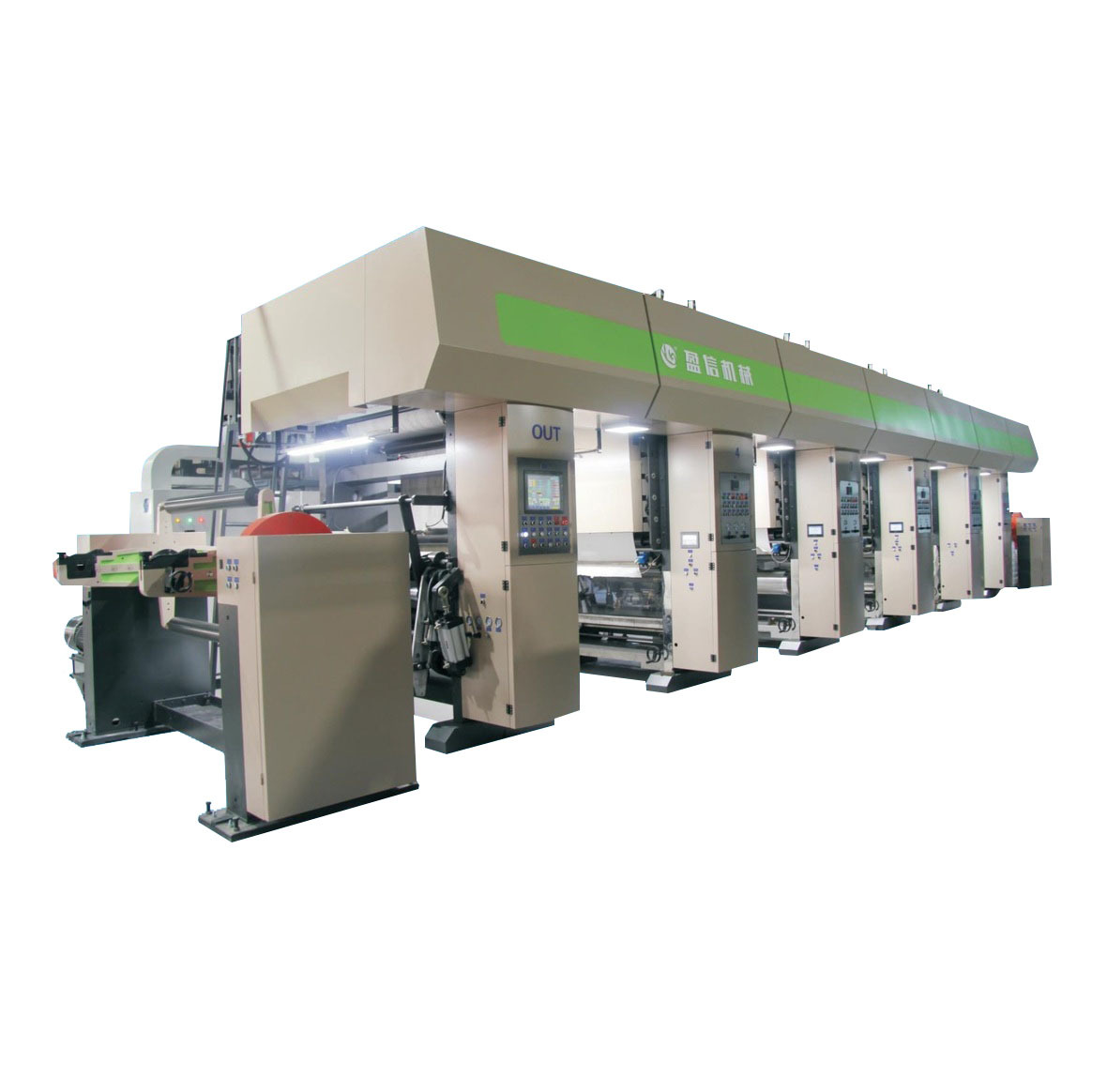
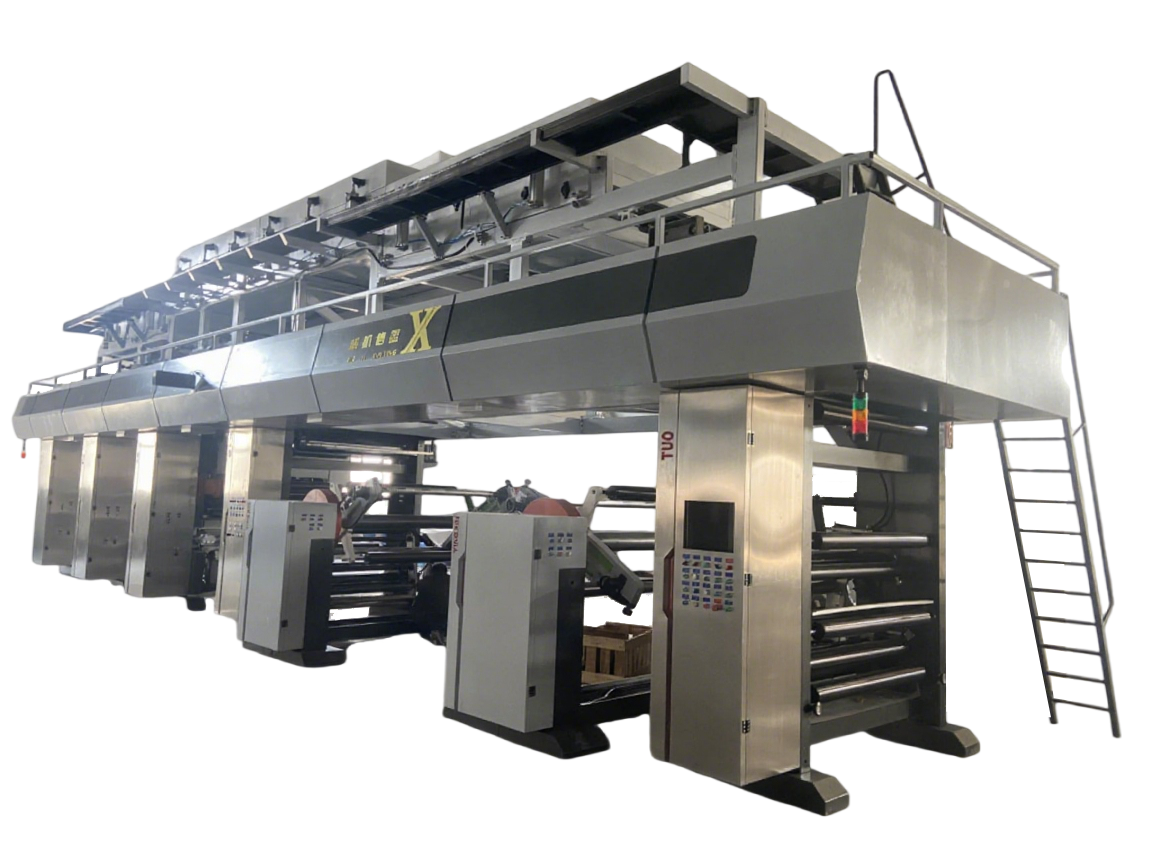
Pattern gravure printing machines are crucial in various industries, particularly in packaging and publishing. These machines utilize an intaglio printing process, where ink is transferred from recessed cells on a rotating cylinder to the substrate. The efficiency and precision of these machines hinge on regular maintenance practices.
Importance of Regular Maintenance
Regular maintenance of gravure printing machines is not merely a suggestion but a necessity. Failing to adhere to a structured maintenance routine can lead to several detrimental outcomes, including:
- **Reduced Print Quality**: Ink inconsistencies and misalignments can occur if machines are not properly maintained.
- **Increased Downtime**: Unexpected breakdowns can lead to costly production halts.
- **Higher Operational Costs**: Inefficient machines consume more energy and resources, escalating operating expenses.
- **Shortened Equipment Lifespan**: Regular maintenance extends the machine's working life, protecting your investment.
Key Maintenance Practices for Optimal Performance
Implementing a systematic approach to maintenance ensures that your pattern gravure printing machines operate at peak efficiency. Here are several critical practices:
1. Routine Cleaning
Regular cleaning is fundamental to maintaining the efficiency of gravure printing machines. Ink residues and contaminants can accumulate, affecting performance and print quality.
- **Daily Cleaning Tasks**: Clean the doctor blade, anilox roller, and printing cylinder after each production run.
- **Weekly Cleaning**: Conduct a more thorough cleaning of the ink fountain and the print head.
- **Monthly Deep Cleaning**: Disassemble parts as necessary to remove stubborn residues that a standard cleaning may not eliminate.
2. Inspection of Components
Frequent inspections can help identify potential issues before they escalate into major problems. Regularly check components such as:
- **Cylinders**: Look for wear and tear, as damaged cylinders can lead to poor printing quality.
- **Doctor Blades**: Inspect for chips or breaks, which can negatively impact ink transfer.
- **Ink Pumps**: Ensure they are functioning efficiently to maintain consistent ink flow.
3. Lubrication of Moving Parts
Proper lubrication of moving parts is essential for reducing friction and wear. Identify parts that require regular lubrication, such as:
- **Bearings**: Keeping bearings lubricated prevents overheating and extends their life.
- **Gears**: Regularly lubricate gears to ensure smooth operation and reduce noise.
4. Calibration and Adjustment
Routine calibration and adjustment of your gravure printing machines are needed to maintain print quality:
- **Ink Viscosity Checks**: Regularly measure and adjust ink viscosity to ensure optimal flow and coverage.
- **Registration Settings**: Check and adjust registration settings frequently to maintain alignment across printed runs.
5. Monitoring Environmental Conditions
Environmental factors can significantly impact the performance of gravure printing machines. Important conditions to monitor include:
- **Temperature and Humidity Levels**: Maintain optimal temperature and humidity to avoid ink drying too quickly or moisture absorption.
- **Dust and Contaminant Control**: Implement filtration systems to minimize dust and contaminants in the print area.
6. Training Staff on Maintenance Protocols
Educating staff on proper maintenance practices can enhance machine longevity and performance. Consider:
- **Regular Training Sessions**: Conduct training for new employees and refresher courses for existing staff.
- **Maintenance Checklists**: Provide checklists to ensure all critical tasks are covered during routine maintenance.
7. Utilizing Quality Replacement Parts
When replacing parts, always opt for high-quality components. Cheap substitutes may save initial costs but can lead to greater expenses down the line due to frequent replacements and repairs.
8. Keeping Detailed Maintenance Records
Maintaining a log of all maintenance activities helps track issues and identify patterns over time. This data can inform future maintenance strategies and provide insights into machine performance.
FAQs About Maintenance for Pattern Gravure Printing Machines
1. How often should I clean my gravure printing machine?
Daily cleaning is recommended after each production run, with weekly and monthly deep cleaning for more thorough maintenance.
2. What are the signs that my gravure printing machine needs maintenance?
Common signs include inconsistent print quality, unusual noises, increased downtime, and visible wear on machine components.
3. Is it necessary to use specific lubricants for my gravure printing machine?
Yes, using the manufacturer-recommended lubricants is crucial to ensure compatibility and effectiveness.
4. Can inadequate maintenance affect print quality?
Absolutely. Poor maintenance can lead to ink inconsistencies, misalignment, and other issues that directly impact print quality.
5. How can I train my staff to properly maintain our gravure printing machines?
Regular training sessions, detailed maintenance checklists, and instructional resources can effectively educate staff on best practices.
Conclusion
Implementing key maintenance practices for pattern gravure printing machines is vital to ensuring optimal performance and longevity. From regular cleaning and inspections to staff training and environmental monitoring, each practice contributes to the overall efficiency and output quality of your printing operations. By adhering to these recommendations, businesses can minimize downtime, enhance print quality, and ultimately protect their investment in gravure printing technology.
Tag:
Blog

Understanding the Mechanisms of Intelligent Gravure Printing Machines: A Comprehensive Guide

PRODUCT
message:Talk to an expert
WhatsApp:8618058732988
E-Mail:sales@yingxinmachinery.com
tel:+86-18058732988
Contact Us
1168 Jiuzhou Street, Linglong Street, Lin 'an District, Hangzhou City, Zhejiang Province
Mobile phone version
Copyright©Hangzhou Yingxin Machinery Co., Ltd.