

Understanding the Components of Decorative Paper Rotogravure Machines: A Comprehensive Guide
Understanding the Components of Decorative Paper Rotogravure Machines Table of Contents Introduction to Decorative Paper Rotogravure Machines What is Rotogravure Printing? Key Components of Decorative Paper Rotogravure Machines 1. The Engraved Cylinder 2. Ink System 3. Substrate Feeding System 4. Drying Unit 5. Reel-to-Reel Technology Operational Process of a Rotogravure Ma
Understanding the Components of Decorative Paper Rotogravure Machines
Table of Contents
- Introduction to Decorative Paper Rotogravure Machines
- What is Rotogravure Printing?
- Key Components of Decorative Paper Rotogravure Machines
- 1. The Engraved Cylinder
- 2. Ink System
- 3. Substrate Feeding System
- 4. Drying Unit
- 5. Reel-to-Reel Technology
- Operational Process of a Rotogravure Machine
- Maintenance Tips for Enhancing Longevity
- Advantages of Rotogravure Printing
- Frequently Asked Questions
- Conclusion
Introduction to Decorative Paper Rotogravure Machines
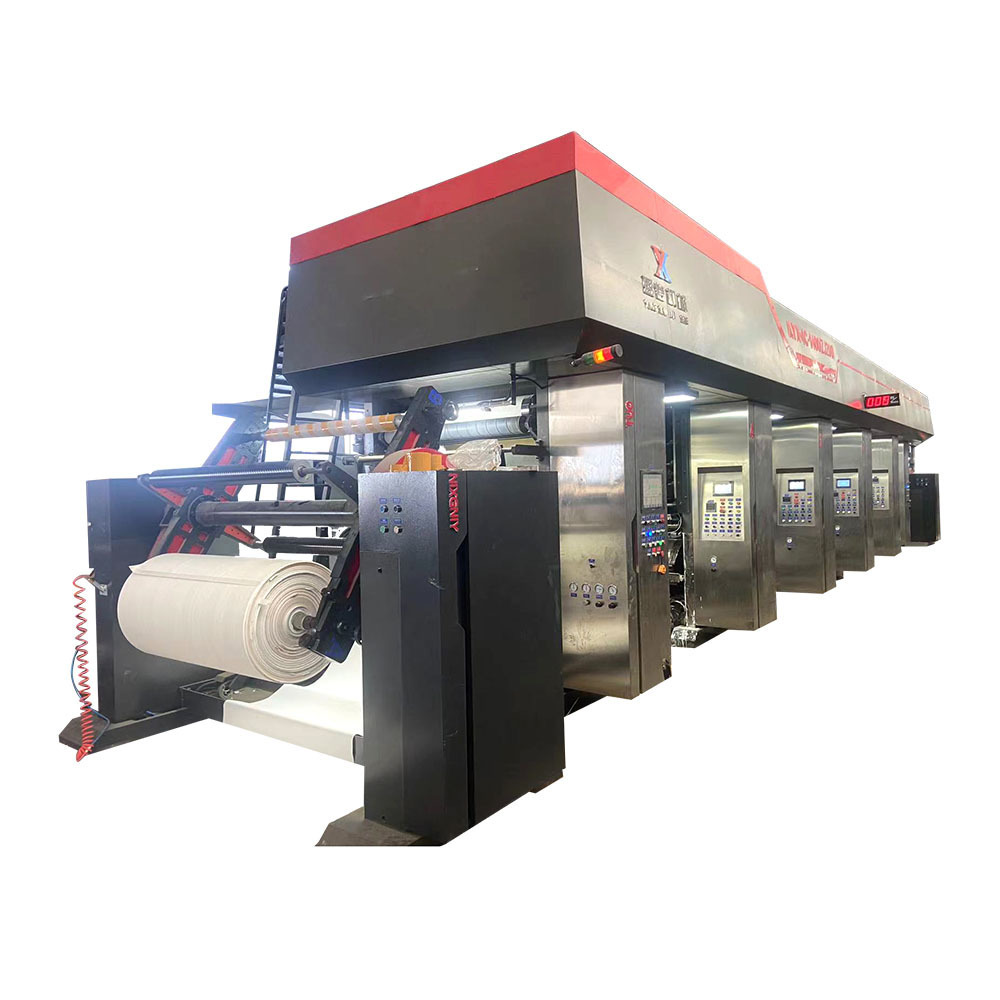
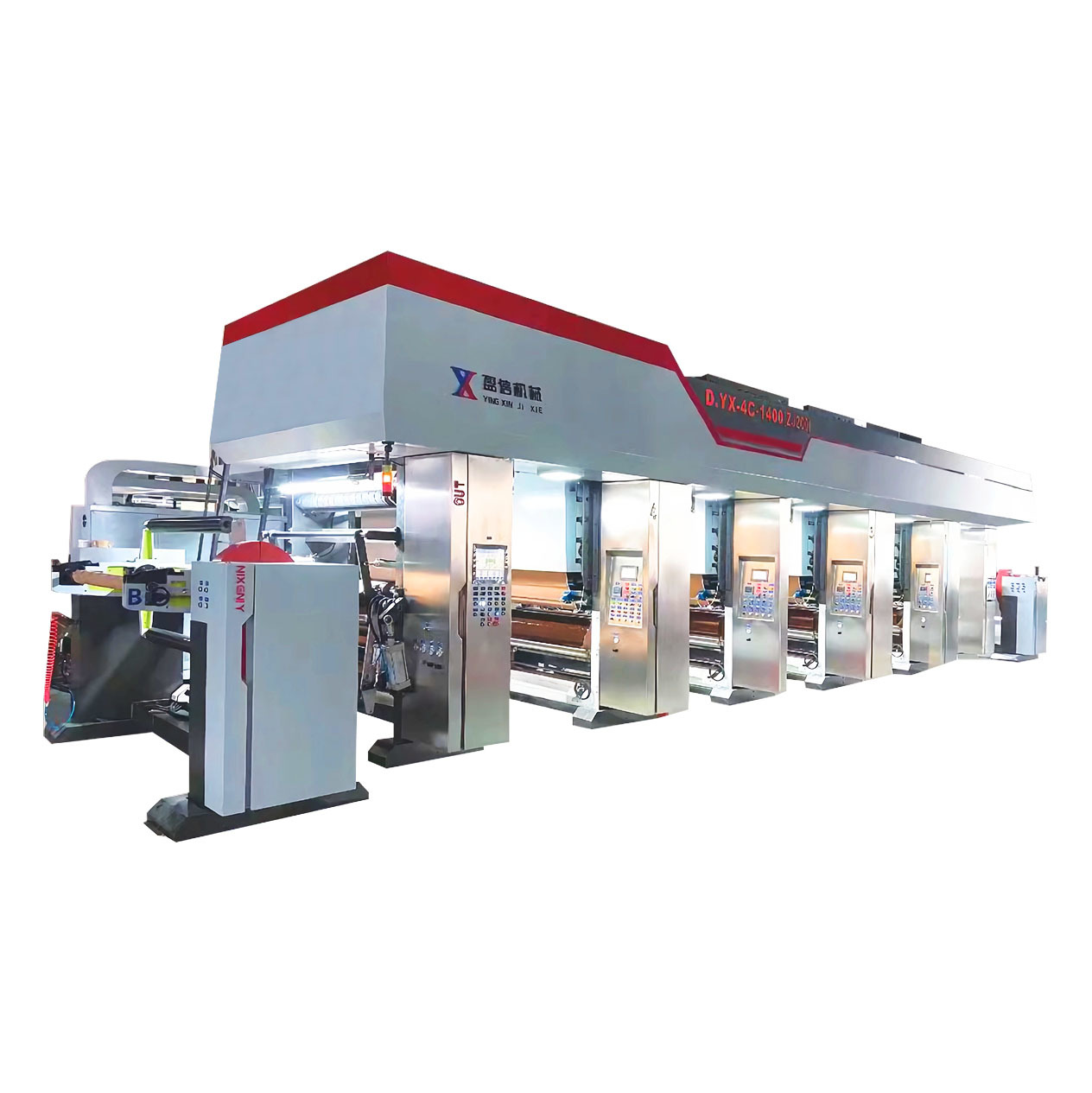
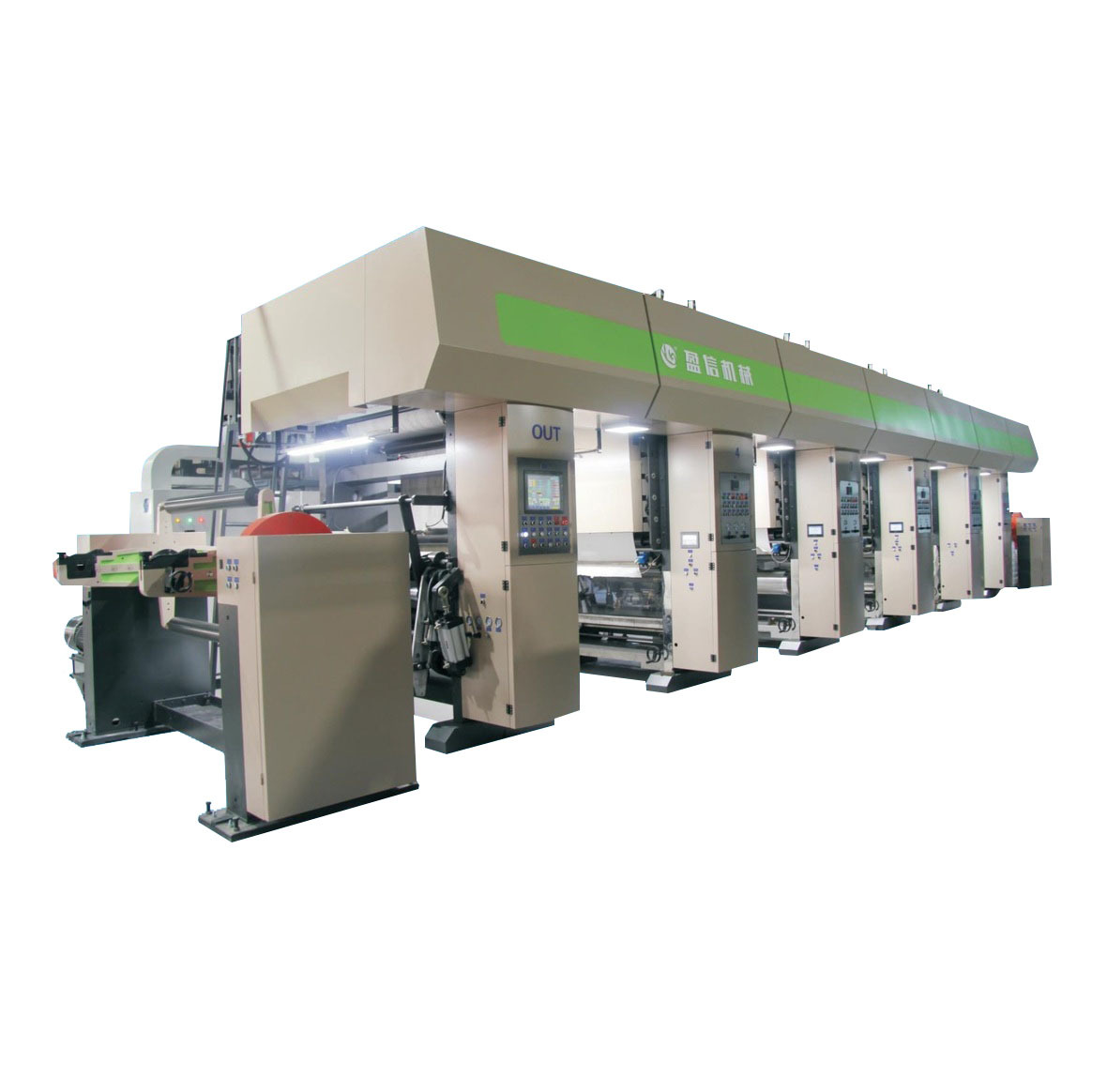
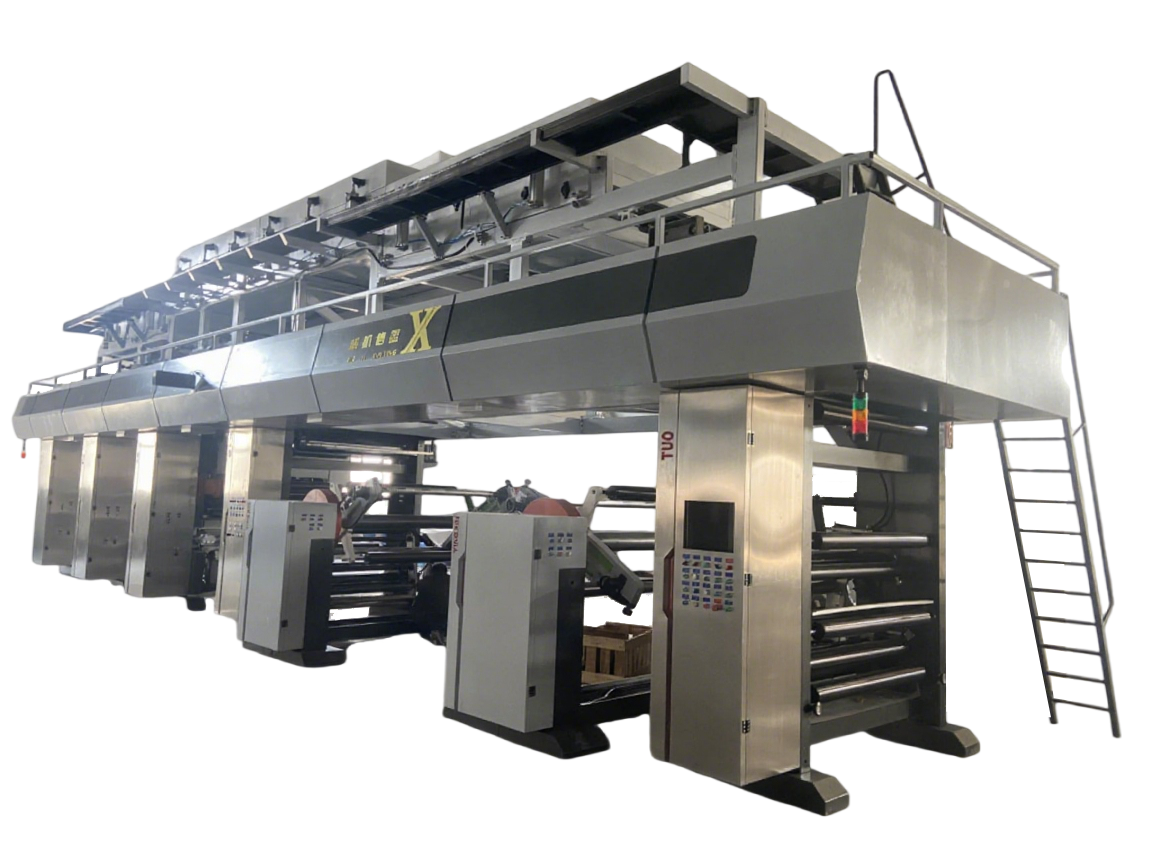
Decorative paper plays a pivotal role in various industries, from packaging to home décor. The quality and aesthetics of decorative paper largely depend on the printing technology used, and that's where decorative paper rotogravure machines come into play. These sophisticated machines utilize an innovative printing process that results in high-quality graphics, vibrant colors, and intricate patterns. Understanding the components of these machines is essential for anyone involved in the printing industry, as it can significantly impact production efficiency and print quality.
What is Rotogravure Printing?
Rotogravure printing, often referred to as gravure printing, is a high-speed printing technique that employs a rotating cylinder to transfer ink onto various substrates. The process involves engraving an image onto a cylinder, which then rolls through an ink fountain. The engraved areas hold the ink and transfer it onto the substrate as it passes through. This method is particularly popular for printing decorative paper due to its ability to produce fine details and vibrant colors, making it ideal for packaging, wallpapers, and gift wraps.
Key Components of Decorative Paper Rotogravure Machines
Understanding the components of decorative paper rotogravure machines is crucial for optimizing their performance and ensuring high-quality output. Let's take a closer look at the main components that make up these machines.
1. The Engraved Cylinder
The engraved cylinder is the heart of the rotogravure printing process. This cylinder is made of metal and is engraved with tiny cells that hold ink. The depth and size of these cells can be adjusted to achieve different ink densities and print effects. The cylinder rotates in the ink fountain, allowing the engraved areas to fill with ink. Once the substrate passes through, the ink is transferred from the cylinder to the paper, creating the desired design. Precision engineering is key to ensuring that the cylinder maintains consistent quality over its operational life.
2. Ink System
The ink system in a decorative paper rotogravure machine plays a crucial role in print quality and operational efficiency. This system typically includes an ink reservoir, pumps, and a fountain roller. The reservoir holds the ink, which is then pumped to the fountain roller. The fountain roller evenly distributes the ink across the surface of the engraved cylinder. Different types of inks can be used, including water-based, solvent-based, and UV-curable inks, depending on the substrate and desired finish.
3. Substrate Feeding System
The substrate feeding system is responsible for delivering the paper or other material to the printing area. This system must be highly precise to ensure that the substrate feeds smoothly without any misalignment. Typically, this involves a set of rollers that maintain even tension, preventing wrinkles or jams during the printing process. The choice of substrate significantly affects the final output, as different materials absorb ink differently.
4. Drying Unit
After the ink is applied to the substrate, it must be dried quickly to avoid smudging and ensure high-quality prints. The drying unit employs various methods, such as hot air, infrared radiation, or UV light, to evaporate the solvent in the ink. The type of drying technology used can impact the speed of production and the overall quality of the printed product. Properly drying the ink is crucial for achieving vibrant colors and crisp designs.
5. Reel-to-Reel Technology
Reel-to-reel technology is a common feature in modern decorative paper rotogravure machines. This technology allows the machine to operate continuously, feeding a large roll of substrate through the printing process. Once the printing is complete, the finished product is rewound onto another reel. This system enhances production efficiency and is particularly advantageous for high-volume printing runs, as it minimizes downtime and waste.
Operational Process of a Rotogravure Machine
The operational process of a decorative paper rotogravure machine is a coordinated sequence of actions that ensure the efficient application of ink onto substrate. Here’s a step-by-step breakdown of the process:
1. **Substrate Preparation**: The substrate is loaded onto the feeding system, ensuring it is aligned correctly and under proper tension.
2. **Ink Filling**: The engraved cylinder is submerged in an ink fountain, where the engraved cells fill with ink.
3. **Printing**: As the substrate moves past the cylinder, the ink is transferred from the engraved cells directly to the substrate.
4. **Drying**: The newly printed substrate enters the drying unit, where the ink is cured or dried to prevent smudging.
5. **Rewinding**: After drying, the printed substrate is wound onto a reel for storage or further processing.
Understanding this process aids in troubleshooting and optimizing the operation of decorative paper rotogravure machines.
Maintenance Tips for Enhancing Longevity
To ensure that decorative paper rotogravure machines operate efficiently and produce high-quality prints, regular maintenance is essential. Here are some tips for maintaining these machines:
- **Regular Cleaning**: Ink residues can build up on various components. Frequent cleaning of the engraved cylinder, ink system, and substrate feeding system prevents clogs and ensures uniform ink application.
- **Calibration**: Regularly calibrate the engraved cylinder and ink distribution system to maintain precise print quality.
- **Component Inspection**: Periodically inspect the rollers and other moving parts for wear and tear. Replacing worn components on time can prevent larger issues.
- **Lubrication**: Ensure that all moving parts are well-lubricated to minimize friction and prevent overheating.
- **Training Operators**: Ensure that machine operators are adequately trained in both operation and maintenance procedures to prolong the machine's lifespan.
Advantages of Rotogravure Printing
Rotogravure printing boasts several advantages that make it a preferred choice for decorative paper applications:
- **High-Quality Output**: This printing technique excels in producing high-resolution images with vibrant colors and fine detail.
- **Large Production Speeds**: Rotogravure machines can operate at high speeds, allowing for efficient large-volume printing.
- **Versatility**: The technology can print on various substrates, including paper, film, and foil, making it suitable for a wide range of applications.
- **Consistency**: Once set up, rotogravure printing provides consistent results over long runs, maintaining quality throughout the production process.
Frequently Asked Questions
1. What is the lifespan of a rotogravure cylinder?
The lifespan of a rotogravure cylinder can vary based on usage and maintenance but typically ranges from several thousand to tens of thousands of prints before requiring re-engraving.
2. Can I use different types of ink in a rotogravure machine?
Yes, rotogravure machines can use various inks, including water-based, solvent-based, and UV inks. The choice depends on the substrate and desired print characteristics.
3. How does the drying process affect print quality?
The drying process is crucial for preventing smudging and ensuring vibrant colors. Proper drying techniques enhance the durability and aesthetic of the printed product.
4. What are the common issues faced with rotogravure printing?
Common issues include ink smudging, misalignment of the substrate, and inconsistent print quality, often resolved through proper maintenance and calibration.
5. Is rotogravure printing environmentally friendly?
While rotogravure printing has improved in terms of environmental impact, particularly with the use of water-based inks, the overall environmental friendliness depends on the ink and substrate used.
Conclusion
Understanding the components of decorative paper rotogravure machines is essential for anyone involved in the printing industry. Each part plays a crucial role in the overall efficiency and quality of the printing process. By recognizing the intricacies of each component, along with the operational procedures, we can maximize productivity and enhance the quality of decorative paper products. Regular maintenance and an awareness of the advantages of rotogravure printing further solidify its position as a leading choice in the printing sector. As the printing industry evolves, staying informed about these machines will certainly contribute to achieving outstanding results in decorative paper printing.
Tag:
Blog

Understanding the Mechanisms of Intelligent Gravure Printing Machines: A Comprehensive Guide

PRODUCT
message:Talk to an expert
WhatsApp:8618058732988
E-Mail:sales@yingxinmachinery.com
tel:+86-18058732988
Contact Us
1168 Jiuzhou Street, Linglong Street, Lin 'an District, Hangzhou City, Zhejiang Province
Mobile phone version
Copyright©Hangzhou Yingxin Machinery Co., Ltd.