

How Pattern Gravure Printing Machines Enhance Production Efficiency
How Pattern Gravure Printing Machines Enhance Production Efficiency Introduction In the competitive landscape of manufacturing, achieving optimal production efficiency is paramount. One technology that has significantly transformed the printing industry is the **pattern gravure printing machine**. This advanced printing method offers numerous benefits that enhance production efficiency, reduce ope
How Pattern Gravure Printing Machines Enhance Production Efficiency
Introduction
In the competitive landscape of manufacturing, achieving optimal production efficiency is paramount. One technology that has significantly transformed the printing industry is the **pattern gravure printing machine**. This advanced printing method offers numerous benefits that enhance production efficiency, reduce operating costs, and improve product quality. In this article, we will delve into how these machines work, their advantages, and how they can be effectively integrated into various manufacturing processes.
Table of Contents
- Understanding Gravure Printing: Basics and Beyond
- How Pattern Gravure Printing Machines Work
- Key Advantages of Pattern Gravure Printing
- Applications of Pattern Gravure Printing Machines
- Impact of Pattern Gravure on Production Efficiency
- Cost-Benefit Analysis of Using Pattern Gravure Machines
- The Future of Pattern Gravure Printing Technology
- Frequently Asked Questions
Understanding Gravure Printing: Basics and Beyond
Gravure printing, also known as rotogravure, is a high-speed, high-quality printing process that utilizes engraved cylinders to transfer ink onto various substrates. This method is particularly effective for long-run jobs and large volumes, making it an ideal choice for commercial printing applications, packaging, and more. The process involves the following key elements:
How Gravure Printing Differs from Other Techniques
Unlike offset printing, where ink is transferred from a plate to a blanket and then onto the substrate, gravure printing directly transfers ink from an engraved cylinder. This direct transfer allows for more intricate designs and higher uniformity across prints, resulting in superior image quality.
Components of Gravure Printing Machines
Gravure printing machines consist of several essential components, including:
- Engraved cylinders: These are the heart of the gravure process, where the ink is held in the engraved cells.
- Ink reservoirs: Ensuring a consistent flow of ink to the cylinders.
- Doctor blades: These regulate the amount of ink on the cylinder, preventing excess ink from transferring to the substrate.
- Drying systems: Essential for quick drying, allowing for higher speeds in production.
How Pattern Gravure Printing Machines Work
The operation of pattern gravure printing machines follows a systematic process. Here’s a detailed breakdown:
The Printing Process
1. **Preparation**: The desired image or pattern is engraved onto a cylinder using a laser or chemical etching. This engraving creates tiny cells that hold ink.
2. **Inking**: The engraved cylinder is immersed into an ink reservoir, allowing the cells to fill with ink.
3. **Doctor Blade Application**: The doctor blade wipes the surface of the cylinder, removing excess ink and leaving ink only in the engraved cells.
4. **Substrate Contact**: As the cylinder rotates, it makes contact with the substrate, transferring the ink in the engraved areas onto the material.
5. **Drying**: After printing, the substrate passes through a drying system that ensures the ink dries quickly, ready for further processing.
Precision and Quality Control
The ability to maintain consistent ink viscosity and cylinder pressure is crucial for achieving high-quality prints. Advanced pattern gravure machines incorporate automated systems for monitoring these parameters, reducing the chances of errors and ensuring uniformity.
Key Advantages of Pattern Gravure Printing
Pattern gravure printing machines offer a multitude of benefits that contribute to enhanced production efficiency:
1. High Print Quality
The ability to produce high-resolution images with vivid colors and fine details makes pattern gravure a preferred choice for industries requiring exceptional print quality. The direct transfer from cylinder to substrate minimizes distortion, resulting in crisp and clear outputs.
2. Cost-Effectiveness for Large Runs
While the initial setup cost may be higher than other printing methods, gravure printing becomes highly cost-effective for large volume runs. The durability of engraved cylinders allows for extended print runs without significant quality degradation, reducing per-unit costs.
3. Versatility with Substrates
Pattern gravure printing is compatible with a variety of substrates, including paper, plastic, and metallic films. This versatility makes it suitable for diverse applications, ranging from flexible packaging to decorative printing.
4. Efficient Production Speed
Gravure printing machines operate at high speeds, significantly reducing production times. The continuous roll-to-roll process minimizes downtime and maximizes throughput, enhancing overall efficiency.
5. Environmentally Friendly Options
Modern gravure printing technologies have integrated eco-friendly inks and solvents, reducing their environmental impact. The use of water-based inks and improved drying processes contributes to sustainable printing practices.
Applications of Pattern Gravure Printing Machines
Pattern gravure printing machines find applications across various sectors, thanks to their versatility and efficiency:
1. Packaging Industry
In the packaging sector, gravure printing is extensively used for producing flexible packaging materials, labels, and pouches, delivering vibrant graphics and durability.
2. Wallpaper and Decorative Prints
The ability to create intricate patterns and textures makes gravure printing ideal for wallpaper and other decorative print applications.
3. Textile Printing
Gravure technology is increasingly utilized in textile printing, allowing for bold designs and consistent patterns across vast fabric lengths.
4. Publishing and Commercial Printing
From magazines to brochures, gravure printing provides high-quality visuals that enhance the appeal of printed materials.
5. Security Printing
Gravure’s precision and ability to incorporate complex patterns make it a suitable choice for security printing applications, including banknotes and identification cards.
Impact of Pattern Gravure on Production Efficiency
The integration of pattern gravure printing machines into manufacturing lines brings substantial improvements in production efficiency:
1. Reduced Waste
The accuracy of gravure printing results in fewer misprints and lower waste levels. This efficiency contributes to both cost savings and environmental sustainability.
2. Streamlined Workflows
Automation technologies in modern gravure machines facilitate smoother workflows, minimizing manual intervention and further enhancing efficiency.
3. Faster Turnaround Times
With rapid setup and high-speed printing capabilities, gravure machines significantly reduce project turnaround times, allowing businesses to respond swiftly to market demands.
Cost-Benefit Analysis of Using Pattern Gravure Machines
When evaluating the cost-effectiveness of pattern gravure printing, it is essential to consider both direct and indirect costs:
1. Initial Investment vs. Long-Term Savings
While the initial investment in gravure technology may be substantial, the long-term savings through reduced waste, lower material costs, and increased production rates often outweigh these expenses.
2. Maintenance and Operational Costs
Gravure machines require regular maintenance to ensure optimal performance. However, advancements in technology have led to more reliable machinery, reducing the frequency and costs of maintenance.
The Future of Pattern Gravure Printing Technology
As technology continues to evolve, pattern gravure printing is set to undergo significant advancements. Innovations such as digital gravure printing, which combines the flexibility of digital technology with the high-speed capabilities of traditional gravure, are already emerging. This hybrid approach promises to further enhance production efficiency, reduce lead times, and cater to the growing demand for customization in the printing industry.
Frequently Asked Questions
1. What is the difference between gravure and other printing methods?
Gravure printing uses engraved cylinders for direct ink transfer, resulting in higher quality and speed compared to methods like offset or digital printing.
2. What types of substrates can be used with gravure printing?
Gravure printing is versatile and can be used on various substrates, including paper, plastics, and metallic films.
3. How does gravure printing contribute to sustainability?
Modern gravure machines utilize eco-friendly inks and efficient drying processes, reducing their environmental impact.
4. Is gravure printing cost-effective for small runs?
Gravure printing is most cost-effective for large production runs due to the high initial setup costs and the durability of engraved cylinders.
5. What industries benefit most from pattern gravure printing?
Industries such as packaging, textiles, wallpaper, and commercial printing significantly benefit from the high-quality output and efficiency of gravure printing.
Conclusion
Pattern gravure printing machines represent a pivotal advancement in the manufacturing and printing industries. Their ability to enhance production efficiency, deliver unparalleled print quality, and cater to a variety of applications makes them an indispensable tool for businesses looking to thrive in a competitive market. By understanding and leveraging the capabilities of these machines, manufacturers can achieve significant cost savings, reduce waste, and improve their overall productivity. As technology continues to evolve, the potential of pattern gravure printing will only grow, paving the way for even greater innovations in the future.
Tag:
Blog

The Future of Printing: Innovations in Pattern Gravure Technology

PRODUCT
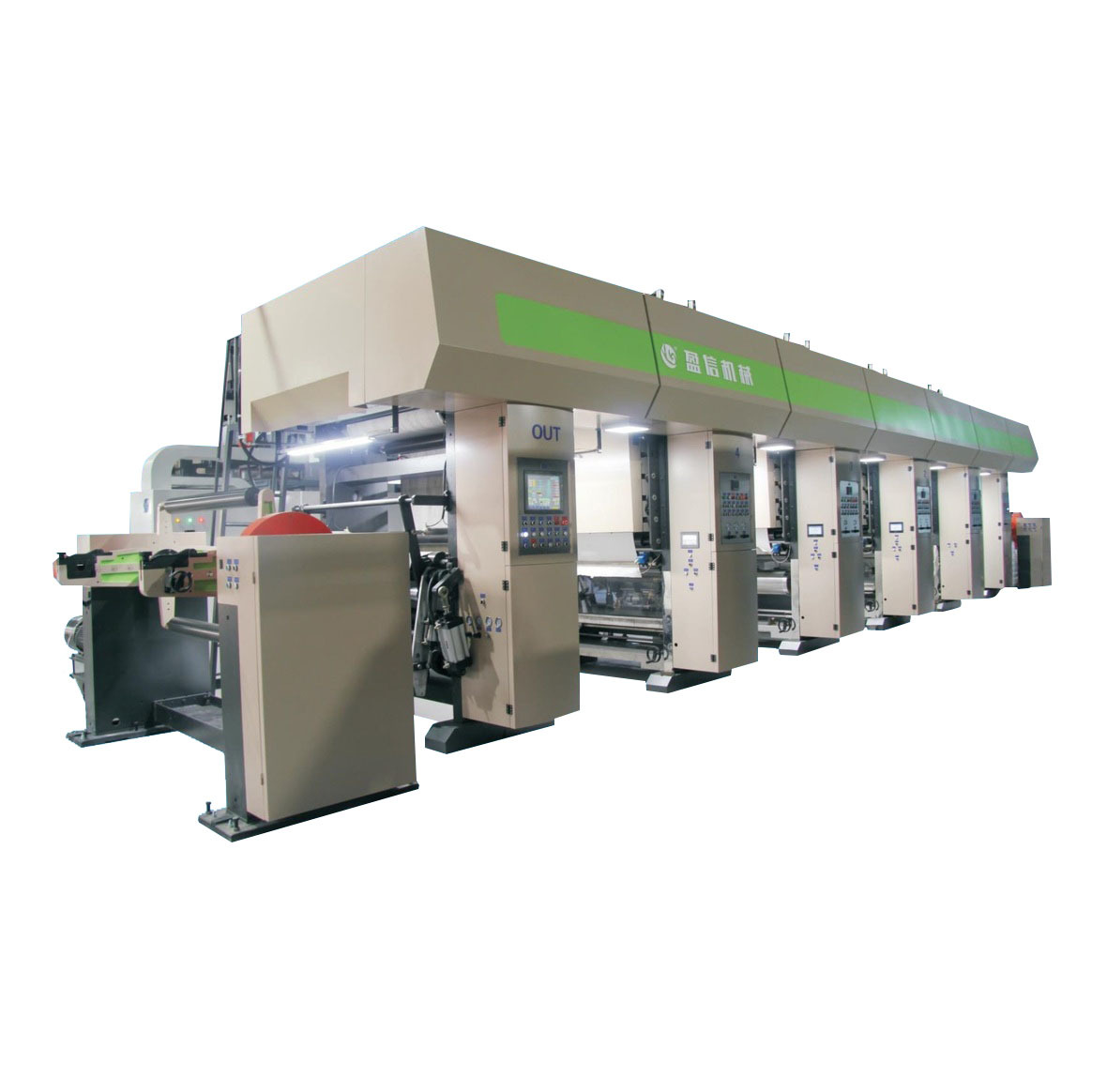
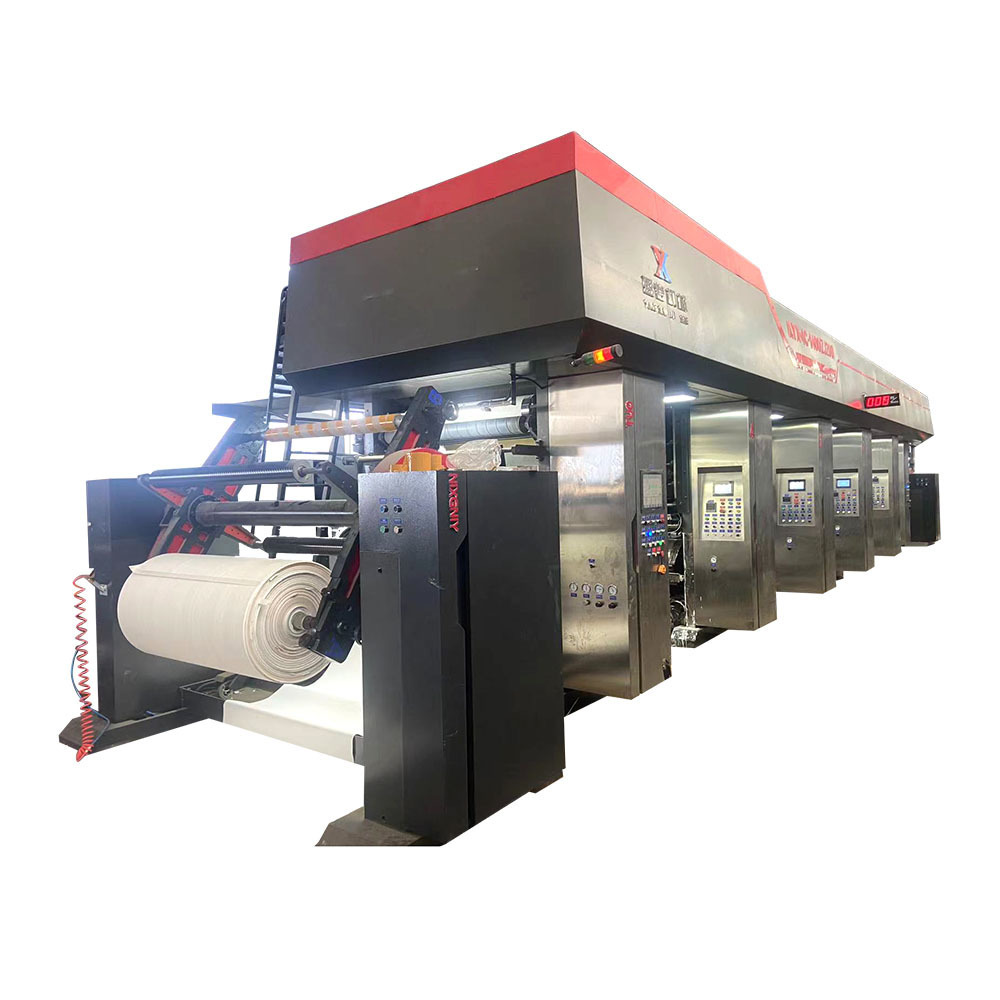
Best D.YX-4C-1400(ZJ200)Automatic gravure printing machine
message:Talk to an expert
WhatsApp:8618058732988
E-Mail:sales@yingxinmachinery.com
tel:+86-18058732988
Contact Us
1168 Jiuzhou Street, Linglong Street, Lin 'an District, Hangzhou City, Zhejiang Province
Mobile phone version
Copyright©Hangzhou Yingxin Machinery Co., Ltd.