

The Future of Printing: Innovations in Pattern Gravure Technology
The Future of Printing: Innovations in Pattern Gravure Technology Table of Contents 1. Introduction to Pattern Gravure Technology 2. Historical Overview of Gravure Printing 3. Current Trends in Pattern Gravure Technology 4. Technological Advancements Shaping the Industry 5. Sustainability Initiatives in Printing 6. The Impact of Innovations on Manufacturing Processes 7
The Future of Printing: Innovations in Pattern Gravure Technology
Table of Contents
- 1. Introduction to Pattern Gravure Technology
- 2. Historical Overview of Gravure Printing
- 3. Current Trends in Pattern Gravure Technology
- 4. Technological Advancements Shaping the Industry
- 5. Sustainability Initiatives in Printing
- 6. The Impact of Innovations on Manufacturing Processes
- 7. Case Studies: Successful Implementations
- 8. Future Prospects of Pattern Gravure Technology
- 9. Frequently Asked Questions
- 10. Conclusion
1. Introduction to Pattern Gravure Technology
Pattern gravure technology remains a dominant force within the printing industry. This sophisticated method, valued for its high-quality output and precision, is experiencing a notable transformation through recent innovations. As we delve into the future of printing, we will explore how pattern gravure technology is evolving and what that means for manufacturers, designers, and consumers alike.
2. Historical Overview of Gravure Printing
Gravure printing dates back to the late 19th century and has been integral in producing high-volume, high-quality printed materials. The key to its success lies in the intaglio printing process, where images are engraved onto a cylinder. This method allows for deep ink reservoirs, resulting in rich color saturation and detailed imagery. Over the decades, gravure printing has been perfected, leading to its application in various industries, including packaging, textiles, and publishing.
2.1 Evolution of Techniques
As technology advanced, gravure printing techniques evolved. From traditional hand-engraving methods to modern computer-assisted designs, the printing process has become more efficient. The introduction of laser engraving technology has taken precision to a new level, enabling intricate designs that were previously unattainable.
3. Current Trends in Pattern Gravure Technology
As we look towards the future, several trends are emerging within the realm of pattern gravure technology. These trends not only enhance the quality of printed materials but also improve profitability for manufacturers.
3.1 Digital Integration
The incorporation of digital technologies into gravure printing has facilitated faster turnaround times and reduced costs. Digital engraving allows for easy adjustments to designs, enabling rapid prototyping and shorter production runs. This integration is essential for meeting the demands of a fast-paced market where customization and quick delivery are crucial.
3.2 Advanced Ink Formulations
Innovations in ink formulations are also transforming gravure printing. The development of eco-friendly inks that maintain color vibrancy and adhesion offers a sustainable alternative to traditional solvents. These inks not only reduce environmental impact but also enhance the quality of the final printed product.
4. Technological Advancements Shaping the Industry
The landscape of pattern gravure technology is continuously evolving due to various technological advancements. As industries strive for efficiency and sustainability, understanding these advancements becomes paramount.
4.1 Flexible Printing Presses
Flexible printing presses offer manufacturers the versatility to switch between different printing techniques, including gravure, without extensive retooling. This adaptability is critical for companies looking to diversify their product offerings and respond to market changes swiftly.
4.2 Automation and Robotics
The rise of automation in the printing process has led to significant improvements in productivity. Automated systems for plate changing, ink mixing, and quality control reduce human error and streamline operations, allowing for higher output and consistency across production runs.
5. Sustainability Initiatives in Printing
As environmental concerns continue to grow, sustainability initiatives have become a focal point for the printing industry. Pattern gravure technology is no exception, with several strategies being implemented to minimize its ecological footprint.
5.1 Water-Based Inks
The transition to water-based inks is a significant step towards sustainability in gravure printing. These inks eliminate the need for harsh solvents, reducing volatile organic compounds (VOCs) emissions and improving workplace safety.
5.2 Energy Efficiency Improvements
Innovations in energy-efficient printing processes, such as LED curing technology, are drastically lowering energy consumption during production. This not only benefits the environment but also reduces operational costs for manufacturers.
6. The Impact of Innovations on Manufacturing Processes
Innovations in pattern gravure technology are reshaping manufacturing processes, resulting in various significant impacts.
6.1 Enhanced Production Speed
With advancements in technology, the speed of production has increased dramatically. Manufacturers can now achieve shorter lead times while maintaining high-quality standards, which is a critical competitive advantage in today’s market.
6.2 Cost Reduction
The adoption of new technologies and processes has led to reduced operational costs. Efficient use of resources, coupled with improved ink formulations and automated systems, allows manufacturers to lower expenses without compromising quality.
7. Case Studies: Successful Implementations
Examining real-world applications of pattern gravure technology reveals the tangible benefits of recent innovations.
7.1 Leading Packaging Company
A leading packaging company recently integrated digital engraving techniques within its gravure processes. This transition resulted in a 30% reduction in production time and a 25% decrease in material waste, showcasing the efficiency of modern technologies.
7.2 Eco-Conscious Printing Firm
Another case involves an eco-conscious printing firm that implemented water-based inks and energy-efficient curing systems. As a result, they not only improved their environmental footprint but also attracted a new segment of eco-aware clients, augmenting their market share significantly.
8. Future Prospects of Pattern Gravure Technology
As we look ahead, the future of pattern gravure technology appears bright. Innovations are expected to continue driving change within the industry.
8.1 Customization and Personalization
The demand for customized products is on the rise. Pattern gravure technology will likely evolve to accommodate smaller, personalized runs without sacrificing quality. This shift will enable manufacturers to cater to specific consumer preferences effectively.
8.2 Integration with Emerging Technologies
The integration of emerging technologies such as artificial intelligence and machine learning may revolutionize quality control and predictive maintenance in gravure printing. These advancements will enhance operational efficiency and help manufacturers stay competitive in a rapidly changing market.
9. Frequently Asked Questions
9.1 What is gravure printing?
Gravure printing is an intaglio printing process that uses engraved cylinders to transfer ink onto a substrate, producing high-quality images and designs.
9.2 How does pattern gravure technology differ from other printing methods?
Unlike methods such as offset printing, gravure printing allows for deeper ink penetration, resulting in richer colors and greater detail, especially for large-volume runs.
9.3 What are the environmental benefits of modern gravure printing?
Modern gravure printing techniques incorporate eco-friendly inks and energy-efficient processes, significantly reducing environmental impact compared to traditional methods.
9.4 Can gravure printing accommodate quick turnaround times?
Yes, innovations such as digital integration and automated processes enable gravure printing to meet the demands for quick turnaround times without compromising quality.
9.5 What is the future of gravure printing technology?
The future of gravure printing technology is expected to focus on customization, sustainability, and the integration of advanced technologies to improve efficiency and quality.
10. Conclusion
In conclusion, the advancements in pattern gravure technology continue to shape the future of printing. The industry is witnessing significant transformations driven by digital integration, eco-friendly practices, and innovative manufacturing processes. As these trends develop, manufacturers must adapt to remain competitive in an ever-evolving market. By embracing these innovations, the printing industry can ensure a bright, sustainable, and efficient future that meets the growing demands of consumers worldwide.
Tag:
Blog

The Future of Printing: Innovations in Pattern Gravure Technology

PRODUCT
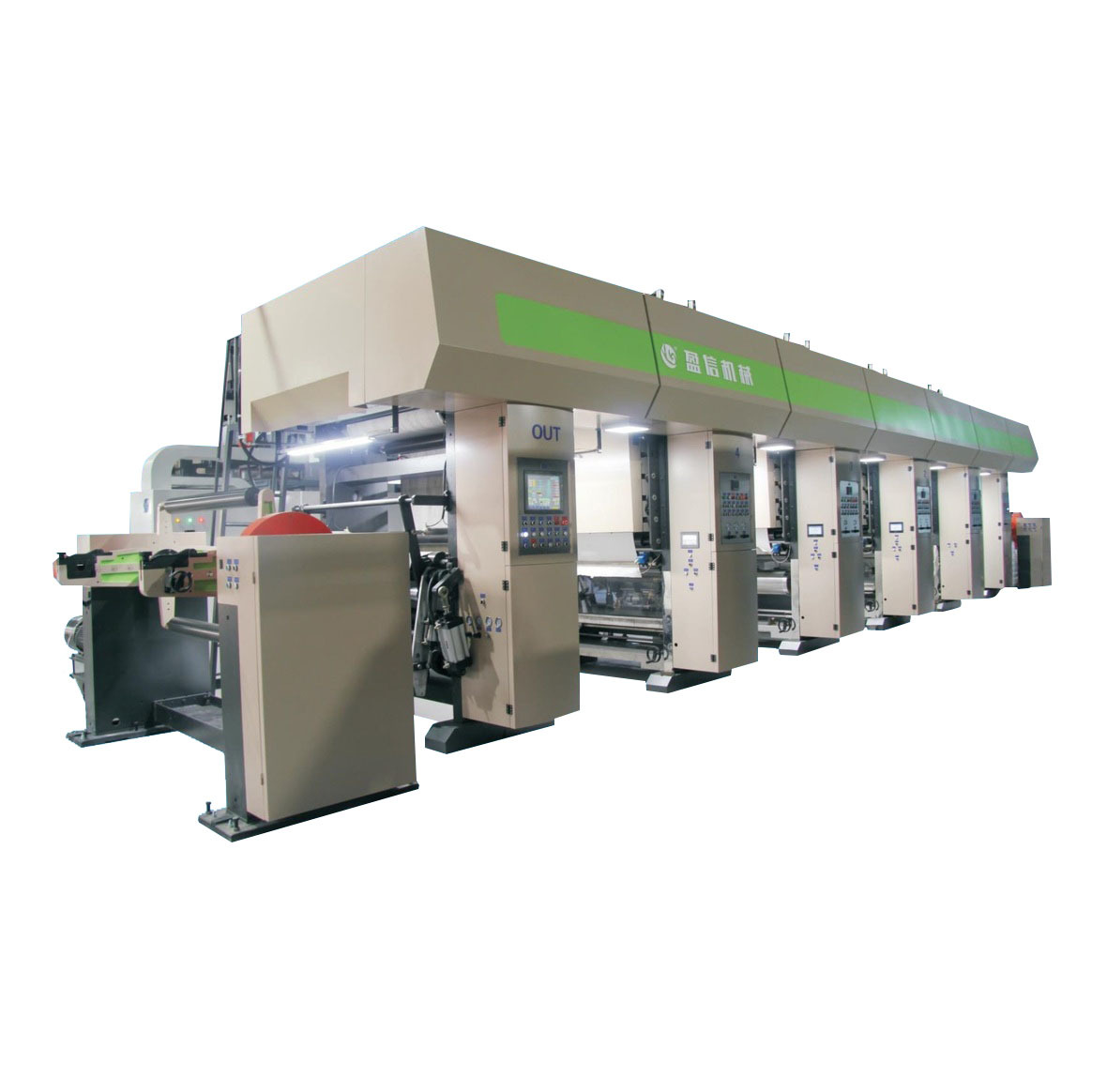
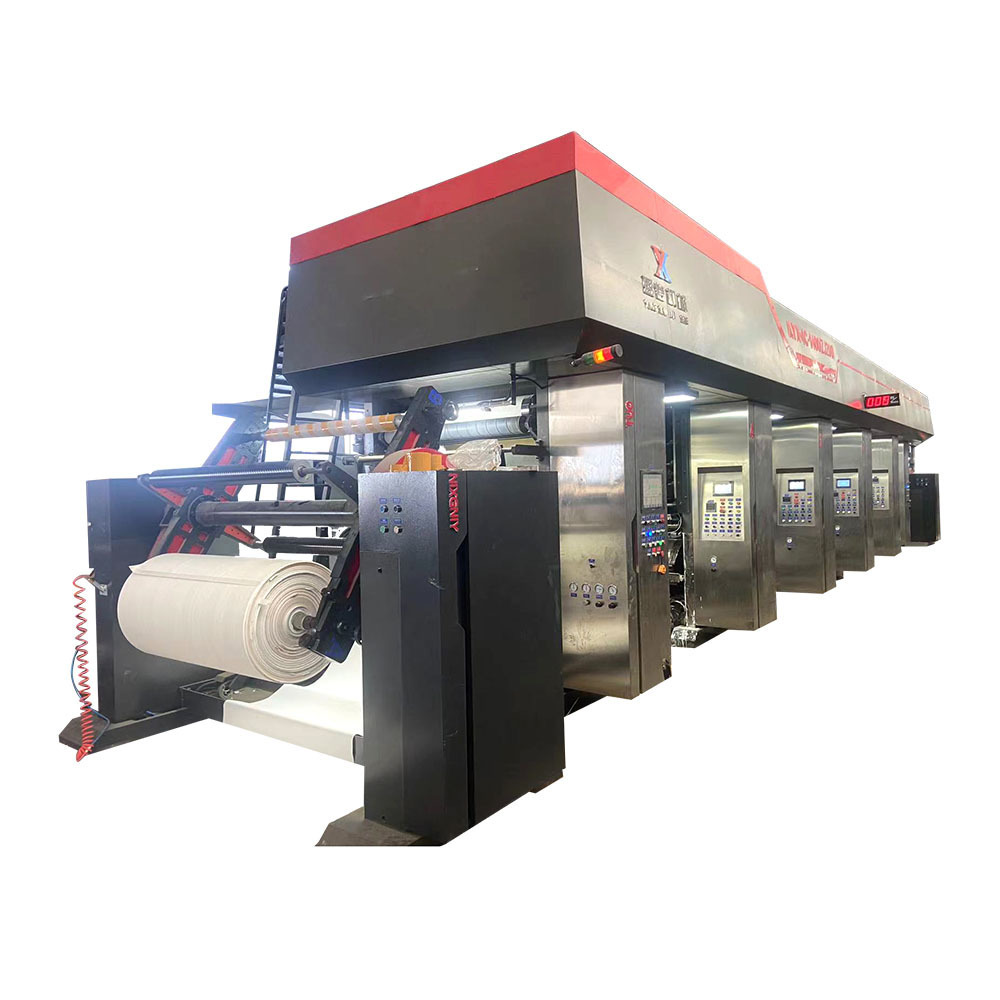
Best D.YX-4C-1400(ZJ200)Automatic gravure printing machine
message:Talk to an expert
WhatsApp:8618058732988
E-Mail:sales@yingxinmachinery.com
tel:+86-18058732988
Contact Us
1168 Jiuzhou Street, Linglong Street, Lin 'an District, Hangzhou City, Zhejiang Province
Mobile phone version
Copyright©Hangzhou Yingxin Machinery Co., Ltd.