

Maximizing Print Quality: Key Features of Modern PVC Gravure Printing Machines
Maximizing Print Quality: Key Features of Modern PVC Gravure Printing Machines Introduction to PVC Gravure Printing Machines In the world of printing, **PVC gravure printing machines** stand out for their ability to deliver unmatched print quality. These machines are highly regarded in various industries, including packaging, textiles, and labels. By understanding the **key features** that contr
Maximizing Print Quality: Key Features of Modern PVC Gravure Printing Machines
Introduction to PVC Gravure Printing Machines
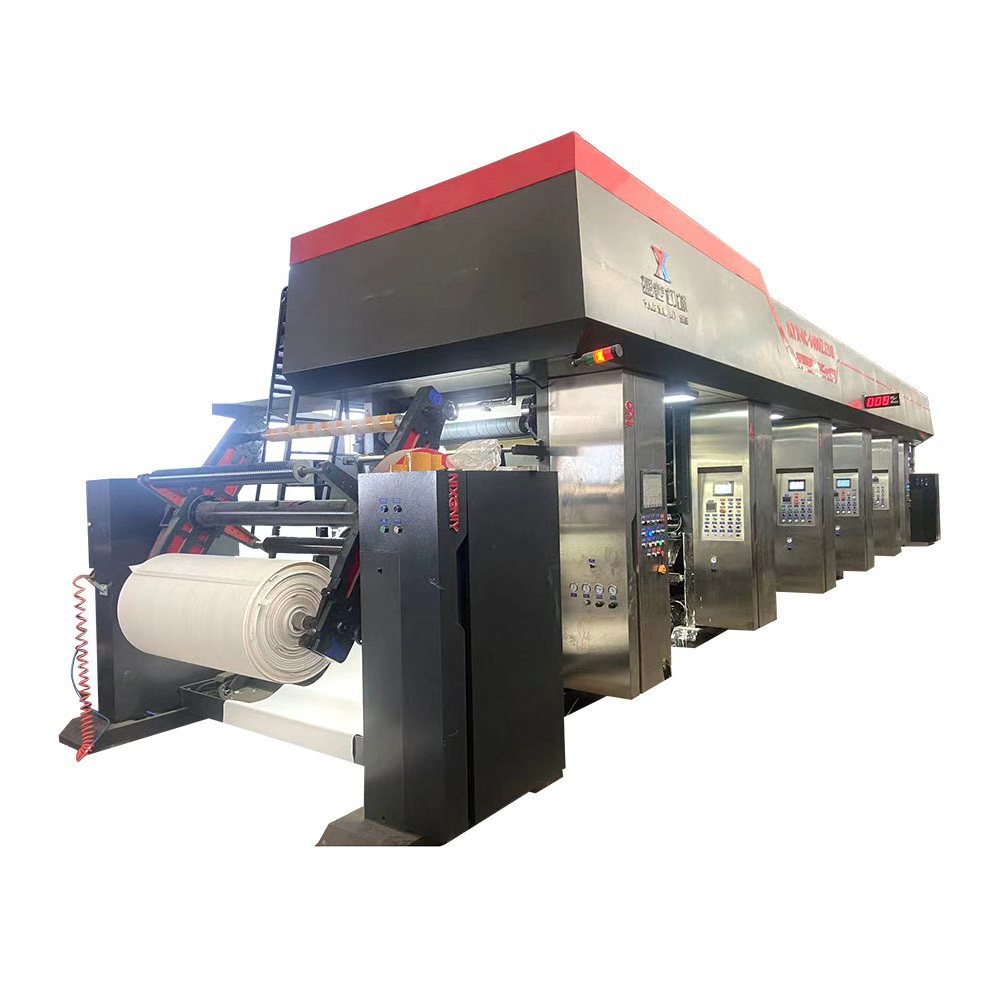
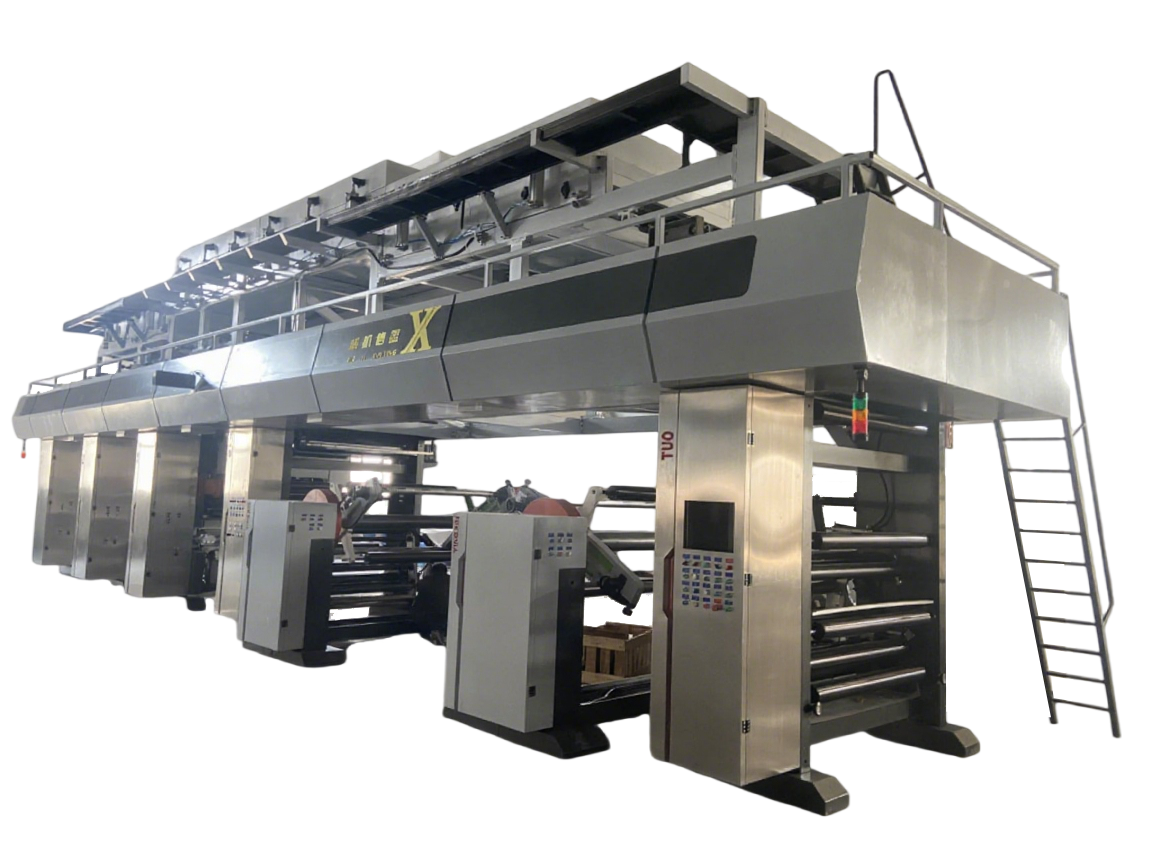
In the world of printing, **PVC gravure printing machines** stand out for their ability to deliver unmatched print quality. These machines are highly regarded in various industries, including packaging, textiles, and labels. By understanding the **key features** that contribute to their superior performance, businesses can make informed decisions when investing in printing technology. In this article, we’ll dive deep into the essential aspects of modern PVC gravure printing machines that maximize print quality and efficiency.
Table of Contents
- Understanding Gravure Printing Techniques
- Advantages of PVC Gravure Printing
- Key Features of Modern Gravure Printing Machines
- Advanced Printing Technology in Gravure Machines
- Ink and Substrate Considerations
- Automation and Operational Efficiencies
- Maintenance of Gravure Printing Machines
- Future Trends in Gravure Printing
- Frequently Asked Questions
- Conclusion
Understanding Gravure Printing Techniques
Gravure printing, also known as **intaglio printing**, is a high-speed printing process that utilizes a rotary printing system. This method involves engraving images onto a cylinder, which transfers the ink onto the substrate. The gravure process is particularly effective for producing high-quality images with vibrant colors and intricate details.
The essence of gravure printing lies in its ability to handle large volumes efficiently while maintaining consistent quality. As we explore modern PVC gravure printing machines, it’s crucial to understand the foundational techniques that allow these machines to excel in print quality.
Advantages of PVC Gravure Printing
PVC gravure printing offers several advantages that make it a preferred choice for many applications. These include:
High-Quality Output
The engraving process allows for **fine details** and **smooth gradients**, resulting in stunning print quality. The depth of the engraved cells can be adjusted to vary ink transfer, producing rich colors and sharp images.
Efficiency and Speed
Gravure printing machines are designed for high-speed production, making them ideal for long print runs. This efficiency helps reduce costs and turnaround times for businesses.
Versatility in Substrates
Modern PVC gravure printers can work with various substrates, including films, papers, and foils. This versatility enables businesses to meet diverse printing needs without compromising quality.
Cost-Effectiveness for Large Runs
While the initial setup costs can be higher than other printing methods, gravure printing is extremely cost-effective for large production runs. The low per-unit cost combined with high efficiency leads to significant savings.
Key Features of Modern Gravure Printing Machines
To maximize print quality, modern PVC gravure printing machines incorporate several innovative features that enhance performance. Understanding these features is vital for anyone looking to invest in gravure technology.
1. Advanced Cylinder Technology
Modern gravure machines utilize **high-precision engraved cylinders** that ensure consistent ink transfer. The ability to create fine details and multiple shades in a single pass significantly improves print quality.
2. Ink Control Systems
State-of-the-art ink control systems monitor and adjust ink flow in real-time, ensuring optimal coverage and minimizing waste. These systems help maintain uniformity across long print jobs, ensuring that every print meets the desired quality standards.
3. Integrated Web Tension Control
Maintaining consistent **web tension** is crucial for high-quality prints. Modern gravure printers feature integrated tension control systems that adjust automatically, preventing issues like ink smudging and misregistration.
4. Quick Changeover Mechanisms
Efficient changeover mechanisms reduce downtime when switching between jobs. Quick and easy access to components allows operators to switch cylinders and adjust settings swiftly, promoting productivity without sacrificing quality.
5. Intelligent Software Solutions
Modern gravure machines often come equipped with intelligent **software solutions** that facilitate pre-press processes. These software systems optimize print settings based on substrate and design, ensuring that the output meets specific requirements.
Advanced Printing Technology in Gravure Machines
Today's gravure printing machines are equipped with cutting-edge technology that enhances print quality and operational efficiency.
1. Digital Integration
The integration of **digital technology** allows for precise control over the printing process. Digital tools can analyze data in real-time, adjusting variables to optimize print quality as jobs progress.
2. Hybrid Printing Capabilities
Some modern gravure machines feature **hybrid printing capabilities**, enabling them to combine gravure with other printing methods like flexography or digital printing. This flexibility is essential for producing complex designs with varied textures and finishes.
3. High-Resolution Imaging
With advancements in imaging technology, modern gravure printers can offer **high-resolution printing** that competes with other printing methods. This capability allows businesses to produce detailed graphics and intricate designs.
4. Environmentally Friendly Solutions
As sustainability becomes increasingly important in the printing industry, many manufacturers are developing eco-friendly inks and substrates for gravure printing. This shift not only meets consumer demand but also enhances the overall print quality.
Ink and Substrate Considerations
The choice of ink and substrate significantly impacts the final print quality. Understanding the relationship between these elements is essential for optimal results.
1. Selecting the Right Ink
Different inks have various properties, such as viscosity and drying time. Selecting the appropriate ink formulation for the substrate being used is crucial to achieving the best color reproduction and durability.
2. Substrate Characteristics
Choosing the right substrate involves considering factors such as texture, thickness, and absorbency. Each substrate reacts differently with ink, and knowing these characteristics helps ensure optimal adhesion and print quality.
3. Surface Treatments
Applying surface treatments to substrates can enhance ink adhesion and improve the vibrancy of colors. Treatments such as corona treatment or primer application can significantly impact the final output.
Automation and Operational Efficiencies
Automation plays a vital role in enhancing the operational efficiency of PVC gravure printing machines.
1. Automated Setup Procedures
Modern machines often feature automated setup procedures, which minimize human error and reduce setup time. This automation contributes to higher consistency in print quality across runs.
2. Real-Time Monitoring Systems
With real-time monitoring, operators can track various parameters such as ink viscosity and web tension. These monitoring systems allow for immediate adjustments, ensuring that quality standards are met throughout the printing process.
3. Predictive Maintenance
Predictive maintenance technologies help identify potential issues before they become serious problems. By analyzing machine performance data, businesses can schedule maintenance proactively, reducing downtime and maintaining print quality.
Maintenance of Gravure Printing Machines
Regular maintenance is essential to ensure that gravure printing machines operate at peak performance and deliver high-quality prints.
1. Routine Cleaning and Inspection
Establishing a routine cleaning and inspection schedule helps prevent issues such as ink build-up or cylinder damage. Proper care extends the lifespan of the machine and maintains print quality.
2. Lubrication of Moving Parts
Regular lubrication of moving parts is crucial for smooth operation. Proper lubrication reduces friction and wear, ensuring that the machine runs efficiently and consistently.
3. Training for Operators
Investing in training for machine operators ensures that they understand the machinery and its maintenance needs. Well-trained operators can quickly identify issues and perform necessary adjustments to maintain quality.
Future Trends in Gravure Printing
As technology continues to evolve, several trends are shaping the future of PVC gravure printing.
1. Increased Customization
With advancements in digital technology, the ability to customize prints on demand is becoming more prevalent. This trend is likely to grow, as consumers increasingly seek personalized products.
2. Sustainability Initiatives
As environmental concerns rise, gravure printing will adapt to include more sustainable inks and substrates. Companies that prioritize sustainability will likely gain a competitive edge in the market.
3. Continuous Innovation
The gravure printing industry will continue to innovate, with manufacturers investing in developing faster, more efficient machines that can handle a wider range of substrates and inks.
Frequently Asked Questions
1. What is the primary advantage of gravure printing over other methods?
Gravure printing is known for its high-quality output, especially for long runs, due to its ability to maintain consistency and produce fine details.
2. How does ink selection affect print quality?
Ink selection directly influences color vibrancy, adhesion, and print durability. Using the correct ink for the substrate is crucial for optimal results.
3. Are modern gravure machines environmentally friendly?
Yes, many manufacturers are now producing eco-friendly inks and substrates to minimize the environmental impact of gravure printing.
4. What maintenance practices are essential for gravure printing machines?
Routine cleaning, lubrication, and operator training are critical maintenance practices that help ensure optimal performance and print quality.
5. How can automation improve gravure printing processes?
Automation enhances efficiency by reducing setup times, minimizing human error, and allowing for real-time monitoring of the printing process.
Conclusion
Maximizing print quality in PVC gravure printing machines involves understanding and leveraging the key features and technologies that drive performance. From advanced cylinder technology and ink control systems to automation and maintenance practices, each element plays a crucial role in achieving superior results. By investing in modern gravure printing solutions and adopting best practices, businesses can enhance their printing operations, satisfy customer demands, and remain competitive in an ever-evolving market.
Tag:
Blog

The Future of Printing: Innovations in Pattern Gravure Technology

PRODUCT
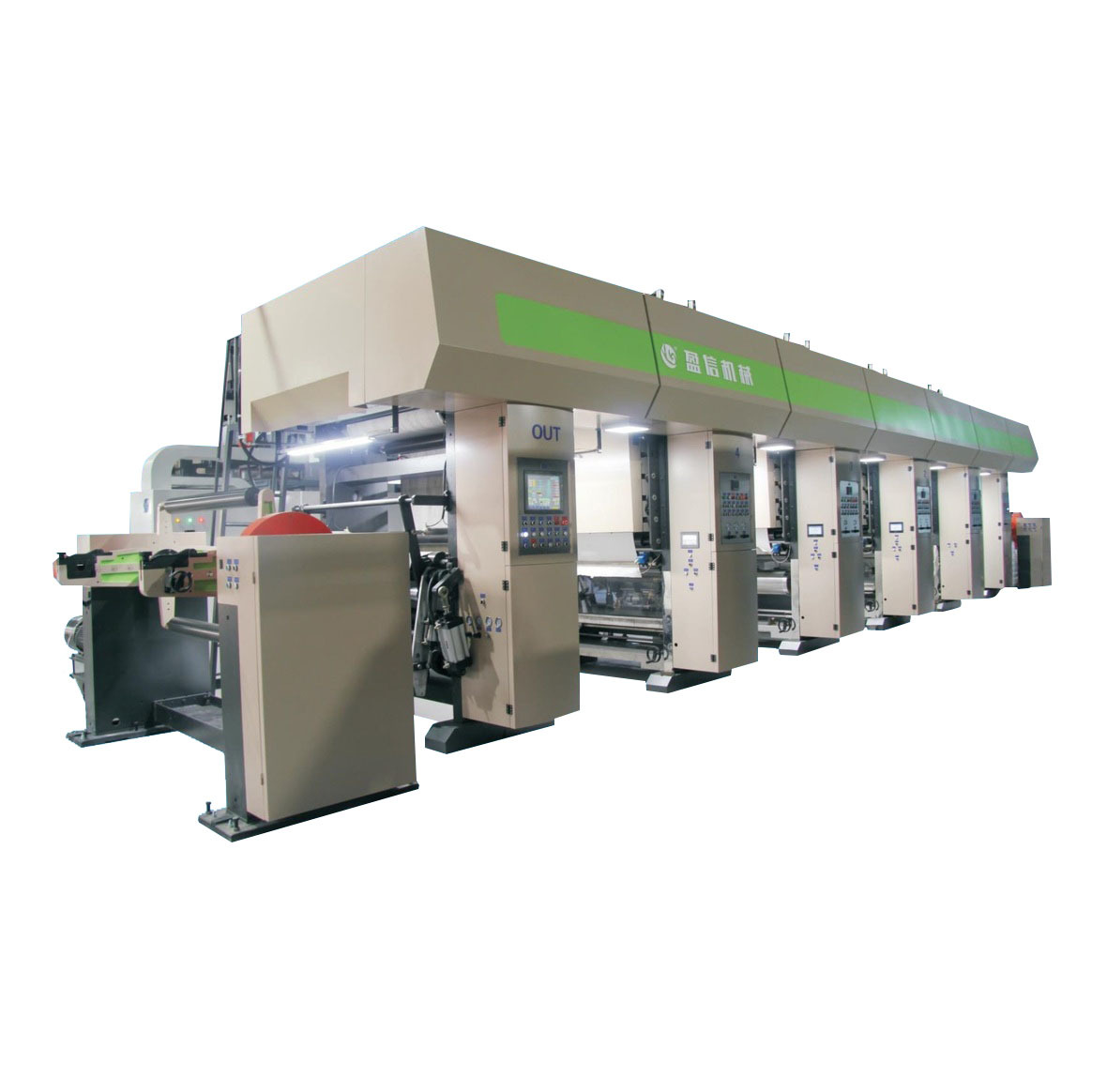
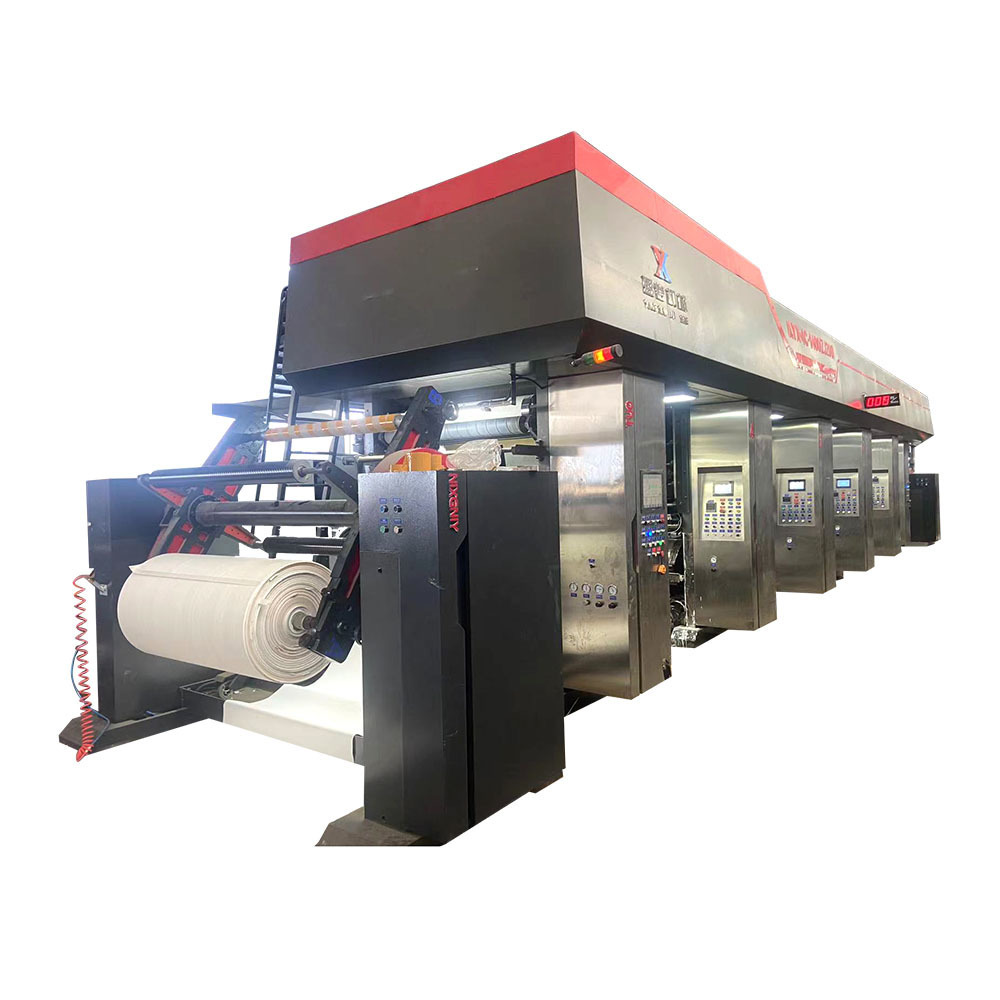
Best D.YX-4C-1400(ZJ200)Automatic gravure printing machine
message:Talk to an expert
WhatsApp:8618058732988
E-Mail:sales@yingxinmachinery.com
tel:+86-18058732988
Contact Us
1168 Jiuzhou Street, Linglong Street, Lin 'an District, Hangzhou City, Zhejiang Province
Mobile phone version
Copyright©Hangzhou Yingxin Machinery Co., Ltd.