

Unlocking Efficiency with Intelligent Gravure Printing Technology
Unlocking Efficiency with Intelligent Gravure Printing Technology Table of Contents Introduction to Intelligent Gravure Printing Technology What is Gravure Printing? The Benefits of Intelligent Gravure Printing How Intelligent Gravure Printing Works Automation and AI in Gravure Printing Ink and Materials Optimization Applications
Unlocking Efficiency with Intelligent Gravure Printing Technology
Table of Contents
- Introduction to Intelligent Gravure Printing Technology
- What is Gravure Printing?
- The Benefits of Intelligent Gravure Printing
- How Intelligent Gravure Printing Works
- Applications of Intelligent Gravure Printing
- The Future of Gravure Printing Technology
- Challenges and Solutions in Intelligent Gravure Printing
- FAQs about Intelligent Gravure Printing Technology
- Conclusion
Introduction to Intelligent Gravure Printing Technology
In today's fast-paced manufacturing landscape, efficiency and quality are paramount. **Intelligent gravure printing technology** offers a cutting-edge solution that combines speed, precision, and adaptability. This article delves into the intricacies of this advanced printing method, exploring its definition, benefits, and future applications. By understanding how intelligent gravure printing works, businesses can enhance their operational efficiency, reduce waste, and stay competitive in an increasingly digital world.
What is Gravure Printing?
Gravure printing is a high-speed, long-run printing process known for its exceptional image quality and ability to reproduce fine details. Unlike traditional printing methods that use plates, gravure employs engraved cylinders to transfer ink onto various substrates. It is favored for its versatility in printing on different materials, including paper, plastic, and metal foil.
The Principles of Gravure Printing
The gravure printing process starts with the creation of a cylinder that features a series of tiny wells. These wells are filled with ink, which is then transferred to the substrate as the cylinder rotates. The pressure applied during this transfer ensures a crisp and vibrant print. **Gravure printing** is often used for large-volume projects due to its efficiency and cost-effectiveness.
The Benefits of Intelligent Gravure Printing
Investing in intelligent gravure printing technology comes with numerous advantages:
1. Enhanced Productivity
Intelligent gravure systems are designed to optimize the printing process, significantly reducing downtime and increasing output. Automation features enable quick changeovers between jobs, ensuring that production lines remain efficient.
2. Superior Print Quality
With advanced control mechanisms, intelligent gravure printing guarantees consistent quality across large volumes. This is particularly important in industries where brand image relies on visual appeal, such as packaging and advertising.
3. Waste Reduction
Intelligent systems minimize waste by precisely controlling ink distribution and reducing errors during the printing process. This not only saves resources but also leads to lower production costs.
4. Flexibility and Customization
This technology allows for easy adjustments, enabling manufacturers to cater to specific client needs or seasonal trends. The adaptability of intelligent gravure printing makes it suitable for a wide range of applications.
How Intelligent Gravure Printing Works
The integration of technology into gravure printing has ushered in a new era of efficiency. Let’s explore the key components that define this intelligent system.
Automation and AI in Gravure Printing
Artificial intelligence plays a pivotal role in modern gravure printing. It allows for real-time monitoring and adjustments throughout the printing process. AI-driven analytics can predict potential issues before they occur, significantly enhancing operational reliability.
Automated Quality Control
Intelligent gravure systems employ advanced sensors to monitor print quality continuously. These sensors can detect inconsistencies in ink density or registration, prompting immediate adjustments to maintain high standards.
Ink and Materials Optimization
Intelligent gravure printing technology utilizes data analytics to optimize ink formulations and substrate compatibility. This ensures that the right materials are used for each job, reducing costs and enhancing print quality.
Applications of Intelligent Gravure Printing
The versatility of intelligent gravure printing technology makes it applicable across various industries.
In the Packaging Industry
Packaging is one of the largest markets for gravure printing. The ability to print high-quality graphics on flexible packaging materials makes it the preferred choice for food, beverage, and consumer goods.
Case Study: Food Packaging
The food industry relies heavily on attractive packaging to catch consumer attention. Intelligent gravure printing enables manufacturers to create eye-catching designs while adhering to strict safety regulations.
In Publishing and Labels
Gravure printing is also extensively used in the publishing and labels sector. Its capacity for high-volume printing at superior quality makes it ideal for magazines, catalogs, and product labels.
Case Study: Magazine Publishing
Many leading magazines utilize intelligent gravure printing to maintain their quality standards. The process allows for vibrant colors and intricate designs, enhancing the reader’s experience.
The Future of Gravure Printing Technology
As technology continues to advance, the future of intelligent gravure printing looks promising. Innovations in eco-friendly inks and substrates are on the rise, catering to the growing demand for sustainable practices in manufacturing.
Emerging Technologies
The integration of blockchain for supply chain transparency and enhanced cybersecurity in printing operations signifies a major leap forward. These technologies ensure that the gravure printing process remains secure and accountable, which is vital in today’s digital age.
Challenges and Solutions in Intelligent Gravure Printing
While intelligent gravure printing offers numerous benefits, it is not without challenges.
1. Initial Investment Costs
The transition to intelligent systems requires significant upfront investment in technology and training. Companies must weigh the long-term benefits against these costs.
2. Skilled Labor Shortage
The complexity of intelligent systems necessitates operators with advanced skills. Industry stakeholders must invest in training programs to upskill the workforce.
3. Maintaining Quality Control
As printing technology evolves, maintaining consistent quality can be challenging. Implementing rigorous quality control measures and utilizing AI can help mitigate these issues.
FAQs about Intelligent Gravure Printing Technology
1. What is the main difference between traditional and intelligent gravure printing?
Intelligent gravure printing incorporates advanced technologies like AI and automation, enhancing efficiency, quality, and flexibility compared to traditional methods.
2. How does intelligent gravure printing reduce waste?
By optimizing ink distribution and minimizing errors, intelligent gravure printing significantly lowers the amount of waste produced during the printing process.
3. Can intelligent gravure printing be used for short runs?
While gravure printing is typically suited for long runs, intelligent systems allow for quicker changeovers, making it more feasible for shorter projects.
4. Is intelligent gravure printing more expensive than traditional printing methods?
The initial investment may be higher, but the long-term benefits of efficiency and waste reduction can lead to cost savings in the long run.
5. What industries benefit the most from intelligent gravure printing?
Industries such as packaging, publishing, and labels benefit significantly from the speed, quality, and versatility of intelligent gravure printing technology.
Conclusion
**Intelligent gravure printing technology** is transforming the landscape of manufacturing and printing. By enhancing productivity, reducing waste, and ensuring superior quality, it stands out as a pivotal advancement in the industry. As technology continues to evolve, the potential for intelligent gravure printing to reshape various sectors remains immense. For businesses looking to maintain a competitive edge, embracing this innovative approach is not just an option; it is a necessity.
Tag:
Blog

The Future of Printing: Innovations in Pattern Gravure Technology

PRODUCT
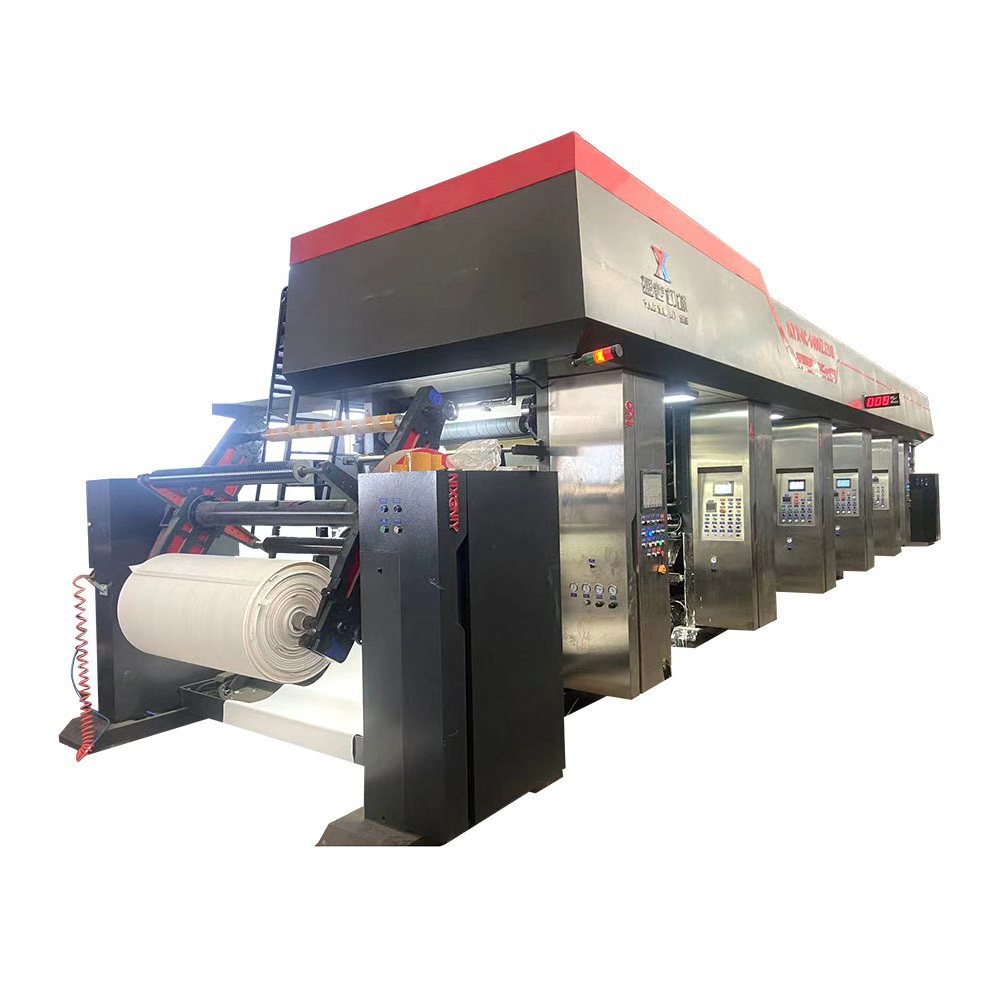
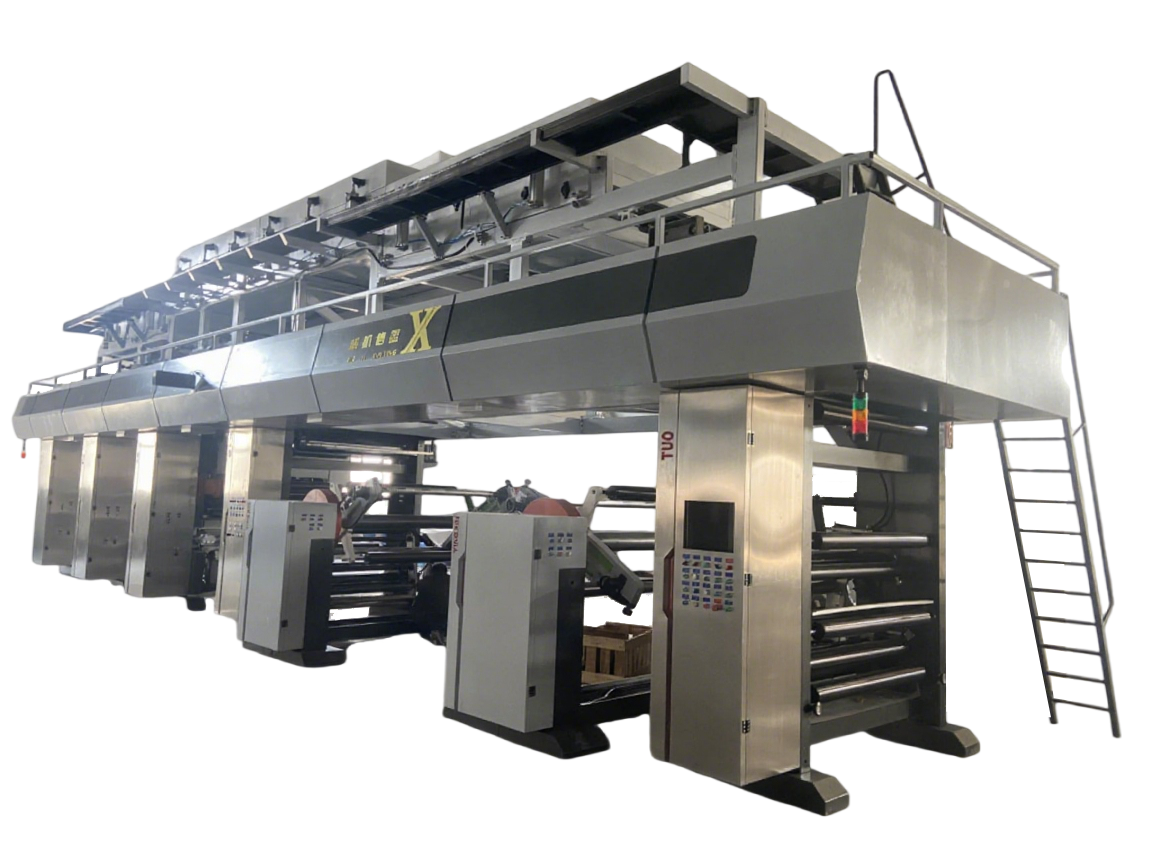
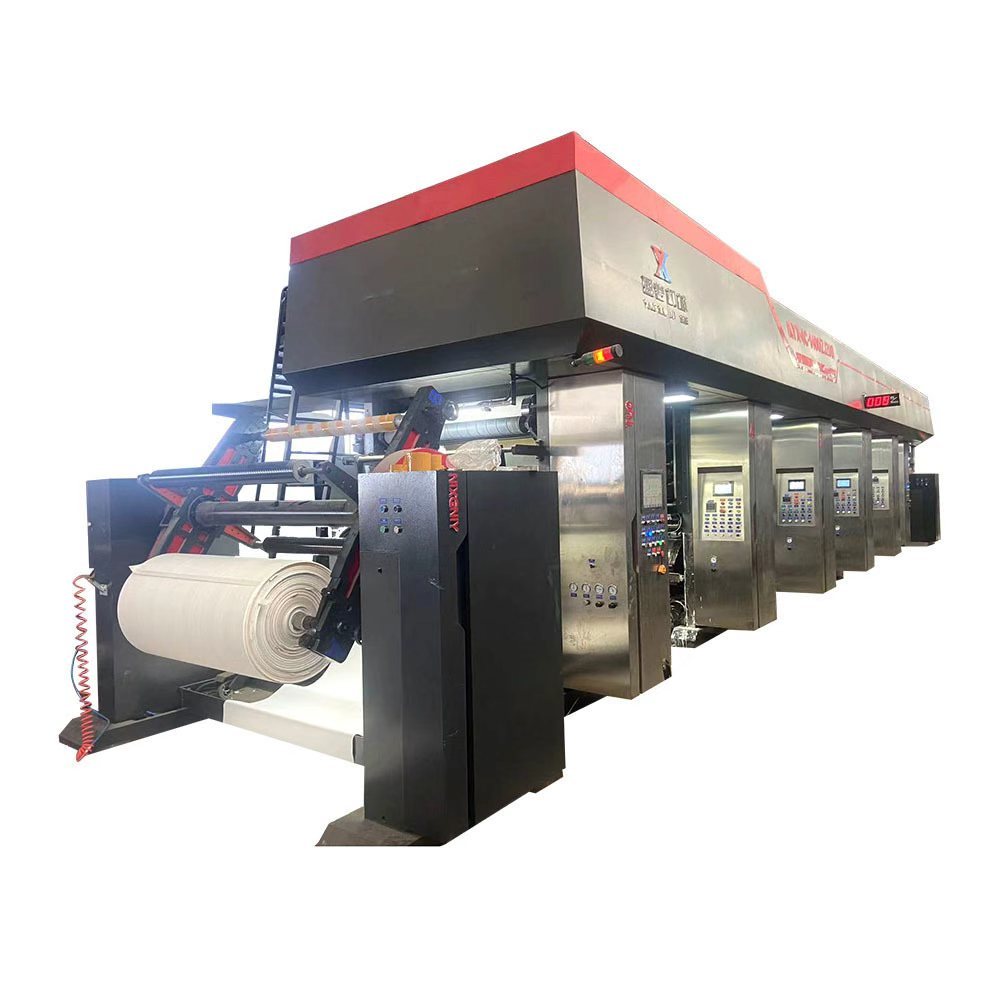
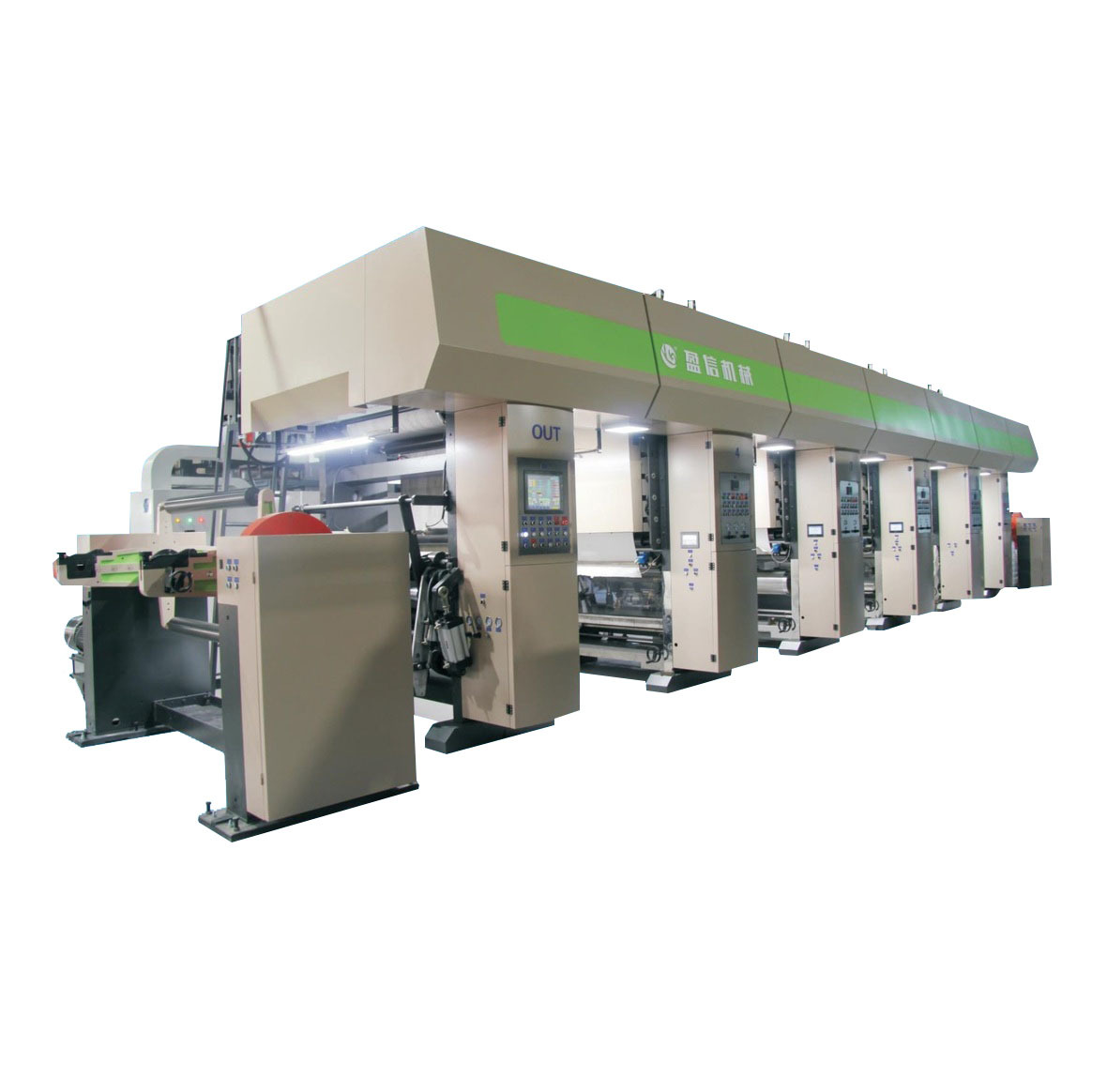
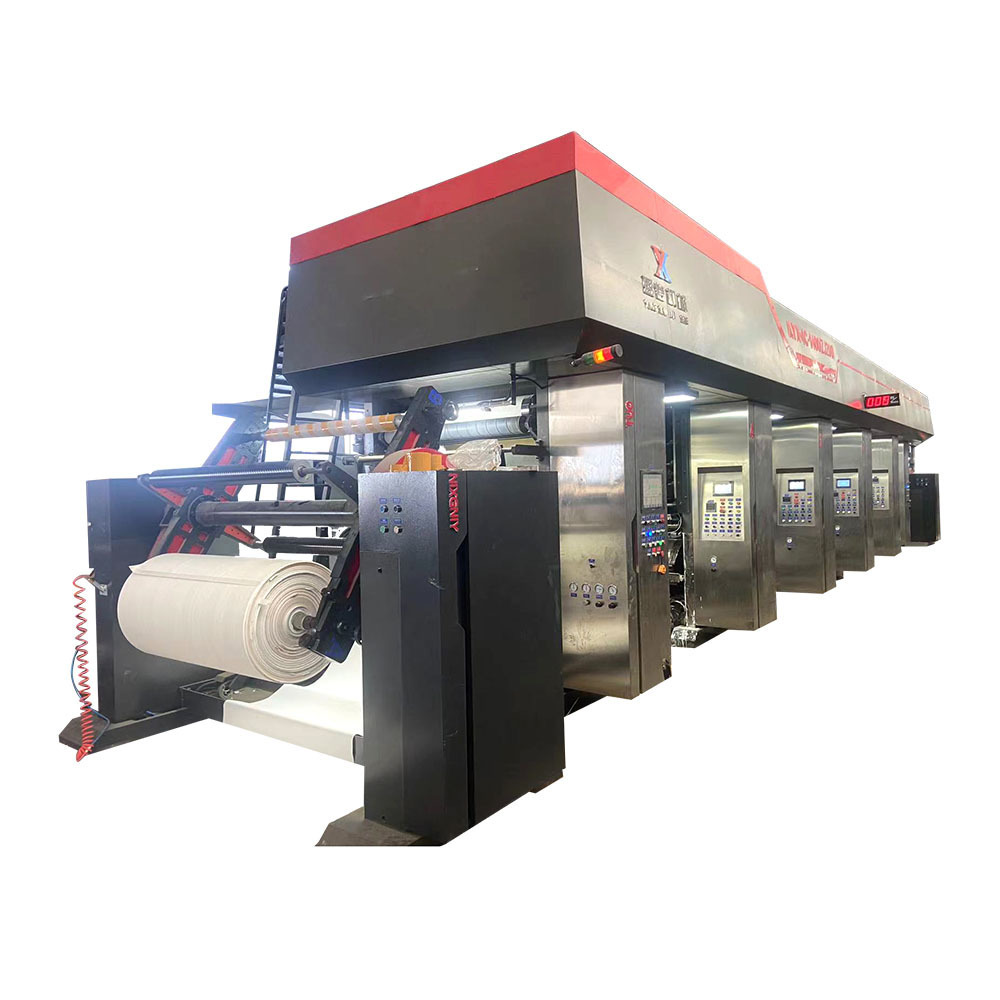
Best D.YX-4C-1400(ZJ200)Automatic gravure printing machine
message:Talk to an expert
WhatsApp:8618058732988
E-Mail:sales@yingxinmachinery.com
tel:+86-18058732988
Contact Us
1168 Jiuzhou Street, Linglong Street, Lin 'an District, Hangzhou City, Zhejiang Province
Mobile phone version
Copyright©Hangzhou Yingxin Machinery Co., Ltd.