

Exploring the Cutting-Edge Technology Behind Film Rotogravure Printing Machines
Exploring the Cutting-Edge Technology Behind Film Rotogravure Printing Machines Table of Contents 1. Introduction to Film Rotogravure Printing Machines 2. What Is Rotogravure Printing? 3. The Mechanism of Rotogravure Printing Machines 4. Key Components of a Rotogravure Press 5. Benefits of Rotogravure Printing Technology 6. Applications of Film Rotogravure Printing 7. Challenges and
Exploring the Cutting-Edge Technology Behind Film Rotogravure Printing Machines
Table of Contents
- 1. Introduction to Film Rotogravure Printing Machines
- 2. What Is Rotogravure Printing?
- 3. The Mechanism of Rotogravure Printing Machines
- 4. Key Components of a Rotogravure Press
- 5. Benefits of Rotogravure Printing Technology
- 6. Applications of Film Rotogravure Printing
- 7. Challenges and Limitations of Rotogravure Printing
- 8. The Future of Rotogravure Printing Technology
- 9. Frequently Asked Questions
- 10. Conclusion
1. Introduction to Film Rotogravure Printing Machines
Film rotogravure printing machines represent a pinnacle in printing technology, offering exceptional quality and efficiency. These machines are designed to print high-volume, high-quality images on a variety of substrates, making them indispensable in industries such as packaging, textiles, and decorative printing. By understanding the technology behind these machines, we can appreciate their impact on modern printing processes and their role in delivering superior print results.
2. What Is Rotogravure Printing?
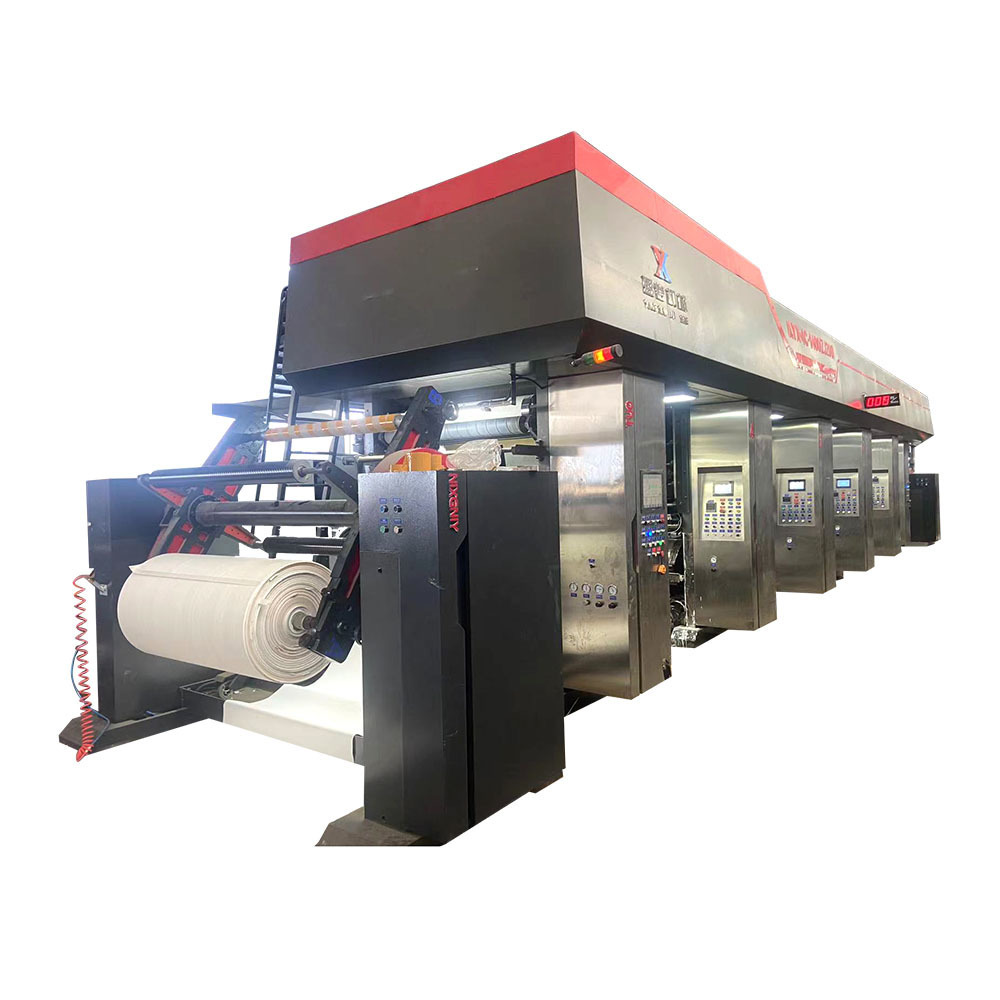
Rotogravure printing, often referred to as gravure printing, is a high-speed, high-quality printing technique that utilizes engraved cylinders to transfer ink onto a substrate. Unlike traditional printing methods that use plates, gravure relies on a cylinder that has tiny cells engraved into its surface. These cells hold the ink, and as the cylinder rotates, the ink is transferred to the substrate, creating vibrant and detailed images.
This method is known for its ability to produce consistent color quality over long print runs, making it ideal for packaging materials, magazines, and other printed products that require precise detail and color fidelity.
3. The Mechanism of Rotogravure Printing Machines
The operation of film rotogravure printing machines involves several key steps that work in harmony to produce high-quality prints. The process begins with the preparation of the engraved cylinder, which is coated with ink. The cylinder then rotates, passing through a series of rollers that help remove excess ink, ensuring only the ink within the engraved cells is transferred to the substrate.
The substrate is then fed through the machine, where it comes into contact with the rotating cylinder. The pressure applied during this contact determines the amount of ink transferred, allowing for adjustments in print quality. After the ink is applied, the printed substrate moves through a drying section, where heat is applied to evaporate any remaining solvents, ensuring quick drying times and preventing smudging.
4. Key Components of a Rotogravure Press
Understanding the components of a rotogravure press is crucial for appreciating its functionality. The following are the main components that make up a film rotogravure printing machine:
4.1 Engraved Cylinder
The engraved cylinder is the heart of the rotogravure process. It is usually made of copper or chrome and is engraved with microscopic cells that hold the ink.
4.2 Ink Fountain
The ink fountain stores the ink and delivers it to the engraved cylinder. It is equipped with a doctor blade that controls the amount of ink applied to the cylinder.
4.3 Substrate Feed and Delivery System
This component is responsible for feeding the substrate into the machine and delivering the finished printed product. It ensures smooth operation and consistent alignment.
4.4 Drying Unit
The drying unit is essential for removing moisture from the printed substrate. It typically uses hot air or infrared lamps to achieve rapid drying, which is crucial for maintaining print quality.
4.5 Control Panel
Modern rotogravure printing machines come equipped with sophisticated control panels that allow operators to monitor and adjust various parameters, including ink viscosity, speed, and tension.
5. Benefits of Rotogravure Printing Technology
Film rotogravure printing machines offer a range of benefits that make them a preferred choice for many printing applications. Some of the key advantages include:
5.1 High Print Quality
Gravure printing produces sharp images with vibrant colors, making it suitable for high-quality packaging and publications.
5.2 Consistency Over Long Runs
Once set up, rotogravure machines can maintain consistent quality over long print runs, reducing variations and ensuring uniformity across products.
5.3 Versatility
These machines can print on a wide range of substrates, including plastic films, paper, and metallic materials, making them highly versatile.
5.4 Cost-Effective for Large Volumes
While initial setup costs can be high due to cylinder engraving, gravure printing becomes cost-effective for large print runs, significantly reducing the cost per unit.
5.5 Fast Production Speeds
Film rotogravure printing machines operate at high speeds, allowing for rapid production and meeting tight deadlines.
6. Applications of Film Rotogravure Printing
The versatility of film rotogravure printing machines enables their use across various industries. Some of the common applications include:
6.1 Flexible Packaging
Rotogravure printing is widely used for flexible packaging materials, including bags, pouches, and wrappers, where high-quality graphics and durability are essential.
6.2 Labels and Tags
The technology is ideal for printing labels and tags, providing excellent color reproduction and detail, which enhances branding and product information.
6.3 Wallpaper and Decorative Printing
Rotogravure printing is also utilized in producing wallpaper and decorative materials, where intricate designs and vibrant colors are paramount.
6.4 Publications and Magazines
In the publishing industry, gravure printing is used for magazines and catalogs that require high-quality images and fast production times.
6.5 Security Printing
Rotogravure printing is employed in security printing applications, such as banknotes and identification documents, due to the ability to produce fine details that are difficult to replicate.
7. Challenges and Limitations of Rotogravure Printing
Despite its advantages, film rotogravure printing also faces several challenges:
7.1 High Initial Setup Costs
The cost of engraving cylinders can be significant, which may deter small businesses from investing in this technology.
7.2 Limited Flexibility for Short Runs
Gravure printing is less cost-effective for short print runs compared to other methods like digital printing, which may be more suitable for smaller quantities.
7.3 Environmental Concerns
The use of solvents in gravure printing can raise environmental concerns, prompting the industry to seek more sustainable practices and materials.
7.4 Equipment Maintenance
Regular maintenance and calibration of the machinery are essential to uphold print quality, which may incur additional operational costs.
8. The Future of Rotogravure Printing Technology
The future of film rotogravure printing is poised for innovation, driven by advancements in technology and changing market demands. Key trends that are shaping its future include:
8.1 Digital Integration
The integration of digital technology into rotogravure printing is expected to enhance efficiency and flexibility, allowing for adjustments in print runs without the need for extensive retooling.
8.2 Eco-Friendly Practices
The industry is increasingly focusing on sustainable practices, including the use of eco-friendly inks and substrates, which can help reduce the environmental impact of printing.
8.3 Automation and Smart Technology
Automation features are making rotogravure printing machines smarter, improving operational efficiency and reducing human error in the printing process.
8.4 Customization Capabilities
As personalization becomes more prevalent in consumer products, rotogravure technology is evolving to offer more customization options, catering to specific customer needs.
9. Frequently Asked Questions
9.1 What is the difference between rotogravure and flexographic printing?
Rotogravure printing uses engraved cylinders, while flexographic printing utilizes flexible plates. Gravure is generally preferred for high-quality images, whereas flexography is used for a wide range of applications.
9.2 How long does it take to set up a rotogravure printing run?
Setup time can vary but typically requires several hours to prepare the engraved cylinder and calibrate the machine for the specific job.
9.3 Can rotogravure printing be used for small print runs?
While technically possible, gravure printing is less cost-effective for small print runs. Digital printing may be more suitable for such requirements.
9.4 What types of substrates can be used with rotogravure printing?
Rotogravure printing can be used on various substrates, including plastic films, paper, aluminum foil, and more.
9.5 What is the lifespan of engraved cylinders?
The lifespan of engraved cylinders can vary based on usage and maintenance but typically lasts for several thousand impressions before needing to be re-engraved.
10. Conclusion
Film rotogravure printing machines represent a significant advancement in the printing industry, merging technology with artistry to deliver high-quality results. With their ability to produce vibrant, detailed images on a wide variety of substrates, they have become an essential tool in various sectors, from packaging to publishing. As innovations continue to shape the future of this technology, film rotogravure printing will likely remain a cornerstone of high-quality printing solutions, adapting to meet the evolving demands of the market while maintaining its reputation for excellence.
Tag:
Blog

The Future of Printing: Innovations in Pattern Gravure Technology

PRODUCT
Best D.YX-4C-1400(ZJ200)Automatic gravure printing machine
message:Talk to an expert
WhatsApp:8618058732988
E-Mail:sales@yingxinmachinery.com
tel:+86-18058732988
Contact Us
1168 Jiuzhou Street, Linglong Street, Lin 'an District, Hangzhou City, Zhejiang Province
Mobile phone version
Copyright©Hangzhou Yingxin Machinery Co., Ltd.