

The Future of Printing: Exploring the Advantages of PVC Gravure Technology in Manufacturing
The Future of Printing: Benefits of PVC Gravure Technology in Manufacturing Table of Contents 1. Introduction to PVC Gravure Technology 2. Understanding Gravure Printing: How It Works 3. Advantages of PVC Gravure Technology 3.1 High Print Quality 3.2 Increased Efficiency 3.3 Cost-Effectiveness in Production 4. Applications of P
The Future of Printing: Benefits of PVC Gravure Technology in Manufacturing
Table of Contents
- 1. Introduction to PVC Gravure Technology
- 2. Understanding Gravure Printing: How It Works
- 3. Advantages of PVC Gravure Technology
- 4. Applications of PVC Gravure Technology in Various Industries
- 5. Sustainability and Environmental Impact
- 6. Future Trends in PVC Gravure Technology
- 7. Challenges in PVC Gravure Technology Adoption
- 8. Frequently Asked Questions
- 9. Conclusion
1. Introduction to PVC Gravure Technology
PVC gravure technology represents a significant advancement in the printing landscape, particularly within manufacturing. This method utilizes engraved cylinders to transfer ink onto various substrates, providing a precision that traditional printing techniques struggle to achieve. As the manufacturing industry continues to evolve, embracing such advancements is crucial for staying competitive and meeting consumer demands.
The future of printing is not just about speed and efficiency; it also encompasses quality and innovation. PVC gravure technology exemplifies this shift, addressing the need for high-quality prints that resonate with today's consumers. In this article, we will explore the various benefits of PVC gravure technology and its significance in the manufacturing sector, ensuring that businesses are well-equipped to leverage this innovative approach.
2. Understanding Gravure Printing: How It Works
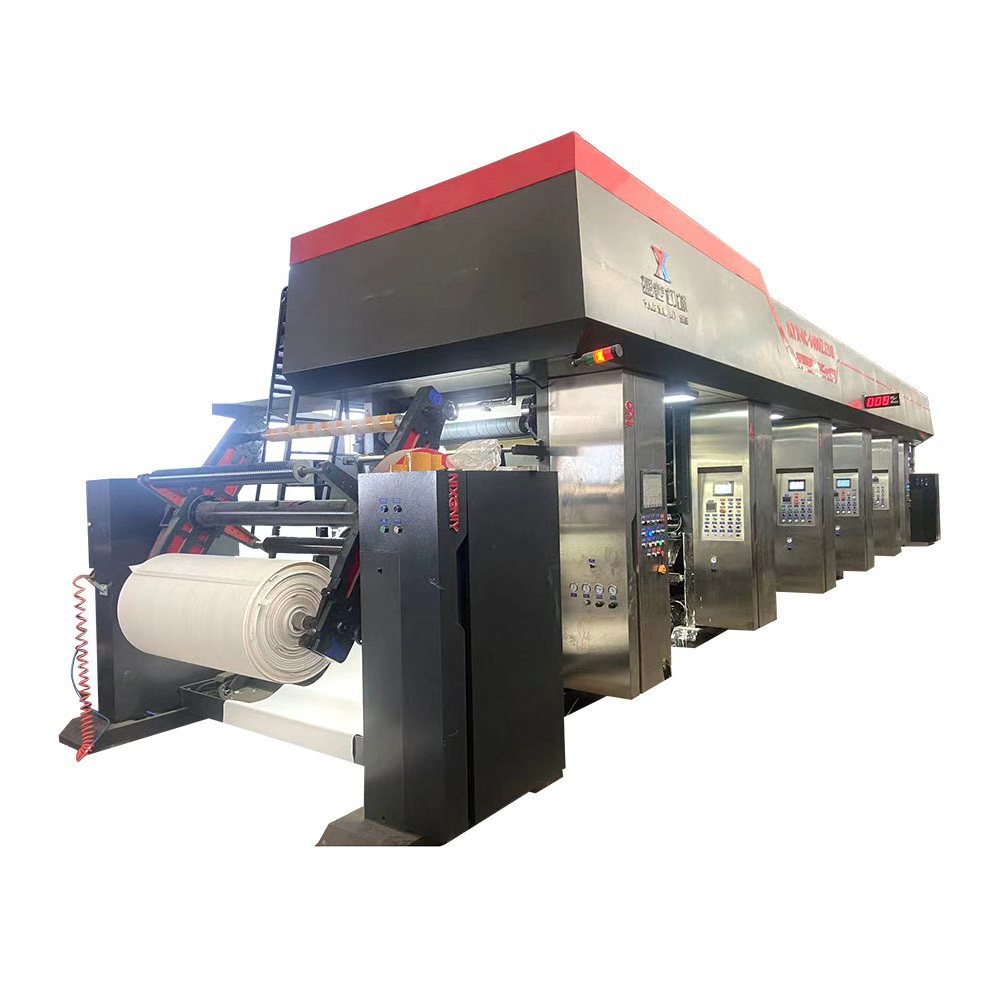
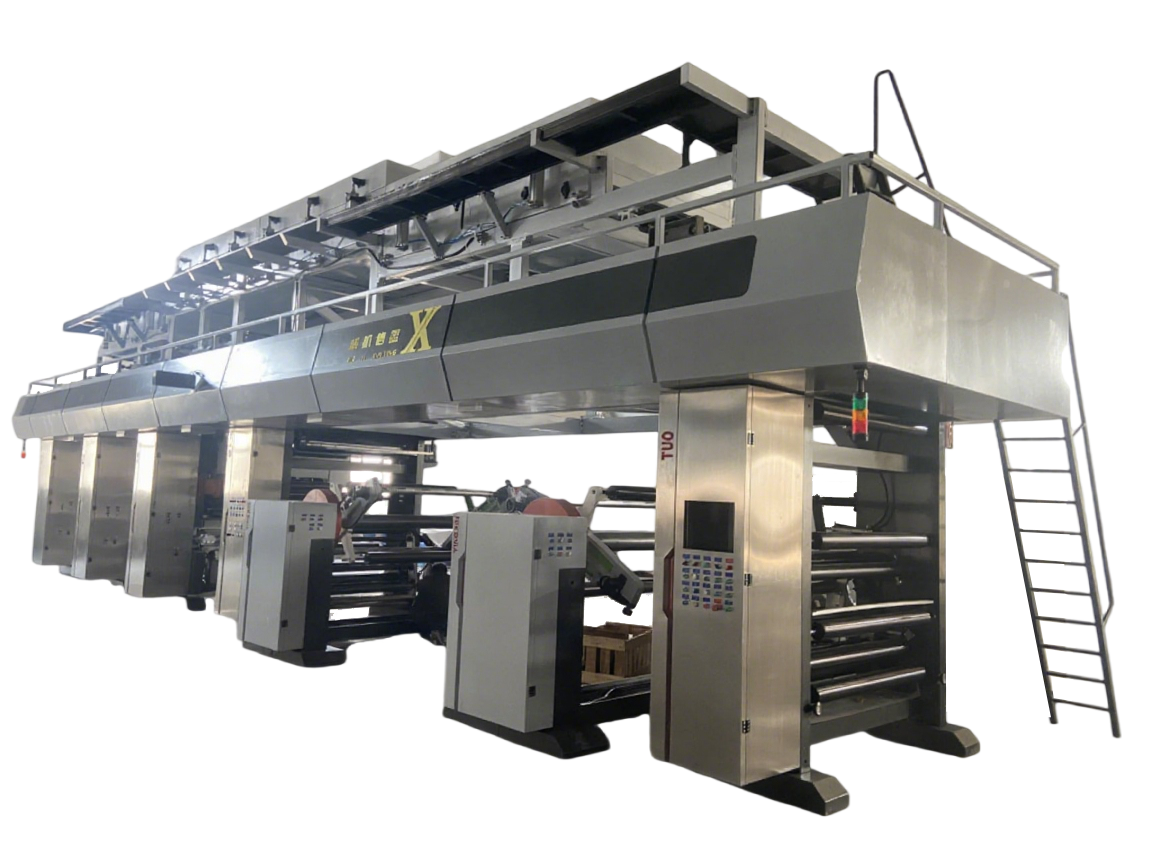
Gravure printing operates on a simple yet effective principle. It employs a cylinder that has been engraved with the desired image or pattern. During the printing process, ink is applied to the cylinder, which is then wiped clean, leaving ink only in the engraved areas. The cylinder makes contact with the substrate, transferring the ink with incredible detail and vibrancy.
This process allows for the printing of large volumes quickly. The key components of gravure printing include the following:
- **Engraved Cylinders**: Each cylinder is tailored to specific designs, ensuring that the output is consistent and high-quality.
- **Fast Drying Inks**: The inks used in gravure printing dry quickly, which is essential for maintaining efficiency in high-volume production.
- **Wide Substrate Compatibility**: Gravure printing is versatile, working with various materials, including flexible films, paper, and even textiles.
Understanding these components helps to appreciate why PVC gravure technology is gaining traction in the manufacturing industry.
3. Advantages of PVC Gravure Technology
As manufacturers seek methods to enhance their production processes, PVC gravure technology stands out for several reasons.
3.1 High Print Quality
One of the primary advantages of PVC gravure technology is its ability to produce **high-quality prints**. The precision of the engraved cylinders allows for fine details and a wide color gamut. This capability is crucial for brands aiming to create visually appealing products that attract consumers. With gravure printing, the consistency of color and detail is maintained throughout large print runs.
3.2 Increased Efficiency
Efficiency in manufacturing is paramount. PVC gravure technology excels in this area due to its capacity for high-speed production. The printing process can operate continuously, enabling manufacturers to produce large quantities in a shorter timeframe. This efficiency translates to higher throughput, allowing businesses to meet demand without sacrificing quality.
3.3 Cost-Effectiveness in Production
In addition to efficiency, PVC gravure technology is also **cost-effective**. Although the initial setup costs may be higher due to the need for specialized equipment and engraved cylinders, the long-term savings are significant. The rapid production capabilities reduce labor costs and material waste, ultimately leading to lower overall production costs. For manufacturers, this means a better return on investment over time.
4. Applications of PVC Gravure Technology in Various Industries
The versatility of PVC gravure technology allows it to be applied across several industries. Understanding its applications can help businesses identify opportunities for integration into their processes.
4.1 Packaging Industry
In the **packaging industry**, PVC gravure technology is widely used for printing flexible packaging materials. It enables brands to create eye-catching designs that stand out on store shelves. This method is ideal for producing food packaging, cosmetic containers, and more, ensuring that products remain attractive while maintaining durability.
4.2 Decorative Printing
Decorative printing is yet another area where PVC gravure technology shines. It allows for intricate designs on surfaces such as wallpapers, decorative films, and labeling. The high-quality output ensures that decorative products are visually appealing and meet consumer expectations.
4.3 Textiles and Fashion
The **textile industry** has also embraced PVC gravure technology for printing designs on fabrics. This method allows for vibrant colors and intricate patterns, enhancing the aesthetic appeal of clothing and home textiles. As fashion trends evolve, gravure printing provides the flexibility needed to adapt to changing consumer preferences.
5. Sustainability and Environmental Impact
As the world increasingly focuses on sustainability, the printing industry is no exception. PVC gravure technology can contribute positively to environmental goals in several ways:
- **Reduced Waste**: The efficiency of the process minimizes material waste, as the precision of printing reduces the likelihood of errors and reprints.
- **Eco-friendly Inks**: Many manufacturers are opting for eco-friendly inks in gravure printing, which are less harmful to the environment compared to traditional inks.
- **Long-lasting Prints**: The durability of prints produced with PVC gravure technology means products last longer, reducing the need for frequent replacements.
By adopting this method, manufacturers can align with sustainable practices while maintaining high production standards.
6. Future Trends in PVC Gravure Technology
Looking ahead, PVC gravure technology is poised for continued innovation. Key trends shaping its future include:
- **Digital Integration**: The incorporation of digital technologies into gravure printing is likely to enhance precision and reduce setup times, making the process even more efficient.
- **Customizability**: As consumer demand for personalized products grows, gravure technology will adapt to offer more customization options without compromising quality.
- **Advanced Materials**: Ongoing research into new substrates and inks will likely expand the capabilities of PVC gravure printing, enabling it to serve a broader range of applications.
These trends indicate a dynamic future for PVC gravure technology within the manufacturing sector.
7. Challenges in PVC Gravure Technology Adoption
Despite its many benefits, there are challenges associated with the adoption of PVC gravure technology:
- **Initial Investment**: The setup costs for gravure printing can be significant, particularly for smaller manufacturers.
- **Skill Requirements**: Operating gravure printing equipment requires specialized knowledge and training, which may necessitate investment in workforce development.
- **Market Competition**: As other printing technologies evolve, gravure printing must continuously adapt to remain competitive in terms of speed, cost, and quality.
Addressing these challenges will be critical for manufacturers looking to leverage PVC gravure technology effectively.
8. Frequently Asked Questions
1. What is PVC gravure technology?
PVC gravure technology is a printing method that utilizes engraved cylinders to transfer ink onto substrates, allowing for high-quality, efficient, and cost-effective printing processes.
2. How does gravure printing compare to other printing methods?
Gravure printing offers superior print quality and efficiency compared to methods like offset and digital printing, especially for large volume runs.
3. What industries benefit most from PVC gravure technology?
Industries such as packaging, decorative printing, and textiles significantly benefit from PVC gravure technology due to its high-quality output and efficiency.
4. Is PVC gravure technology environmentally friendly?
Yes, PVC gravure technology can be environmentally friendly, particularly when using eco-friendly inks and minimizing material waste during production.
5. What are the future prospects for PVC gravure technology?
The future of PVC gravure technology includes trends such as digital integration, increased customizability, and advanced materials, ensuring its relevance in the evolving market.
9. Conclusion
In conclusion, PVC gravure technology is a game-changing advancement in the manufacturing sector. Its ability to produce high-quality, efficient, and cost-effective prints makes it an invaluable tool for businesses aiming to thrive in a competitive landscape. As industries continue to embrace this technology, the benefits will become increasingly apparent, solidifying its role in the future of printing. By understanding and leveraging the advantages of PVC gravure technology, manufacturers can position themselves at the forefront of innovation, meeting consumer demands while fostering sustainable practices.
Tag:
Blog

The Future of Printing: Innovations in Pattern Gravure Technology

PRODUCT
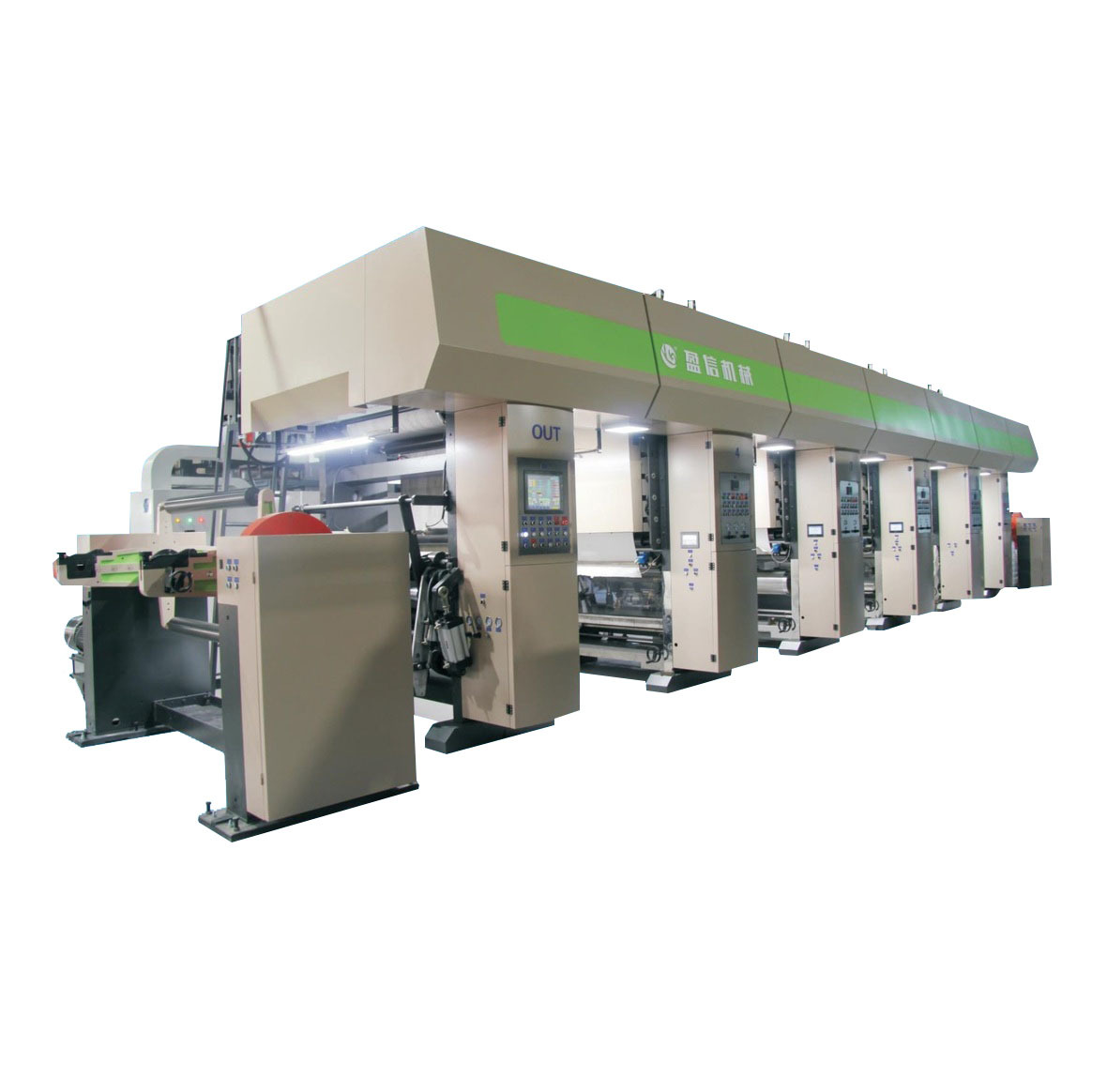
Best D.YX-4C-1400(ZJ200)Automatic gravure printing machine
message:Talk to an expert
WhatsApp:8618058732988
E-Mail:sales@yingxinmachinery.com
tel:+86-18058732988
Contact Us
1168 Jiuzhou Street, Linglong Street, Lin 'an District, Hangzhou City, Zhejiang Province
Mobile phone version
Copyright©Hangzhou Yingxin Machinery Co., Ltd.