

The Science Behind Ink Selection in Pattern Gravure Printing: A Comprehensive Guide
The Science Behind Ink Selection in Pattern Gravure Printing Pattern gravure printing is a remarkable technique known for its ability to produce high-quality printed materials with rich colors and intricate designs. One of the most vital components contributing to the success of this printing method is the **selection of ink**. The right ink not only enhances the aesthetic appeal of the printed pr
The Science Behind Ink Selection in Pattern Gravure Printing
Pattern gravure printing is a remarkable technique known for its ability to produce high-quality printed materials with rich colors and intricate designs. One of the most vital components contributing to the success of this printing method is the **selection of ink**. The right ink not only enhances the aesthetic appeal of the printed product but also influences performance, consistency, and cost-efficiency. In this article, we will explore the intricacies of ink selection in pattern gravure printing and how it affects the overall printing process.
Understanding Gravure Printing: An Overview
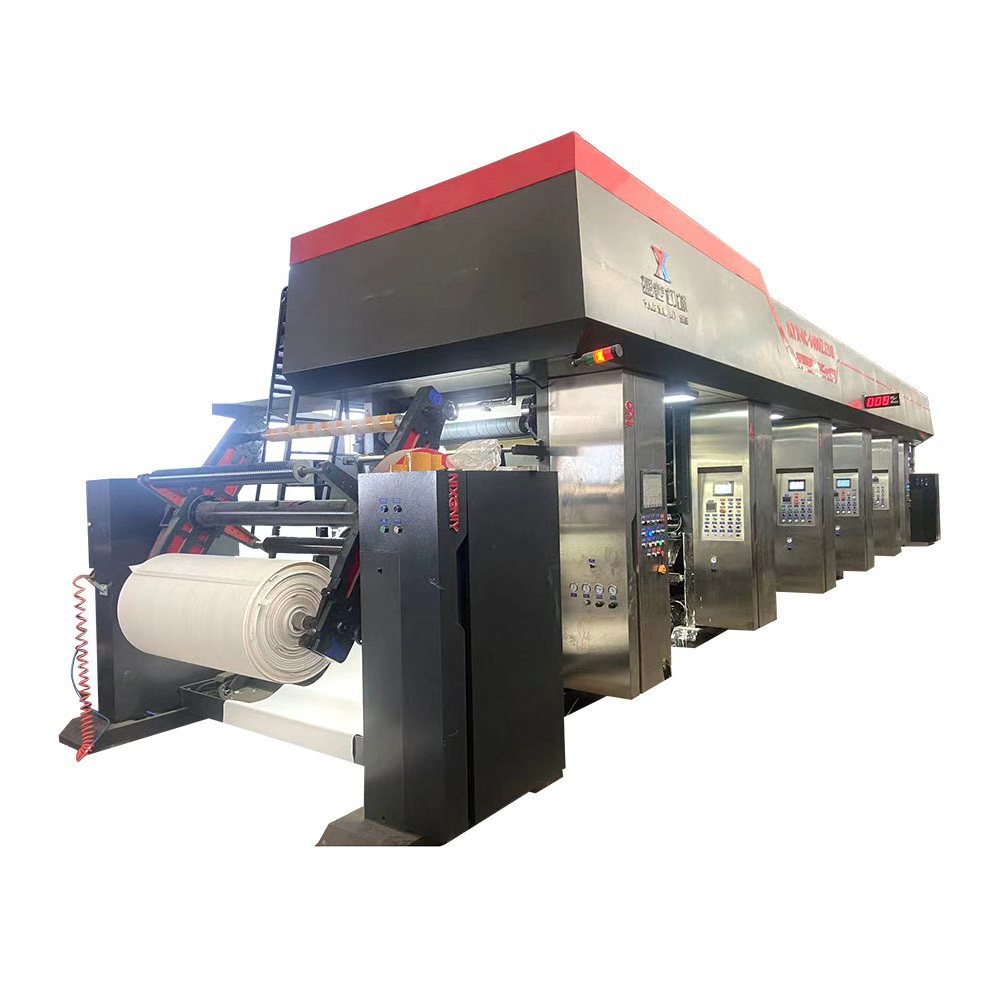
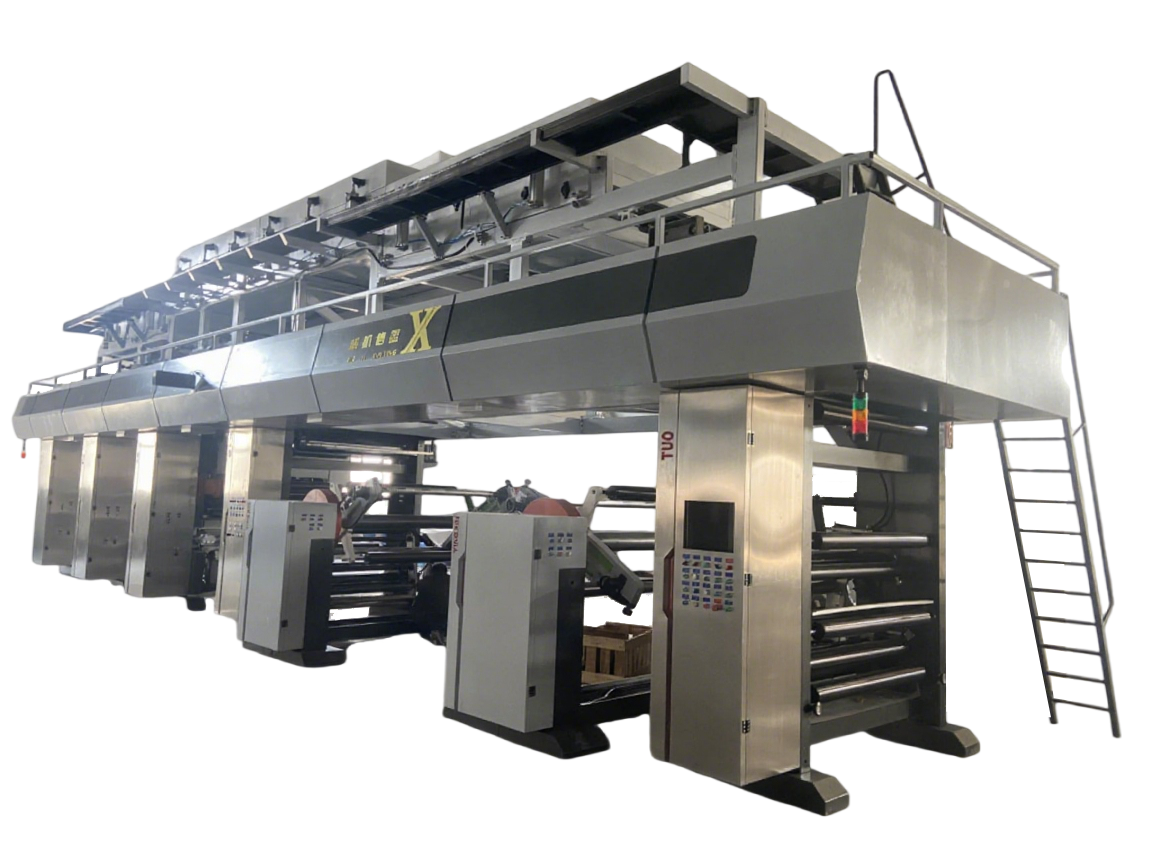
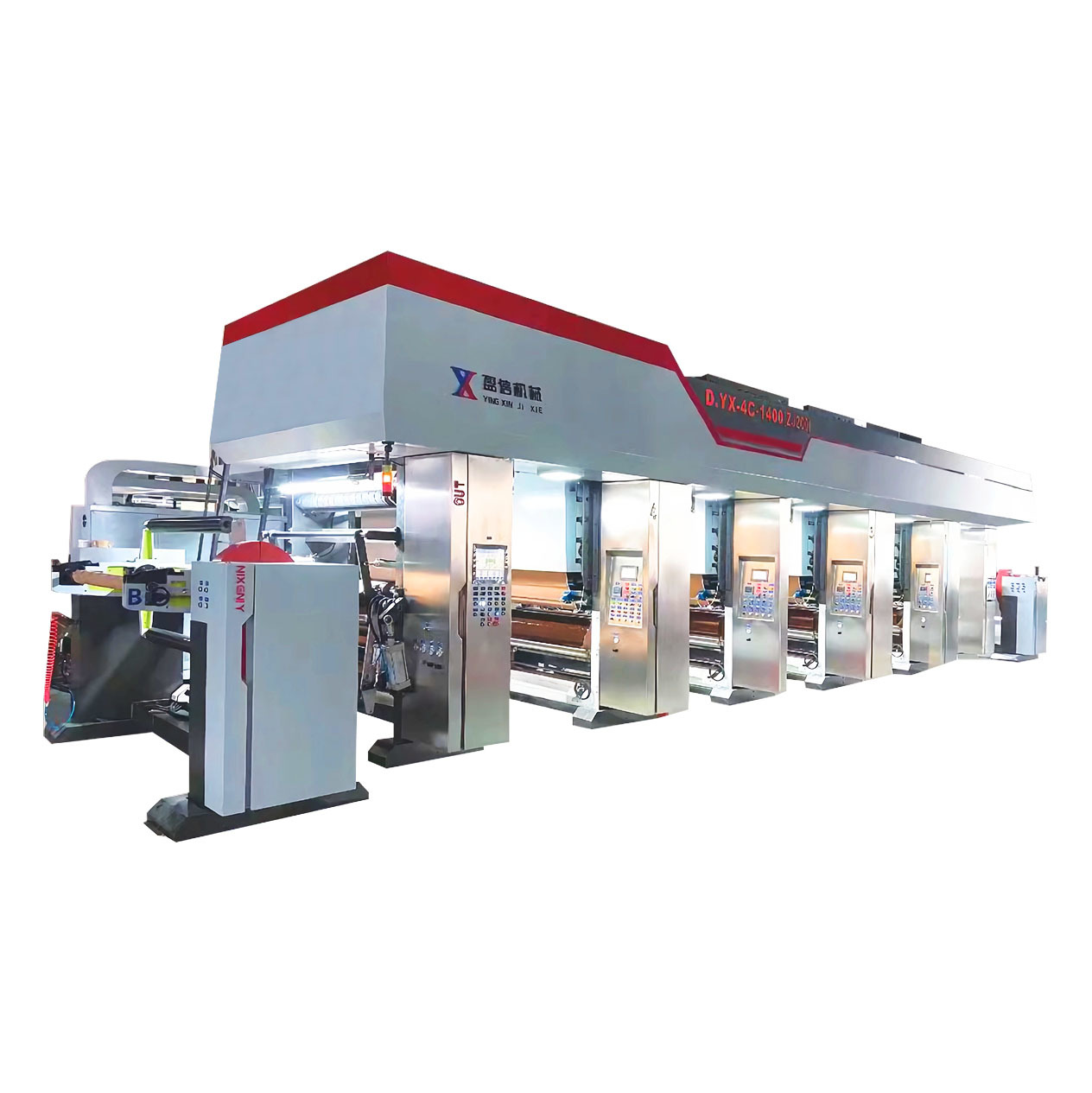
Before diving into ink selection, it’s essential to understand what gravure printing entails. Gravure is a type of intaglio printing that uses a rotary printing press. Here, the image is engraved onto a cylinder, and the ink fills in the engraved areas. The process is highly suitable for long-run printing jobs, producing continuous patterns with exceptional quality.
The Importance of Ink in Gravure Printing
In gravure printing, **ink serves multiple functions**. It not only adds color but also affects drying time, adhesion, and durability. The choice of ink can significantly impact:
- **Color vibrancy**: The formulation affects how vibrant and true-to-life the final print appears.
- **Drying speed**: Different inks dry at various rates, influencing production speed.
- **Adhesion properties**: The ink must adhere well to the substrate to prevent smudging or peeling.
- **Cost-effectiveness**: Selecting the right ink can optimize production costs without compromising quality.
Types of Inks Used in Pattern Gravure Printing
Choosing the right ink involves understanding the different types available. Each type has unique properties that cater to specific printing needs.
Solvent-based Inks
Solvent-based inks are a common choice in gravure printing. They consist of pigments suspended in a solvent, allowing for a smooth application. These inks are known for their excellent adhesion and vibrant colors, making them ideal for various substrates, including flexible packaging materials.
Advantages of Solvent-based Inks
- **High color intensity**: Provides deep and rich colors.
- **Good adhesion**: Excellent bonding to a variety of substrates.
- **Fast drying time**: Suitable for high-speed printing operations.
Disadvantages of Solvent-based Inks
- **Volatile organic compounds (VOCs)**: Can contribute to environmental concerns.
- **Regulatory restrictions**: Increased regulations around VOC emissions.
Water-based Inks
Water-based inks are gaining popularity due to their eco-friendliness. These inks use water as a solvent and are typically less harmful to the environment.
Advantages of Water-based Inks
- **Lower VOC emissions**: More environmentally friendly.
- **Ease of cleaning**: Simplifies the cleaning process in press setups.
- **Good print quality**: Can achieve vibrant colors, although they may require more careful handling.
Disadvantages of Water-based Inks
- **Longer drying times**: May slow down production speeds.
- **Limited substrate compatibility**: Not suitable for all materials.
UV-curable Inks
UV-curable inks are a unique option that cures through ultraviolet light exposure. This method allows for immediate drying and can produce high-quality prints on a wide range of substrates.
Advantages of UV-curable Inks
- **Instant curing**: Reduces production times.
- **High durability**: Resistant to scratches and fading.
- **Less waste**: Can minimize excess ink usage.
Disadvantages of UV-curable Inks
- **Higher initial costs**: The equipment required for UV curing can be more expensive.
- **Limited color gamut**: May not achieve the same range of colors as solvent-based inks.
Key Factors Influencing Ink Selection
When selecting ink for pattern gravure printing, several factors come into play. Understanding these can lead to informed decisions that enhance overall print quality.
Substrate Compatibility
The substrate is the surface onto which the ink is printed. Different substrates, such as paper, plastic, and metal films, interact with ink differently. Correct ink selection ensures optimal adhesion and print durability.
Color Consistency and Quality
Maintaining color consistency throughout the print run is paramount. Inks should undergo rigorous testing to ensure they reproduce colors accurately. Color matching tools and techniques can significantly aid in achieving the desired results.
Environmental Considerations
With increasing regulations regarding VOC emissions and environmental impact, the choice of ink is crucial. Water-based and UV-curable inks offer more sustainable options, aligning with global eco-friendly initiatives without sacrificing quality.
Production Speed
Understanding the drying time and performance characteristics of different inks helps optimize production speeds. In high-volume runs, inks that dry quickly can significantly reduce turnaround time, increasing efficiency.
Testing and Quality Control in Ink Selection
To ensure the selected ink performs to expectations, rigorous testing and quality control measures are essential.
Ink Formulation Testing
Before committing to a specific ink formulation, thorough testing should be conducted. This includes evaluating colorfastness, adhesion, and drying properties under various conditions.
Print Trials
Print trials can provide invaluable insights into how ink performs on a specific substrate under real-world conditions. Conducting these trials helps identify potential issues before full-scale production begins.
Analytical Tools for Quality Control
Utilizing analytical tools, such as spectrophotometers and color measurement devices, helps monitor color consistency and quality throughout the printing process.
Common Challenges in Ink Selection for Gravure Printing
Despite advancements in ink technology, several challenges persist in the selection process.
Ink Drying Issues
Inks that dry too slowly can lead to smudging and production delays. It’s crucial to balance fast drying with the desired print quality.
Color Matching Difficulties
Achieving color consistency across different substrates can be challenging. Variations in substrate texture, absorption, and surface energy can cause discrepancies in color appearance.
Cost Management
Balancing quality and cost is a continual challenge. While high-quality inks may come at a premium, they often lead to better long-term results and reduced waste.
Future Trends in Ink Selection for Pattern Gravure Printing
As the printing industry evolves, so too does ink technology. Emerging trends promise to reshape ink selection processes.
Eco-Friendly Innovations
With a focus on sustainability, manufacturers are developing inks that are more environmentally friendly, reducing VOC emissions and increasing recyclability.
Smart Inks
The advent of smart inks, which can change color or respond to environmental factors, is opening new avenues for creative applications in gravure printing.
Frequently Asked Questions about Ink Selection in Pattern Gravure Printing
1. What is the best type of ink for gravure printing?
The best type of ink depends on the specific application. Solvent-based inks offer excellent adhesion and vibrant colors, while water-based inks are more eco-friendly. UV-curable inks provide instant drying and durability.
2. How does substrate affect ink selection?
Different substrates absorb ink differently, which affects adhesion and print quality. It’s essential to choose ink that is compatible with the substrate to ensure optimal performance.
3. Can I use the same ink for all my printing jobs?
No, different printing jobs may require different inks based on the substrate, desired finish, and environmental considerations.
4. What is the role of drying time in ink selection?
Drying time impacts production speed and print quality. Inks that dry quickly can enhance efficiency, while slower-drying inks may be necessary for specific applications.
5. How can I ensure color consistency in my prints?
Using color measurement tools and conducting print trials can help monitor and maintain color consistency across different batches.
Conclusion
The selection of ink in pattern gravure printing is a multifaceted decision that can significantly influence print quality, efficiency, and cost-effectiveness. By understanding the different types of inks available, considering key factors such as substrate compatibility and environmental impact, and staying ahead of industry trends, printers can make informed choices that enhance their operations. As the technology and practices around ink selection continue to evolve, staying educated and adaptable will be crucial for achieving outstanding results in the world of gravure printing.
Tag:
Previous
Blog

The Science Behind Ink Selection in Pattern Gravure Printing: A Comprehensive Guide

PRODUCT
message:Talk to an expert
WhatsApp:8618058732988
E-Mail:sales@yingxinmachinery.com
tel:+86-18058732988
Contact Us
1168 Jiuzhou Street, Linglong Street, Lin 'an District, Hangzhou City, Zhejiang Province
Mobile phone version
Copyright©Hangzhou Yingxin Machinery Co., Ltd.