

How to Train Your Team on Using PVC Gravure Printing Machines Effectively
How to Train Your Team on Using PVC Gravure Printing Machines Effectively Table of Contents Introduction to PVC Gravure Printing Understanding the Technology Behind PVC Gravure Printing Machines The Importance of Proper Training Developing a Comprehensive Training Program Assessing Skill Levels Setting Clear Training Goals Creating Enga
How to Train Your Team on Using PVC Gravure Printing Machines Effectively
Table of Contents
- Introduction to PVC Gravure Printing
- Understanding the Technology Behind PVC Gravure Printing Machines
- The Importance of Proper Training
- Developing a Comprehensive Training Program
- Implementing Hands-On Training Sessions
- Monitoring Progress and Performance
- Emphasizing Continuous Improvement
- Conclusion
- Frequently Asked Questions
Introduction to PVC Gravure Printing
PVC gravure printing is a sophisticated and highly efficient printing technique commonly employed in various industries, including packaging, textiles, and decorative applications. This method uses engraved cylinders to transfer ink onto a substrate, offering superior quality and precision that appeals to manufacturers seeking vibrant visuals and durability. As we train our teams to utilize PVC gravure printing machines effectively, it is crucial to understand the technology, the significance of structured training, and the best practices to enhance operational efficiency.
Understanding the Technology Behind PVC Gravure Printing Machines
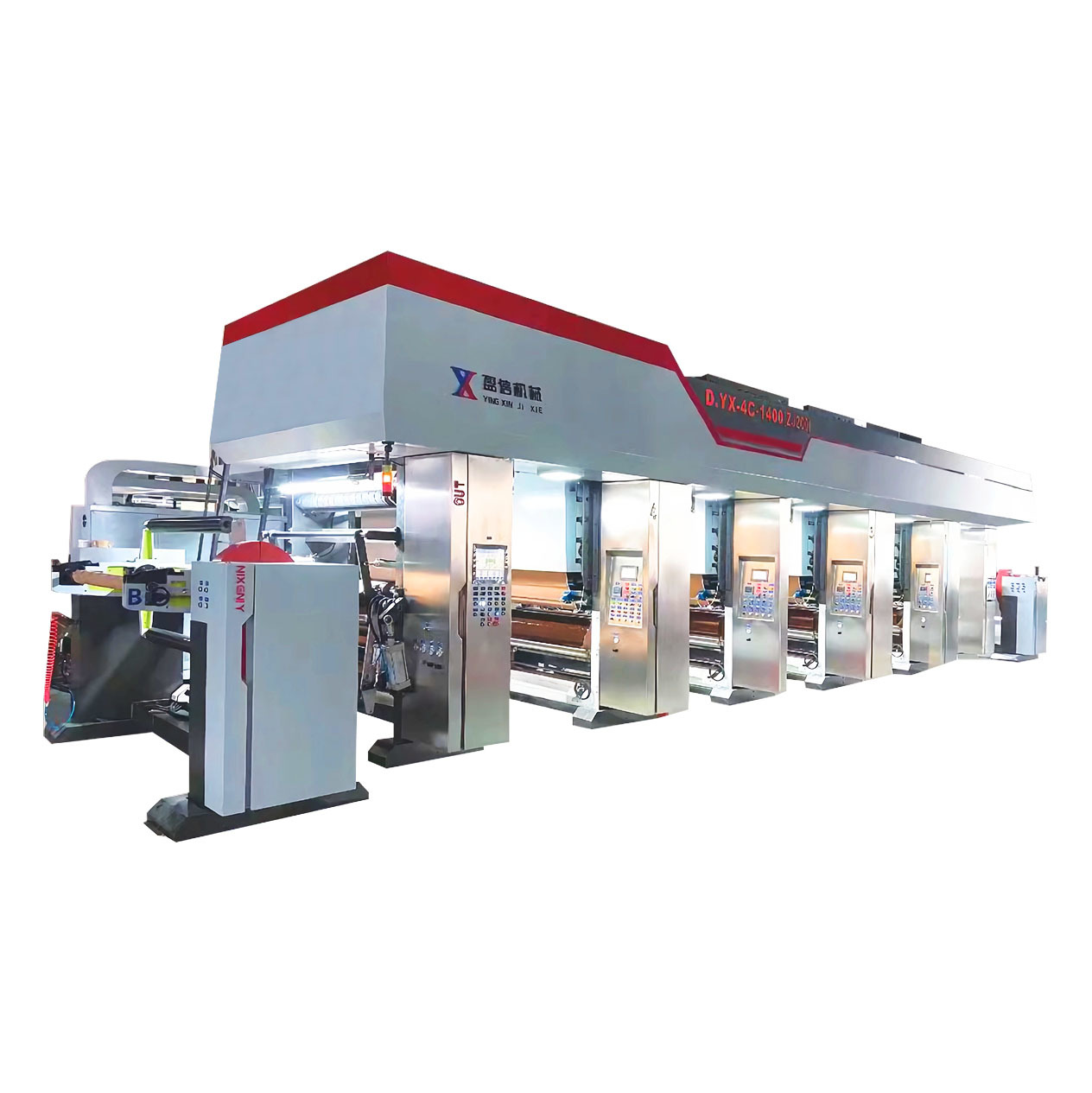
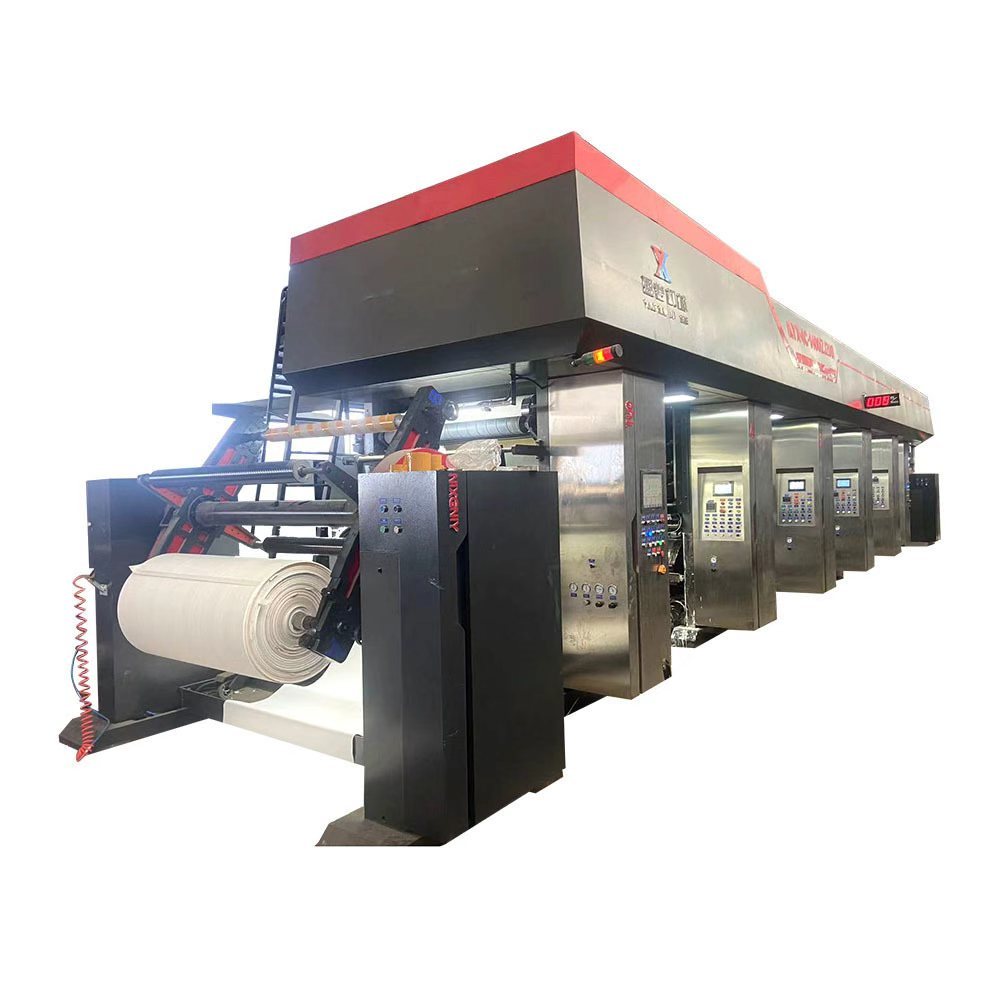
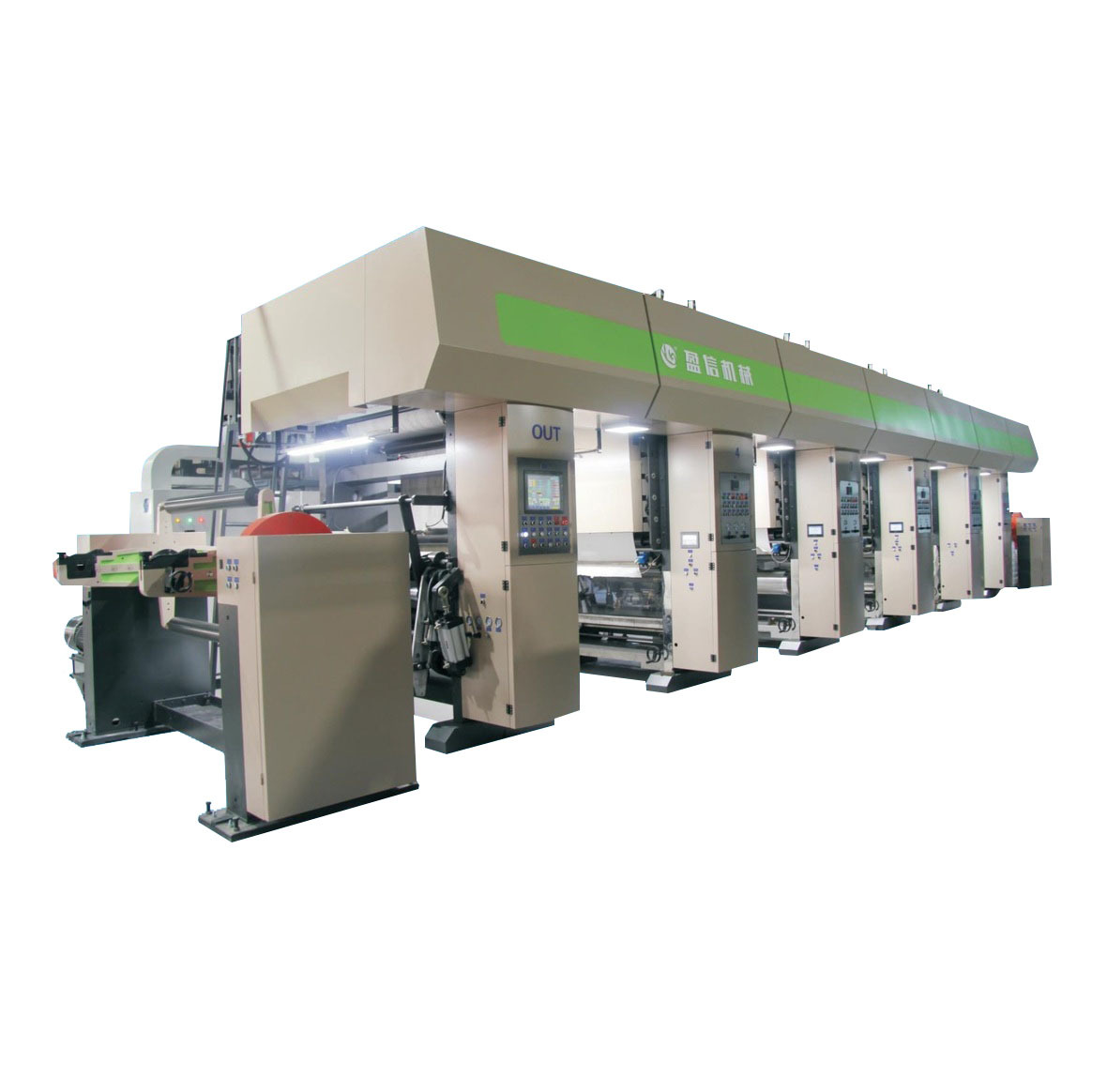
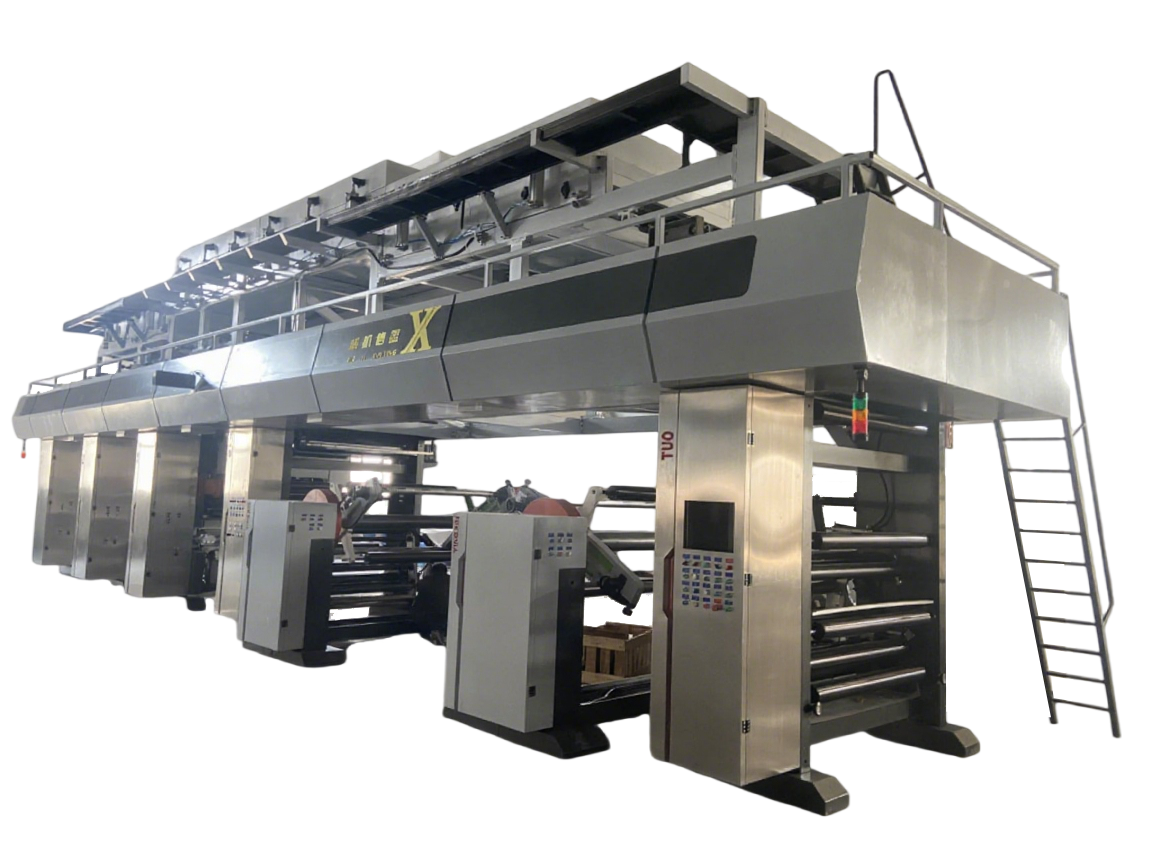
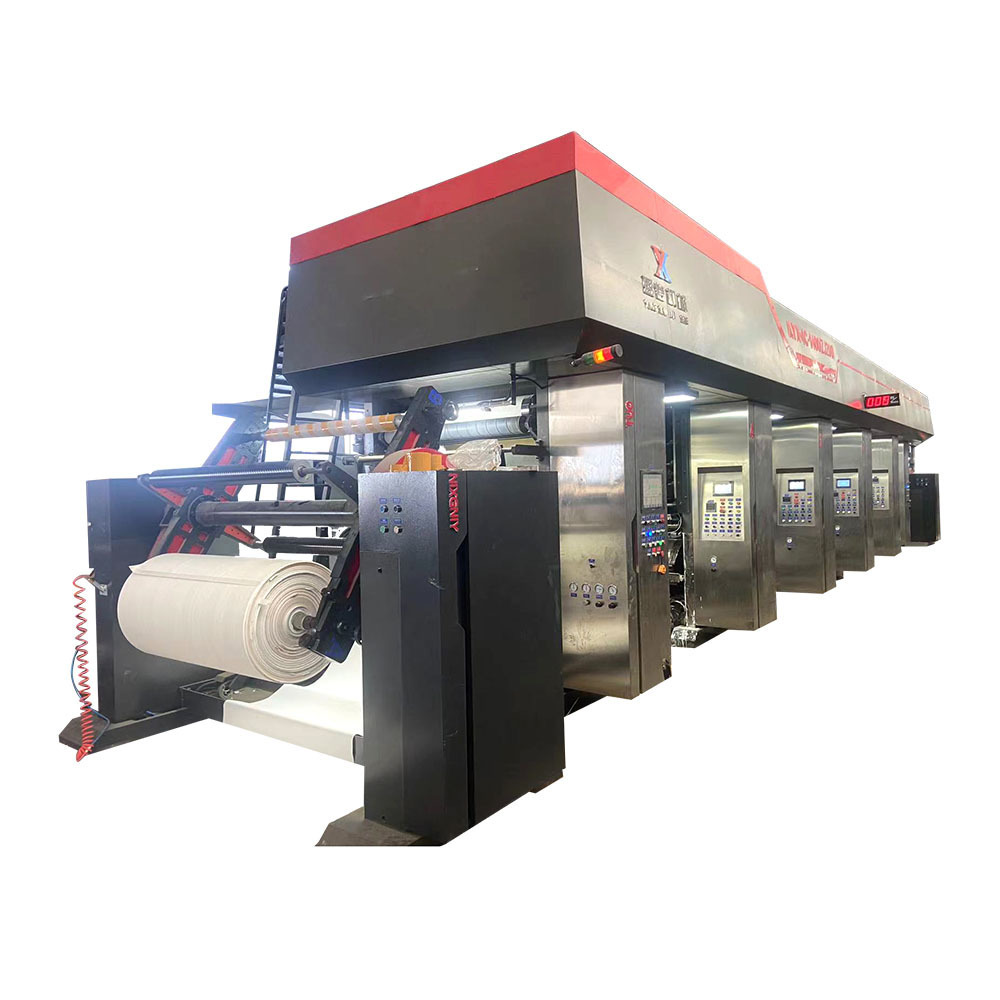
The heart of gravure printing lies in the engraved cylinders that carry the design. Each cylinder is meticulously crafted to match the desired image, with varying depths allowing different amounts of ink to transfer onto the material. The process involves several key components, including:
Components of Gravure Printing Machines
- Engraved Cylinders: Custom-made cylinders that hold the ink pattern.
- Ink System: A system that circulates and maintains the ink supply, ensuring consistency.
- Drying Mechanism: Essential for quick drying of the printed surfaces.
- Substrates: Various materials, including PVC, paper, and films, on which the design is printed.
Understanding these components enables our training program to focus on how each part contributes to the overall printing process.
The Importance of Proper Training
Training our team on PVC gravure printing machines is not just about operational knowledge; it significantly impacts product quality, operational efficiency, and safety. A well-trained workforce can:
Enhance Product Quality
By understanding the intricacies of the printing process, team members can reduce errors and improve the color accuracy, consistency, and overall quality of the finished product.
Increase Operational Efficiency
Proper training minimizes downtime and optimizes machine usage, leading to increased productivity and reduced operating costs.
Ensure Safety
Gravure printing machines can be hazardous if not handled correctly. Training emphasizes safety protocols, reducing the risk of accidents and injuries.
Developing a Comprehensive Training Program
Creating an effective training program requires careful planning and execution. We can break this process down into several key components, ensuring that every aspect of training is covered thoroughly.
Assessing Skill Levels
Before starting the training program, it’s vital to evaluate the current skill levels of team members. This evaluation can help tailor the training to address specific gaps in knowledge or experience.
Setting Clear Training Goals
Establish clear, measurable goals for what the training program should achieve. This could include mastering machine operations, reducing errors, or increasing production efficiency by a specific percentage.
Creating Engaging Training Content
Utilize a mix of instructional methods, including video demonstrations, hands-on practice, and theoretical lessons. Engaging content keeps the team motivated and facilitates better learning retention.
Implementing Hands-On Training Sessions
Practical training is essential in mastering the use of PVC gravure printing machines. Hands-on sessions allow team members to apply what they’ve learned in a controlled environment.
Familiarizing with Machine Operations
Training should begin with an introduction to the machine's components and operations. This includes how to prepare the machine for printing, adjust settings, and maintain optimal performance.
Teaching Troubleshooting Techniques
Inevitably, issues will arise during printing. Equip your team with troubleshooting techniques to identify and resolve common problems, such as ink inconsistencies, misalignment, and cylinder wear.
Monitoring Progress and Performance
As the training progresses, it's crucial to keep track of each team member's advancement. Utilizing performance metrics can help identify areas where further improvement is needed.
Regular Assessments
Conduct regular assessments to gauge understanding and mastery of the skills being taught. These evaluations can range from practical tests on the machines to theoretical quizzes.
Feedback Mechanisms
Implement feedback mechanisms where team members can express concerns or suggest improvements. This helps create an open environment conducive to learning.
Emphasizing Continuous Improvement
After the initial training program concludes, it is vital to foster a culture of continuous improvement. Regular workshops, advanced training sessions, and refreshers can help keep skills sharp and up-to-date.
Encouraging Professional Development
Support team members in pursuing further education related to gravure printing and manufacturing techniques. This can include certifications, online courses, and industry conferences.
Conclusion
Training your team on using PVC gravure printing machines effectively is a multifaceted process that involves understanding technology, developing comprehensive training programs, and fostering a culture of continuous improvement. By prioritizing proper training, your organization can enhance product quality, increase operational efficiency, and ensure a safer workplace. Investing in your team translates to long-term success and competitive advantage in the dynamic printing industry.
Frequently Asked Questions
1. What are the main components of a gravure printing machine?
The main components include engraved cylinders, an ink system, a drying mechanism, and various substrates.
2. How long does it typically take to train a team on gravure printing machines?
Training duration varies based on the complexity of the machine and the skill level of the team; however, a comprehensive program may last from several weeks to a few months.
3. What are common issues faced during gravure printing?
Common issues include ink inconsistencies, misalignment, and cylinder wear, all of which can be mitigated through proper training.
4. How can we measure the effectiveness of the training program?
Effectiveness can be measured through performance metrics, regular assessments, and feedback from team members.
5. Is it necessary to continue training after the initial program?
Yes, continuous training and professional development are essential to keep skills sharp and stay updated on industry advancements.
Tag:
Blog



PRODUCT
message:Talk to an expert
WhatsApp:8618058732988
E-Mail:sales@yingxinmachinery.com
tel:+86-18058732988
Contact Us
1168 Jiuzhou Street, Linglong Street, Lin 'an District, Hangzhou City, Zhejiang Province
Mobile phone version
Copyright©Hangzhou Yingxin Machinery Co., Ltd.