

Exploring the Technology Behind Intelligent Gravure Printing Machines
Exploring the Technology Behind Intelligent Gravure Printing Machines In the fast-evolving world of printing technology, intelligent gravure printing machines have emerged as frontrunners, driving innovation and efficiency. These machines are not just tools; they embody a blend of advanced technology, precision engineering, and intelligent automation. In this comprehensive guide, we will delve int
Exploring the Technology Behind Intelligent Gravure Printing Machines
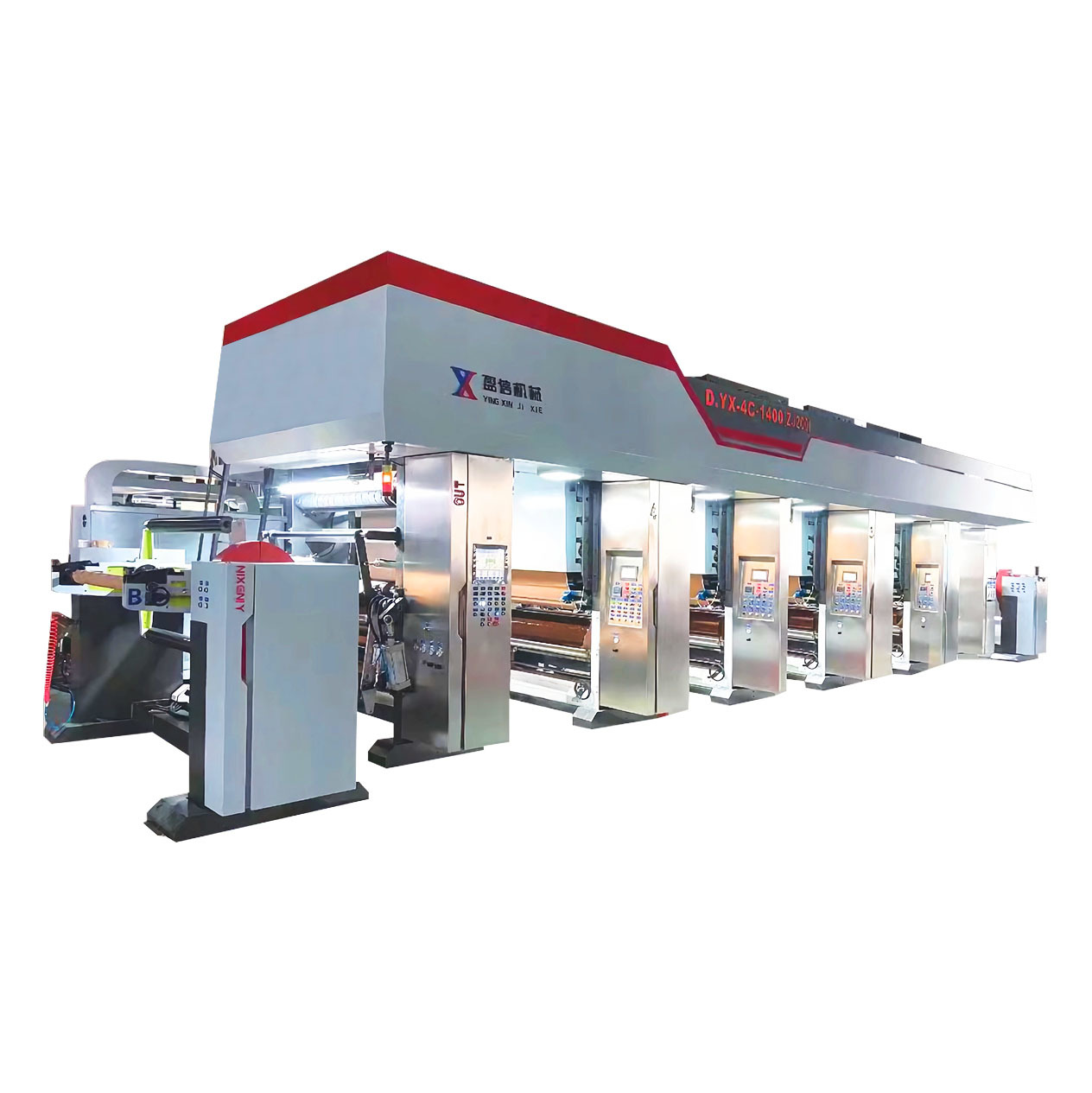
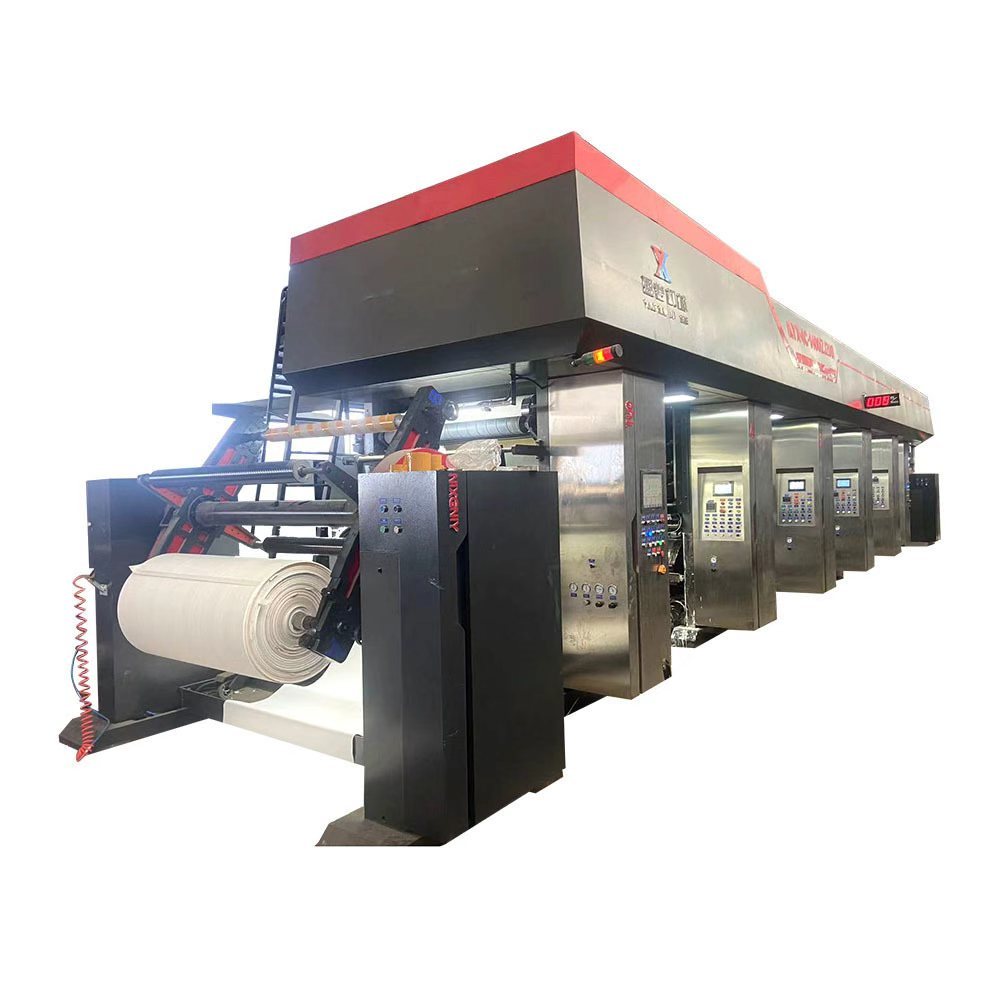
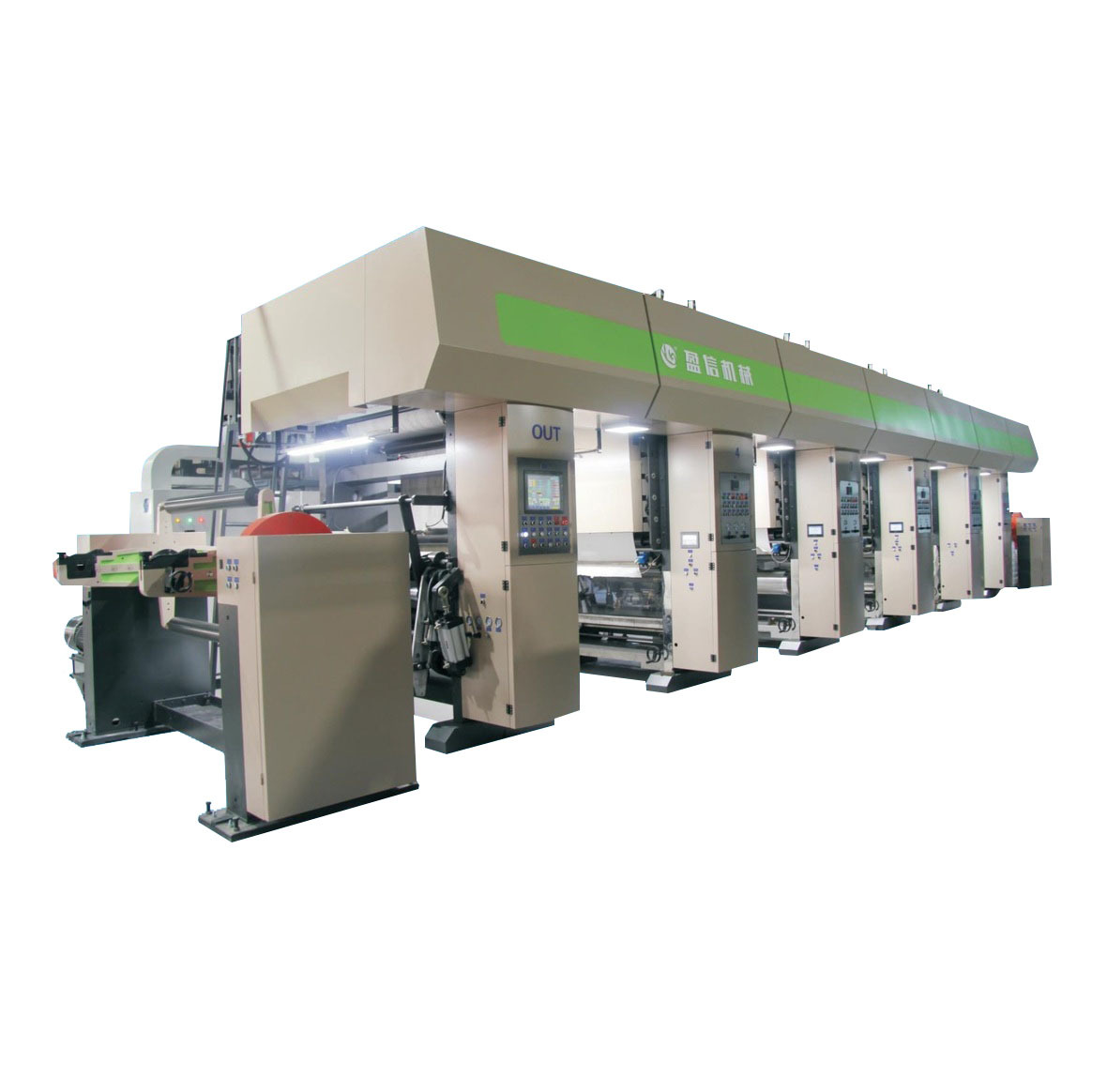
In the fast-evolving world of printing technology, intelligent gravure printing machines have emerged as frontrunners, driving innovation and efficiency. These machines are not just tools; they embody a blend of advanced technology, precision engineering, and intelligent automation. In this comprehensive guide, we will delve into the intricate workings of intelligent gravure printing machines, exploring their features, benefits, and the future of the printing industry.
Table of Contents
- 1. Introduction to Intelligent Gravure Printing
- 2. What is Gravure Printing?
- 3. The Advancements in Technology
- 3.1 Automation in Gravure Printing
- 3.2 Digitalization and its Impact
- 3.3 Sustainability in Intelligent Gravure Printing
- 4. Key Features of Intelligent Gravure Printing Machines
- 5. Benefits of Using Intelligent Gravure Printing Machines
- 6. Applications of Intelligent Gravure Printing
- 7. Future Trends in Intelligent Gravure Printing Technology
- 8. Conclusion
1. Introduction to Intelligent Gravure Printing
Intelligent gravure printing is revolutionizing the printing landscape, offering a blend of traditional techniques with modern technology. Its ability to produce high-quality images at high speeds makes it a preferred choice for many industries, including packaging, textiles, and publications. In this article, we will explore how intelligent gravure printing machines operate and what sets them apart from conventional printing machines.
2. What is Gravure Printing?
Gravure printing, also known as rotogravure, is a high-speed, high-quality printing process that utilizes engraved cylinders. It is particularly suited for long runs of images and text, making it ideal for packaging and wallpaper. The process involves transferring ink from recessed cells on a cylinder to the substrate, resulting in vivid colors and sharp details.
The Gravure Printing Process
The gravure printing process consists of several stages:
- Engraving the cylinder with the desired image or text.
- Inking the cylinder and wiping off the excess ink.
- Pressing the substrate against the inked cylinder to transfer the image.
- Drying the printed substrate.
This process allows for consistent quality and high speed, making gravure printing an attractive option for large volume production.
3. The Advancements in Technology
3.1 Automation in Gravure Printing
Automation has transformed the gravure printing industry, bringing forth intelligent printing machines that streamline the production process. These machines are equipped with automated controls that can adjust parameters such as ink viscosity, pressure, and speed without manual intervention. This level of automation not only enhances efficiency but also minimizes human error, resulting in better print quality.
3.2 Digitalization and its Impact
Digitalization has further enhanced the capabilities of intelligent gravure printing machines. With the integration of digital technologies, the prepress process has become faster and more efficient. Digital engraving and platemaking technologies allow for quicker turnaround times and reduced production costs. Moreover, digital technology enables on-demand printing, making it easy to customize or change designs without needing to create new cylinders.
3.3 Sustainability in Intelligent Gravure Printing
In today's eco-conscious world, sustainability is paramount. Intelligent gravure printing machines are designed with sustainability in mind, reducing waste and energy consumption. Innovations such as low-VOC inks, efficient drying systems, and recyclable substrates contribute to a greener printing process. Implementing these sustainable practices not only benefits the environment but also enhances the brand's reputation.
4. Key Features of Intelligent Gravure Printing Machines
The key features that define intelligent gravure printing machines include:
- High-speed operation: Capable of producing large volumes in a short time.
- Precision: High-quality prints with exquisite detail and color accuracy.
- Automatic registration: Ensures perfect alignment of images and text.
- Advanced ink management: Optimizes ink usage and reduces waste.
- Multi-functional capabilities: Ability to handle various substrates and formats.
5. Benefits of Using Intelligent Gravure Printing Machines
Investing in intelligent gravure printing machines offers numerous advantages:
- Cost-effectiveness: Long print runs lead to lower per-unit costs.
- Quality: Consistently high-quality prints that meet industry standards.
- Flexibility: Easily adaptable to different designs and substrates.
- Reduced lead times: Quick turnaround from design to finished product.
- Improved sustainability: Eco-friendly printing options that reduce environmental impact.
6. Applications of Intelligent Gravure Printing
Intelligent gravure printing finds applications across various sectors, including:
- Packaging: Ideal for food packaging, labels, and flexible packaging solutions.
- Decorative printing: Used in wallpapers, tiles, and fabric prints.
- Publishing: Suitable for magazines, catalogues, and high-end publications.
- Security printing: Employed in banknotes and high-security documents.
7. Future Trends in Intelligent Gravure Printing Technology
The future of intelligent gravure printing is promising, with trends pointing towards further integration of artificial intelligence and machine learning to optimize the printing process. Real-time monitoring systems will enhance quality control, while innovations in inks and substrates will expand the capabilities of gravure printing. Moreover, the demand for sustainable practices will drive the development of eco-friendly materials and processes.
8. Conclusion
Intelligent gravure printing machines represent a significant leap forward in printing technology, offering unparalleled efficiency, quality, and sustainability. As the industry evolves, embracing these machines will be crucial for businesses aiming to stay competitive in a fast-paced market. By understanding the technology behind intelligent gravure printing, stakeholders can harness its potential to create high-quality products while minimizing environmental impact.
Frequently Asked Questions (FAQs)
1. What makes intelligent gravure printing different from traditional gravure printing?
Intelligent gravure printing incorporates advanced automation and digital technologies, enhancing efficiency, precision, and sustainability compared to traditional gravure printing methods.
2. How does automation improve gravure printing efficiency?
Automation streamlines processes by reducing manual intervention, allowing for real-time adjustments and minimizing human error, which ultimately leads to faster production times and consistent quality.
3. Can intelligent gravure printing be used for short runs?
Yes, with digital engraving technology, intelligent gravure printing can efficiently handle short runs, making it feasible for customized orders without excessive setup costs.
4. What types of substrates can be used with intelligent gravure printing?
Intelligent gravure printing can handle a wide range of substrates, including paper, plastic films, and textiles, making it versatile for various applications.
5. How do intelligent gravure printing machines contribute to sustainability?
These machines utilize eco-friendly inks, optimize energy use, and reduce waste during the printing process, contributing to a more sustainable printing industry.
Tag:
Blog



PRODUCT
message:Talk to an expert
WhatsApp:8618058732988
E-Mail:sales@yingxinmachinery.com
tel:+86-18058732988
Contact Us
1168 Jiuzhou Street, Linglong Street, Lin 'an District, Hangzhou City, Zhejiang Province
Mobile phone version
Copyright©Hangzhou Yingxin Machinery Co., Ltd.