

Intelligent Gravure Printing Machines: Transforming Production Quality for Modern Manufacturing
Intelligent Gravure Printing Machines: Enhancing Overall Production Quality Table of Contents 1. Introduction to Intelligent Gravure Printing Machines 2. Understanding Gravure Printing Technology 2.1 How Gravure Printing Works 2.2 Applications of Gravure Printing Technology 3. Intelligent Features of Gravure Printing Machines
Intelligent Gravure Printing Machines: Enhancing Overall Production Quality
Table of Contents
- 1. Introduction to Intelligent Gravure Printing Machines
- 2. Understanding Gravure Printing Technology
- 3. Intelligent Features of Gravure Printing Machines
- 4. Benefits of Intelligent Gravure Printing Machines
- 5. Case Studies: Successful Implementation
- 6. Future Trends in Gravure Printing Technology
- 7. Frequently Asked Questions
- 8. Conclusion
1. Introduction to Intelligent Gravure Printing Machines
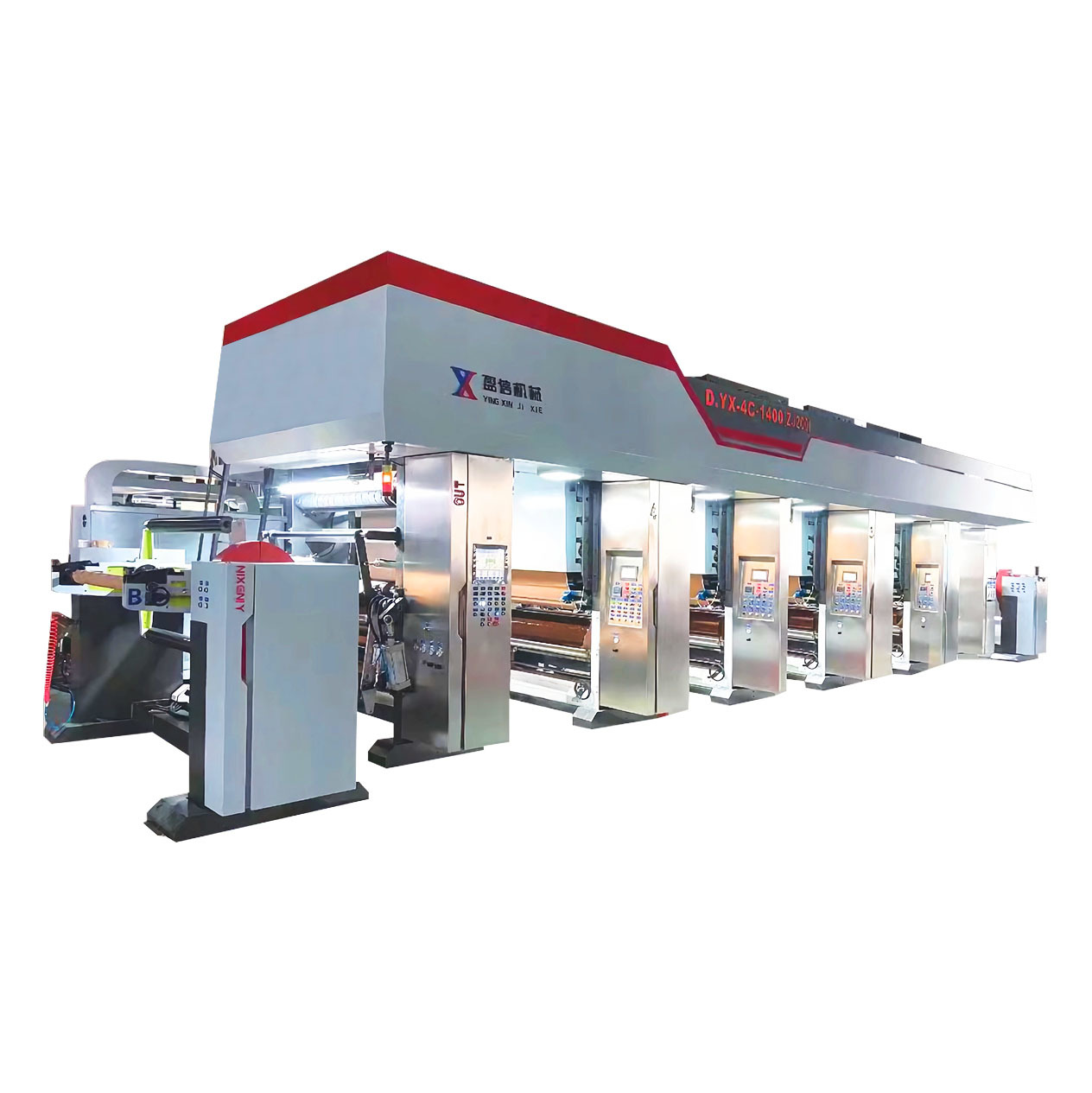
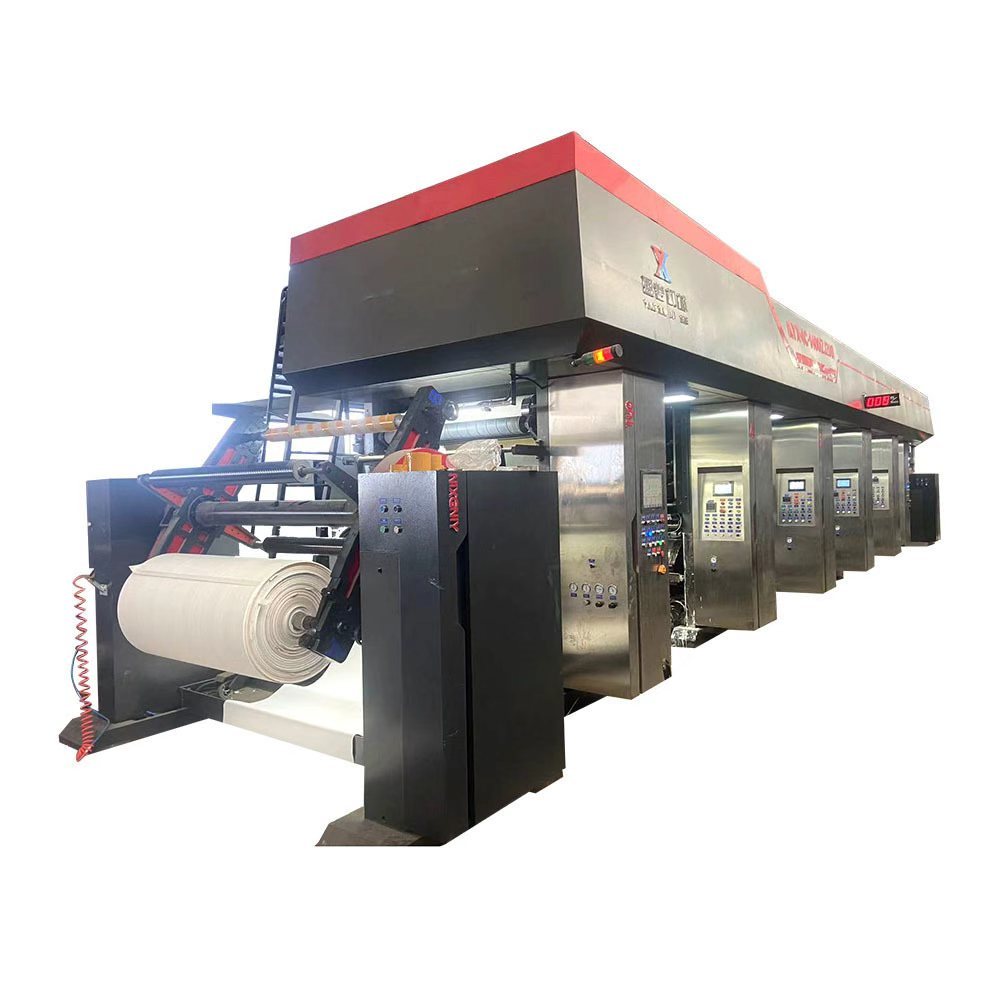
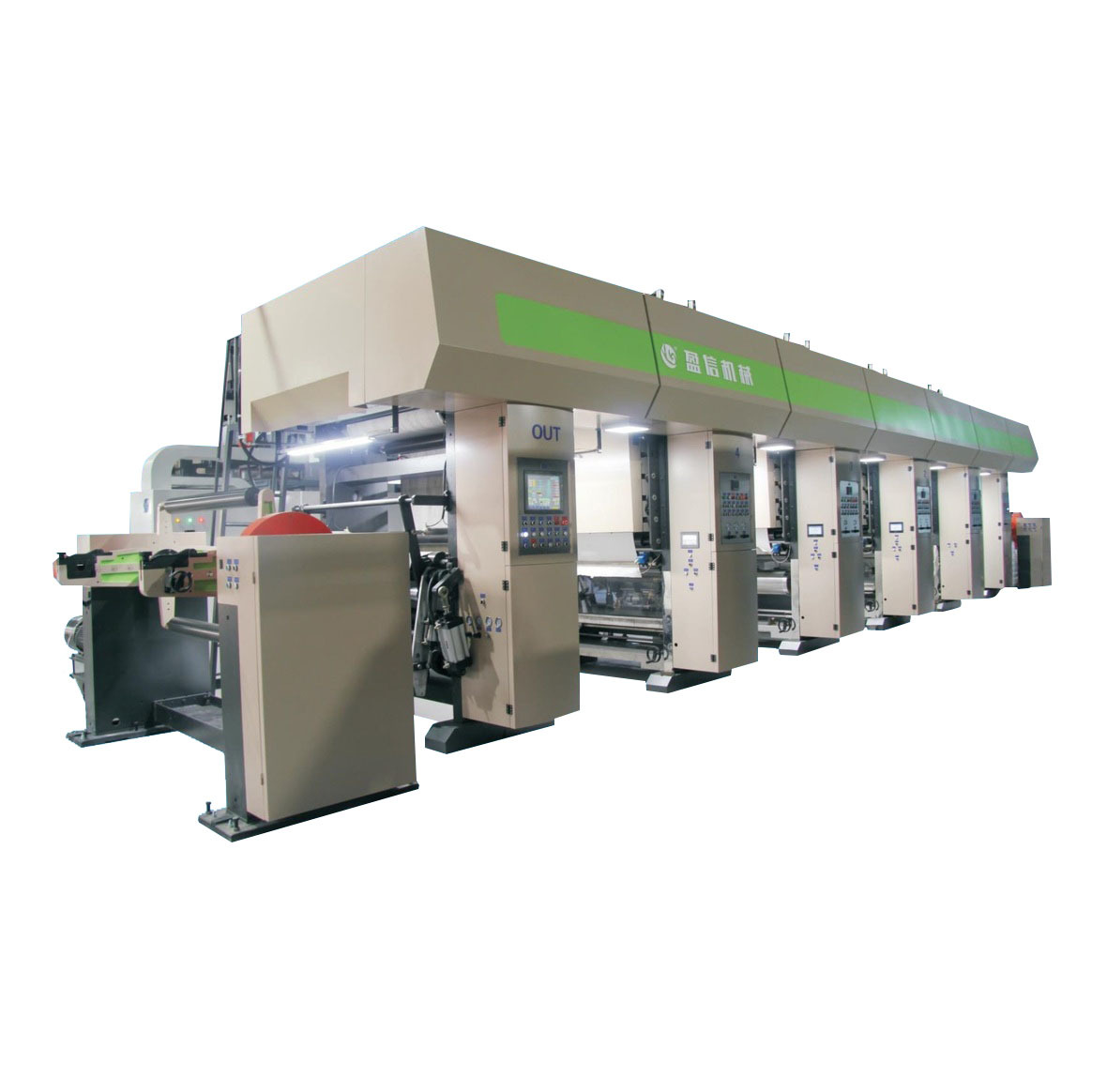
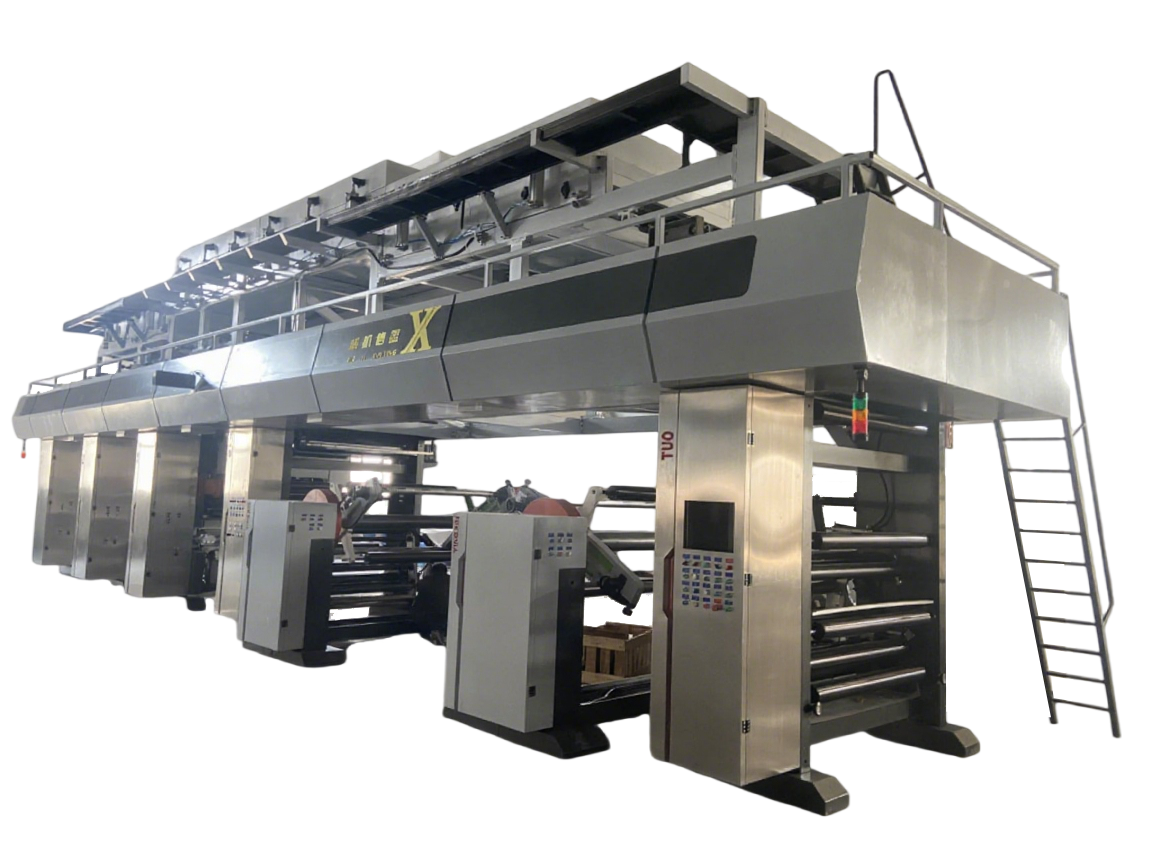
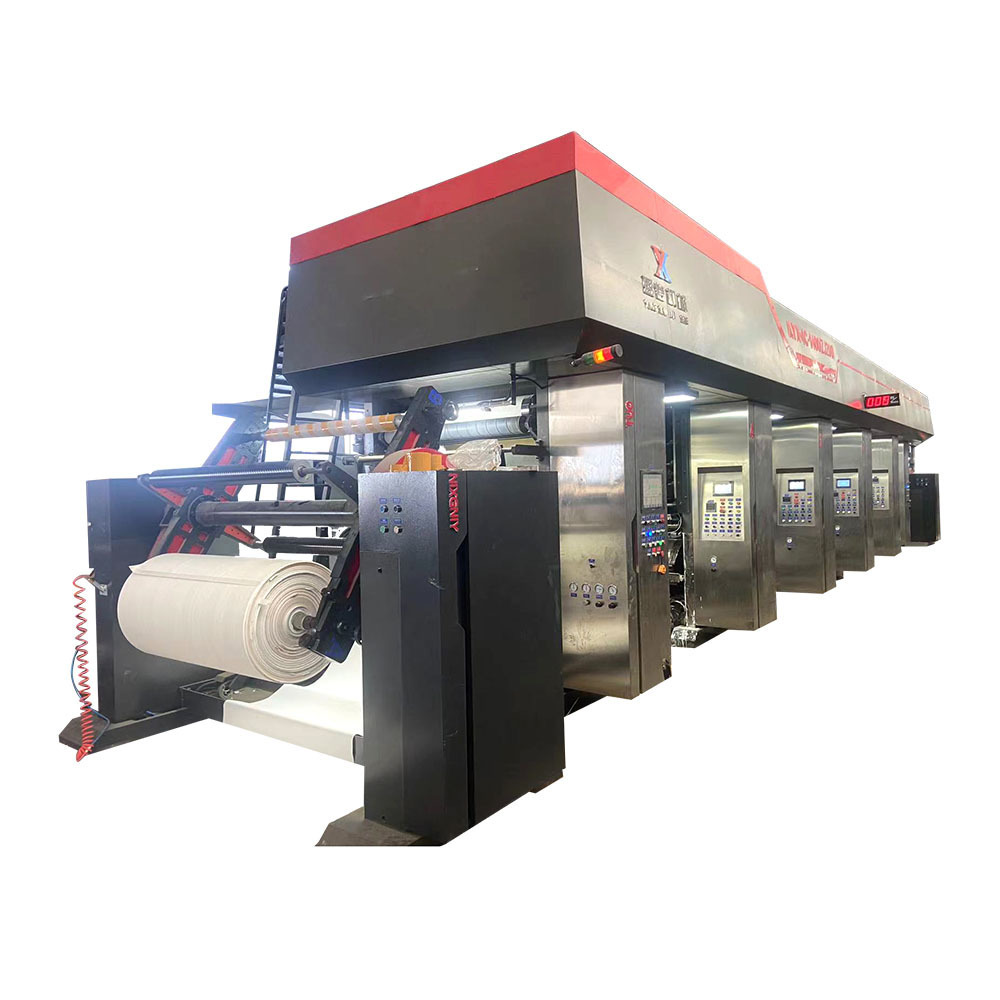
In an era where productivity and quality are paramount, the **manufacturing industry** continually seeks innovative solutions. Intelligent gravure printing machines are at the forefront of this revolution, providing unparalleled advantages over traditional printing methods. These machines incorporate advanced technologies that significantly enhance production quality while streamlining processes.
2. Understanding Gravure Printing Technology
Gravure printing is a high-speed, high-quality printing process used primarily for large-volume jobs. This section will explore how gravure printing works and its various applications.
2.1 How Gravure Printing Works
Gravure printing uses engraved cylinders to transfer ink onto substrates. The process begins with the creation of an image on a cylinder, where the image areas are recessed. As the cylinder rotates, it picks up ink and transfers it to the substrate through a doctor blade that removes excess ink. This method allows for **high-quality images** with vibrant colors and fine detail, making it ideal for packaging, magazines, and labels.
2.2 Applications of Gravure Printing Technology
Gravure printing is widely utilized in various industries, including:
- **Flexible packaging**: The flexibility and durability of gravure printing make it perfect for food packaging, cosmetic containers, and more.
- **Publishing**: High-quality images and text in magazines and catalogs benefit from the gravure printing process.
- **Textiles**: Gravure is used for printing intricate designs on fabrics, enhancing aesthetic appeal.
3. Intelligent Features of Gravure Printing Machines
The integration of **smart technologies** into gravure printing machines is transforming the manufacturing landscape. This section highlights the intelligent features that enhance production quality.
3.1 Automation and AI in Gravure Printing
Automated systems equipped with AI can predict maintenance needs, adjust ink viscosity, and optimize print speeds. This results in reduced downtime and improved efficiency. Additionally, AI algorithms analyze production data to enhance decision-making processes, allowing manufacturers to adapt quickly to market demands.
3.2 Real-Time Monitoring and Control
Modern gravure machines come with sensors and monitoring systems that provide real-time data on production quality. These systems can detect anomalies and alert operators, ensuring that any issues are addressed promptly. This real-time feedback loop enhances quality control, leading to consistent end products.
4. Benefits of Intelligent Gravure Printing Machines
Investing in intelligent gravure printing machines offers numerous benefits that contribute to overall production quality.
4.1 Quality Consistency in Production
One of the most significant advantages of intelligent gravure printing is the consistency of quality. These machines maintain precise control over ink application and substrate alignment, resulting in uniform prints across large production runs. This consistency reduces waste and enhances brand reputation by ensuring that products meet high-quality standards.
4.2 Cost-Efficiency and Resource Management
Intelligent gravure printing machines optimize resource usage, significantly lowering production costs. Advanced features such as ink savings through precision application and reduced material waste add to the cost-effectiveness of this technology. Moreover, automation minimizes labor costs and increases production speed, allowing businesses to scale efficiently.
5. Case Studies: Successful Implementation
To illustrate the transformative potential of intelligent gravure printing machines, let's examine a few notable case studies:
- **Case Study A**: A leading packaging company integrated intelligent gravure machines into its production line, resulting in a 30% increase in throughput and a significant reduction in material waste. The company reported improved customer satisfaction due to the consistency in print quality.
- **Case Study B**: A textile manufacturer adopted AI-driven gravure printing technology, enhancing its ability to produce intricate designs quickly. The shift led to a 40% reduction in production time and a 25% increase in overall profitability.
6. Future Trends in Gravure Printing Technology
The future of gravure printing is promising, with several trends shaping its evolution:
- **Sustainability Initiatives**: As environmental concerns grow, gravure printing technology is evolving to utilize eco-friendly inks and substrates. Manufacturers are focusing on minimizing the environmental impact of their processes.
- **Integration of IoT**: The Internet of Things (IoT) is set to play a crucial role in gravure printing by enabling interconnected machines that share data and optimize processes collectively.
- **Customization and Digitalization**: The demand for customized products is on the rise. Future gravure printing machines will likely incorporate digital elements to allow for shorter runs and personalized designs without sacrificing quality.
7. Frequently Asked Questions
What is gravure printing?
Gravure printing is a printing process that uses engraved cylinders to transfer ink onto various substrates, known for its high-quality and high-speed capabilities.
What are the advantages of intelligent gravure printing machines?
Intelligent gravure printing machines offer enhanced production quality, cost-efficiency, automation, consistency, and real-time monitoring capabilities.
How does automation improve gravure printing?
Automation in gravure printing reduces downtime, optimizes production processes, and allows for quick adjustments based on real-time data, enhancing overall efficiency.
What industries benefit from gravure printing?
Industries such as packaging, publishing, textiles, and labels significantly benefit from gravure printing technology due to its high-quality output and versatility.
What are the future trends in gravure printing technology?
Future trends include sustainability initiatives, IoT integration, and increased customization through digitalization, which will further enhance the gravure printing process.
8. Conclusion
Intelligent gravure printing machines represent a significant advancement in manufacturing technology, combining high-quality output with smart features that enhance production efficiency and consistency. By adopting these machines, manufacturers can not only improve overall production quality but also ensure they remain competitive in an ever-evolving market. Embracing innovation in gravure printing is crucial for organizations seeking to meet the demands of modern consumers while maintaining a focus on sustainability and cost-effectiveness.
Tag:
Blog



PRODUCT
message:Talk to an expert
WhatsApp:8618058732988
E-Mail:sales@yingxinmachinery.com
tel:+86-18058732988
Contact Us
1168 Jiuzhou Street, Linglong Street, Lin 'an District, Hangzhou City, Zhejiang Province
Mobile phone version
Copyright©Hangzhou Yingxin Machinery Co., Ltd.