

How Decorative Paper Rotogravure Machines Enhance Visual Appeal
How Decorative Paper Rotogravure Machines Enhance Visual Appeal Table of Contents 1. Introduction to Decorative Paper Rotogravure Machines 2. Understanding the Rotogravure Printing Process 2.1 The Basics of Rotogravure Printing 2.2 Advantages of Rotogravure Over Other Printing Methods 3. Importance of Visual Appeal in Printing 3.1 How Visual Appeal Affects Consumer Behavior 3.2 The Role of Color a
How Decorative Paper Rotogravure Machines Enhance Visual Appeal
Table of Contents
1. Introduction to Decorative Paper Rotogravure Machines
2. Understanding the Rotogravure Printing Process
2.1 The Basics of Rotogravure Printing
2.2 Advantages of Rotogravure Over Other Printing Methods
3. Importance of Visual Appeal in Printing
3.1 How Visual Appeal Affects Consumer Behavior
3.2 The Role of Color and Design in Visual Appeal
4. Applications of Decorative Paper Rotogravure Machines
4.1 Packaging and Labeling
4.2 Wallpaper and Interior Décor
4.3 Art Prints and Stationery
5. The Technological Advancements in Decorative Paper Rotogravure Machines
5.1 Innovations That Improve Print Quality
5.2 Sustainability and Eco-Friendly Practices
6. Choosing the Right Rotogravure Machine for Your Needs
6.1 Factors to Consider
6.2 Tips for Selecting a Supplier
7. The Future of Decorative Paper Rotogravure Machines
8. Frequently Asked Questions (FAQs)
9. Conclusion
1. Introduction to Decorative Paper Rotogravure Machines
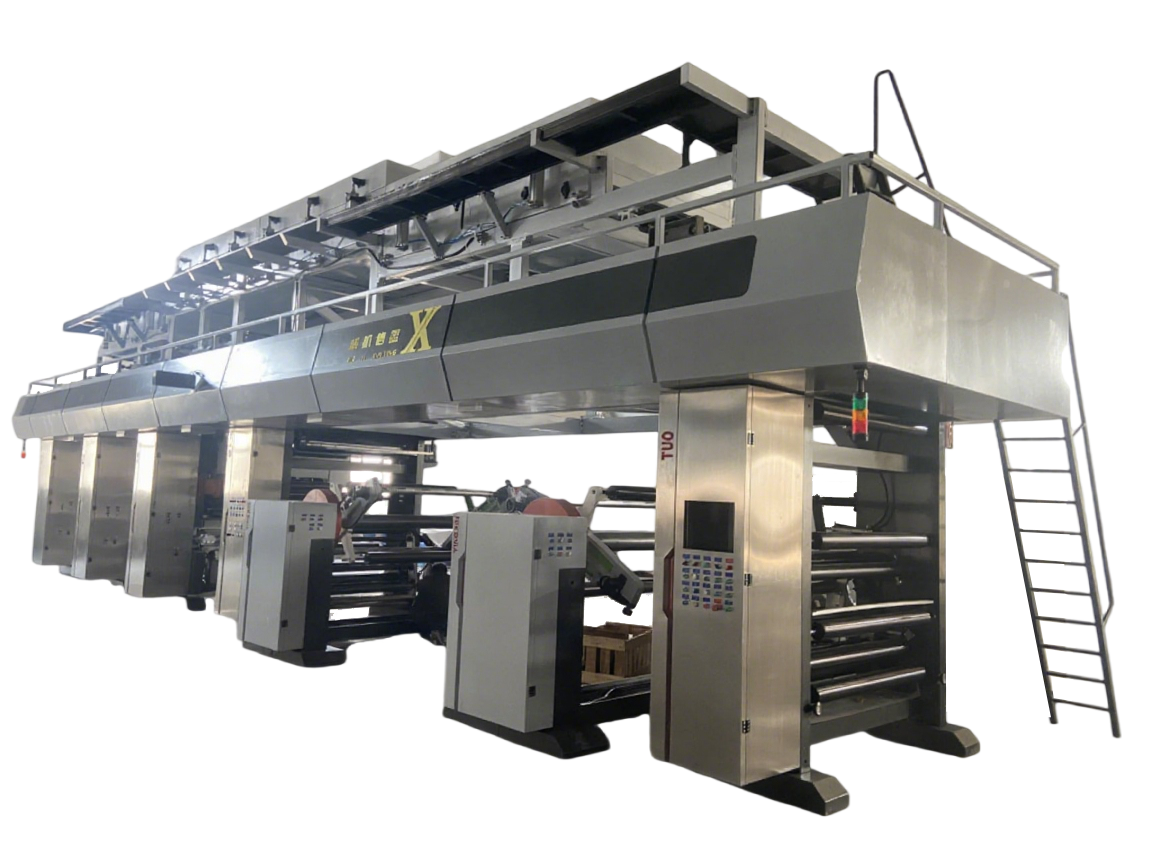
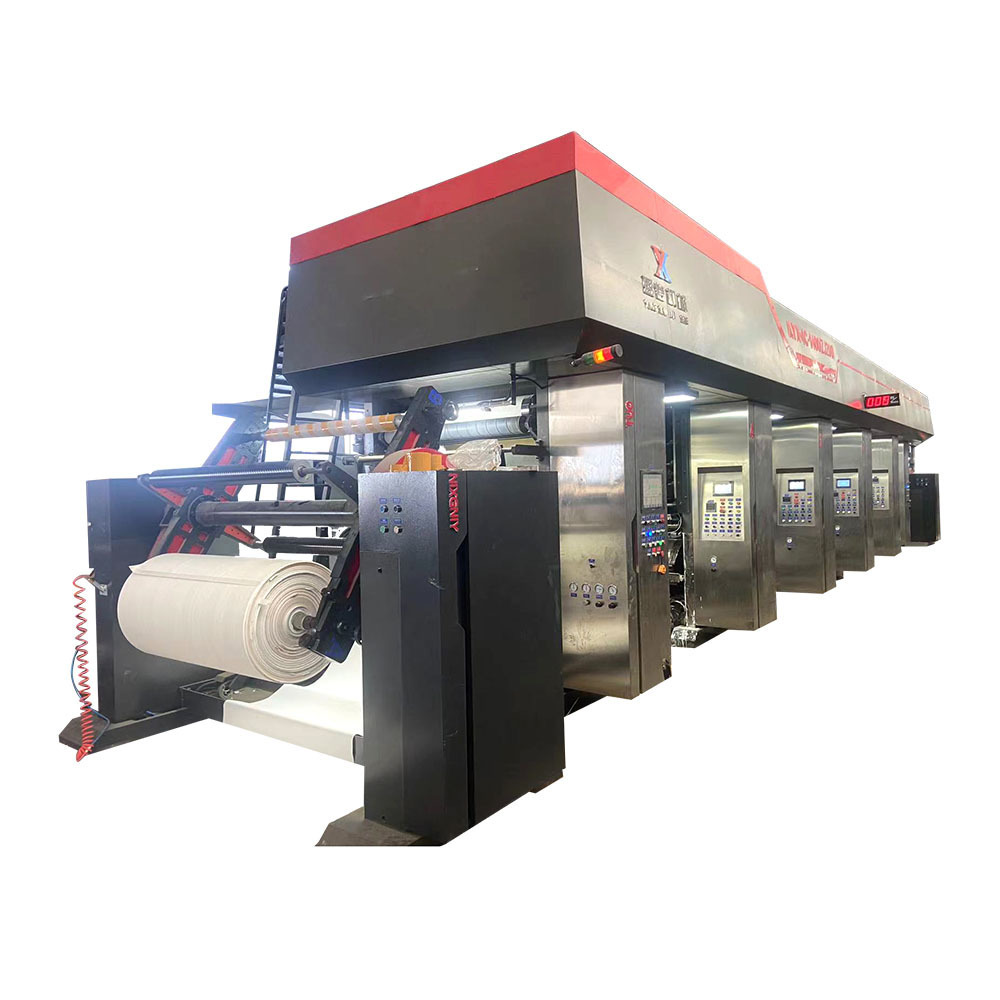
In today's visually-driven world, the demand for high-quality printed materials continues to grow. Decorative paper rotogravure machines are at the forefront of this evolution, enabling businesses to create stunning visual products that captivate audiences. These machines utilize an advanced printing technique that delivers exceptional detail, vibrant colors, and intricate designs. By understanding how these machines enhance visual appeal, businesses can leverage their capabilities to stand out in a competitive market.
2. Understanding the Rotogravure Printing Process
2.1 The Basics of Rotogravure Printing
Rotogravure printing, often referred to as gravure printing, involves the use of engraved cylinders that transfer ink onto a substrate. The process begins with the creation of a cylinder that features recessed cells, which hold the ink. As the cylinder rotates, it makes contact with the substrate, allowing the ink to be transferred in a precise manner. This method is particularly effective for large-volume print jobs due to its efficiency and consistency.
2.2 Advantages of Rotogravure Over Other Printing Methods
Rotogravure printing offers several advantages compared to traditional printing methods. One key benefit is the ability to produce high-quality images with exceptional detail. The engraved cylinders allow for a smoother ink transfer, resulting in sharper images and more vibrant colors. Additionally, rotogravure is cost-effective for large print runs, as the initial setup costs are offset by the high-speed production rates.
3. Importance of Visual Appeal in Printing
3.1 How Visual Appeal Affects Consumer Behavior
Visual appeal plays a crucial role in influencing consumer behavior. Products that are visually attractive are more likely to capture attention and drive sales. In competitive markets, businesses must ensure that their printed materials stand out. By utilizing decorative paper rotogravure machines, companies can create visually stunning products that not only attract potential customers but also enhance brand perception.
3.2 The Role of Color and Design in Visual Appeal
Color and design are fundamental components of visual appeal. The choice of color can evoke emotions, convey messages, and influence purchasing decisions. The intricate designs achievable with rotogravure printing allow businesses to create unique and memorable products. By incorporating eye-catching colors and creative layouts, companies can effectively communicate their brand identity and values through their printed materials.
4. Applications of Decorative Paper Rotogravure Machines
4.1 Packaging and Labeling
One of the most significant applications of decorative paper rotogravure machines is in packaging and labeling. High-quality packaging not only protects products but also serves as a marketing tool. Rotogravure printing enables brands to create visually appealing packaging that enhances their product's shelf presence. The detailed graphics and vibrant colors achieved through this process can make a lasting impression on consumers.
4.2 Wallpaper and Interior Décor
The interior design industry benefits greatly from decorative paper rotogravure machines. These machines facilitate the production of intricate wallpaper designs that transform living spaces. The ability to print large volumes of wallpaper with consistent quality ensures that designers can offer a wide range of options to their clients. Whether it’s floral patterns or abstract designs, rotogravure printing allows for creativity to flourish in interior décor.
4.3 Art Prints and Stationery
Artists and stationery brands are increasingly turning to decorative paper rotogravure machines to produce high-quality prints. The precision of rotogravure allows for the reproduction of fine art with remarkable detail, ensuring that the essence of the original piece is captured. Similarly, stationery products, such as greeting cards and invitations, benefit from the vibrant colors and crisp lines achievable through this printing method.
5. The Technological Advancements in Decorative Paper Rotogravure Machines
5.1 Innovations That Improve Print Quality
Recent advancements in decorative paper rotogravure technology have significantly improved print quality. Innovations such as digital engraving techniques and automated quality control systems have enhanced precision and consistency in printing. These advancements allow manufacturers to produce complex designs while maintaining high standards of quality, ultimately leading to better visual appeal.
5.2 Sustainability and Eco-Friendly Practices
As environmental concerns grow, the printing industry is also adapting to incorporate sustainable practices. Many decorative paper rotogravure machines are now designed to use eco-friendly inks and materials. This shift not only reduces the environmental impact of printing but also appeals to consumers who prioritize sustainability in their purchasing decisions. Companies that adopt these practices can enhance their brand reputation while contributing positively to the planet.
6. Choosing the Right Rotogravure Machine for Your Needs
6.1 Factors to Consider
When selecting a decorative paper rotogravure machine, several factors need to be taken into account. These include the machine's print speed, the range of materials it can handle, and the quality of output it delivers. Additionally, businesses should consider their production volume and any specific design requirements they may have. Understanding these factors can help companies choose a machine that aligns with their needs.
6.2 Tips for Selecting a Supplier
Choosing the right supplier for decorative paper rotogravure machines is equally important. Companies should seek suppliers with a proven track record and a solid reputation in the industry. It's beneficial to request demonstrations and evaluate the machine's performance firsthand. Additionally, consider the supplier's support services, warranty offerings, and availability of spare parts to ensure long-term satisfaction with the investment.
7. The Future of Decorative Paper Rotogravure Machines
The future of decorative paper rotogravure machines is promising, with continued advancements in technology and rising demand for high-quality printed materials. As more industries recognize the value of visual appeal, the adoption of rotogravure printing is likely to increase. Furthermore, ongoing innovations in sustainability will shape the future landscape, making it essential for businesses to stay ahead of the curve and invest in modern solutions that enhance their visual offerings.
8. Frequently Asked Questions (FAQs)
What is a rotogravure machine?
A rotogravure machine is a type of printing press that uses engraved cylinders to transfer ink onto a substrate, producing high-quality prints efficiently.
How does rotogravure printing differ from other printing methods?
Rotogravure printing differs from other methods like offset printing in that it utilizes engraved cylinders for ink transfer, allowing for sharper images and vibrant colors, particularly for large print runs.
What industries benefit from decorative paper rotogravure machines?
Industries such as packaging, interior décor, art printing, and stationery production benefit significantly from decorative paper rotogravure machines due to their ability to produce visually appealing materials.
Are decorative paper rotogravure machines environmentally friendly?
Many modern rotogravure machines are designed with sustainability in mind, utilizing eco-friendly inks and materials that reduce environmental impact.
What should I consider when purchasing a rotogravure machine?
When purchasing a rotogravure machine, consider factors like print speed, material compatibility, quality of output, and the supplier's reputation and support services.
9. Conclusion
Decorative paper rotogravure machines are vital tools that significantly enhance the visual appeal of printed products. By leveraging the advanced capabilities of these machines, businesses can produce high-quality materials that captivate and engage consumers. Understanding the rotogravure printing process, its various applications, and the importance of visual appeal can empower companies to make informed decisions about their printing needs. As technology continues to evolve, staying abreast of innovations in this field will allow businesses to maintain a competitive edge in the market.
Tag:
Blog



PRODUCT
message:Talk to an expert
WhatsApp:8618058732988
E-Mail:sales@yingxinmachinery.com
tel:+86-18058732988
Contact Us
1168 Jiuzhou Street, Linglong Street, Lin 'an District, Hangzhou City, Zhejiang Province
Mobile phone version
Copyright©Hangzhou Yingxin Machinery Co., Ltd.