

The Significance of Color Management in Pattern Gravure Printing
The Significance of Color Management in Pattern Gravure Printing Table of Contents Introduction to Color Management in Gravure Printing Understanding Pattern Gravure Printing Importance of Color Management Key Techniques for Color Management in Gravure Printing Tools and Software for Effective Color Management Best Practices in Color Management Common Challenges in Color Management The Future of
The Significance of Color Management in Pattern Gravure Printing
Table of Contents
- Introduction to Color Management in Gravure Printing
- Understanding Pattern Gravure Printing
- Importance of Color Management
- Key Techniques for Color Management in Gravure Printing
- Tools and Software for Effective Color Management
- Best Practices in Color Management
- Common Challenges in Color Management
- The Future of Color Management in Gravure Printing
- Conclusion
- FAQs
Introduction to Color Management in Gravure Printing
Color management plays a vital role in the realm of pattern gravure printing, where precision and vibrancy are paramount. As technology evolves, the demand for high-quality prints that accurately reproduce colors continues to rise. This article delves into the significance of color management, exploring its methodologies and technologies, while highlighting the impact it has on achieving consistent, high-fidelity prints.
Understanding Pattern Gravure Printing
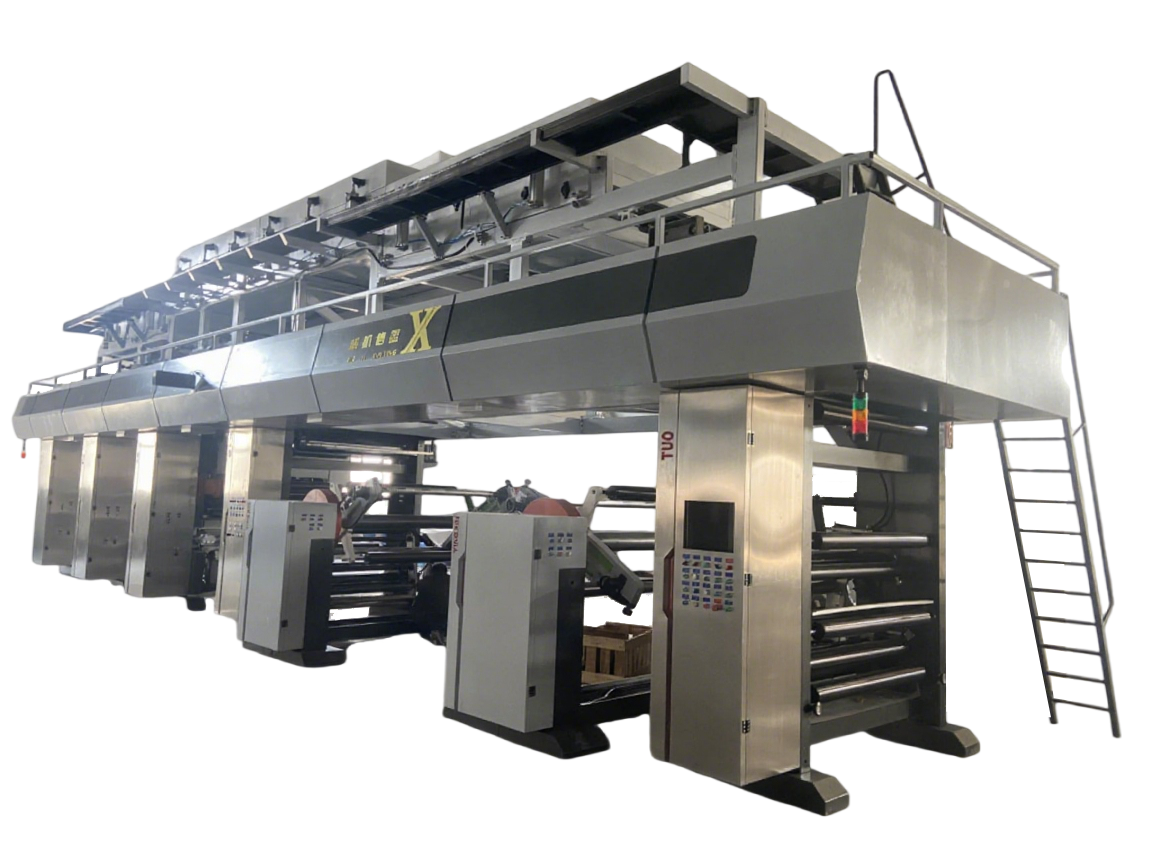
Pattern gravure printing is a high-quality, versatile printing technique widely used in various industries, including packaging, textiles, and decorative applications. Unlike traditional printing methods, gravure utilizes engraved cylinders to transfer ink onto the substrate, allowing for fine details and rich color reproduction.
In gravure printing, the ink is stored in tiny cells on a rotating cylinder. As the cylinder spins, it transfers ink to the substrate, creating intricate designs and patterns. This technique is highly favored for long print runs due to its efficiency and the ability to produce sharp, vibrant images.
The Role of Color in Gravure Printing
The color quality in pattern gravure printing significantly influences the final product. Accurately reproducing colors is essential for maintaining brand integrity and meeting customer expectations. Therefore, effective color management practices must be implemented to ensure consistency and quality at every stage of the printing process.
Importance of Color Management
Effective color management is crucial for several reasons:
1. Consistency Across Prints
Inconsistent colors can lead to customer dissatisfaction and increased costs. By implementing a robust color management system, printers can ensure that colors remain consistent across various print runs and substrates.
2. Enhanced Color Accuracy
Color management allows for precise color matching, ensuring that the final print closely resembles the original design. This accuracy is vital for industries where brand colors must be maintained, such as in packaging and advertising.
3. Improved Workflow Efficiency
A well-structured color management process can streamline workflows, reduce waste, and enhance productivity. By minimizing the need for reprints due to color discrepancies, businesses can save time and resources.
4. Better Communication
Color management provides a common language for designers and printers, facilitating better communication about color expectations and requirements. This clarity helps prevent misunderstandings and ensures that the final product aligns with the client's vision.
Key Techniques for Color Management in Gravure Printing
To achieve effective color management in pattern gravure printing, several techniques can be employed:
1. Color Profiling
Creating accurate color profiles for each device involved in the printing process is essential. This includes defining the color gamut of the printers, monitors, and any other devices used for color representation.
2. Calibration
Regular calibration of printing equipment is necessary to ensure color accuracy. This process involves adjusting the devices to maintain consistent color output, minimizing discrepancies that can arise due to environmental changes or equipment wear.
3. Color Separation
Color separation involves breaking down images into their constituent colors, typically using the CMYK color model. Proper separation allows for accurate ink application, ensuring that the colors are reproduced as intended.
4. Ink Management
Selecting the right inks for the specific substrates and ensuring that they are compatible is crucial. Ink composition can significantly affect color reproduction, so it’s essential to choose high-quality inks designed for gravure printing.
5. Proofing
Proofing is a critical step in the color management process. Producing a physical proof allows printers to assess color accuracy and make necessary adjustments before the final print run. This step helps to catch potential issues early on, saving time and resources.
Tools and Software for Effective Color Management
Several tools and software solutions are available to assist with color management in gravure printing:
1. Color Management Software
Software applications such as Adobe Photoshop, Illustrator, and specialized color management tools like X-Rite or EFI Colorproof can streamline the process of color profiling, calibration, and proofing.
2. Spectrophotometers
These devices measure color accurately and are used to create color profiles. Spectrophotometers provide precise data on how colors appear, allowing for better adjustments and consistency.
3. Digital Proofing Systems
Digital proofing systems enable printers to produce high-fidelity proofs before the actual print run. This technology allows for adjustments to be made quickly, ensuring that color accuracy is maintained.
Best Practices in Color Management
To enhance color management in pattern gravure printing, consider the following best practices:
1. Standardization
Implement standardized processes and guidelines for color management across all departments. This consistency ensures that everyone involved in the printing process adheres to the same standards.
2. Training and Education
Invest in training for staff members on color management principles and techniques. Understanding the importance of color accuracy and the methods to achieve it will lead to improved outcomes.
3. Regular Audits
Conduct regular audits of color management practices to identify areas for improvement. Monitoring and evaluating color performance will help maintain high standards and address any challenges that may arise.
4. Collaboration with Clients
Work closely with clients to understand their color expectations and requirements. Open communication helps align goals and ensures that the final product meets or exceeds client satisfaction.
Common Challenges in Color Management
Despite the importance of color management, several challenges can arise:
1. Variability in Substrates
Different substrates can absorb and reflect ink differently, leading to variations in color. Understanding how each substrate interacts with inks is crucial for accurate color reproduction.
2. Environmental Factors
Lighting conditions can greatly influence color perception. Ensuring consistent lighting in the printing environment can help mitigate these effects and enhance color accuracy.
3. Technology Limitations
Not all printing equipment may support advanced color management techniques. It's essential to assess the capabilities of your equipment and invest in upgrades when necessary.
The Future of Color Management in Gravure Printing
As technology evolves, the future of color management in gravure printing is set to become even more sophisticated. Innovations in color measurement, improved software algorithms, and advancements in printing technologies will enhance the accuracy and efficiency of color reproduction.
Automation and artificial intelligence are expected to play significant roles, enabling real-time adjustments and predictive analytics to optimize color output. As these technologies become more integrated into the printing process, the potential for achieving perfect color consistency and quality will expand.
Conclusion
In summary, effective color management is integral to the success of pattern gravure printing. By understanding its importance and implementing best practices, printers can achieve high-quality, consistent results that meet customer expectations. Investing in the right tools, training, and processes will not only enhance print quality but also streamline workflows and reduce costs. As the industry continues to evolve, staying ahead in color management will be vital for maintaining a competitive edge.
FAQs
1. What is pattern gravure printing?
Pattern gravure printing is a high-quality printing technique that uses engraved cylinders to transfer ink onto various substrates, allowing for intricate designs and vibrant colors.
2. Why is color management important in gravure printing?
Color management ensures consistency, accuracy, and efficiency in the printing process, helping to produce high-quality prints that meet client expectations.
3. What tools are essential for color management?
Key tools include color management software, spectrophotometers, and digital proofing systems, all of which aid in achieving color accuracy and consistency.
4. What challenges can arise in color management?
Common challenges include variability in substrates, environmental factors affecting color perception, and technology limitations in the printing equipment.
5. How can I improve color management in my printing process?
Implementing standardized processes, providing staff training, conducting regular audits, and collaborating with clients are effective ways to enhance color management practices.
Tag:
Blog





PRODUCT



message:Talk to an expert
WhatsApp:8618058732988
E-Mail:sales@yingxinmachinery.com
tel:+86-18058732988
Contact Us
1168 Jiuzhou Street, Linglong Street, Lin 'an District, Hangzhou City, Zhejiang Province
Mobile phone version
Copyright©Hangzhou Yingxin Machinery Co., Ltd.