

The Science Behind Film Rotogravure Printing: How It Works
The Science Behind Film Rotogravure Printing: How It Works Table of Contents Introduction to Film Rotogravure Printing Historical Development of Rotogravure Printing How Rotogravure Printing Works The Process of Engraving Photopolymer Cylinders Ink Application and Transfer Advantages of Rotogravure Printing Common Applications of Film
The Science Behind Film Rotogravure Printing: How It Works
Table of Contents
- Introduction to Film Rotogravure Printing
- Historical Development of Rotogravure Printing
- How Rotogravure Printing Works
- Advantages of Rotogravure Printing
- Common Applications of Film Rotogravure Printing
- Challenges and Limitations of Rotogravure Printing
- Future Trends in Rotogravure Printing
- FAQs about Rotogravure Printing
Introduction to Film Rotogravure Printing
Film rotogravure printing is a high-speed printing technique renowned for its ability to produce high-quality images with vibrant colors. This method utilizes engraved cylinders to transfer ink onto various substrates, making it a preferred choice for packaging materials, labels, and decorative products. Understanding the science behind this technology involves exploring its intricate processes, advantages, and applications.
Historical Development of Rotogravure Printing
The origins of rotogravure printing trace back to the late 19th century, evolving significantly over the decades. Initially employed for artistic prints, it gained traction in commercial applications during the 1920s. The development of photopolymer technology in the 1970s revolutionized the printing process, allowing for more efficient and cost-effective cylinder production. This historical context highlights the ongoing innovation that has shaped film rotogravure into a leading printing method today.
How Rotogravure Printing Works
Understanding how film rotogravure printing works requires a detailed examination of its fundamental processes. This section deconstructs the primary stages involved in rotogravure printing, emphasizing the significance of each step.
The Process of Engraving Photopolymer Cylinders
Engraving is a critical step in rotogravure printing, involving the creation of an engraved cylinder that serves as the printing plate. This process typically utilizes photopolymer materials that are sensitive to light. The design is transferred onto the cylinder using a laser engraving system, where the laser removes material to create recessed cells that will hold the ink. The depth and size of these cells are pivotal in determining the ink volume and print quality. Consequently, precision in this step ensures that the final prints exhibit sharp and crisp images.
Ink Application and Transfer
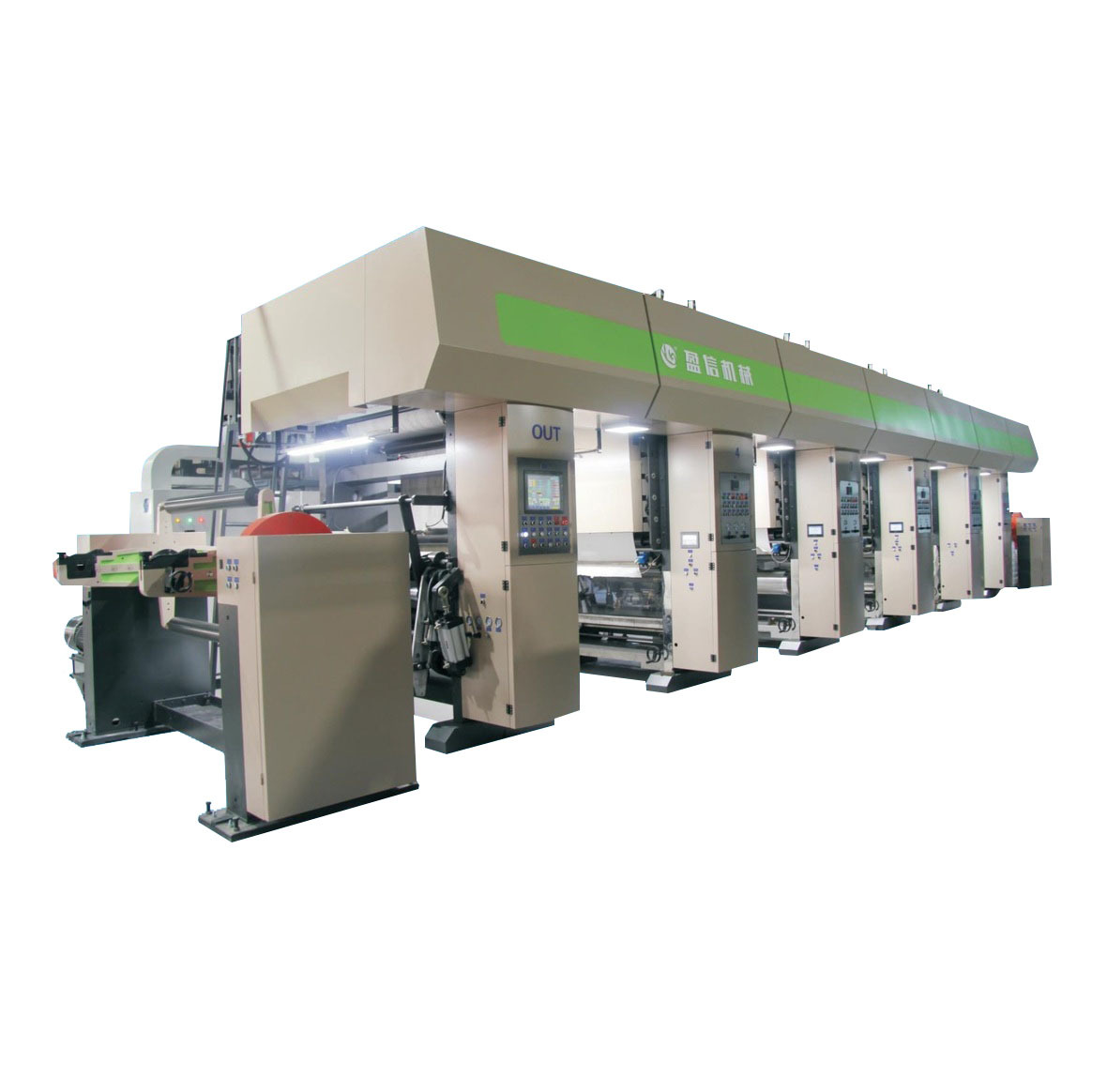
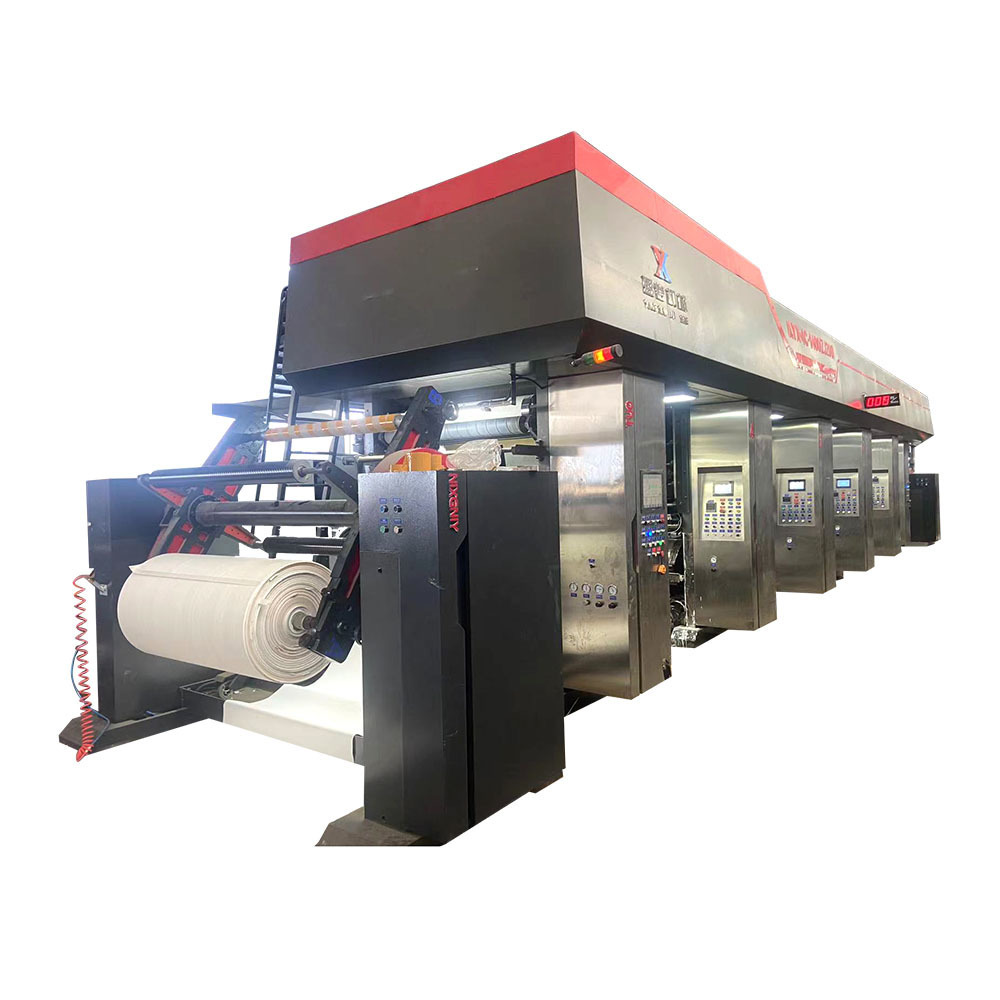
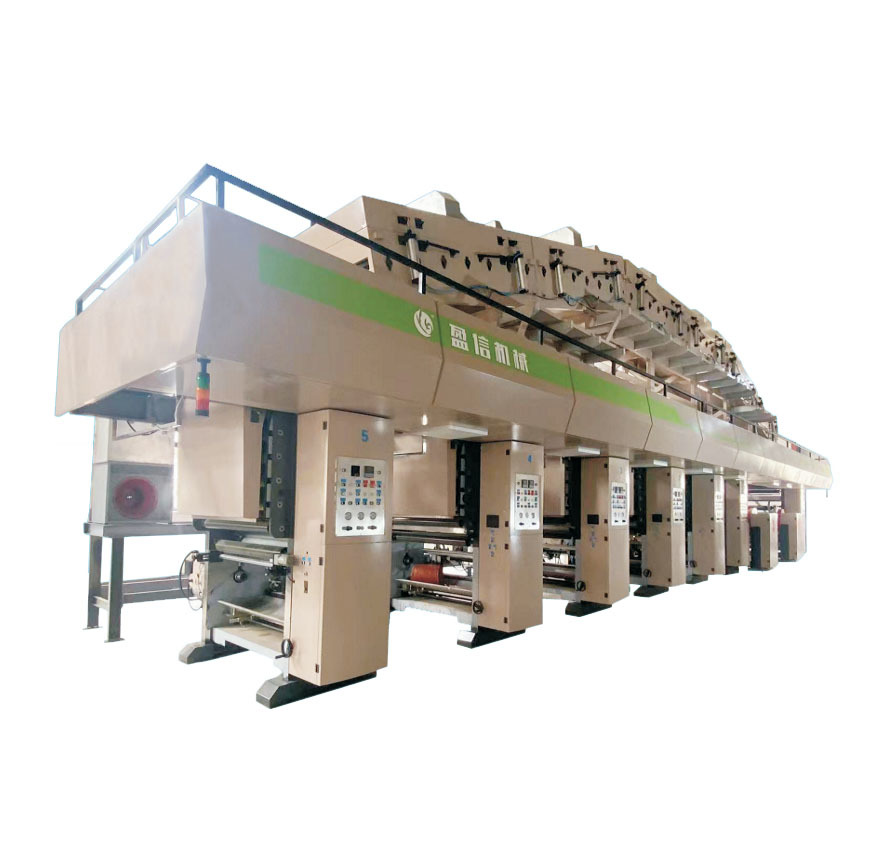
Once the engraved cylinder is prepared, the next step involves ink application. The cylinder is submerged in a reservoir of ink, allowing the recessed cells to fill with the ink. An important component of this process is the doctor blade, which scrapes excess ink off the surface of the cylinder, leaving only the ink within the cells. As the cylinder rotates, it comes into contact with the substrate, transferring the ink in a controlled and precise manner. This seamless interaction between the cylinder and the substrate is what enables film rotogravure printing to achieve high-quality results at impressive speeds.
Advantages of Rotogravure Printing
Film rotogravure printing offers several notable advantages that make it a popular choice in various industries:
1. **High Print Quality**: The engraved cylinders allow for exceptionally detailed and sharp prints, which is crucial for packaging and promotional materials.
2. **Fast Production Speeds**: Rotogravure printing is known for its efficiency, enabling high-volume runs without compromising quality.
3. **Versatility**: This printing method can be applied to a wide range of substrates, including paper, plastic films, and metallic surfaces, making it suitable for diverse applications.
4. **Long Print Runs**: Rotogravure is particularly cost-effective for long print runs, as the engraved cylinders can produce consistent results over extended periods.
5. **Vibrant Colors**: The ability to utilize a wide spectrum of inks results in vibrant and lifelike colors that enhance the visual appeal of printed materials.
Common Applications of Film Rotogravure Printing
Film rotogravure printing finds utility across numerous sectors, including:
- **Packaging**: Used extensively for flexible packaging, rotogravure printing produces eye-catching designs that attract consumers.
- **Labels**: High-quality labels for products ranging from beverages to cosmetics benefit from the precision of rotogravure printing.
- **Decorative Printing**: This method is employed in producing decorative surfaces for textiles, wallpapers, and other consumer goods.
- **Publishing**: Magazines and high-end photography books utilize rotogravure printing for its superior image quality.
Challenges and Limitations of Rotogravure Printing
Despite its numerous advantages, film rotogravure printing is not without challenges:
1. **High Initial Costs**: The cost of creating engraved cylinders can be significant, making it less suitable for short print runs.
2. **Long Setup Times**: Preparing the cylinders and setting up the printing process can be time-consuming, affecting turnaround times for smaller projects.
3. **Environmental Concerns**: Some inks and solvents used in rotogravure printing may pose environmental risks, necessitating careful consideration of materials.
Future Trends in Rotogravure Printing
The future of film rotogravure printing is poised for innovation. Key trends include:
- **Sustainable Practices**: The industry is increasingly adopting eco-friendly inks and materials to address environmental concerns.
- **Digital Integration**: The integration of digital technologies in the engraving process is streamlining production and enhancing customization options.
- **Advanced Imaging Technologies**: New imaging techniques are being explored to further improve print quality and reduce costs.
FAQs about Rotogravure Printing
1. What are the main benefits of rotogravure printing compared to other methods?
Rotogravure printing offers superior print quality, faster production speeds, and versatility across various substrates, making it ideal for high-volume jobs.
2. How long do engraved cylinders last?
Engraved cylinders can last for thousands of impressions, depending on the substrate and ink used, making them a durable option for long runs.
3. What types of inks are used in rotogravure printing?
Rotogravure printing typically uses solvent-based, water-based, and UV-curable inks, each selected for specific applications and substrates.
4. Is rotogravure printing suitable for small print runs?
While rotogravure is more cost-effective for large print runs due to initial setup costs, advancements in digital integration may make it viable for shorter runs in the future.
5. What industries primarily utilize rotogravure printing?
Rotogravure printing is widely utilized in packaging, labels, decorative printing, and publishing, serving various commercial sectors effectively.
Conclusion
Film rotogravure printing is a sophisticated and efficient printing method that continues to evolve, offering unparalleled quality and speed. Understanding the mechanics behind this technology not only highlights its significance in modern printing but also points towards a future filled with advancements. As we embrace sustainable practices and innovative technologies, the potential of film rotogravure printing remains vast, ensuring its place as a cornerstone of the printing industry for years to come.
Tag:
Blog

Film Rotogravure Printing Machines: Key Industry Applications

PRODUCT
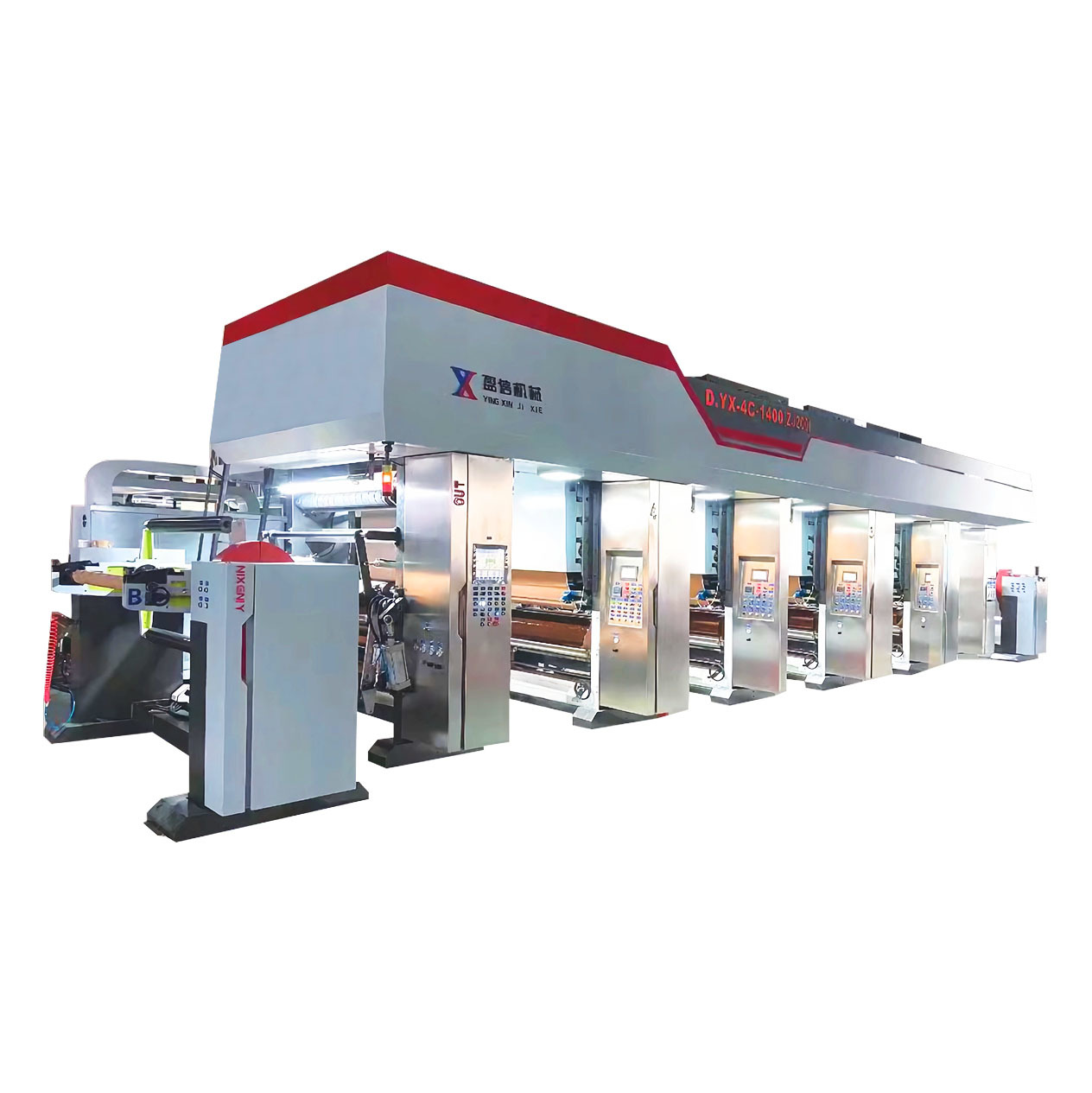
Best D.YX-4C-1400(ZJ200)Automatic gravure printing machine
message:Talk to an expert
WhatsApp:8618058732988
E-Mail:sales@yingxinmachinery.com
tel:+86-18058732988
Contact Us
1168 Jiuzhou Street, Linglong Street, Lin 'an District, Hangzhou City, Zhejiang Province
Mobile phone version
Copyright©Hangzhou Yingxin Machinery Co., Ltd.