

The Evolution of PVC Gravure Printing Technology Over the Years: Advancements, Innovations, and Future Trends
The Evolution of PVC Gravure Printing Technology Over the Years Table of Contents 1. Introduction to PVC Gravure Printing 2. Historical Background of Gravure Printing 3. Technological Advancements in PVC Gravure Printing 4. Applications and Industry Impact of PVC Gravure Printing 5. Sustainability and Environmental Considerations 6. Future Trends in Gravure Printing Technology 7. Ch
The Evolution of PVC Gravure Printing Technology Over the Years
Table of Contents
- 1. Introduction to PVC Gravure Printing
- 2. Historical Background of Gravure Printing
- 3. Technological Advancements in PVC Gravure Printing
- 4. Applications and Industry Impact of PVC Gravure Printing
- 5. Sustainability and Environmental Considerations
- 6. Future Trends in Gravure Printing Technology
- 7. Challenges Facing the Gravure Printing Industry
- 8. Conclusion
- 9. FAQs
1. Introduction to PVC Gravure Printing
PVC gravure printing has emerged as a pivotal technology in the manufacturing and printing sector. This intricate process has been fine-tuned over decades, evolving to meet the demands of various industries, including packaging, textiles, and decorative printing. Gravure printing, characterized by its ability to produce high-quality, detailed images, is particularly well-suited for PVC applications. As we explore the evolution of this technology, we will uncover the key advancements that have shaped its current landscape.
2. Historical Background of Gravure Printing
The gravure printing technique dates back to the 19th century, with its roots in intaglio printing methods. Initially utilized for art and currency, gravure printing began transitioning to commercial applications in the early 20th century. The introduction of rotary gravure printing in the 1930s marked a significant shift, enabling faster production speeds and higher volumes.
As PVC materials gained popularity in the 1960s and 1970s, the gravure process adapted to accommodate these flexible substrates. The ability to achieve vibrant colors and intricate designs made PVC gravure printing a preferred choice for packaging and labeling sectors.
3. Technological Advancements in PVC Gravure Printing
Advancements in technology have played a crucial role in enhancing the capabilities of PVC gravure printing. Innovations such as digital engraving and high-definition gravure cylinders have dramatically improved print quality.
**Digital Engraving Technology**
Digital engraving allows for precise and efficient cylinder production, drastically reducing the time and cost associated with traditional methods. This technology has enabled printers to produce short runs of customized designs without sacrificing quality.
**Ink Development**
The evolution of inks has also contributed to the success of PVC gravure printing. Modern inks are designed to adhere better to PVC substrates, with improved color fastness and reduced environmental impact. Water-based inks have gained traction, offering a more sustainable alternative to solvent-based options.
**Printing Equipment Enhancements**
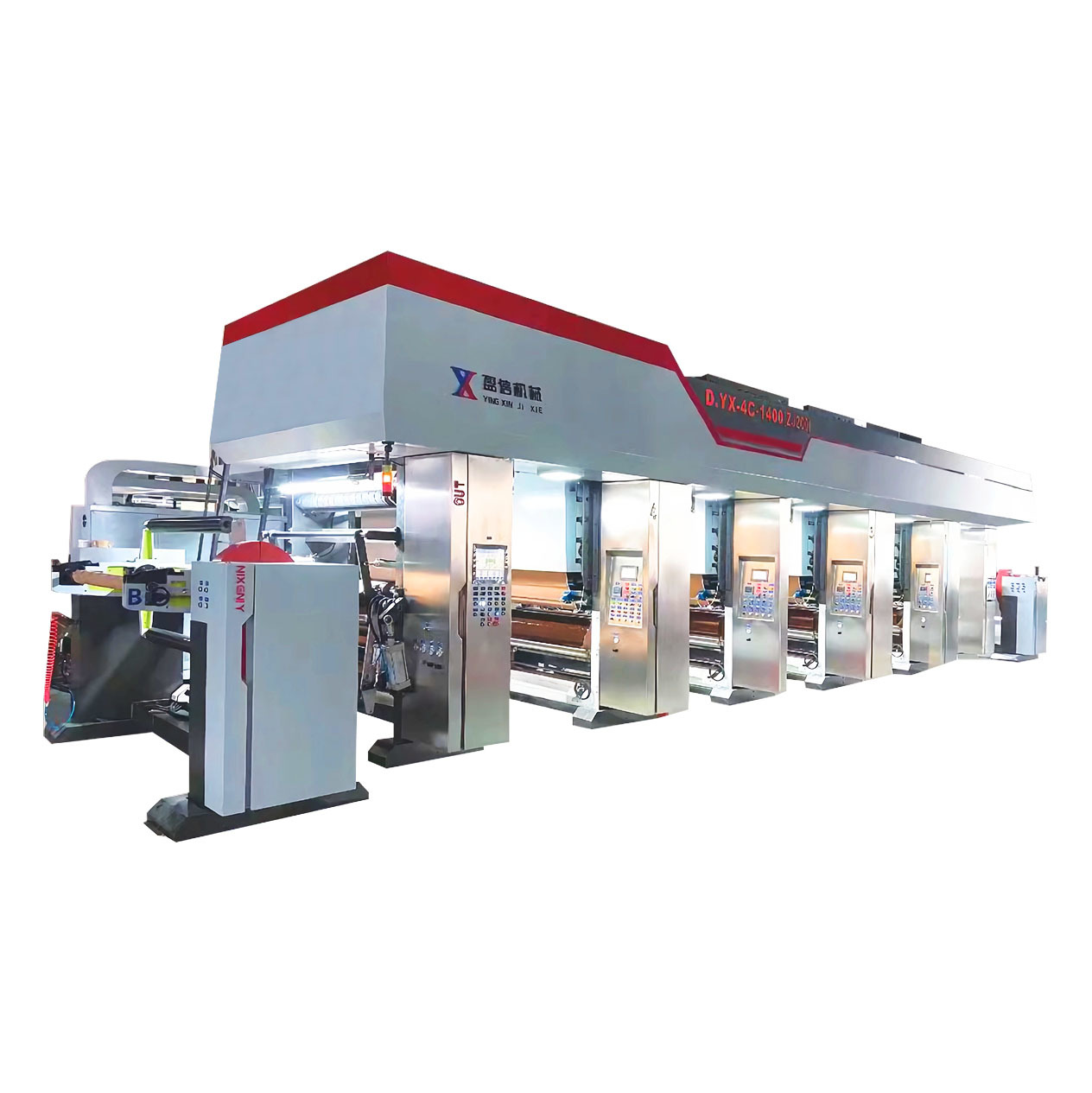
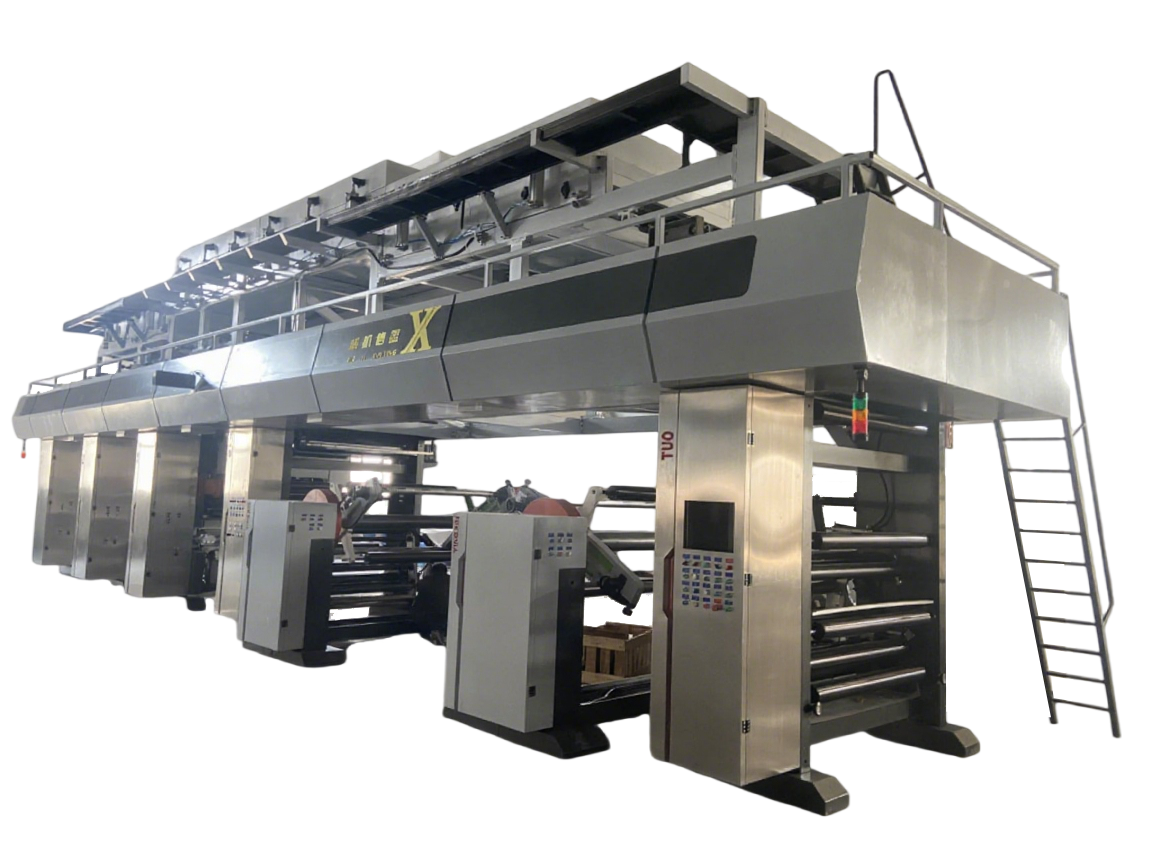
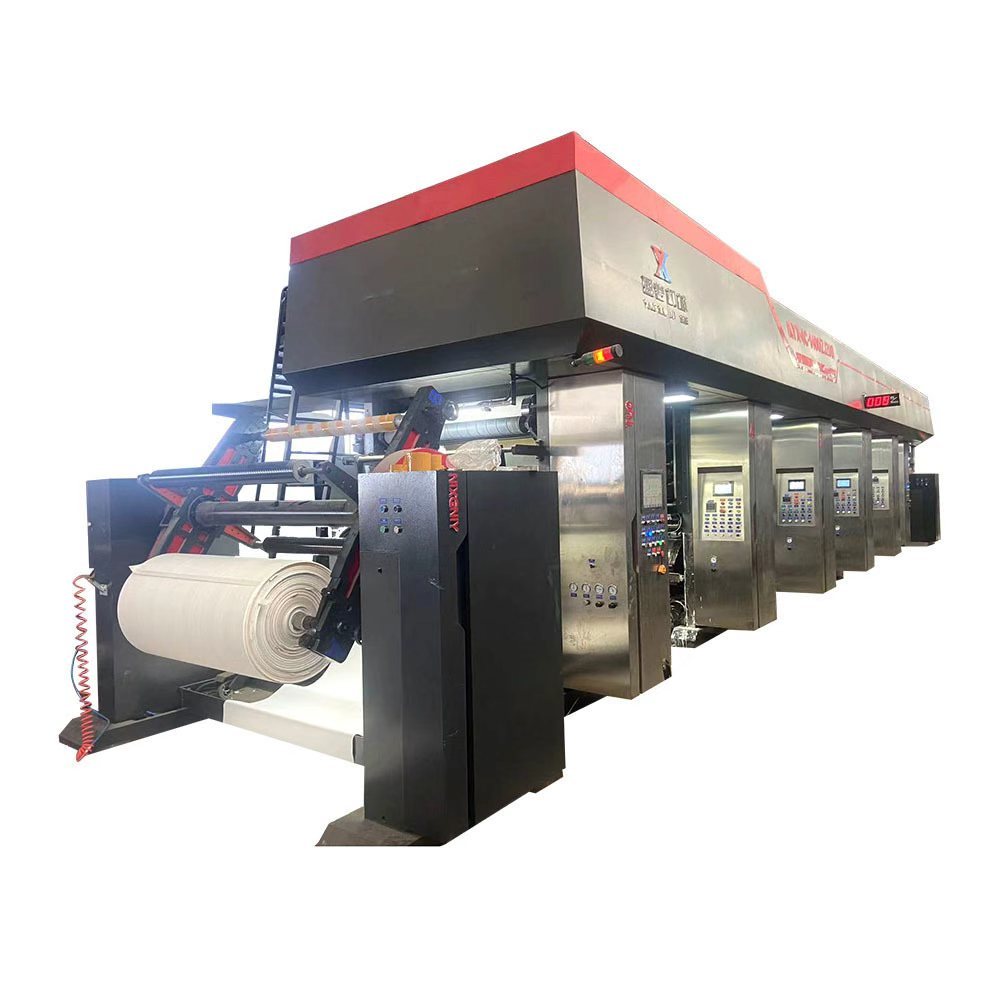
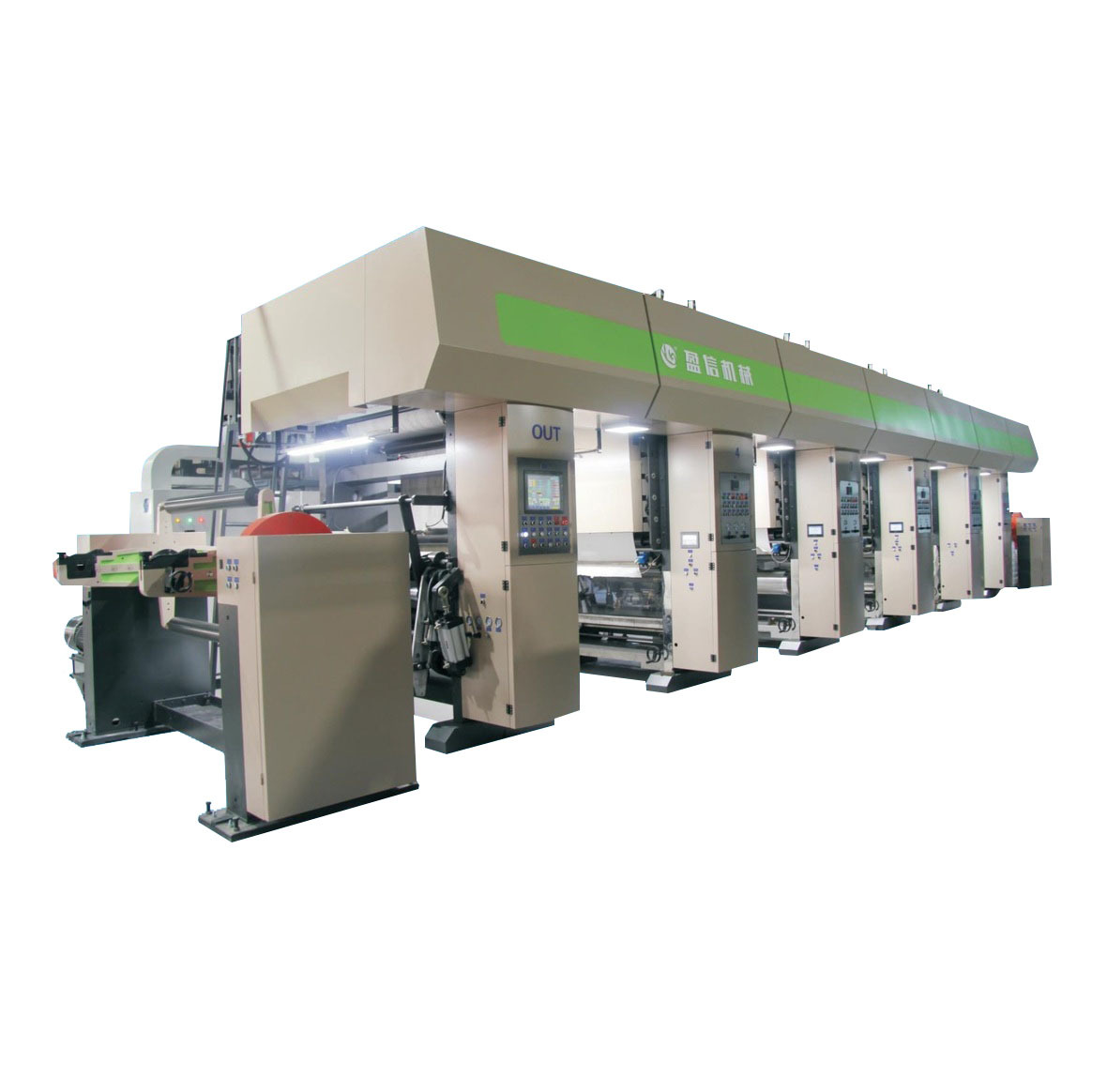
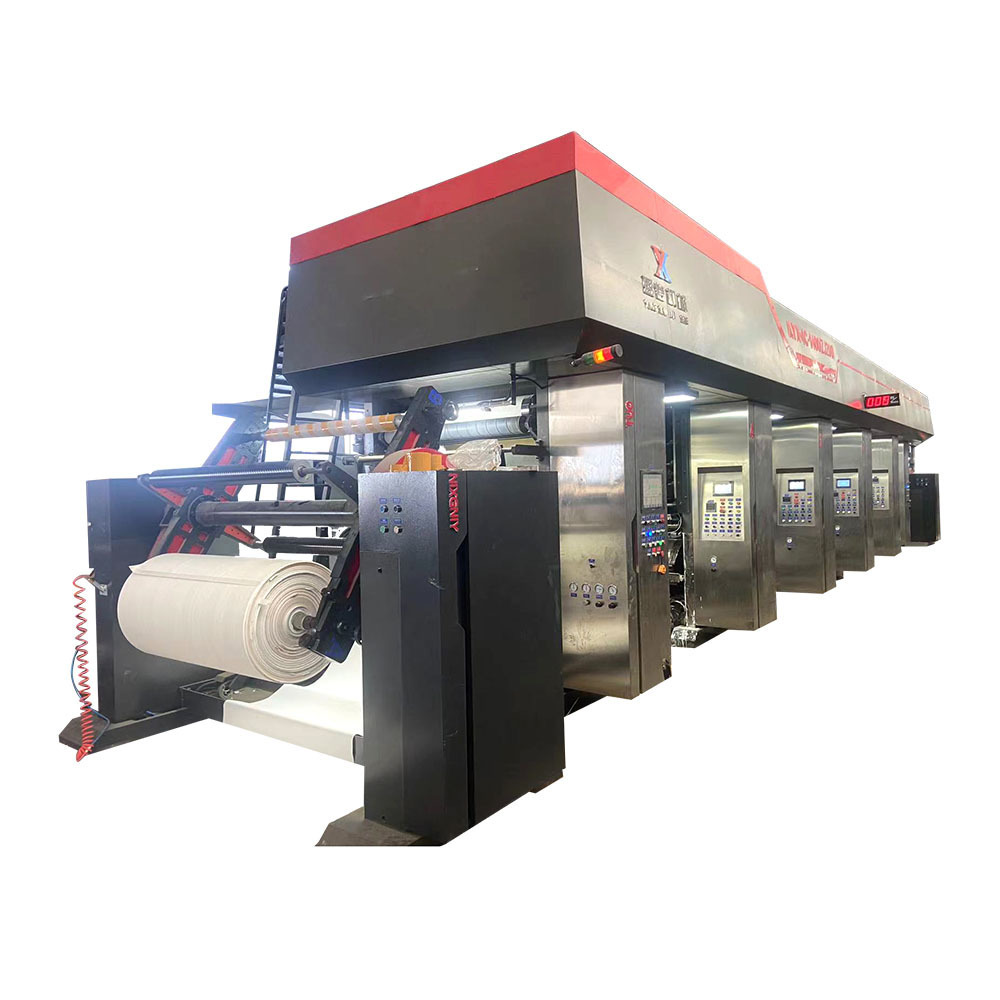
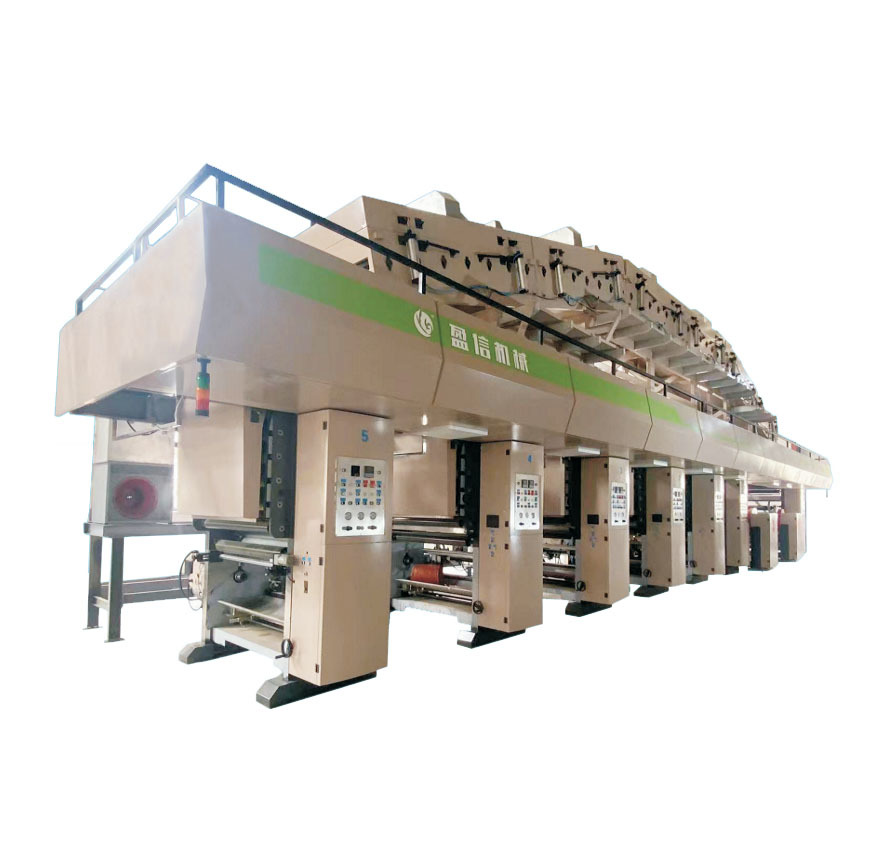
Recent advancements in printing machinery, including automated press systems and sophisticated web handling technologies, have optimized the gravure printing process. These enhancements lead to increased efficiency, reduced waste, and tighter quality control, allowing printers to meet the evolving demands of clients.
4. Applications and Industry Impact of PVC Gravure Printing
The versatility of PVC gravure printing has enabled its widespread application across various sectors. The packaging industry, particularly flexible packaging, has benefited immensely from the high-quality output and efficiency of gravure printing.
**Flexible Packaging**
PVC gravure printing is extensively used in the production of flexible packaging materials, such as pouches, wrappers, and labels. The ability to produce eye-catching designs while maintaining durability makes it an ideal choice for this sector.
**Decorative Printing**
In the realm of decorative printing, gravure technology allows for intricate designs on various surfaces. From wall coverings to textiles, gravure printing provides aesthetic appeal and functionality.
**Industrial Applications**
Gravure printing is also utilized in industrial applications, including the production of electronic components and automotive parts. Its ability to print on diverse substrates makes it a valuable asset in the manufacturing process.
5. Sustainability and Environmental Considerations
As the industry faces increasing scrutiny regarding environmental impact, PVC gravure printing has made strides toward sustainability. The shift toward eco-friendly inks and processes reflects a growing commitment to minimizing waste and reducing carbon footprints.
**Water-Based Inks**
The adoption of water-based inks has become commonplace, significantly reducing volatile organic compounds (VOCs) released into the atmosphere. This shift not only benefits the environment but also enhances worker safety within printing facilities.
**Recycling Initiatives**
The industry is also exploring innovative recycling initiatives to ensure the responsible disposal of PVC materials. Collaborative efforts between manufacturers and recycling companies aim to create a circular economy for PVC products, further promoting sustainability.
6. Future Trends in Gravure Printing Technology
As PVC gravure printing continues to evolve, several trends are expected to shape its future.
**Integration of Automation**
The integration of automation into the printing process will likely enhance efficiency and consistency. Automated systems can streamline workflows, reduce labor costs, and minimize human error, resulting in higher-quality output.
**Personalization and Customization**
With the rise in consumer demand for personalized products, gravure printing technology will need to accommodate shorter run lengths and customized designs. The ability to produce unique prints on a large scale will become increasingly vital.
**Smart Packaging Solutions**
The emergence of smart packaging technologies, incorporating QR codes and NFC chips, presents exciting opportunities for gravure printing. These innovations will enable brands to engage consumers in new ways, creating interactive experiences through packaging.
7. Challenges Facing the Gravure Printing Industry
Despite its advancements, the gravure printing industry faces several challenges that must be addressed to maintain growth.
**Cost of Equipment and Maintenance**
The initial investment in gravure printing technology can be significant, with high costs associated with machinery and maintenance. Smaller printing companies may struggle to keep up with these expenses, limiting their ability to compete.
**Market Competition**
The rise of digital printing technologies has increased competition within the printing industry. While gravure printing excels in high-volume production, it must continually innovate to remain relevant in a rapidly changing market.
**Supply Chain Disruptions**
Recent global events have highlighted vulnerabilities in supply chains. The gravure printing industry must adapt to these challenges by diversifying suppliers and exploring local sourcing options to ensure consistency in materials.
8. Conclusion
The evolution of PVC gravure printing technology has been marked by significant advancements and innovations that continue to shape its role in various industries. The historical journey of gravure printing showcases its adaptation to modern demands, emphasizing the importance of sustainability and technological integration.
As we look to the future, the gravure printing industry must navigate challenges while embracing opportunities for growth and innovation. By remaining committed to quality and sustainability, PVC gravure printing is poised to thrive in an ever-evolving landscape.
9. FAQs
1. What is PVC gravure printing?
PVC gravure printing is a printing process that uses engraved cylinders to transfer ink onto PVC substrates, known for its high-quality output and efficiency.
2. What are the advantages of gravure printing?
Gravure printing offers several advantages, including high-speed production, superior image quality, and the ability to print on a variety of substrates.
3. How has technology impacted PVC gravure printing?
Technological advancements such as digital engraving, improved inks, and enhanced printing machinery have significantly increased the efficiency and quality of PVC gravure printing.
4. What industries use PVC gravure printing?
PVC gravure printing is widely used in packaging, decorative printing, and industrial applications, serving sectors like food packaging, textiles, and electronics.
5. What are the sustainability efforts in gravure printing?
The gravure printing industry is focusing on sustainable practices, including the use of water-based inks and recycling initiatives, to minimize environmental impact and promote eco-friendly solutions.
Tag:
Blog

Film Rotogravure Printing Machines: Key Industry Applications

PRODUCT
Best D.YX-4C-1400(ZJ200)Automatic gravure printing machine
message:Talk to an expert
WhatsApp:8618058732988
E-Mail:sales@yingxinmachinery.com
tel:+86-18058732988
Contact Us
1168 Jiuzhou Street, Linglong Street, Lin 'an District, Hangzhou City, Zhejiang Province
Mobile phone version
Copyright©Hangzhou Yingxin Machinery Co., Ltd.