

Maximizing Efficiency: The Cost-Effectiveness of Decorative Paper Rotogravure Machines in Production
Maximizing Efficiency: The Cost-Effectiveness of Decorative Paper Rotogravure Machines in Production Table of Contents Introduction to Decorative Paper Rotogravure Machines Understanding the Technology Behind Rotogravure Printing Cost-Effectiveness Analysis of Rotogravure Machines Initial Investment and Setup Costs Operational Expenses Analysis Long-Term Savings and R
Maximizing Efficiency: The Cost-Effectiveness of Decorative Paper Rotogravure Machines in Production
Table of Contents
- Introduction to Decorative Paper Rotogravure Machines
- Understanding the Technology Behind Rotogravure Printing
- Cost-Effectiveness Analysis of Rotogravure Machines
- Quality Enhancements: The Role of Rotogravure in Decorative Paper Production
- Environmental Impact and Sustainability
- Case Studies: Success Stories in Rotogravure Implementation
- Future Trends in Decorative Paper Printing Technologies
- Conclusion
- FAQs
Introduction to Decorative Paper Rotogravure Machines
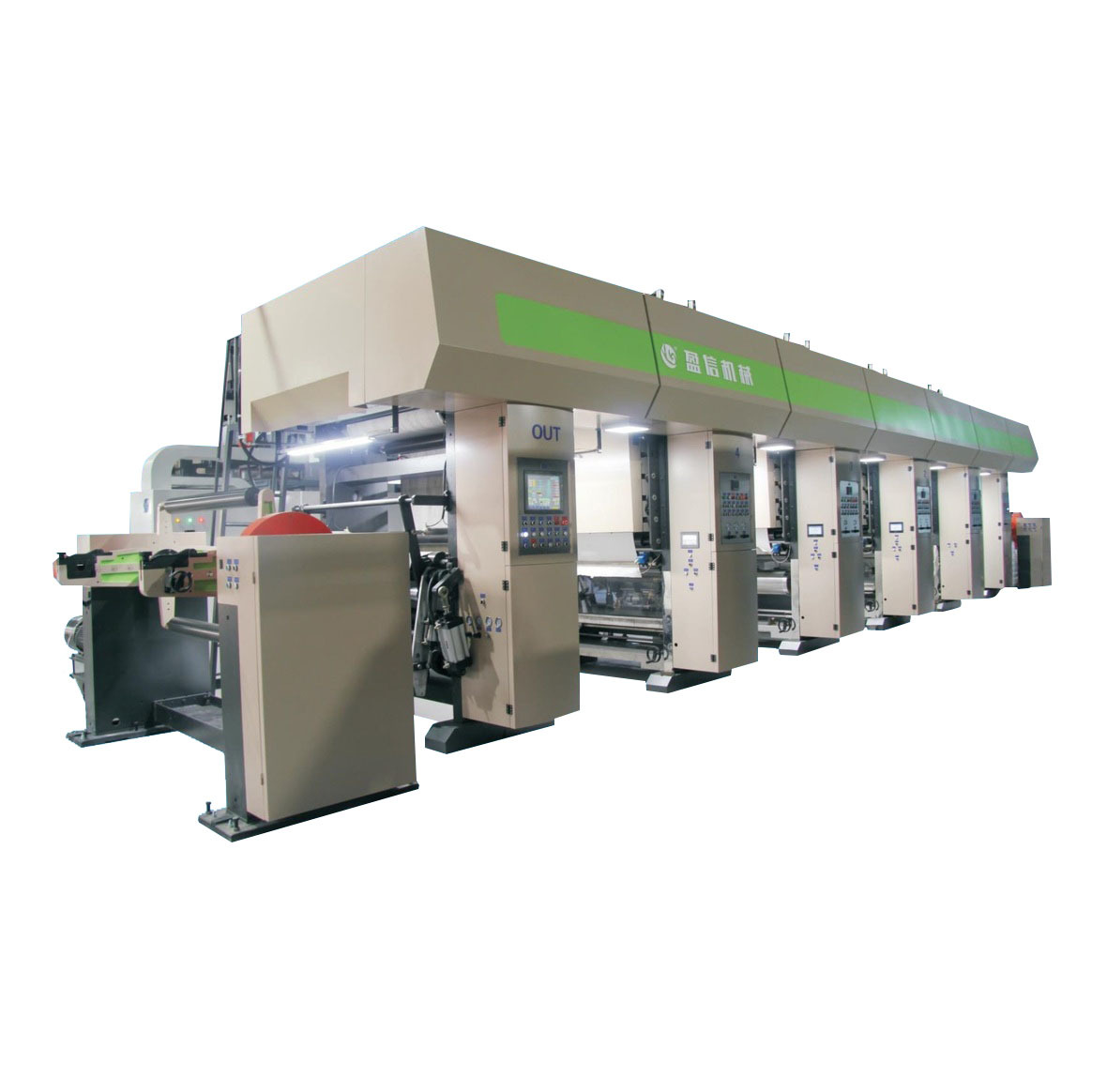
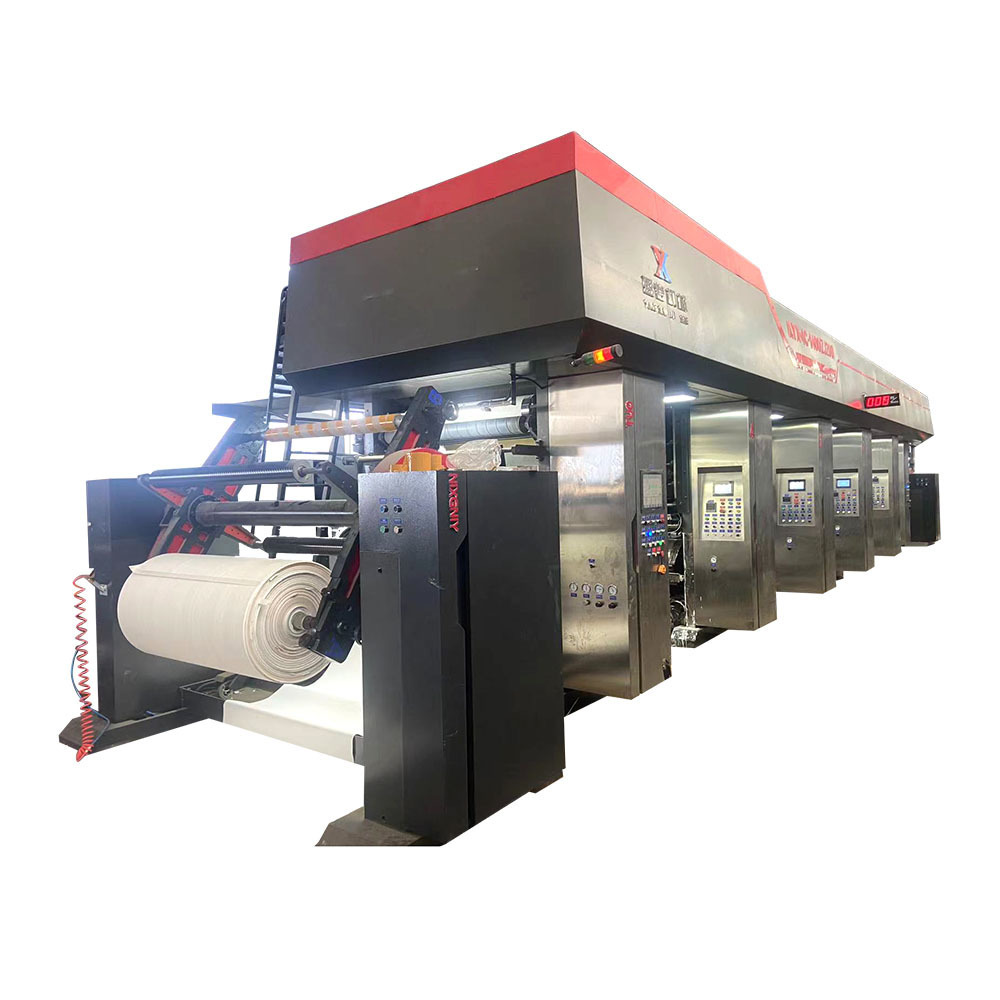
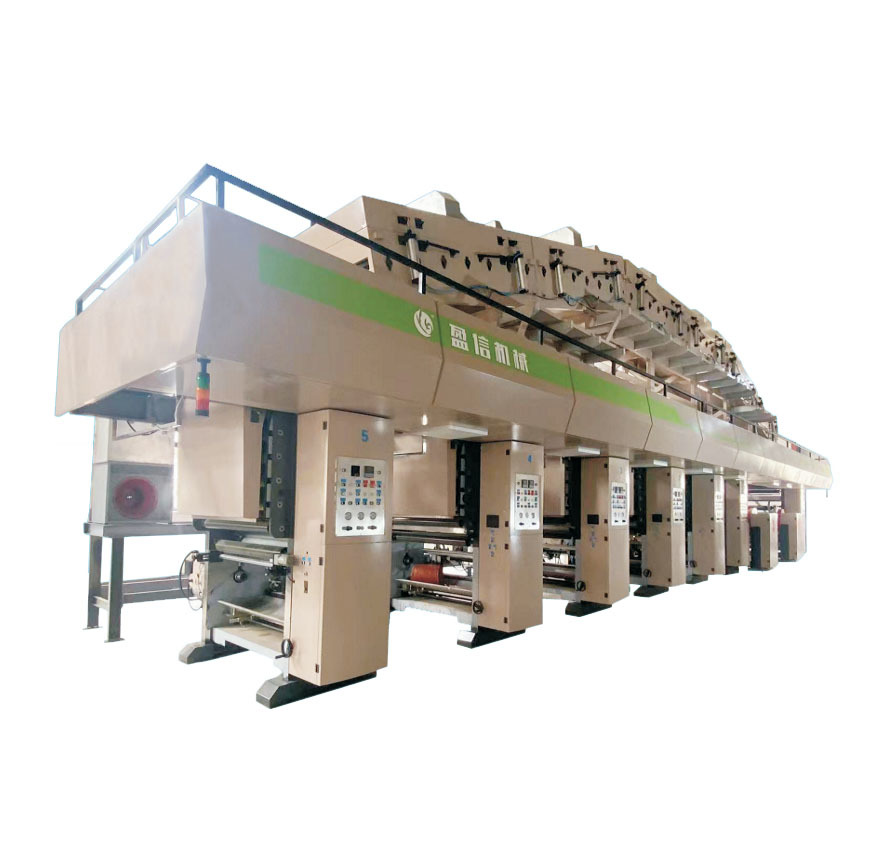
In the fast-paced world of manufacturing, the quest for efficiency and quality is paramount. **Decorative paper rotogravure machines** have emerged as a cornerstone technology in the printing industry, particularly for those specializing in high-quality decorative papers. These machines not only enhance the aesthetic appeal of products but also significantly improve operational efficiency. In this article, we will explore the **cost-effectiveness** of these machines, examining their impact on production processes and overall business profitability.
Understanding the Technology Behind Rotogravure Printing
Rotogravure printing involves a method where intricate designs are engraved onto cylindrical plates. This technology excels in producing high-quality images and ensures consistent ink transfer, which is crucial for decorative paper. Unlike traditional printing methods, rotogravure allows for longer print runs and superior print quality, making it ideal for high-volume production.
How Rotogravure Works
The process begins with the creation of an engraved cylinder. The engraving can capture fine details, allowing for vibrant colors and intricate patterns. The cylinder rotates, and as it moves through an ink reservoir, the engraved areas are filled with ink. The paper is then pressed against the cylinder, transferring the design. This method not only ensures precision but also significantly reduces waste compared to other printing techniques.
Cost-Effectiveness Analysis of Rotogravure Machines
When evaluating the cost-effectiveness of decorative paper rotogravure machines, it is essential to consider several key factors: initial investment, operational expenses, and long-term savings.
Initial Investment and Setup Costs
The upfront costs associated with rotogravure machines can be substantial. These machines require significant investment not only in the purchase of the equipment but also in setting up the necessary infrastructure. However, many manufacturers find that the initial investment is justified by the increased production capacity and efficiency.
Operational Expenses Analysis
Operational expenses are a crucial aspect of determining cost-effectiveness. With rotogravure machines, manufacturers can benefit from lower per-unit costs as they scale production. The efficiency of these machines means less downtime and lower labor costs. Furthermore, they consume less ink compared to other printing methods, which contributes to overall cost savings.
Long-Term Savings and ROI
The long-term savings associated with using rotogravure machines are significant. As production volumes increase, the cost-per-unit decreases, leading to a substantial return on investment (ROI). Manufacturers can expect to see improved profit margins as a result of reduced waste, lower operational costs, and the ability to produce high-quality products that command premium prices in the market.
Quality Enhancements: The Role of Rotogravure in Decorative Paper Production
The quality of printed materials is a paramount concern in the decorative paper industry. Rotogravure machines excel in delivering consistent, high-quality results that meet the demands of discerning customers.
Precision and Detail
The engravings on the cylinders allow for exceptional precision, capturing the finest details in designs. This capability is especially important for decorative papers that require intricate patterns and vibrant colors. The high-quality output enhances the product's appeal, making it more attractive to consumers.
Color Consistency
One of the most significant advantages of rotogravure printing is the ability to maintain color consistency across large print runs. This is crucial for brands that rely on uniformity in their packaging and products. With rotogravure technology, manufacturers can achieve consistent results, thus enhancing brand reputation.
Environmental Impact and Sustainability
In today's environmentally conscious market, sustainability is a critical factor for manufacturers. Rotogravure machines offer several environmental benefits, making them a more sustainable choice for decorative paper production.
Reduced Waste
The precision of rotogravure printing minimizes waste during the printing process. The technology ensures that ink is used efficiently, which not only reduces material costs but also lessens the environmental impact of production.
Eco-Friendly Inks
Many modern rotogravure machines are compatible with eco-friendly inks, which further reduces their environmental footprint. These inks are often made from renewable resources and have lower volatile organic compounds (VOCs), contributing to a cleaner production process.
Case Studies: Success Stories in Rotogravure Implementation
Examining real-world success stories can provide valuable insights into the effectiveness of decorative paper rotogravure machines. Several companies have reported significant improvements in their operations after transitioning to this technology.
Case Study 1: XYZ Paper Co.
XYZ Paper Co. invested in a state-of-the-art rotogravure printing machine, which allowed them to increase their production capacity by 40%. The company reported a 30% reduction in ink costs and a significant decrease in waste. Their ability to produce high-quality decorative papers led to increased customer satisfaction and repeat business.
Case Study 2: ABC Packaging Solutions
ABC Packaging Solutions transitioned to rotogravure printing for their decorative packaging products. The company experienced a remarkable improvement in print quality and consistency. Their investment not only paid off in terms of reduced operational costs but also positioned them as a leader in sustainable packaging solutions.
Future Trends in Decorative Paper Printing Technologies
As technology continues to evolve, the future of decorative paper printing looks promising. Innovations in rotogravure printing, such as advancements in automation and digital integration, are set to further enhance efficiency and quality.
Automation and Smart Technologies
The integration of automation in rotogravure machines can streamline workflows, reduce human error, and increase overall efficiency. Smart technologies will enable real-time monitoring and adjustments, ensuring optimal performance throughout the production process.
Digital Printing Integration
The rise of digital printing technologies presents exciting opportunities for rotogravure printing. Hybrid systems that combine both technologies can offer flexibility in production, allowing for shorter runs and customization without sacrificing quality.
Conclusion
The **cost-effectiveness** of decorative paper rotogravure machines is evident across various facets of production. From reduced operational costs and enhanced print quality to sustainability benefits, these machines represent a significant investment that pays dividends in the long term. The technology's ability to produce high-quality products efficiently positions manufacturers favorably in a competitive market, making rotogravure an essential component of modern decorative paper production.
FAQs
1. What is rotogravure printing?
Rotogravure printing is a high-quality printing method that uses engraved cylinders to transfer ink onto substrates, allowing for detailed and consistent designs.
2. How does rotogravure compare to other printing methods?
Rotogravure excels in producing high-volume prints with superior quality and color consistency compared to traditional methods like flexography or lithography.
3. What are the initial costs associated with rotogravure machines?
Initial costs can be high due to the equipment and setup, but potential long-term savings and efficiencies often justify the investment.
4. Are there environmental benefits to using rotogravure machines?
Yes, rotogravure printing reduces waste and can use eco-friendly inks, making it a more sustainable option for decorative paper production.
5. What trends are shaping the future of rotogravure printing?
Future trends include increased automation, smart technologies, and the integration of digital printing to enhance flexibility and efficiency.
Tag:
Blog

Film Rotogravure Printing Machines: Key Industry Applications

PRODUCT
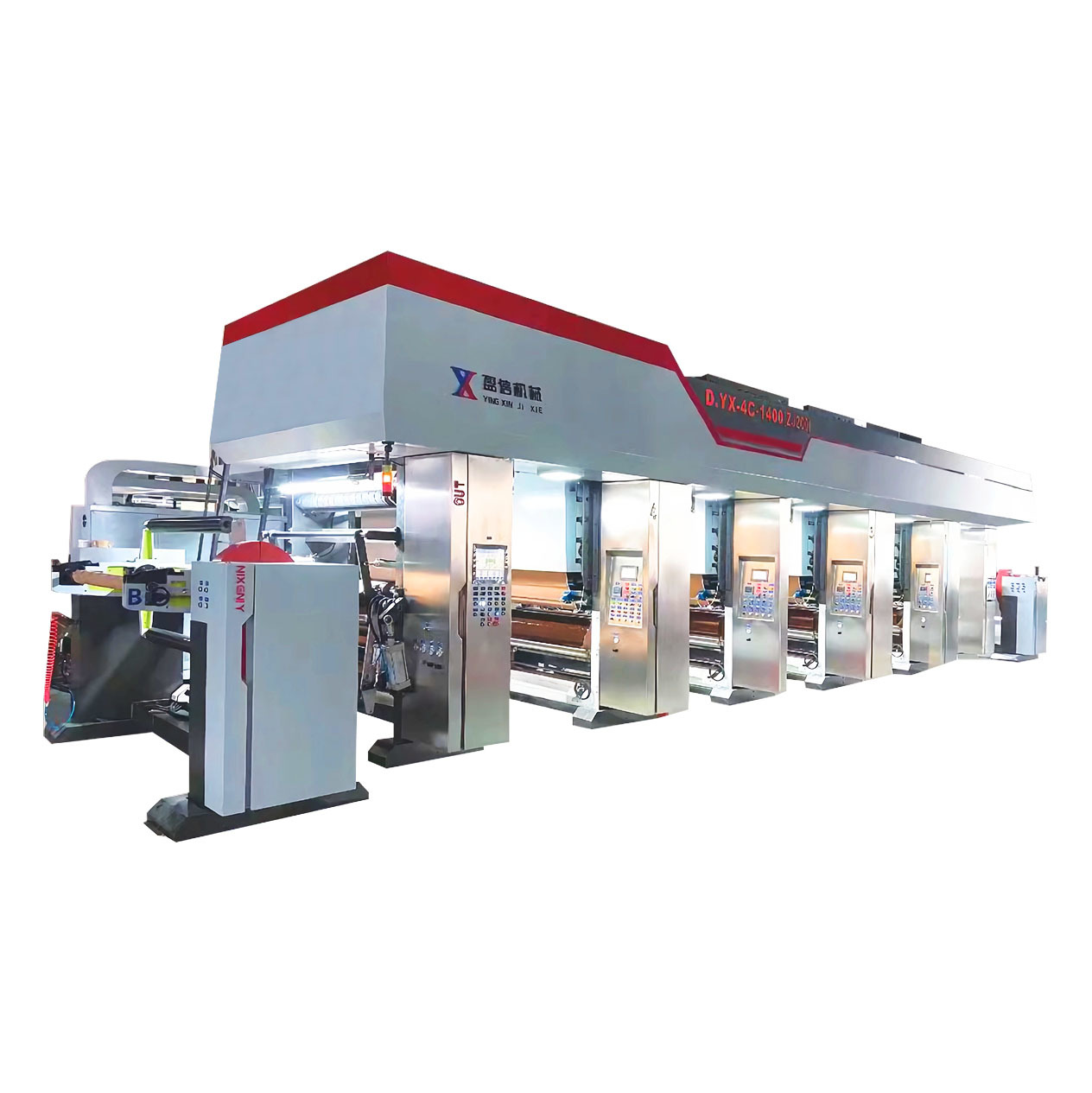
Best D.YX-4C-1400(ZJ200)Automatic gravure printing machine
message:Talk to an expert
WhatsApp:8618058732988
E-Mail:sales@yingxinmachinery.com
tel:+86-18058732988
Contact Us
1168 Jiuzhou Street, Linglong Street, Lin 'an District, Hangzhou City, Zhejiang Province
Mobile phone version
Copyright©Hangzhou Yingxin Machinery Co., Ltd.