

Film Rotogravure Printing Machines: Key Industry Applications
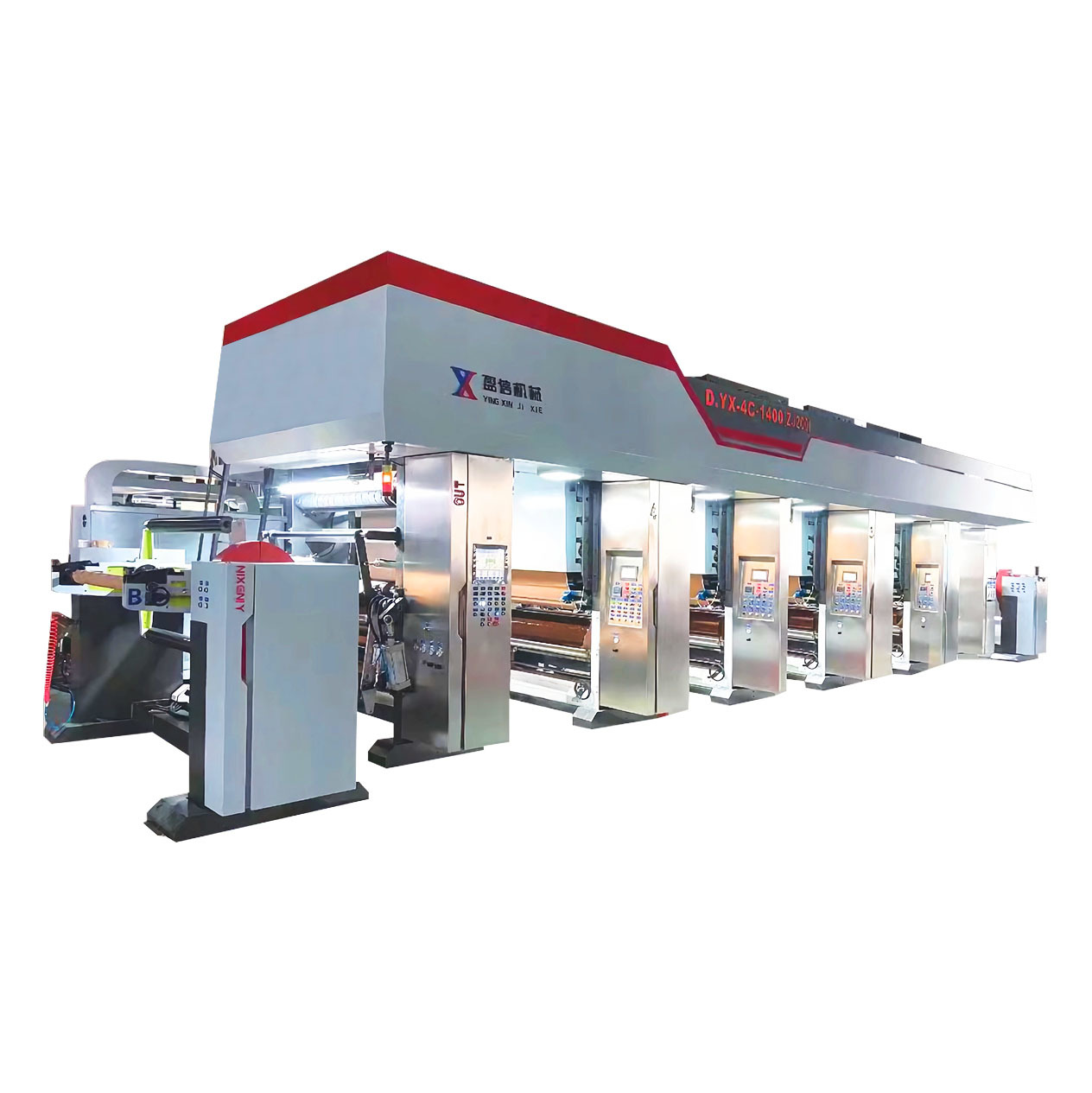
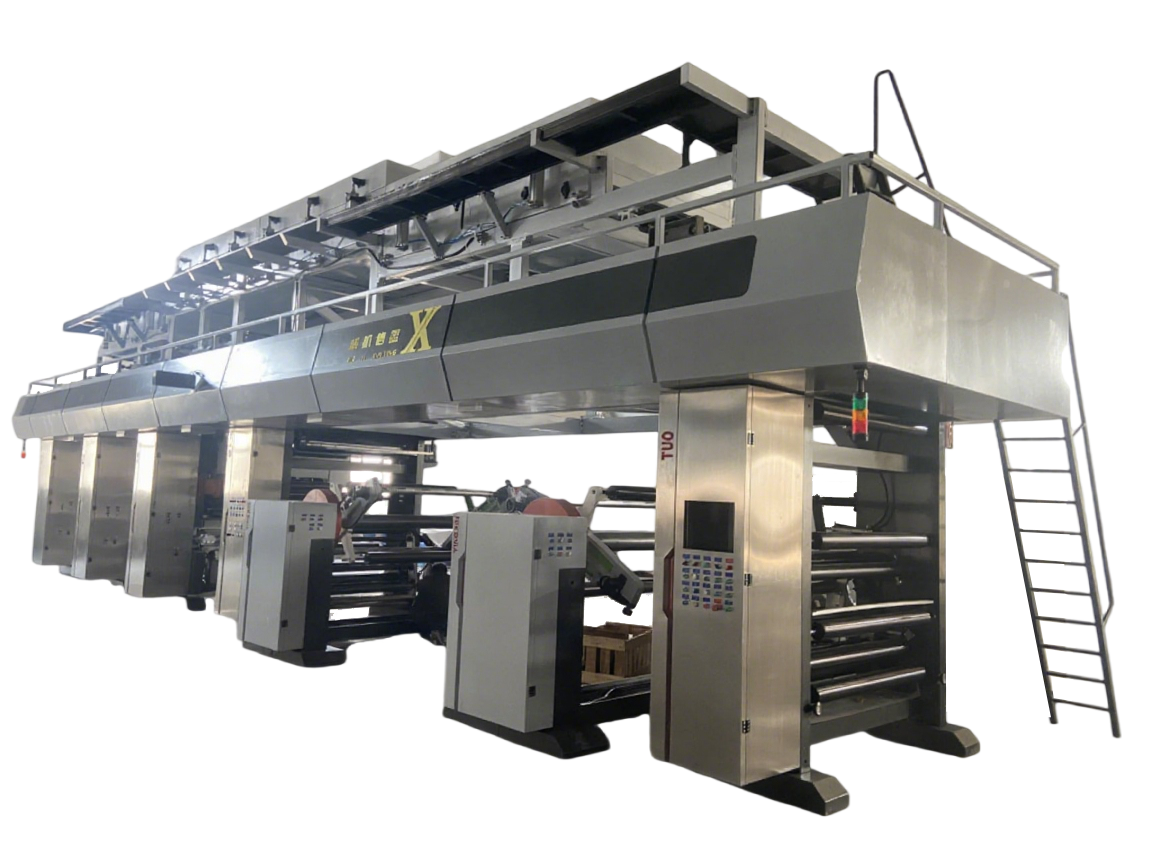
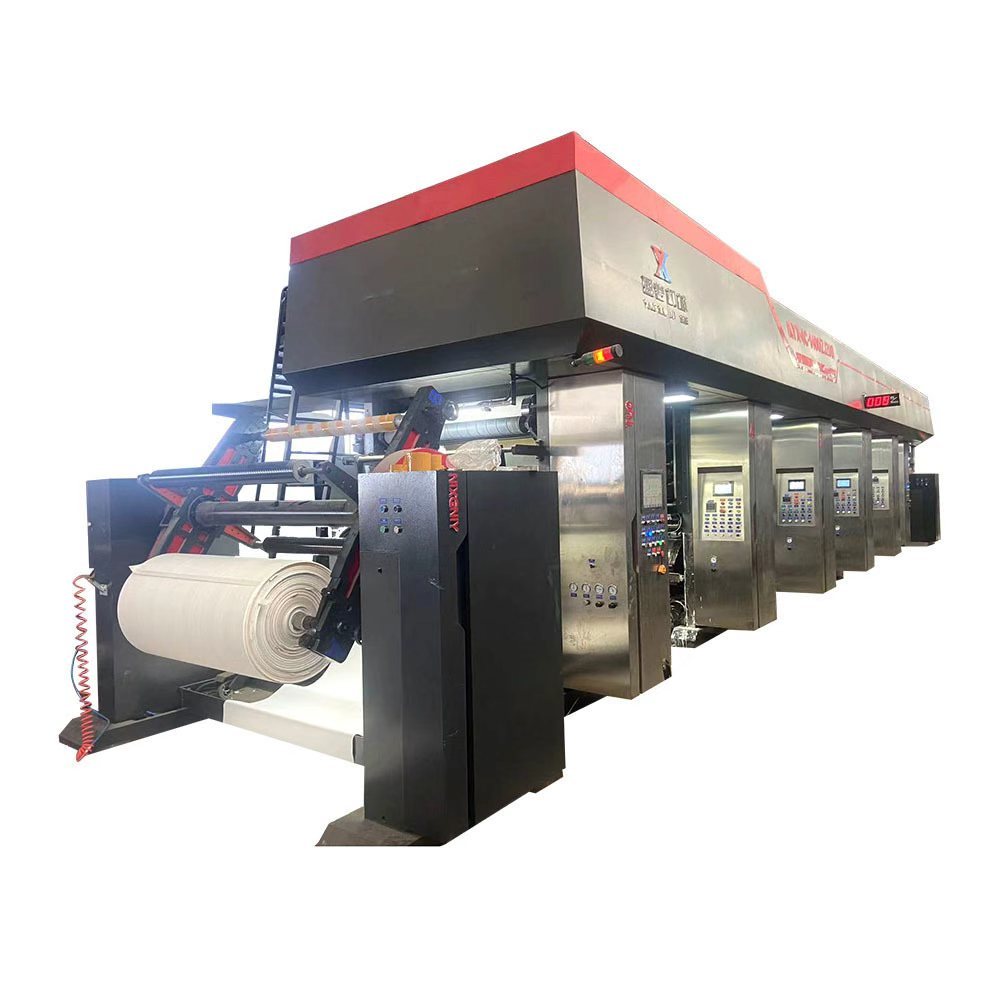
Film Rotogravure Printing Machines: Key Industry Applications Introduction to Film Rotogravure Printing Machines Film rotogravure printing remains a cornerstone of the printing industry, particularly for high-volume jobs requiring exceptional quality. This technique utilizes engraved cylinders to transfer ink onto a substrate, making it incredibly efficient for producing vibrant images and designs
Film Rotogravure Printing Machines: Key Industry Applications
Introduction to Film Rotogravure Printing Machines
Film rotogravure printing remains a cornerstone of the printing industry, particularly for high-volume jobs requiring exceptional quality. This technique utilizes engraved cylinders to transfer ink onto a substrate, making it incredibly efficient for producing vibrant images and designs. As we delve into the key applications of these machines, we will uncover the transformative impact they have across various sectors, including flexible packaging, decorative printing, and more.
The Mechanics of Film Rotogravure Printing
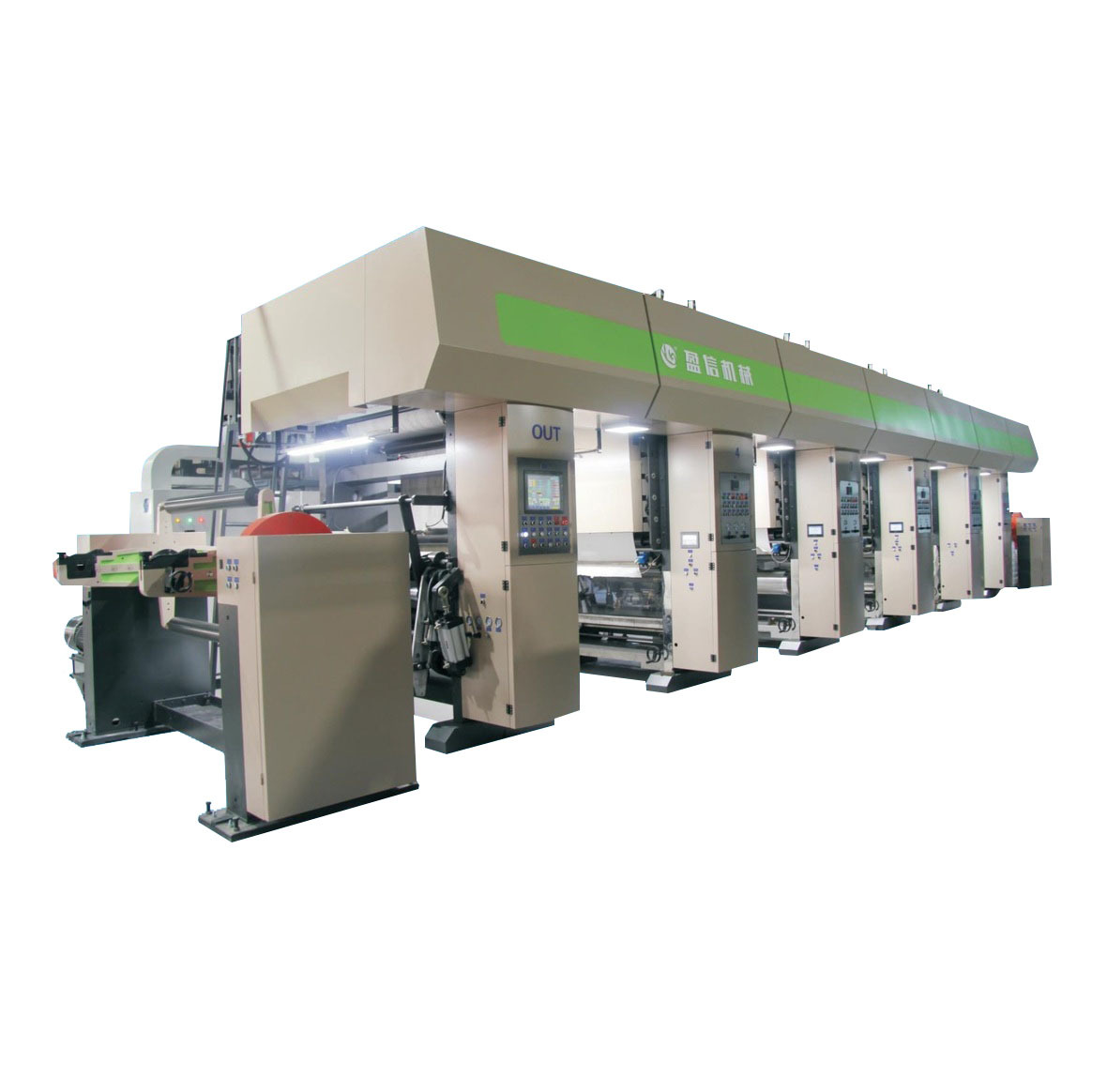
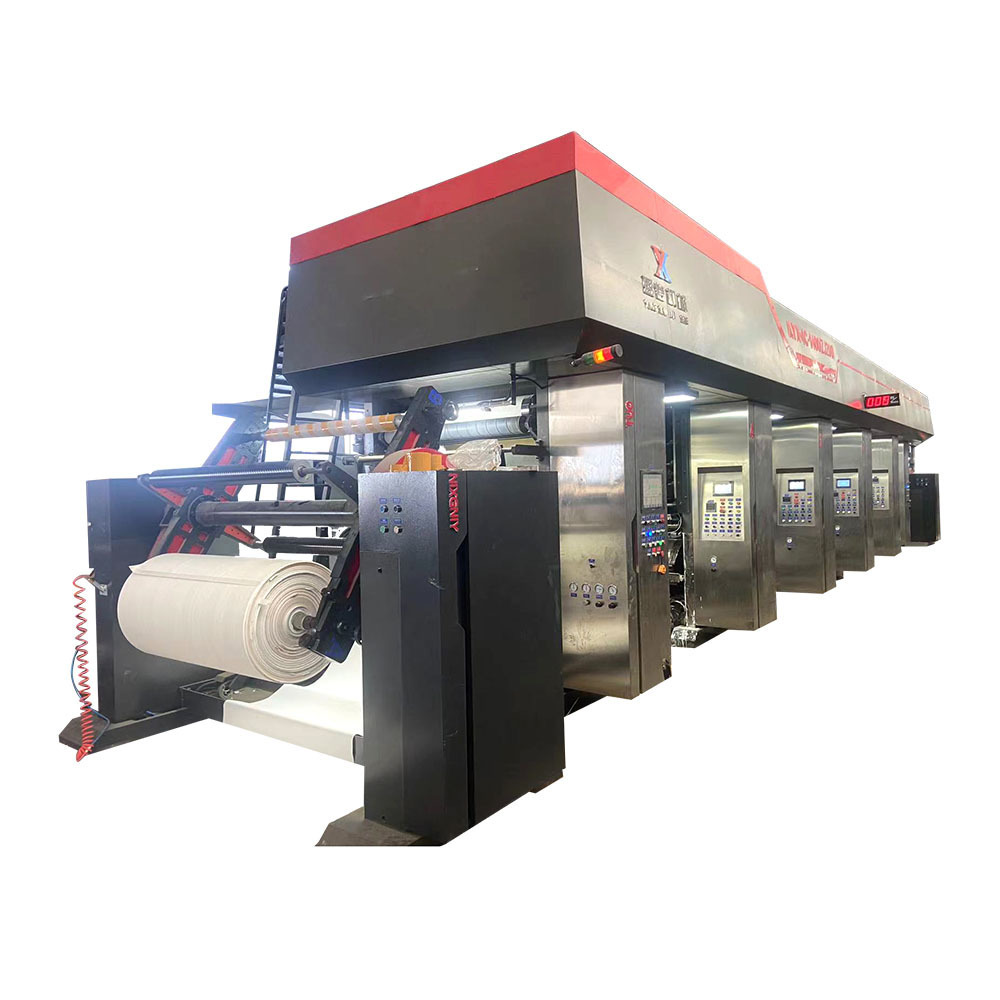
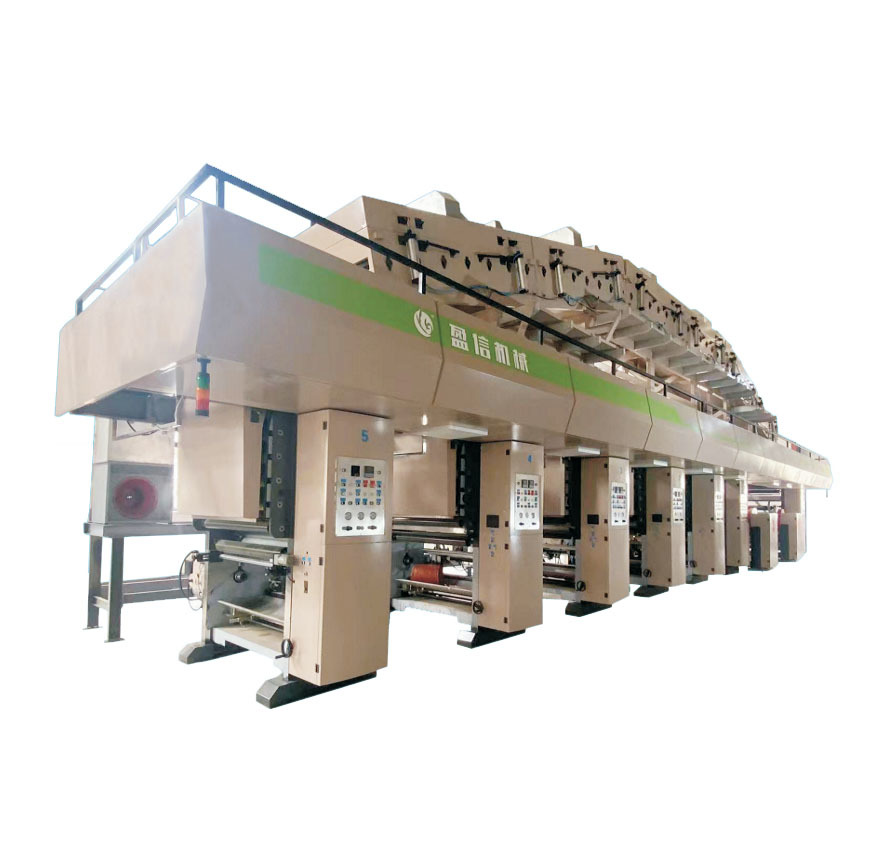
To fully appreciate the applications of film rotogravure printing machines, it is crucial to understand how they work. The process begins with the creation of a cylinder engraved with the desired image or graphic. During printing, the cylinder rotates, picking up ink from a reservoir and transferring it onto the substrate, typically a flexible film. This method offers several advantages over traditional printing techniques, particularly in terms of speed and quality.
How Film Rotogravure Machines Function
The process involves several critical steps:
1. **Engraving the Cylinder**: The design is etched into a copper or chrome cylinder, which can be adapted for different ink types and substrates.
2. **Ink Application**: The cylinder is immersed in ink, filling the engraved cells.
3. **Transfer to Substrate**: As the cylinder rotates, it presses against the substrate, transferring the ink.
4. **Drying Process**: After printing, the substrate undergoes a drying process to ensure the ink adheres properly.
Benefits of Film Rotogravure Printing
Several advantages make film rotogravure printing machines the choice for many manufacturers:
- **High Speed**: Capable of producing large volumes of prints in a short time frame.
- **Superior Image Quality**: The process allows for sharp, high-resolution images that are vibrant and durable.
- **Versatility**: Suitable for a wide variety of substrates, including plastic films, paper, and aluminum foils.
- **Cost-Effective for Large Runs**: Economically viable for long production runs due to lower per-unit costs.
Key Industry Applications of Film Rotogravure Printing Machines
The applications of film rotogravure printing machines span a variety of industries, each benefiting from the unique characteristics of this technology.
Flexible Packaging Solutions
Flexible packaging is perhaps the most prominent application of film rotogravure printing machines. This sector encompasses everything from food packaging to medical supplies. The ability to print high-quality graphics on flexible films ensures that products remain visually appealing while also providing necessary information to consumers.
Food Packaging
Food packaging demands strict compliance with safety and quality standards. Rotogravure printing meets these needs by providing durable, food-safe prints that resist fading and moisture. Additionally, the ability to print on transparent substrates allows for product visibility, enhancing marketing appeal.
Consumer Goods Packaging
From snacks to household products, the consumer goods market relies heavily on rotogravure printing for packaging. The ability to reproduce intricate designs and vibrant colors helps in brand differentiation on crowded shelves.
Decorative Printing and Wallpaper
The decorative printing industry also benefits significantly from film rotogravure printing machines. This sector includes wallpaper, decorative films, and more. The high-quality output and versatility in design make these machines ideal for producing intricate patterns and textures.
Home Decor
Home decoration products, such as wallpapers and decorative films, require high-quality prints that can withstand wear and tear. Film rotogravure printing excels in this aspect, allowing for the production of stunning designs that enhance any living space.
Textile Printing
In the textile industry, rotogravure printing machines play an essential role in producing fabric prints. The speed and quality of this printing method make it an ideal choice for fashion and upholstery applications.
Fashion and Apparel
Fashion designers seek innovative ways to stand out, and film rotogravure printing provides the ability to create unique textile designs. This method allows for complex patterns and vibrant colors that are essential in the competitive fashion industry.
Label Printing
Film rotogravure printing machines are also widely used in the production of labels. The precision and quality of the prints are crucial in ensuring that labels are not only informative but also visually appealing.
Product Labels
In an era where branding is everything, high-quality labels are vital for product identification and marketing. Rotogravure printing allows for the production of labels that stand out, ensuring that they capture consumer attention.
Technological Advancements in Film Rotogravure Printing
As technology advances, so does the film rotogravure printing process. Recent innovations have led to improvements in speed, efficiency, and print quality.
Digital Integration
The integration of digital technology into rotogravure printing machines has revolutionized the industry. Digital engravings and automated processes have enhanced flexibility, allowing for quicker adjustments and customizations.
Eco-Friendly Inks and Substrates
With growing environmental concerns, the introduction of eco-friendly inks and substrates is a significant trend. Many manufacturers are now opting for sustainable materials and inks that reduce environmental impact while maintaining print quality.
Challenges Facing the Film Rotogravure Printing Industry
Despite its advantages, the film rotogravure printing industry faces several challenges that must be addressed to ensure continued growth and sustainability.
Competition from Other Printing Technologies
The rise of digital printing technologies presents significant competition. Digital printing offers flexibility and customization that can challenge traditional rotogravure methods. However, film rotogravure printing remains preferred for high-volume production due to its speed and cost-effectiveness.
Regulatory Compliance
As consumer safety and environmental regulations become stricter, manufacturers must navigate these complexities while maintaining production efficiency. Compliance with food safety regulations, in particular, can pose challenges for packaging applications.
Future Trends in Film Rotogravure Printing
Looking ahead, the future of film rotogravure printing machines appears promising, driven by ongoing innovation and evolving market demands.
Increased Automation
The trend towards automation will continue, leading to enhanced efficiency and reduced labor costs. Automated processes will allow for faster changeovers and higher quality control.
Personalization and Customization
As consumer preferences shift towards personalized products, film rotogravure printing machines will adapt to include more customized printing options. This flexibility will allow brands to cater to individual customer needs effectively.
FAQs About Film Rotogravure Printing Machines
What is film rotogravure printing?
Film rotogravure printing is a high-speed printing process that uses engraved cylinders to transfer ink onto various substrates, producing high-quality prints.
What industries use film rotogravure printing?
Film rotogravure printing is widely used in flexible packaging, decorative printing, textile printing, and label production.
What are the advantages of rotogravure printing over other printing methods?
Rotogravure printing offers superior image quality, high-speed production, and cost-effectiveness for large print runs, making it an industry favorite.
How does rotogravure printing ensure quality and consistency?
The engraved cylinders provide precise ink transfer, and advanced technology monitors the printing process, ensuring consistent quality throughout production.
Is rotogravure printing eco-friendly?
Many modern rotogravure printing machines use eco-friendly inks and substrates, making the process more sustainable compared to traditional methods.
Conclusion
Film rotogravure printing machines play a crucial role in numerous industries, offering unparalleled quality and efficiency. From flexible packaging to decorative printing, their applications are vast and varied. As technology continues to evolve, so too will the capabilities and applications of these machines, ensuring their relevance in a rapidly changing marketplace. By embracing innovation and addressing challenges, the film rotogravure printing industry is well-positioned for a bright future.
Tag:
Previous
Blog

Film Rotogravure Printing Machines: Key Industry Applications

PRODUCT
Best D.YX-4C-1400(ZJ200)Automatic gravure printing machine
message:Talk to an expert
WhatsApp:8618058732988
E-Mail:sales@yingxinmachinery.com
tel:+86-18058732988
Contact Us
1168 Jiuzhou Street, Linglong Street, Lin 'an District, Hangzhou City, Zhejiang Province
Mobile phone version
Copyright©Hangzhou Yingxin Machinery Co., Ltd.