

Exploring the Evolution of Decorative Paper Rotogravure Machines: A Comprehensive Analysis of Technological Advancements
Exploring the Evolution of Decorative Paper Rotogravure Machines Table of Contents 1. Introduction to Decorative Paper Rotogravure Machines 2. Historical Background of Rotogravure Printing 3. Key Components of Decorative Paper Rotogravure Machines 3.1. Printing Cylinder 3.2. Ink Duct and Blade Systems 3.3. Substrate Handling Mechanisms 4. Advancements in Technology and Their Impact 4.1. Digital In
Exploring the Evolution of Decorative Paper Rotogravure Machines
Table of Contents
1. Introduction to Decorative Paper Rotogravure Machines
2. Historical Background of Rotogravure Printing
3. Key Components of Decorative Paper Rotogravure Machines
3.1. Printing Cylinder
3.2. Ink Duct and Blade Systems
3.3. Substrate Handling Mechanisms
4. Advancements in Technology and Their Impact
4.1. Digital Integration in Rotogravure Machines
4.2. Sustainability and Eco-Friendly Innovations
5. Applications of Decorative Paper Rotogravure Printing
6. The Future of Decorative Paper Rotogravure Machines
7. FAQs about Decorative Paper Rotogravure Machines
8. Conclusion
1. Introduction to Decorative Paper Rotogravure Machines
The evolution of decorative paper rotogravure machines has significantly influenced the printing industry. These machines are essential for producing high-quality prints on various substrates, including paper, plastic, and foil. By understanding their development and advancements, we can appreciate their role in modern printing technologies.
2. Historical Background of Rotogravure Printing
Rotogravure printing, or gravure printing, emerged in the early 20th century. Originally developed for newspapers, it quickly adapted to other applications, including decorative paper printing. This technology became popular due to its ability to produce vibrant colors and intricate designs, setting the stage for further innovations in the field.
The first rotogravure presses were labor-intensive and required skilled operators. However, as demand for decorative printed materials grew, manufacturers began to invest in automation and improved technology, leading to the sophisticated machines we see today.
3. Key Components of Decorative Paper Rotogravure Machines
Understanding the components that make up decorative paper rotogravure machines is crucial for grasping how they function and what drives their efficiency.
3.1. Printing Cylinder
The printing cylinder is one of the most critical components of a rotogravure machine. It carries the engraved image that will be transferred to the substrate. The depth and design of the engravings directly affect the quality and detail of the printed image. Innovations in laser engraving technology have allowed for more intricate designs and quicker production times.
3.2. Ink Duct and Blade Systems
Effective ink delivery is essential for achieving consistent print quality. The ink duct system regulates the amount of ink applied to the printing cylinder, while the doctor blade removes excess ink. This precision ensures that the final print has vibrant colors without smudging or over-saturation.
3.3. Substrate Handling Mechanisms
The substrate handling mechanisms play a pivotal role in the printing process. These systems ensure that the paper or other materials are fed into the machine correctly and that the tension is maintained throughout the printing process. Modern rotogravure machines often incorporate advanced sensors and automation features to optimize this aspect of production.
4. Advancements in Technology and Their Impact
The printing industry has witnessed numerous technological advancements that have transformed decorative paper rotogravure machines into highly efficient and versatile tools.
4.1. Digital Integration in Rotogravure Machines
The integration of digital technology into rotogravure printing has revolutionized the industry. Digital prepress processes streamline workflows, allowing for faster turnaround times and easier adjustments to design specifications. This shift enables print service providers to offer customized solutions while maintaining high-quality standards.
4.2. Sustainability and Eco-Friendly Innovations
As industries worldwide focus on sustainability, decorative paper rotogravure machines have also adapted. Manufacturers have developed eco-friendly inks and materials, reducing the environmental impact of the printing process. Innovations such as solvent-free inks and recyclable substrates are becoming increasingly common, catering to eco-conscious consumers and businesses alike.
5. Applications of Decorative Paper Rotogravure Printing
Decorative paper rotogravure printing serves a multitude of applications across various industries. Some of the prominent uses include:
- **Gift Wraps and Specialty Papers:** The vibrant colors and detailed designs produced by rotogravure printing make it an ideal choice for gift wraps and decorative papers.
- **Packaging Materials:** Many brands utilize rotogravure printing for packaging, allowing for eye-catching designs that enhance product visibility and appeal.
- **Textiles and Interior Design:** The technology has also extended to textiles, offering unique patterns and designs for curtains, upholstery, and wall coverings.
6. The Future of Decorative Paper Rotogravure Machines
The future of decorative paper rotogravure machines looks promising, with continuous advancements in technology and growing market demands. Future trends may include:
- **Greater Automation:** As manufacturers aim for efficiency, we can expect further automation in rotogravure machines, reducing labor costs and production times.
- **Enhanced Digital Printing Compatibility:** Seamless integration between digital and rotogravure printing will likely become more common, providing print service providers with the flexibility to meet diverse customer needs.
- **Focus on Sustainability:** As environmental concerns rise, the development of more sustainable printing practices will shape the future of rotogravure technology.
7. FAQs about Decorative Paper Rotogravure Machines
What is a decorative paper rotogravure machine?
A decorative paper rotogravure machine is a specialized printing press designed to transfer engraved images onto various substrates, primarily for decorative purposes.
How does rotogravure printing differ from other printing methods?
Rotogravure printing utilizes a rotary printing cylinder with engraved designs, allowing for high-quality images and vibrant colors compared to other methods like offset printing.
What are the main benefits of using rotogravure printing for decorative papers?
The primary benefits include high-quality prints, vibrant colors, the ability to print on various substrates, and efficiency in large-volume production runs.
Can rotogravure machines print on materials other than paper?
Yes, rotogravure machines can print on a variety of substrates, including plastic films, foil, and textiles, making them versatile for different applications.
What is the future of decorative paper rotogravure machines?
The future is expected to see increased automation, enhanced digital integration, and a greater emphasis on sustainable practices in the manufacturing process.
8. Conclusion
The evolution of decorative paper rotogravure machines reflects the dynamic nature of the printing industry. As technology continues to advance, these machines will become increasingly efficient, versatile, and environmentally friendly. Understanding their history and advancements enables industry professionals to appreciate their impact on modern printing practices and anticipate future trends. As we move forward, the continuous innovation in decorative paper rotogravure machines will undoubtedly play a pivotal role in shaping the landscape of decorative printing.
Tag:
Blog


PRODUCT
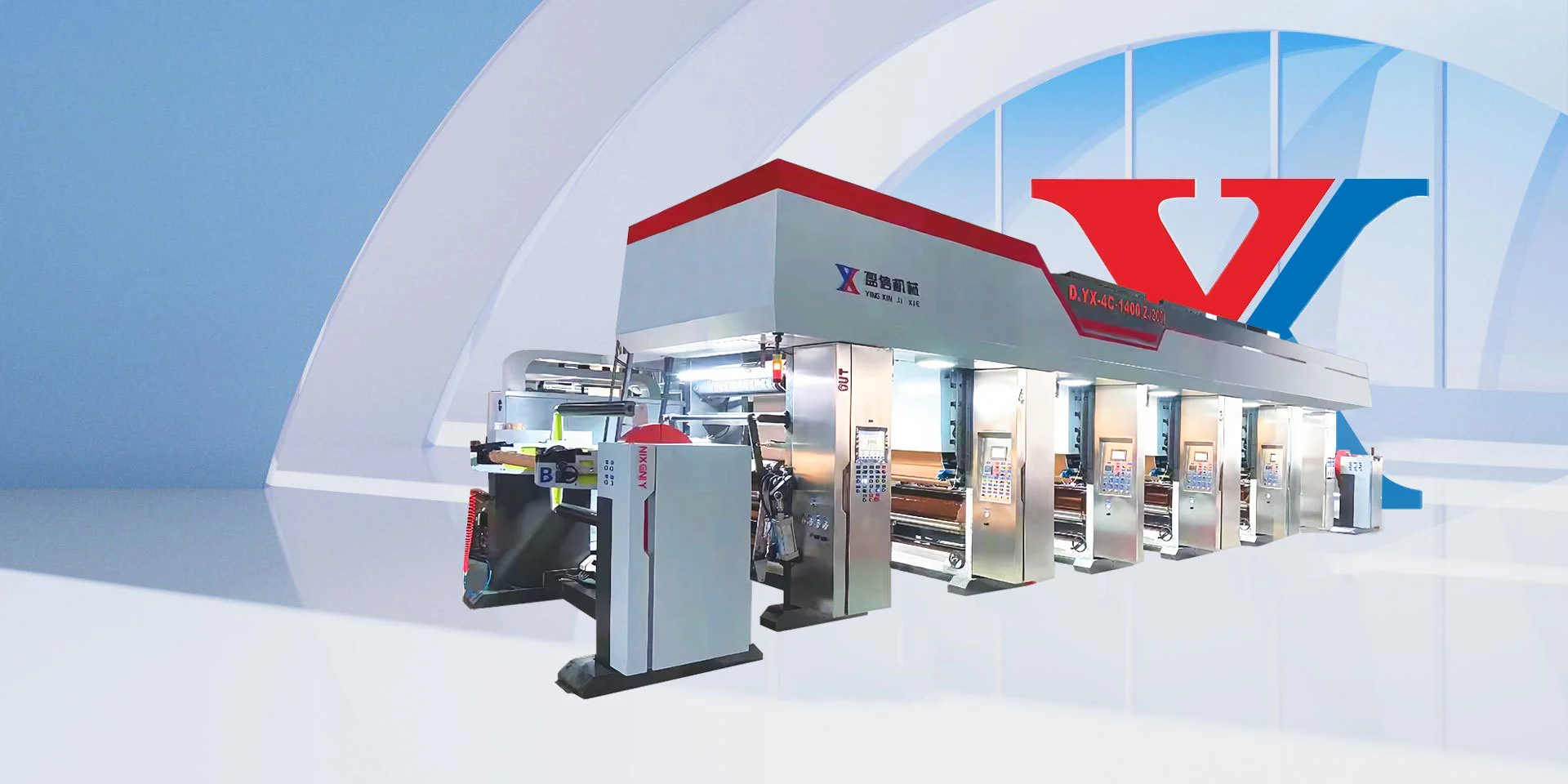
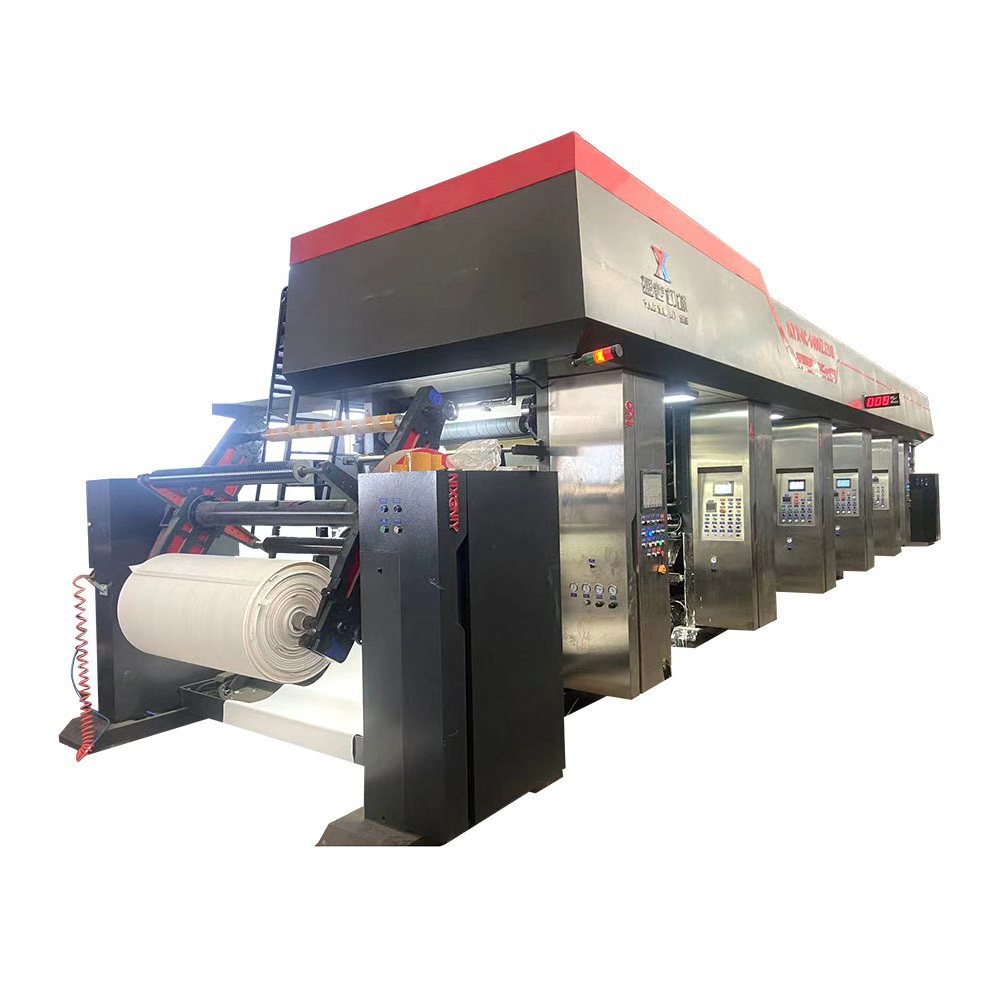
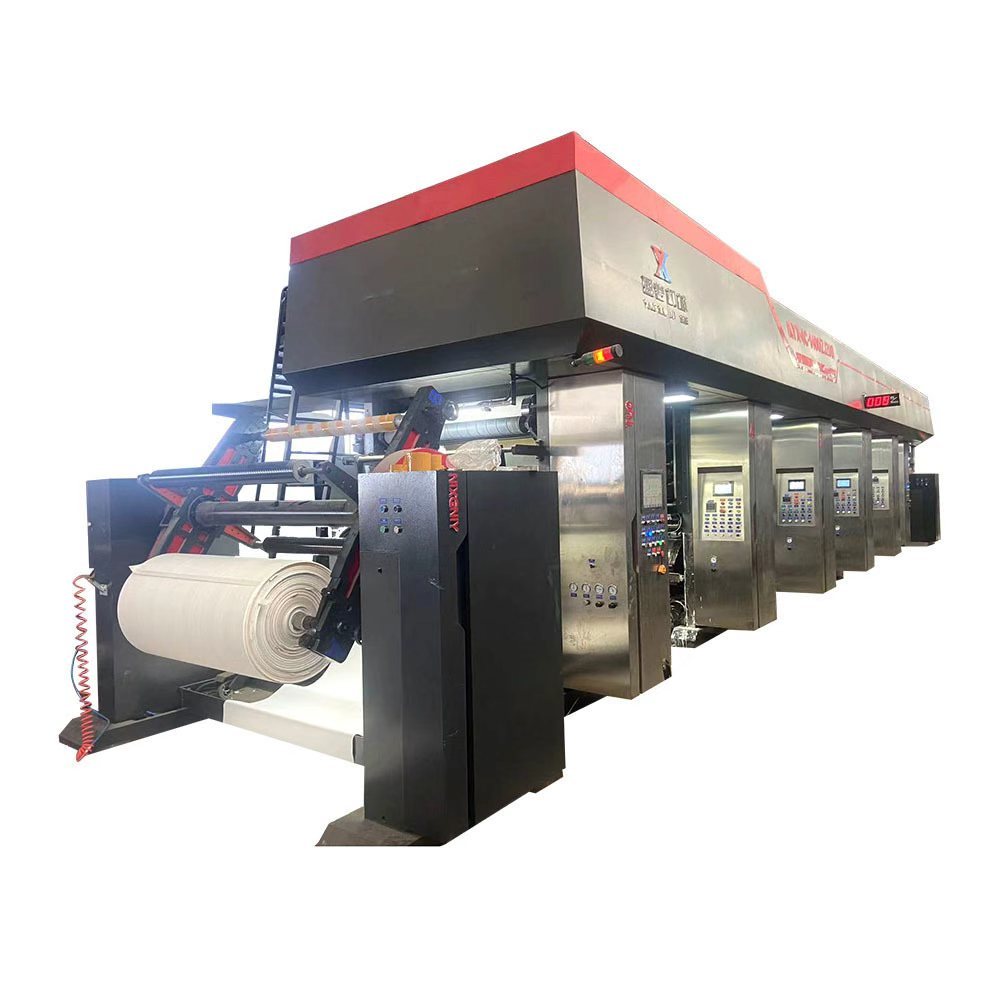
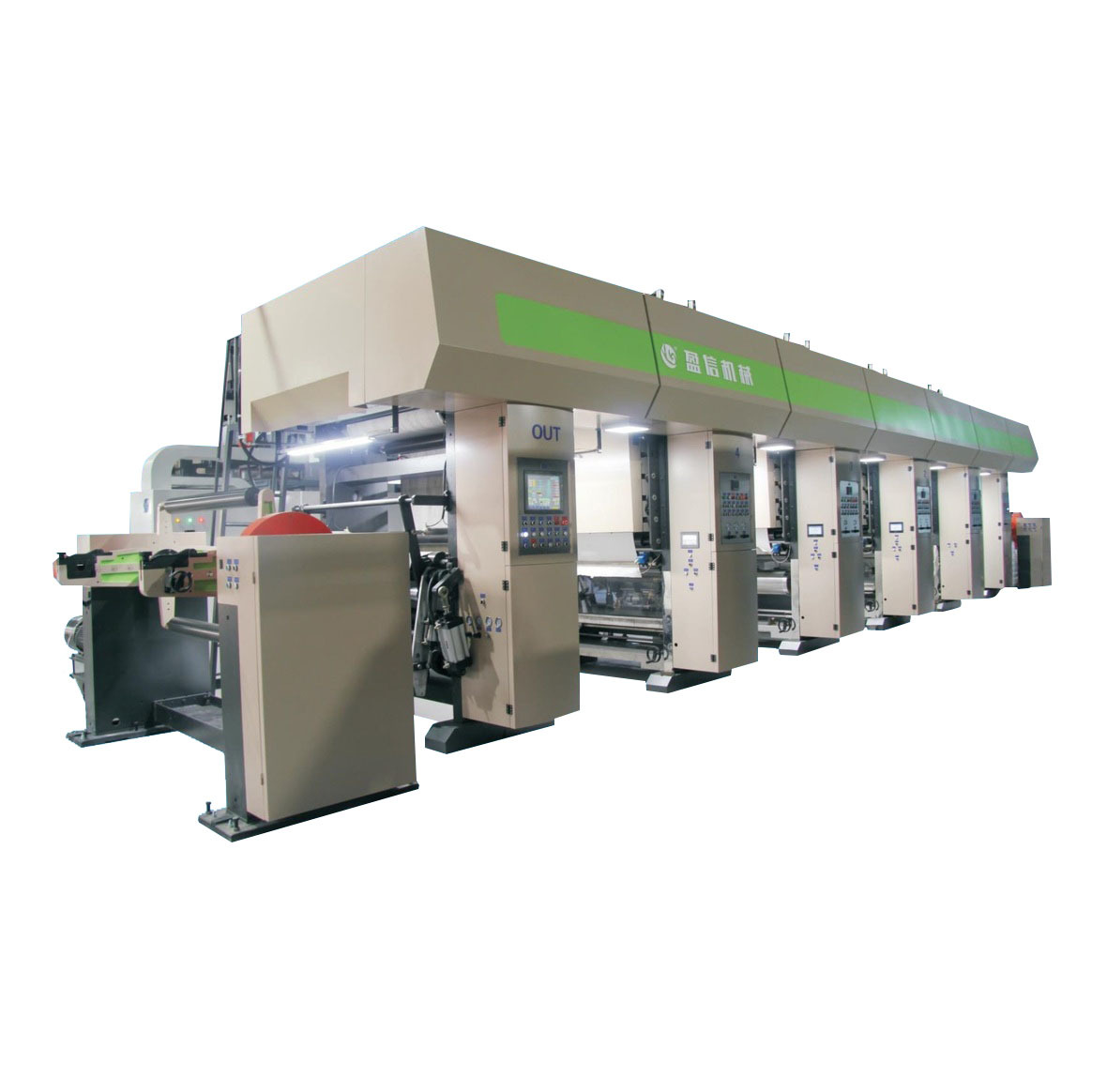
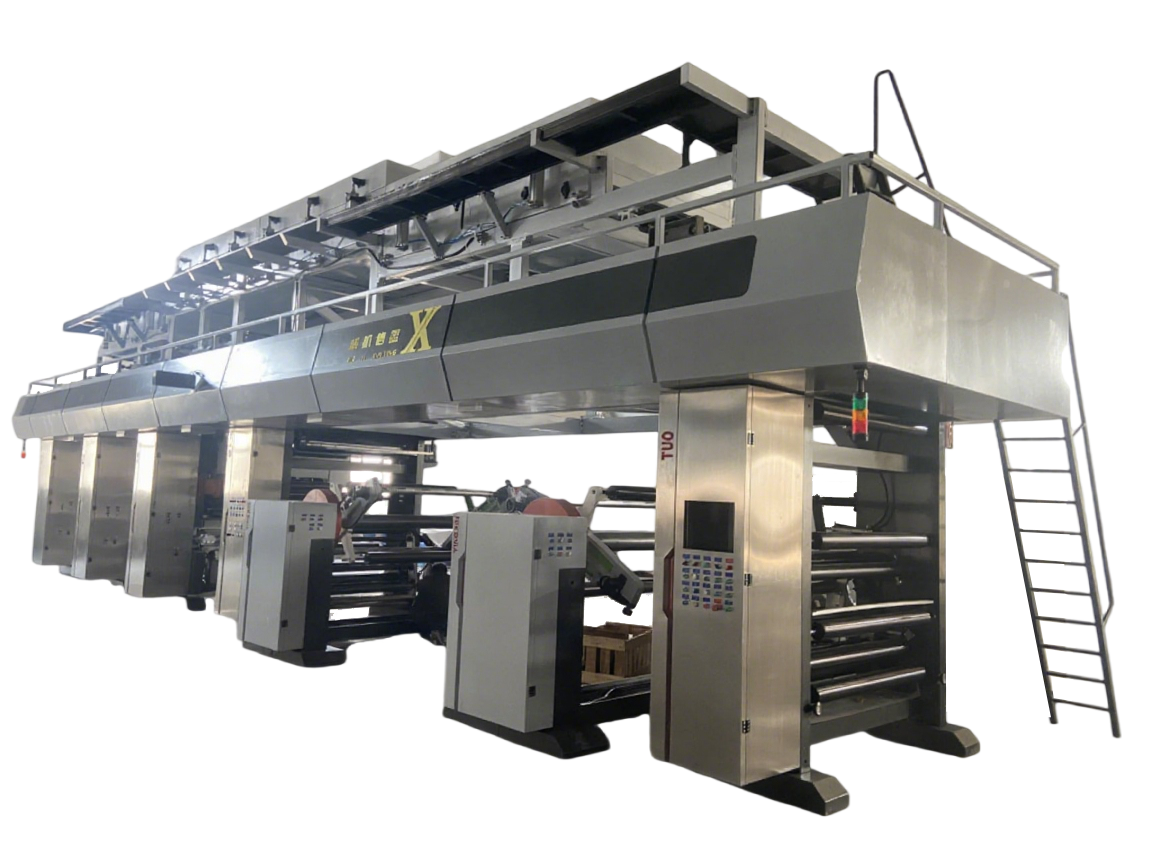
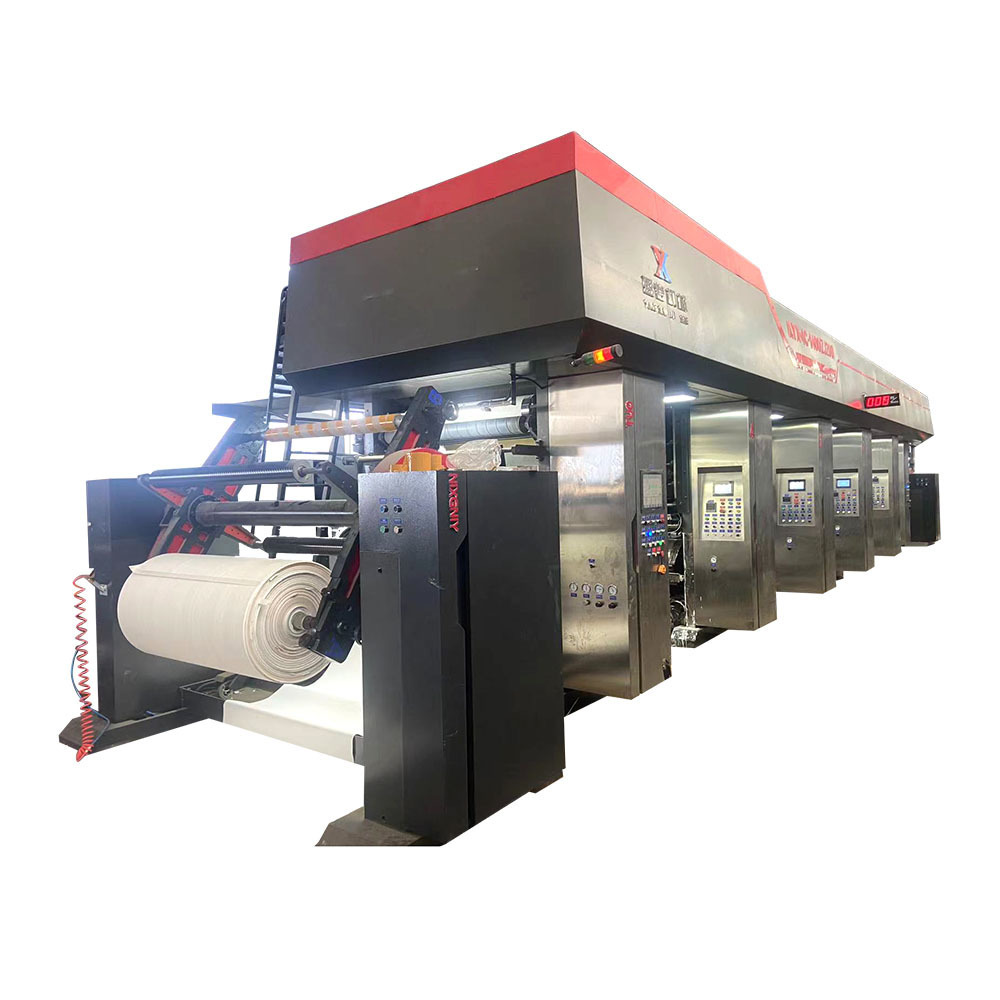
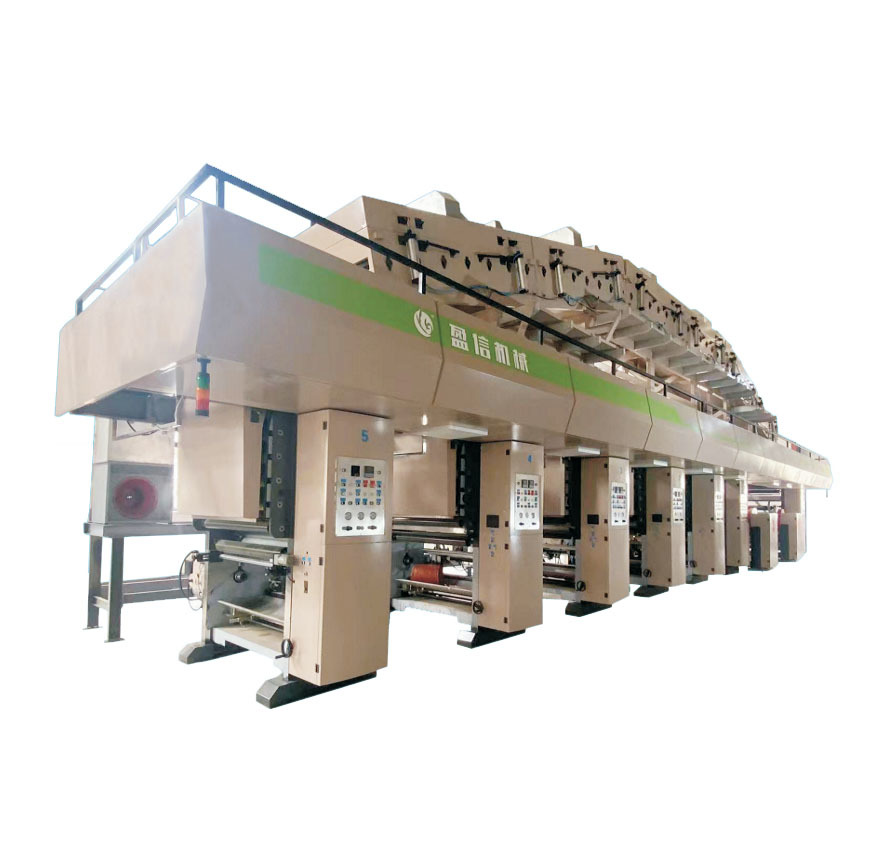
Best D.YX-4C-1400(ZJ200)Automatic gravure printing machine
message:Talk to an expert
WhatsApp:8618058732988
E-Mail:sales@yingxinmachinery.com
tel:+86-18058732988
Contact Us
1168 Jiuzhou Street, Linglong Street, Lin 'an District, Hangzhou City, Zhejiang Province
Mobile phone version
Copyright©Hangzhou Yingxin Machinery Co., Ltd.