

Decoding the Cost-Benefit Analysis of Film Rotogravure Printing Machines: A Comprehensive Guide
Decoding the Cost-Benefit Analysis of Film Rotogravure Printing Machines Table of Contents 1. Introduction to Film Rotogravure Printing Machines 2. The Working Principle of Rotogravure Technology 3. Cost Factors Involved in Film Rotogravure Printing 3.1 Initial Investment and Setup Costs 3.2 Operational Costs: Maintenance and Labor 3.3 Material Costs: Inks and Substrates 3.4 Energy Consumption and
Decoding the Cost-Benefit Analysis of Film Rotogravure Printing Machines
Table of Contents
1. Introduction to Film Rotogravure Printing Machines
2. The Working Principle of Rotogravure Technology
3. Cost Factors Involved in Film Rotogravure Printing
3.1 Initial Investment and Setup Costs
3.2 Operational Costs: Maintenance and Labor
3.3 Material Costs: Inks and Substrates
3.4 Energy Consumption and Efficiency
4. Benefits of Using Film Rotogravure Printing Machines
4.1 High-Quality Output and Versatility
4.2 Fast Production Speeds and Efficiency
4.3 Long-Term Durability and Reliability
5. Analyzing the Cost-Benefit Dynamics
5.1 ROI Calculations for Film Rotogravure Printing
5.2 Comparing with Other Printing Technologies
6. Case Studies: Successful Implementations
7. Frequently Asked Questions (FAQs)
8. Conclusion: Making an Informed Decision
1. Introduction to Film Rotogravure Printing Machines
Film rotogravure printing is a sophisticated technology widely used in various industries, including packaging, textiles, and labels. Known for its exceptional print quality and efficiency, rotogravure utilizes engraved cylinders to transfer ink onto substrates. This printing method has gained popularity due to its ability to produce vibrant images and fine details, making it ideal for high-volume projects.
2. The Working Principle of Rotogravure Technology
Rotogravure printing machines operate on a simple yet effective principle. The process begins with an engraved cylinder, where tiny cells hold the ink. As the substrate passes through the rollers, the ink is transferred from the cylinder to the material, creating a vivid image. This technique allows for consistent ink distribution and high-speed production, making it an attractive option for manufacturers.
3. Cost Factors Involved in Film Rotogravure Printing
When evaluating the cost-benefit of film rotogravure printing machines, several cost factors must be taken into account.
3.1 Initial Investment and Setup Costs
The initial investment for a film rotogravure printing machine can vary significantly based on its size, capabilities, and technology. Typically, businesses should anticipate a considerable upfront cost for acquisition. Additionally, setup costs include installation, training for operators, and integration into existing production lines.
3.2 Operational Costs: Maintenance and Labor
Operational costs encompass routine maintenance and labor expenses. Regular maintenance is essential to ensure the longevity and efficiency of the machines. Moreover, skilled operators are required to manage the printing process, which contributes to labor costs. Evaluating these expenses is crucial for understanding the long-term financial implications.
3.3 Material Costs: Inks and Substrates
The choice of inks and substrates significantly impacts the overall cost of production. High-quality inks may come at a higher price but can yield better results. Similarly, selecting the appropriate substrate for the printing application is vital to achieving the desired print quality and durability.
3.4 Energy Consumption and Efficiency
Energy consumption is another critical aspect to consider. Rotogravure machines, while efficient, require substantial energy to operate. Analyzing energy costs and seeking energy-efficient models can lead to significant savings over time.
4. Benefits of Using Film Rotogravure Printing Machines
Investing in film rotogravure printing machines brings a host of benefits that can outweigh the initial costs.
4.1 High-Quality Output and Versatility
Rotogravure printing is renowned for its exceptional print quality. The technology allows for intricate designs and vibrant colors, making it suitable for a wide range of applications, from flexible packaging to wallpaper.
4.2 Fast Production Speeds and Efficiency
One of the standout features of film rotogravure printing is its high-speed production capability. Businesses can achieve greater output in shorter timeframes, leading to enhanced efficiency and meeting customer demands promptly.
4.3 Long-Term Durability and Reliability
Film rotogravure machines are designed for longevity and reliability. With proper maintenance, these machines can last for many years, proving to be a worthwhile investment for businesses looking to scale their production capabilities.
5. Analyzing the Cost-Benefit Dynamics
Understanding the cost-benefit dynamics is essential for making informed decisions regarding the investment in film rotogravure printing machines.
5.1 ROI Calculations for Film Rotogravure Printing
Calculating the return on investment (ROI) involves assessing the total costs against the potential revenue generated from using these machines. Businesses can estimate production output, quality improvements, and cost savings to determine whether the investment is justified.
5.2 Comparing with Other Printing Technologies
When making a decision, it’s crucial to compare film rotogravure printing with other technologies, such as flexography or digital printing. Each method has its strengths and weaknesses, and understanding these differences can aid in selecting the most suitable option for specific production needs.
6. Case Studies: Successful Implementations
Numerous companies have successfully implemented film rotogravure printing machines, resulting in improved efficiency and profitability. For example, a leading packaging manufacturer adopted rotogravure technology and reported a 30% increase in production efficiency while maintaining high-quality standards. These case studies illustrate the tangible benefits that can arise from this investment.
7. Frequently Asked Questions (FAQs)
7.1 What is the lifespan of a film rotogravure printing machine?
Most machines have a lifespan of 10-15 years with proper maintenance and care.
7.2 How do operational costs compare to other printing methods?
While initial investments may be higher, the operational costs of rotogravure can be lower due to high-speed production and reduced waste.
7.3 Can rotogravure printing be used for small production runs?
Rotogravure is typically more economical for large production runs; however, it can be adapted for smaller runs with some adjustments.
7.4 What types of substrates can be used with rotogravure printing?
Rotogravure can print on various substrates, including plastic films, paper, and foil.
7.5 Is training required for operators of rotogravure machines?
Yes, operators should receive training to ensure they can manage the machines effectively and maintain quality standards.
8. Conclusion: Making an Informed Decision
In conclusion, the **cost-benefit analysis of film rotogravure printing machines** reveals that while the initial investment may be substantial, the long-term advantages often justify the costs. From exceptional print quality to high production speeds and overall durability, rotogravure technology offers numerous benefits for businesses seeking to enhance their printing processes. By carefully evaluating all associated costs and potential returns, manufacturers can make informed decisions that align with their operational goals and profitability targets.
Tag:
Blog


PRODUCT
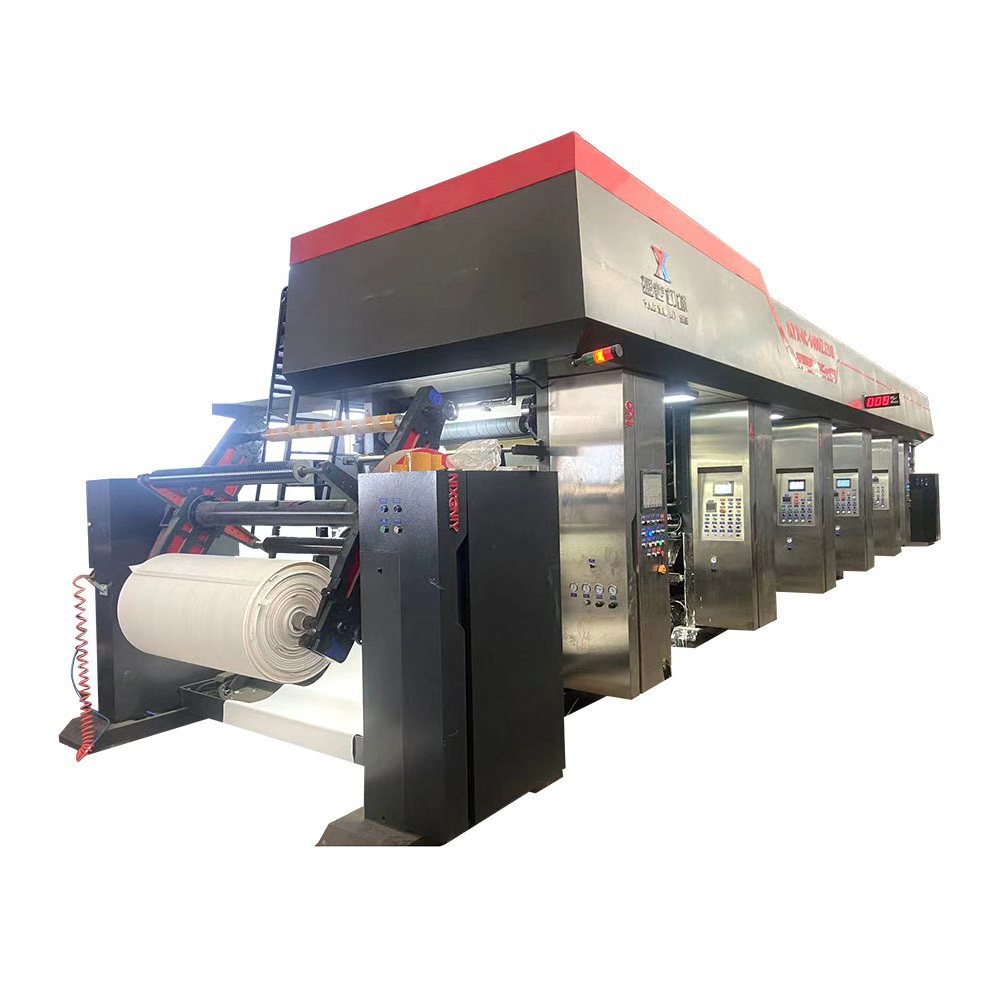
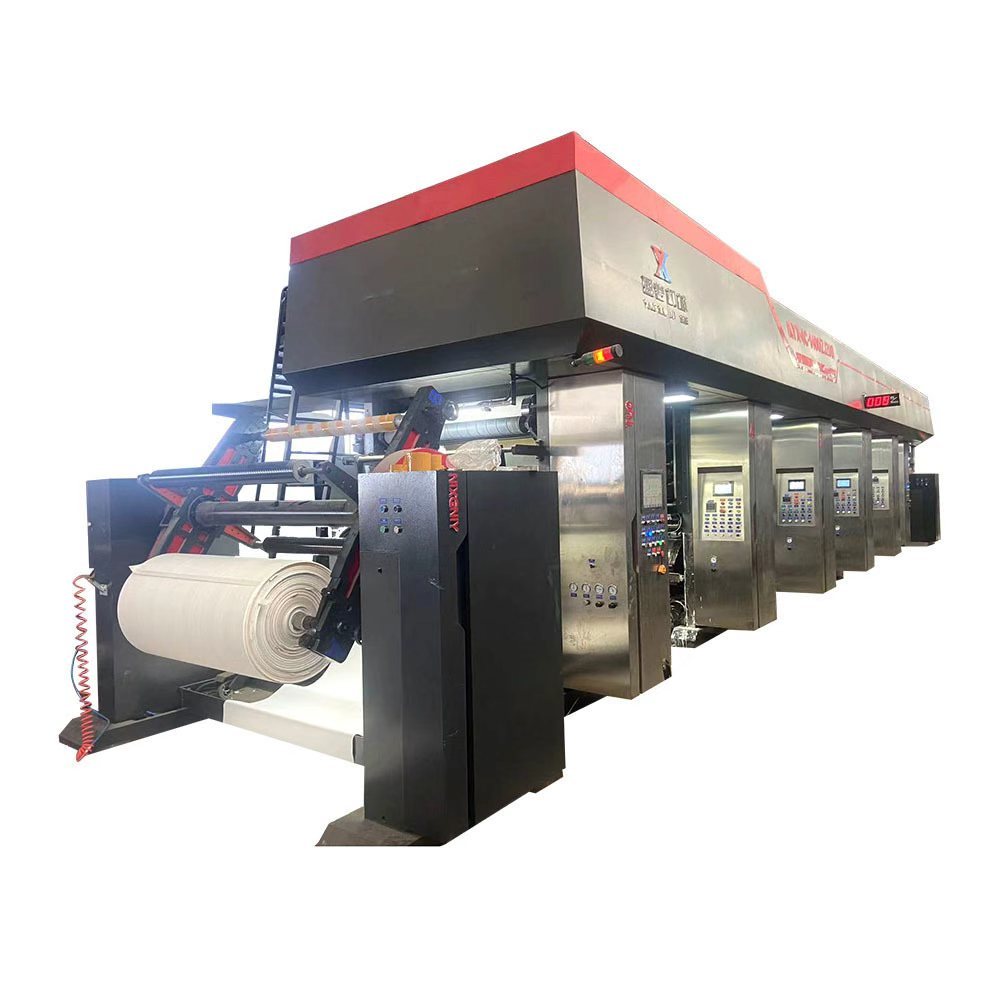
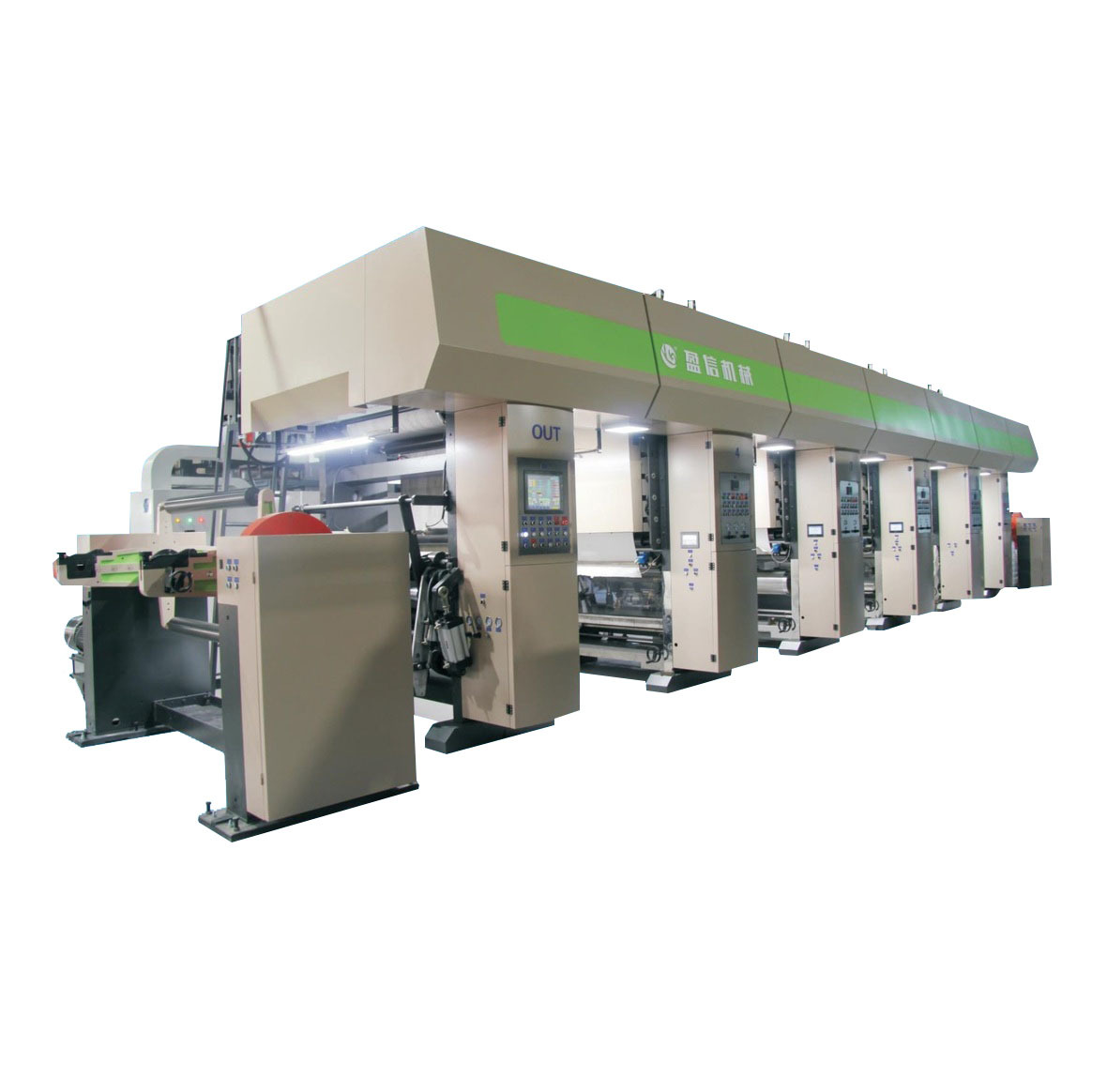
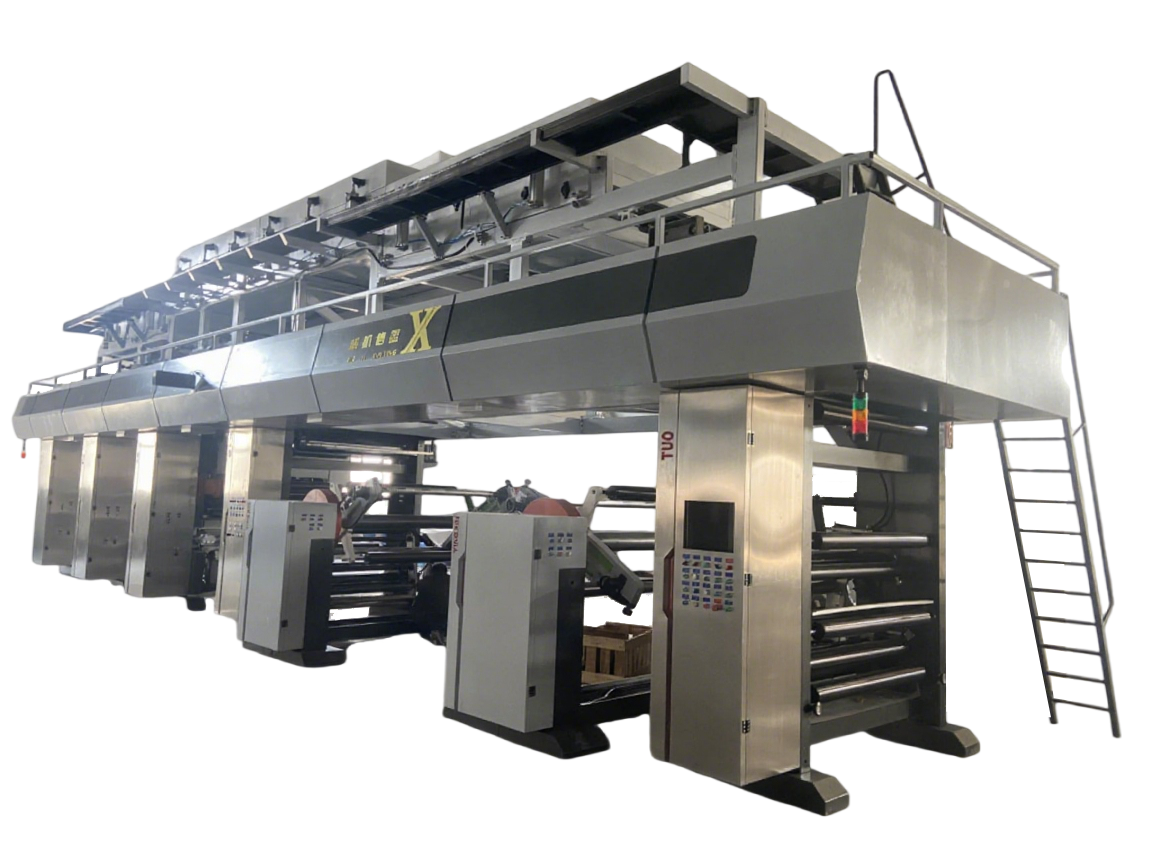
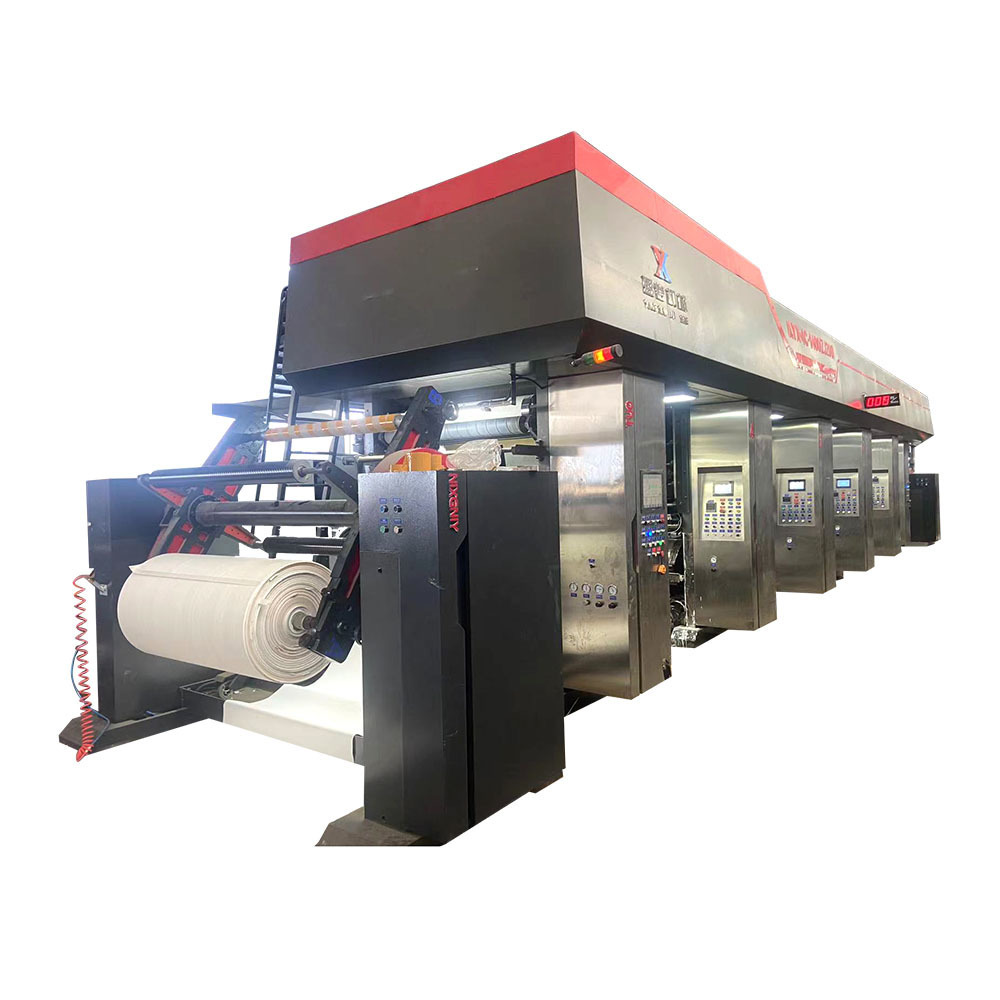
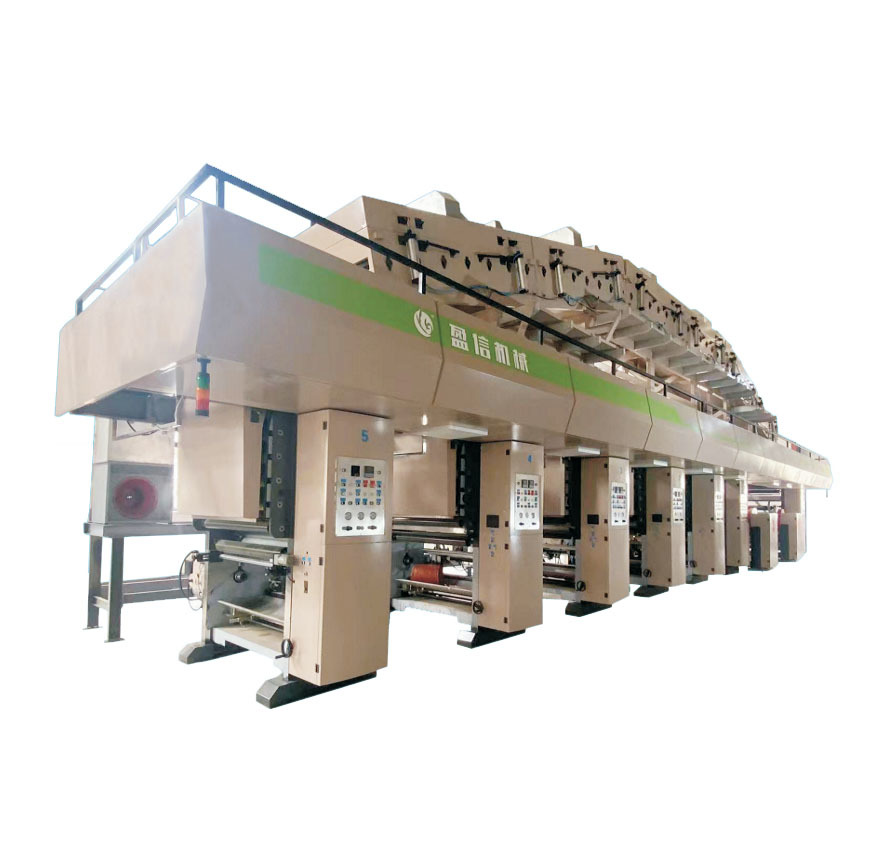
Best D.YX-4C-1400(ZJ200)Automatic gravure printing machine
message:Talk to an expert
WhatsApp:8618058732988
E-Mail:sales@yingxinmachinery.com
tel:+86-18058732988
Contact Us
1168 Jiuzhou Street, Linglong Street, Lin 'an District, Hangzhou City, Zhejiang Province
Mobile phone version
Copyright©Hangzhou Yingxin Machinery Co., Ltd.