

Enhancing Product Quality with Innovative Pattern Gravure Printing Techniques
Enhancing Product Quality with Innovative Pattern Gravure Printing Techniques Table of Contents Introduction to Pattern Gravure Printing What is Gravure Printing? Advantages of Pattern Gravure Printing Techniques Applications of Gravure Printing in Manufacturing Technological Advancements in Gravure Printing Quality Enhancement Techniques in Pattern Gravure Printing Su
Enhancing Product Quality with Innovative Pattern Gravure Printing Techniques
Table of Contents
- Introduction to Pattern Gravure Printing
- What is Gravure Printing?
- Advantages of Pattern Gravure Printing Techniques
- Applications of Gravure Printing in Manufacturing
- Technological Advancements in Gravure Printing
- Quality Enhancement Techniques in Pattern Gravure Printing
- Sustainability in Gravure Printing Processes
- Future Trends in Pattern Gravure Printing
- Conclusion
- Frequently Asked Questions (FAQs)
Introduction to Pattern Gravure Printing
Pattern gravure printing is a sophisticated and high-quality printing technique widely used in various industries, including packaging, textiles, and home décor. By employing engraved cylinders to transfer ink onto surfaces, gravure printing ensures exceptional detail and color accuracy. In this article, we will delve into how pattern gravure printing can elevate product quality, exploring its advantages, applications, technological innovations, and sustainable practices.
What is Gravure Printing?
Gravure printing, also known as rotogravure, is a type of intaglio printing that utilizes a rotating cylinder with etched designs. The ink fills the recessed areas of the cylinder, and as the cylinder rotates, it transfers the ink onto the substrate. This process allows for high-speed production and the ability to print large volumes while maintaining consistent quality.
The Process of Gravure Printing
The gravure printing process can be broken down into several key steps:
1. **Cylinder Preparation**: The first step involves engraving the design onto a copper or chromium-plated cylinder. This engraving can be achieved through various methods, including laser engraving and chemical etching.
2. **Ink Application**: The engraved cylinder is coated with liquid ink and then wiped with a doctor blade, which removes excess ink from the non-engraved areas.
3. **Substrate Alignment**: The substrate is fed into the printing press and aligned with the rotating cylinder.
4. **Transfer of Ink**: As the cylinder rotates, the ink in the engraved areas is transferred onto the substrate, creating a high-quality printed image.
5. **Drying**: Finally, the printed substrate goes through a drying process, solidifying the ink and ensuring durability.
Key Features of Gravure Printing
- **High-Quality Output**: Gravure printing produces sharp, detailed images with vibrant colors.
- **Versatility**: It can print on a variety of materials, including paper, plastic, and metal.
- **Efficiency**: The process is capable of producing large volumes quickly, making it ideal for commercial applications.
Advantages of Pattern Gravure Printing Techniques
Pattern gravure printing offers numerous advantages over other printing methods, making it a preferred choice for manufacturers seeking to enhance product quality.
1. Consistent Quality
Gravure printing excels in delivering consistent quality across large production runs. The engraved cylinders ensure that each print maintains the same level of detail and color accuracy, reducing the risk of variations that can occur in other printing methods.
2. Superior Color Reproduction
The ability to produce a wide range of colors with precision makes gravure printing ideal for applications requiring vibrant visuals. The ink density achieved through gravure allows for rich color reproduction, enhancing the overall aesthetic of the final product.
3. Cost-Effective for Large Volumes
While the initial setup costs for gravure printing may be higher than other methods, the efficiency and speed of the process make it cost-effective for large production volumes. Over time, the cost per unit decreases significantly.
4. Flexibility in Substrate Choices
Gravure printing can be used on various substrates, ranging from traditional materials like paper to modern options such as plastics and films. This versatility allows manufacturers to explore different packaging and product designs.
Applications of Gravure Printing in Manufacturing
Gravure printing finds applications across numerous sectors, each benefiting from its unique capabilities.
1. Packaging Industry
In the packaging industry, gravure printing is extensively used for producing flexible packaging materials such as pouches, bags, and wrappers. The ability to print high-quality graphics and intricate designs enhances brand visibility and consumer appeal.
2. Textiles and Fashion
Gravure printing is employed in the textile industry for producing vibrant patterns and designs on fabrics. This technique allows for detailed designs that can cater to fashion trends while ensuring durability and washability.
3. Decorative Paper and Wall Coverings
The decorative paper and wall coverings sector utilizes gravure printing to create stunning visual effects. The ability to print fine details and textures makes gravure an excellent choice for wallpapers and interior decorative elements.
4. Labels and Tags
Gravure printing is also popular in producing labels and tags due to its precision and ability to handle intricate designs. High-quality printed labels are essential for branding, compliance, and consumer information.
Technological Advancements in Gravure Printing
The gravure printing industry has witnessed significant technological advancements that enhance productivity and quality.
1. Digital Gravure Printing
Digital gravure printing combines traditional gravure techniques with digital technology, allowing for faster production times and more customized printing solutions. This innovation reduces setup times and enables short runs of high-quality prints.
2. Eco-Friendly Inks
The development of eco-friendly inks that are water-based and solvent-free has transformed gravure printing. These inks not only reduce the environmental impact but also ensure that printed products meet sustainability standards.
3. Advanced Cylinder Engraving Techniques
Modern engraving techniques, such as laser engraving, have improved the precision of the cylinder preparation process. This advancement results in more detailed designs and faster turnaround times.
4. Automation and Smart Technology
The integration of automation and smart technology in gravure printing presses has streamlined operations, improving efficiency and reducing human error. Real-time monitoring systems help maintain quality control throughout the printing process.
Quality Enhancement Techniques in Pattern Gravure Printing
To further enhance product quality, several techniques can be implemented during the gravure printing process.
1. Color Management Systems
Implementing sophisticated color management systems ensures that colors are consistent and accurately reproduced throughout the printing process. These systems help maintain brand standards and meet customer expectations.
2. Regular Maintenance of Printing Equipment
Routine maintenance of printing presses and engraved cylinders is crucial for achieving optimal print quality. Regular checks and cleaning help prevent issues such as ink smudging and misalignment.
3. Quality Control Inspections
Incorporating quality control inspections at various stages of the printing process allows manufacturers to identify and rectify issues before they escalate. This proactive approach ensures that only high-quality products reach the market.
4. Continuous Training for Operators
Investing in continuous training for printing operators on the latest techniques and technologies ensures that they are equipped with the skills needed to produce high-quality prints. Well-trained operators contribute significantly to the overall success of the printing process.
Sustainability in Gravure Printing Processes
Sustainability is becoming increasingly important in manufacturing, and gravure printing is no exception. Several initiatives can be adopted to promote sustainable practices.
1. Use of Recyclable Materials
Selecting recyclable substrates for gravure printing reduces waste and supports the circular economy. Manufacturers can enhance their sustainability efforts by using materials that can be easily recycled after use.
2. Reduction of Ink Waste
Implementing systems to minimize ink waste during production is essential for sustainability. This can include precise ink application techniques and reusing excess ink whenever possible.
3. Energy-Efficient Printing Processes
Investing in energy-efficient printing machinery helps reduce the carbon footprint of gravure printing operations. Modern presses are designed to consume less energy while maintaining high productivity.
Future Trends in Pattern Gravure Printing
As technology continues to evolve, the future of pattern gravure printing holds exciting possibilities.
1. Increased Personalization
The demand for personalized products is on the rise, and gravure printing is well-positioned to meet this need. Advances in digital gravure technology will enable shorter runs for customized products without compromising quality.
2. Enhanced Automation
The future of gravure printing is likely to see further advancements in automation, leading to even greater efficiency and reduced labor costs. Automated processes will streamline production and enhance quality control.
3. Focus on Eco-Friendly Practices
With growing environmental concerns, the gravure printing industry will likely continue to prioritize eco-friendly practices, including the use of sustainable materials and inks.
Conclusion
Pattern gravure printing techniques represent a powerful method for enhancing product quality across various industries. By leveraging the advantages of gravure printing, such as consistency, color accuracy, and efficiency, manufacturers can meet and exceed consumer expectations. Keeping up with technological advancements and sustainable practices will further ensure the longevity and success of gravure printing in the competitive landscape.
Frequently Asked Questions (FAQs)
1. What are the primary benefits of gravure printing?
Gravure printing offers consistent quality, superior color reproduction, cost-effectiveness for large volumes, and flexibility in substrate choices.
2. How does gravure printing differ from other printing methods?
Unlike other methods, gravure printing uses engraved cylinders for ink transfer, allowing for high-quality and high-speed production.
3. What industries benefit the most from gravure printing?
The packaging, textiles, decorative paper, and label industries are among the primary sectors that benefit from gravure printing.
4. Are there any eco-friendly options in gravure printing?
Yes, eco-friendly inks and recyclable materials are increasingly being used in gravure printing to promote sustainability.
5. How can manufacturers ensure high print quality in gravure printing?
Regular maintenance of equipment, implementation of color management systems, and quality control inspections are essential for maintaining high print quality.
Tag:
Blog


PRODUCT
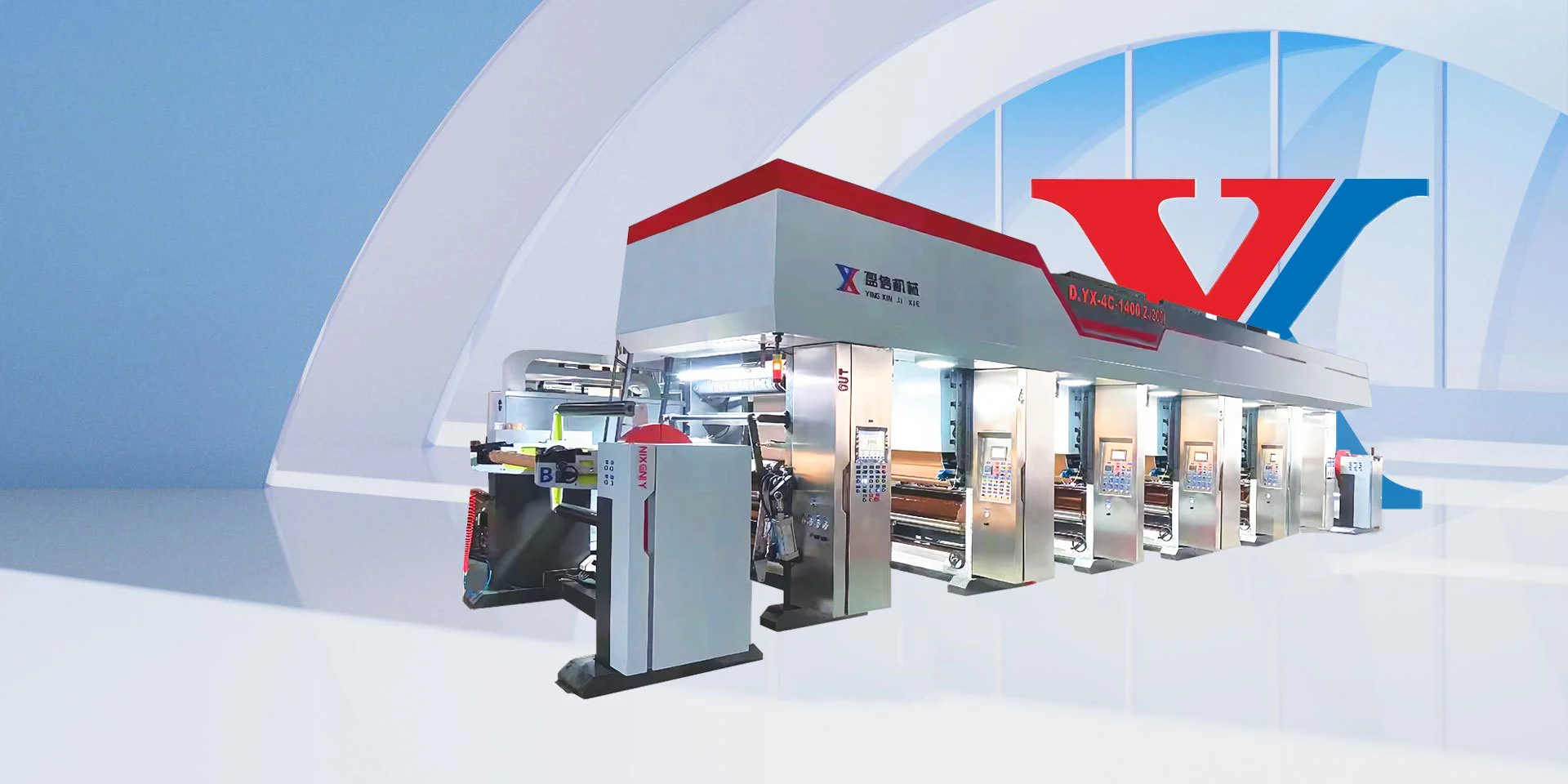
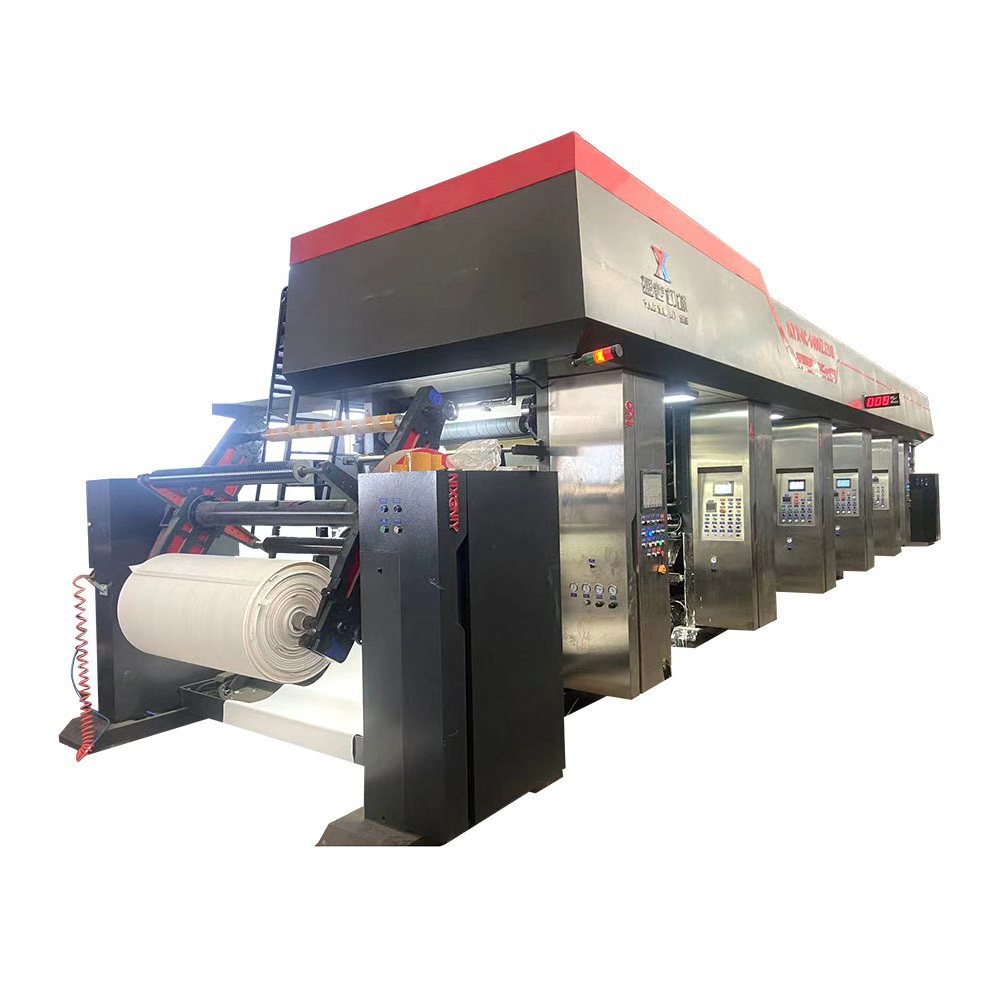
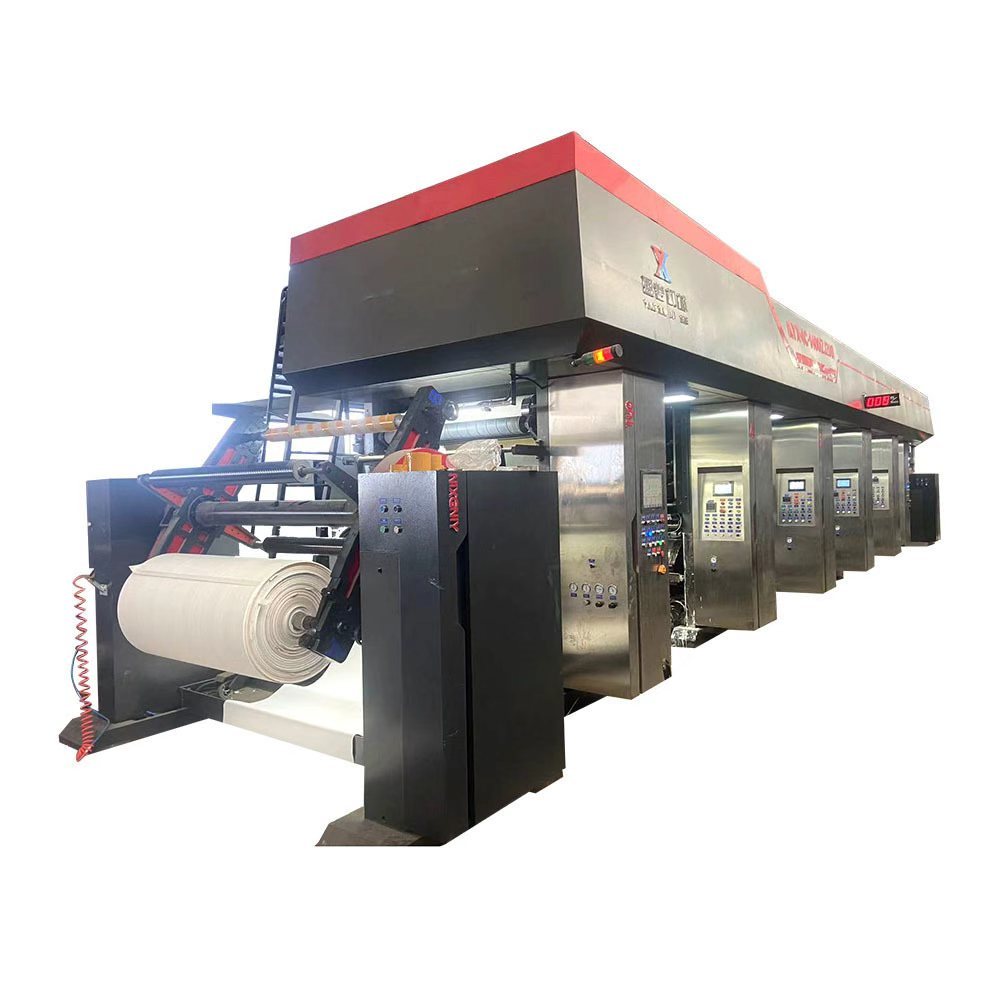
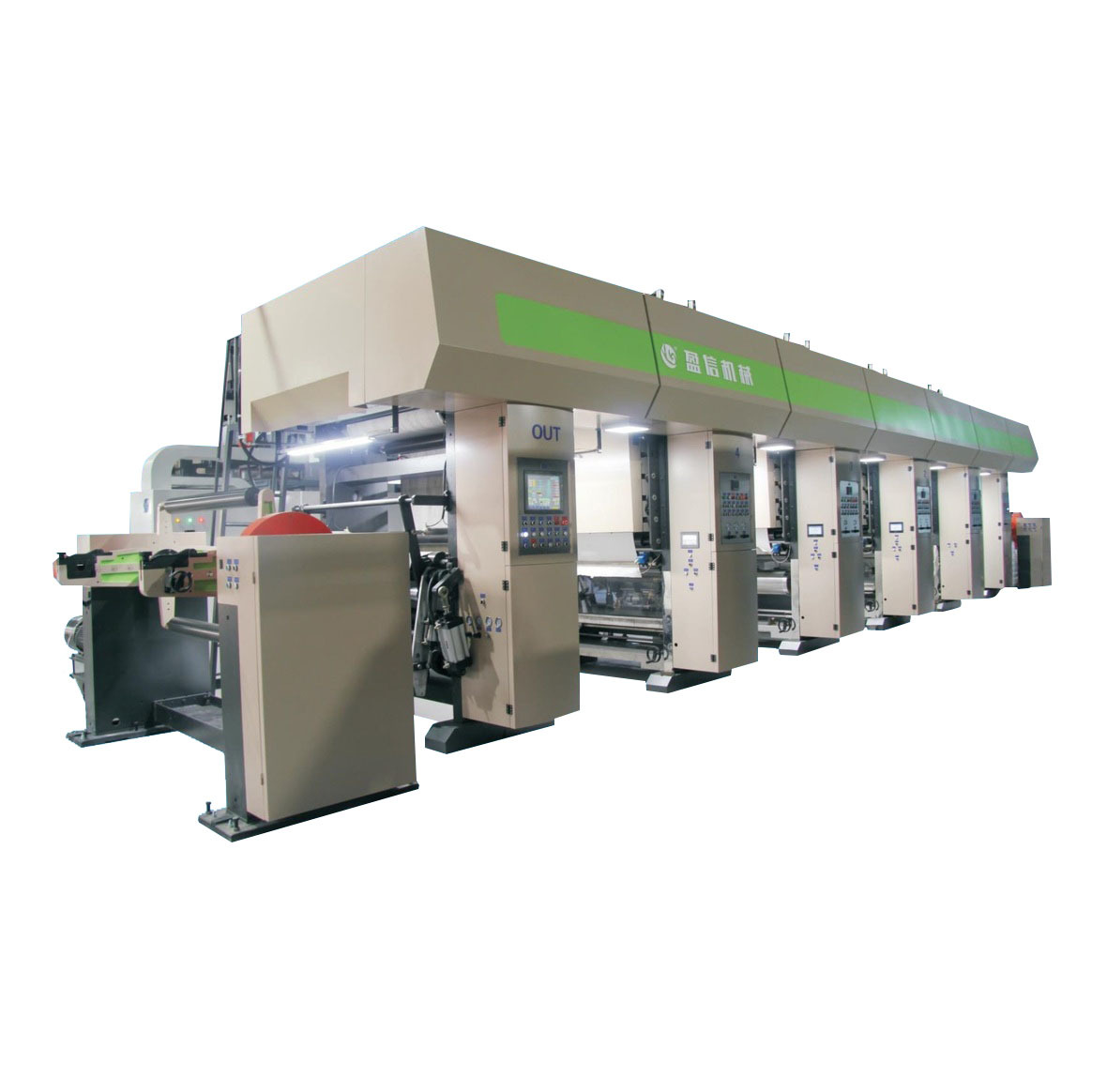
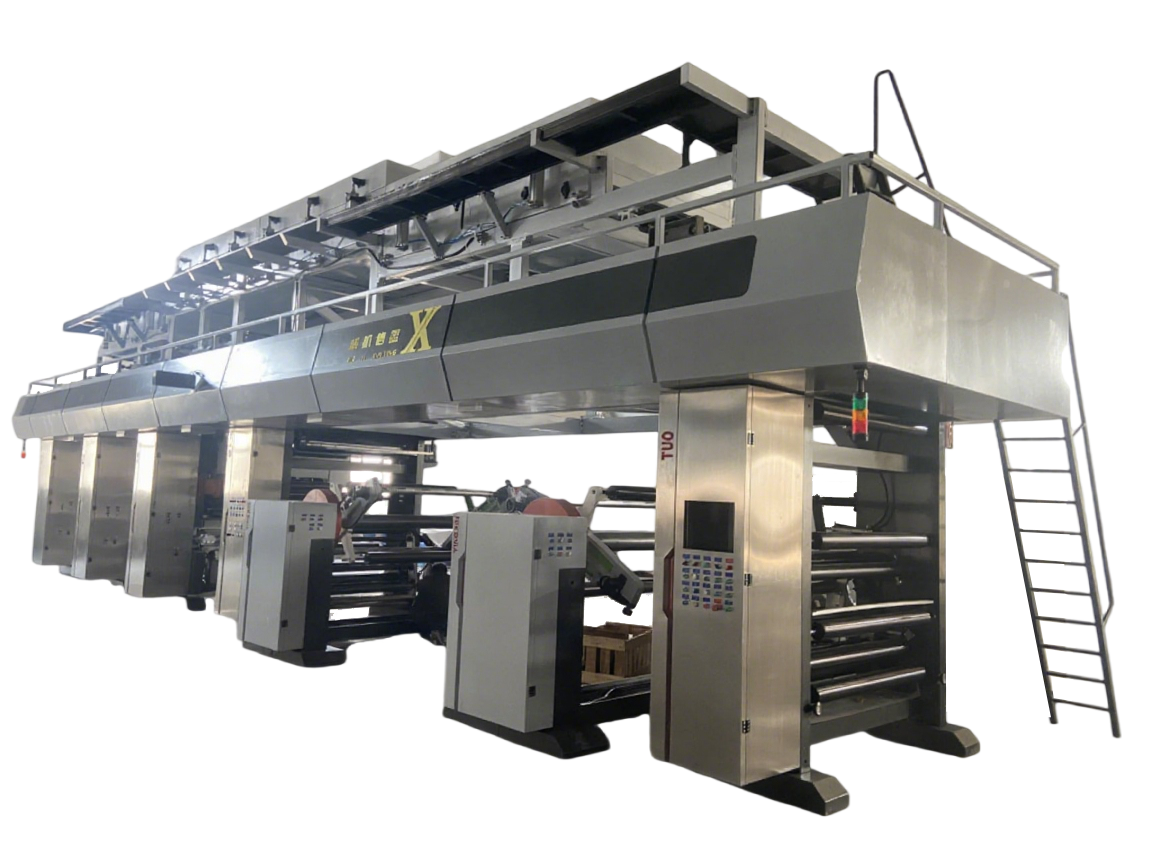
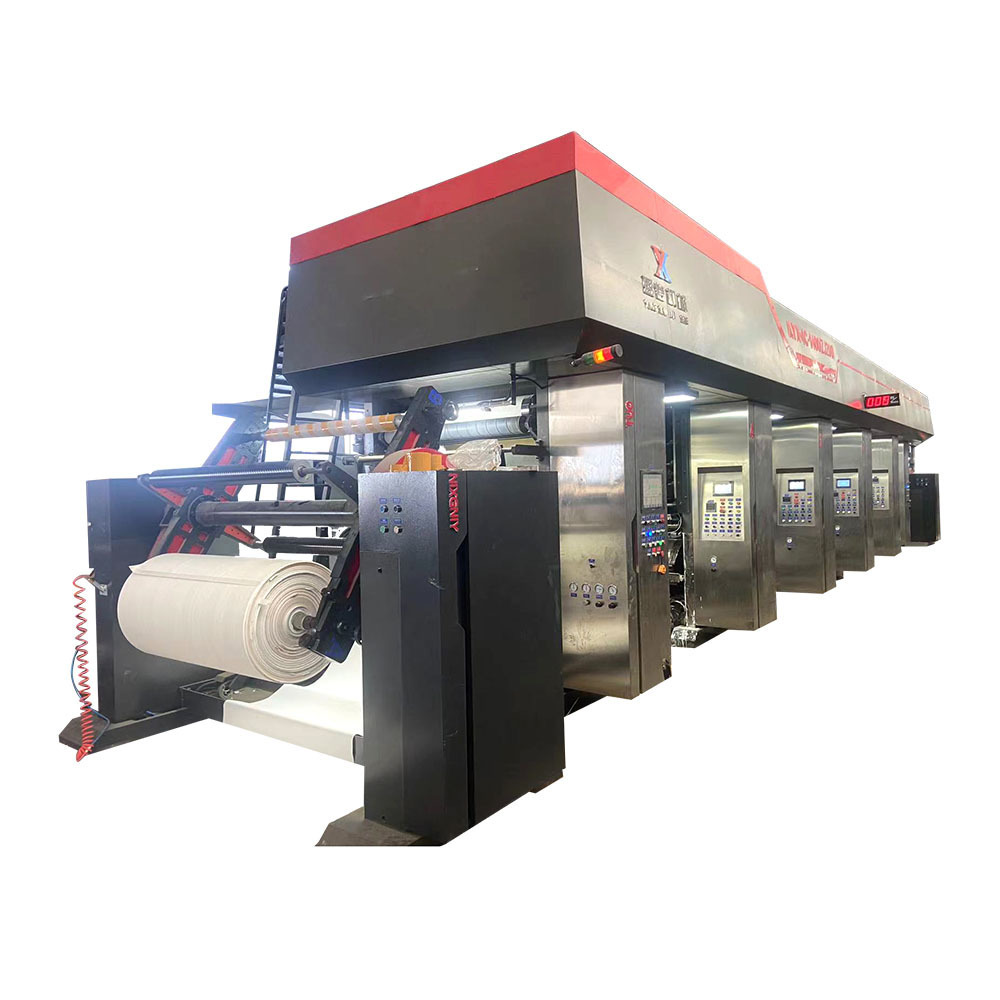
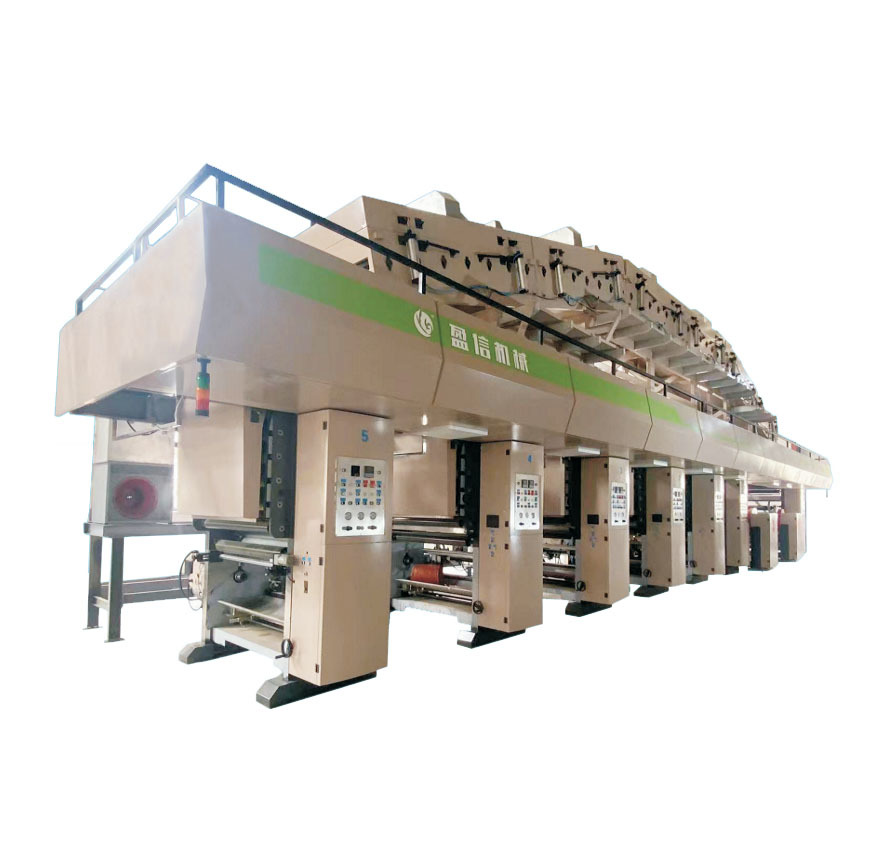
Best D.YX-4C-1400(ZJ200)Automatic gravure printing machine
message:Talk to an expert
WhatsApp:8618058732988
E-Mail:sales@yingxinmachinery.com
tel:+86-18058732988
Contact Us
1168 Jiuzhou Street, Linglong Street, Lin 'an District, Hangzhou City, Zhejiang Province
Mobile phone version
Copyright©Hangzhou Yingxin Machinery Co., Ltd.