

Enhancing Print Quality with Advanced Decorative Paper Rotogravure Technology
Enhancing Print Quality with Advanced Decorative Paper Rotogravure Technology In the competitive landscape of the print industry, achieving exceptional print quality is paramount. As the demand for visually stunning and innovative printed materials continues to grow, manufacturers are turning to advanced decorative paper rotogravure technology. This article delves deeply into the nuances of this t
Enhancing Print Quality with Advanced Decorative Paper Rotogravure Technology
In the competitive landscape of the print industry, achieving exceptional print quality is paramount. As the demand for visually stunning and innovative printed materials continues to grow, manufacturers are turning to advanced decorative paper rotogravure technology. This article delves deeply into the nuances of this technology, its applications, and its transformative impact on print quality.
Understanding Rotogravure Printing Technology
Rotogravure printing, often referred to simply as gravure, is an intaglio printing process that uses a rotary printing cylinder. The design is engraved onto the cylinder, which then transfers ink to the substrate, producing high-quality images at high speeds. This method is particularly well-suited for long runs and is favored in various applications, including packaging, magazines, and decorative papers.
The Mechanics of Rotogravure Printing
The gravure process begins with the creation of engraved cylinders, which can be made of copper or chrome. The cylinder surface has tiny cells that hold ink, allowing for precise ink transfer during the printing process. The mechanics involve several key steps:
- Ink Application: The cylinder is coated with ink, filling the engraved cells.
- Excess Ink Removal: A doctor blade scrapes off the excess ink, ensuring only the ink in the cells remains.
- Substrate Contact: The cylinder presses against the substrate, transferring the ink.
- Drying Process: The printed substrate then goes through a drying phase, ensuring that the ink sets properly.
Advantages of Rotogravure Printing
Rotogravure printing offers several advantages that contribute to its popularity in the industry:
- High Print Quality: The process produces sharp images with rich colors and fine details.
- Efficiency: It allows for high-speed production, making it ideal for large volume runs.
- Versatility: Rotogravure is compatible with various substrates, including flexible films, paper, and textiles.
- Cost-Effectiveness: For large print runs, the cost per unit decreases, making it economically viable.
Decorative Paper and Its Importance in Design
Decorative paper is widely used in packaging, stationery, and various crafts. Its aesthetic appeal can elevate products, making them more attractive to consumers. As competition in the market intensifies, companies are leveraging decorative paper to differentiate themselves through unique designs and finishes.
Types of Decorative Papers
There are several types of decorative papers, each serving different purposes:
- Textured Papers: These papers have unique surfaces that add tactile qualities to printed materials.
- Metallic Papers: These offer a shiny finish that can enhance visual appeal.
- Patterned Papers: Available in various designs and colors, these papers are perfect for customized applications.
- Transparent and Translucent Papers: Ideal for layering effects, creating depth in designs.
The Role of Rotogravure in Decorative Paper Production
Rotogravure technology plays a crucial role in producing high-quality decorative papers. The ability to achieve detailed patterns and vibrant colors makes it an ideal choice for this application. Additionally, the technology allows for the use of specialty inks that can enhance the visual effects of the paper.
Enhancing Print Quality with Advanced Techniques
To maximize print quality in decorative paper applications, several advanced techniques are employed:
1. Color Management Systems
Implementing a robust color management system ensures that colors are consistent and accurate throughout the printing process. This involves calibrating equipment, using color profiles, and performing regular checks to maintain quality standards.
2. Specialty Inks
Utilizing specialty inks, such as metallic, fluorescent, or even eco-friendly inks, can significantly enhance the visual appeal of printed materials. These inks can create effects that standard inks cannot achieve, adding value to the final product.
3. Surface Treatments
Applying coatings or laminations can protect the printed surface while enhancing appearance. Glossy or matte finishes can be used to achieve the desired look and feel, further elevating the product's quality.
4. Precision Cylinder Engraving
The quality of the engraved cylinder directly impacts print quality. Advanced engraving techniques, such as laser engraving, allow for finer details and more intricate designs, resulting in superior print output.
5. Continuous Quality Monitoring
Implementing a continuous quality monitoring system during the production process helps identify issues early on. Regular checks for color consistency, registration, and ink density ensure that any problems are addressed promptly, maintaining high-quality standards.
Industry Trends Influencing Decorative Paper Printing
The print industry is continuously evolving, and several trends are shaping the future of decorative paper printing:
1. Sustainability Practices
With increasing awareness about environmental issues, there is a significant push toward sustainable printing practices. Using eco-friendly inks, recyclable substrates, and reducing waste are becoming standard practices in the industry.
2. Personalization and Customization
The demand for personalized products is on the rise. Companies are utilizing advanced printing technology to offer bespoke designs that cater to individual customer preferences, enhancing customer satisfaction and brand loyalty.
3. Digital Integration
Integrating digital technologies with traditional printing methods is becoming more prevalent. Digital printing allows for shorter runs and quicker turnaround times, complementing rotogravure's strengths in high-volume production.
4. Innovative Design Techniques
As designers seek to push creative boundaries, innovative design techniques are gaining traction. These techniques often involve complex layering, textures, and unique finishes that enhance the overall appeal of printed materials.
5. Smart Packaging Solutions
As the packaging industry grows, the integration of technology into decorative paper products is becoming a trend. Smart packaging that incorporates QR codes or NFC technology allows for interactive consumer experiences and enhances product engagement.
Future Innovations in Rotogravure Technology
The future of rotogravure printing is bright, with several innovations on the horizon:
1. Enhanced Automation
Automation in the printing process not only increases efficiency but also reduces human error. Future advancements may include more automated systems for cylinder handling, ink mixing, and even quality checks, streamlining the workflow.
2. Advanced Imaging Techniques
Emerging imaging technologies, such as 3D printing and augmented reality, may integrate with traditional rotogravure methods. This fusion could create entirely new product offerings that combine the best of both worlds.
3. Improved Eco-Friendly Inks
As the demand for sustainable options rises, the development of high-performance eco-friendly inks will be crucial. Innovations in this area could lead to better performance without compromising quality.
4. Enhanced Data Analytics
Utilizing data analytics to monitor print quality metrics can provide insights that help improve processes and minimize defects. This technology could lead to a more refined approach to quality control in the future.
5. Incorporation of AI and Machine Learning
As artificial intelligence and machine learning continue to develop, their incorporation into printing technology is inevitable. These technologies can enhance predictive maintenance, optimize workflows, and improve overall print quality.
FAQs about Decorative Paper Rotogravure Technology
1. What is rotogravure printing?
Rotogravure printing is an intaglio printing process that uses engraved cylinders to transfer ink onto a substrate, resulting in high-quality images and designs.
2. How does decorative paper enhance product appeal?
Decorative paper adds visual interest and uniqueness to products, making them more attractive to consumers and helping brands stand out in competitive markets.
3. What are the advantages of using specialty inks in rotogravure printing?
Specialty inks can create unique visual effects, enhance color vibrancy, and allow for innovative finishes that standard inks cannot achieve.
4. How can companies ensure consistent print quality?
Companies can implement robust color management systems, continuous quality monitoring, and use advanced engraving techniques to maintain consistent print quality.
5. What are the emerging trends in the print industry related to decorative paper?
Emerging trends include sustainability practices, personalization, digital integration, innovative design techniques, and smart packaging solutions.
Conclusion
Advanced decorative paper rotogravure technology is at the forefront of the print industry, offering unparalleled print quality and creative possibilities. By understanding the mechanics of this technology, recognizing its benefits, and embracing innovation, businesses can enhance their offerings and meet the ever-evolving demands of consumers. As the industry continues to grow, those who adapt and explore new techniques will pave the way for future success in decorative paper printing.
Tag:
Blog


PRODUCT
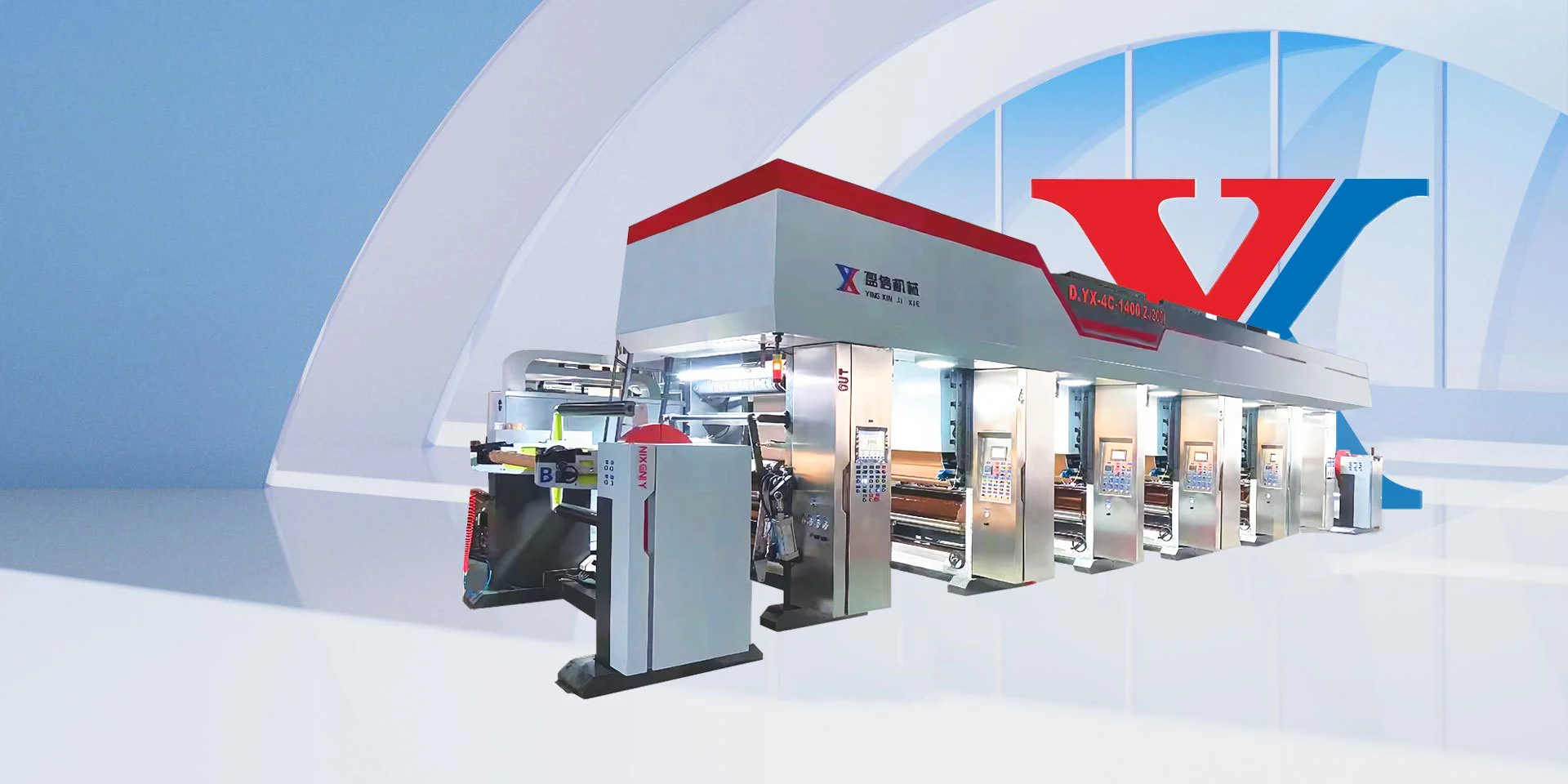
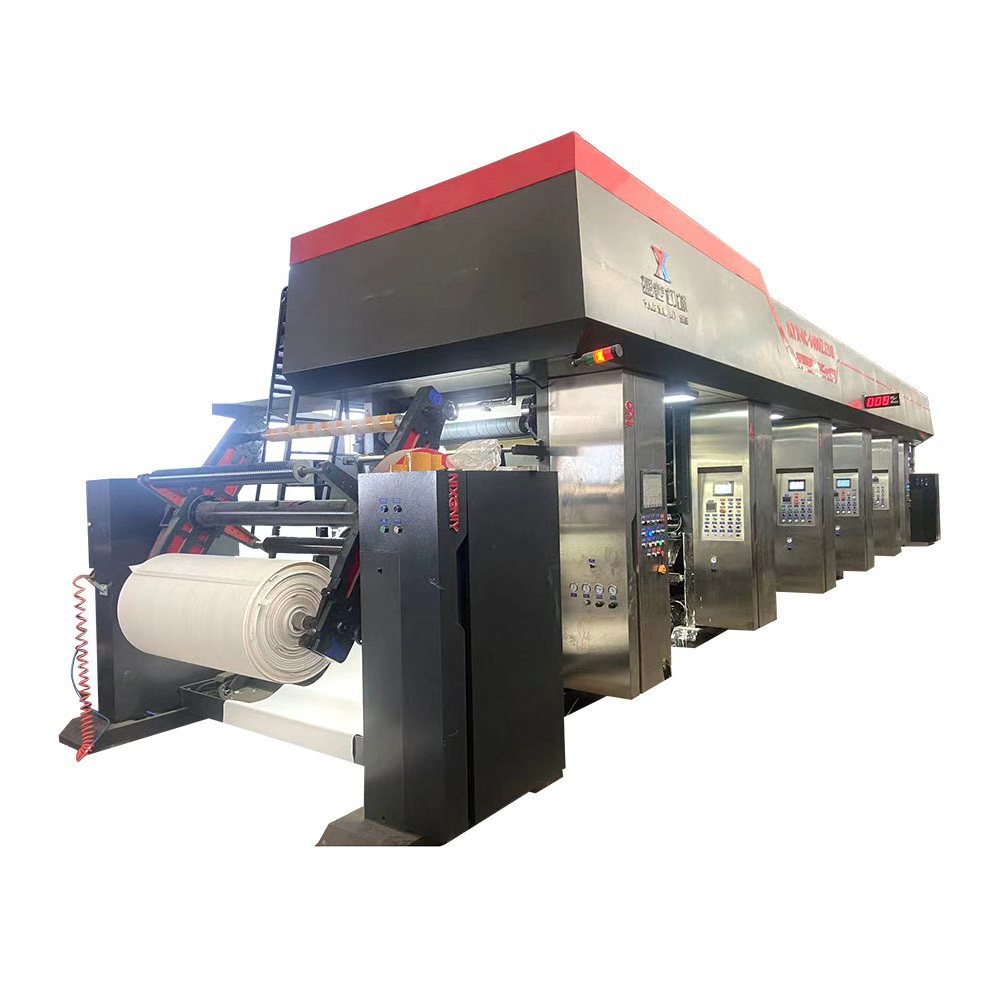
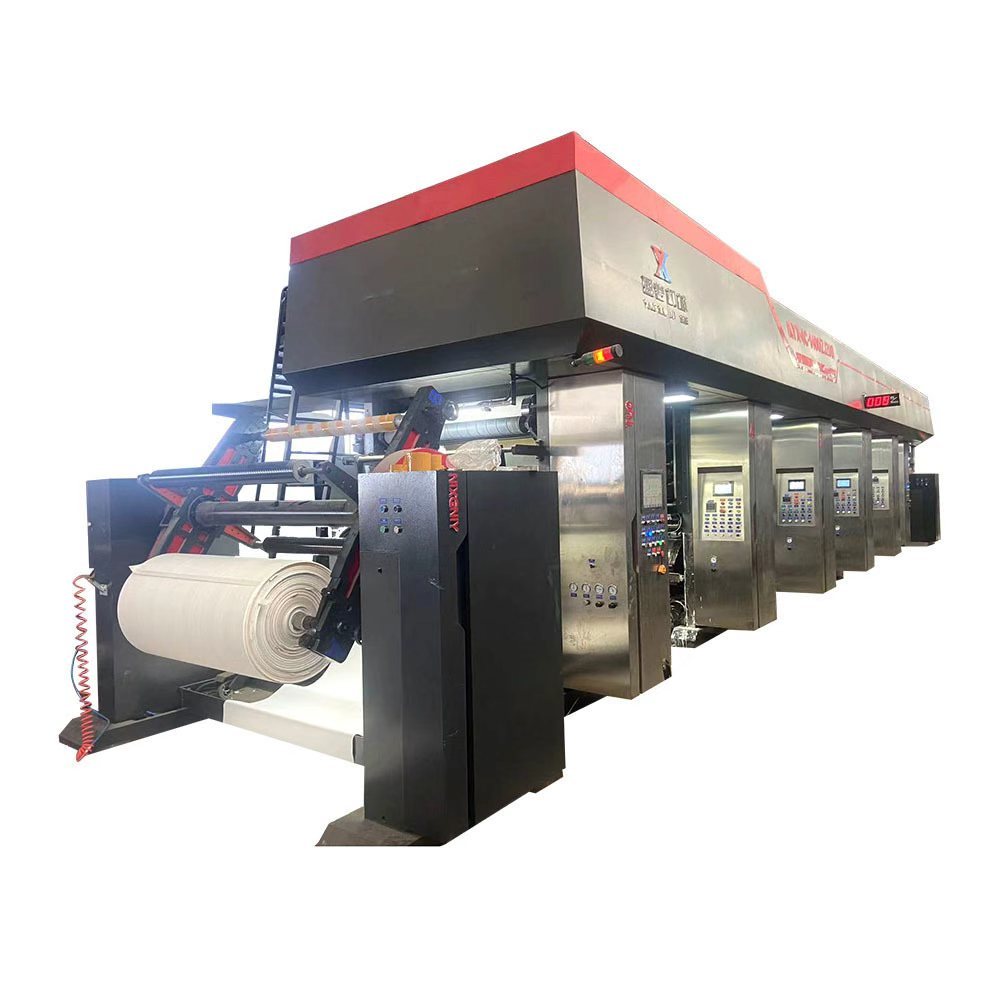
Best D.YX-4C-1400(ZJ200)Automatic gravure printing machine
message:Talk to an expert
WhatsApp:8618058732988
E-Mail:sales@yingxinmachinery.com
tel:+86-18058732988
Contact Us
1168 Jiuzhou Street, Linglong Street, Lin 'an District, Hangzhou City, Zhejiang Province
Mobile phone version
Copyright©Hangzhou Yingxin Machinery Co., Ltd.