

The Science Behind Decorative Paper Rotogravure Printing: A Comprehensive Guide
The Science Behind Decorative Paper Rotogravure Printing Table of Contents 1. Introduction to Decorative Paper Rotogravure Printing 2. The History and Evolution of Rotogravure Printing 3. Understanding the Rotogravure Printing Process 3.1 The Components of a Rotogravure Press 3.2 How the Gravure Cylinder Works 3.3 Ink and Substrate Compatibility 4. Applications of Decorative Paper Rotogravure Prin
The Science Behind Decorative Paper Rotogravure Printing
Table of Contents
1. Introduction to Decorative Paper Rotogravure Printing
2. The History and Evolution of Rotogravure Printing
3. Understanding the Rotogravure Printing Process
3.1 The Components of a Rotogravure Press
3.2 How the Gravure Cylinder Works
3.3 Ink and Substrate Compatibility
4. Applications of Decorative Paper Rotogravure Printing
4.1 Packaging and Labeling
4.2 Wallpaper and Interior Décor
5. Advantages of Rotogravure Printing
6. Challenges and Solutions in Rotogravure Printing
7. Future Trends in Decorative Paper Rotogravure Printing
8. Frequently Asked Questions
9. Conclusion
1. Introduction to Decorative Paper Rotogravure Printing
Decorative paper rotogravure printing has become increasingly popular in various industries, particularly in packaging, wallpaper, and decorative materials. It is a sophisticated technique that combines art and science, allowing for high-quality images and vibrant colors on a wide range of substrates. In this article, we will delve into the mechanics of rotogravure printing, its applications, advantages, and future trends.
2. The History and Evolution of Rotogravure Printing
Rotogravure printing, also known as gravure printing, has a rich history dating back to the early 1900s. Initially developed as a way to print high-quality images in newspapers, it evolved over the decades to accommodate various applications. The advent of digital technologies has further revolutionized the process, making it more efficient and accessible to a wider range of businesses.
3. Understanding the Rotogravure Printing Process
The rotogravure printing process is characterized by its use of engraved cylinders to transfer ink onto the substrate. This technique allows for detailed images and consistent quality, making it an ideal choice for decorative paper printing.
3.1 The Components of a Rotogravure Press
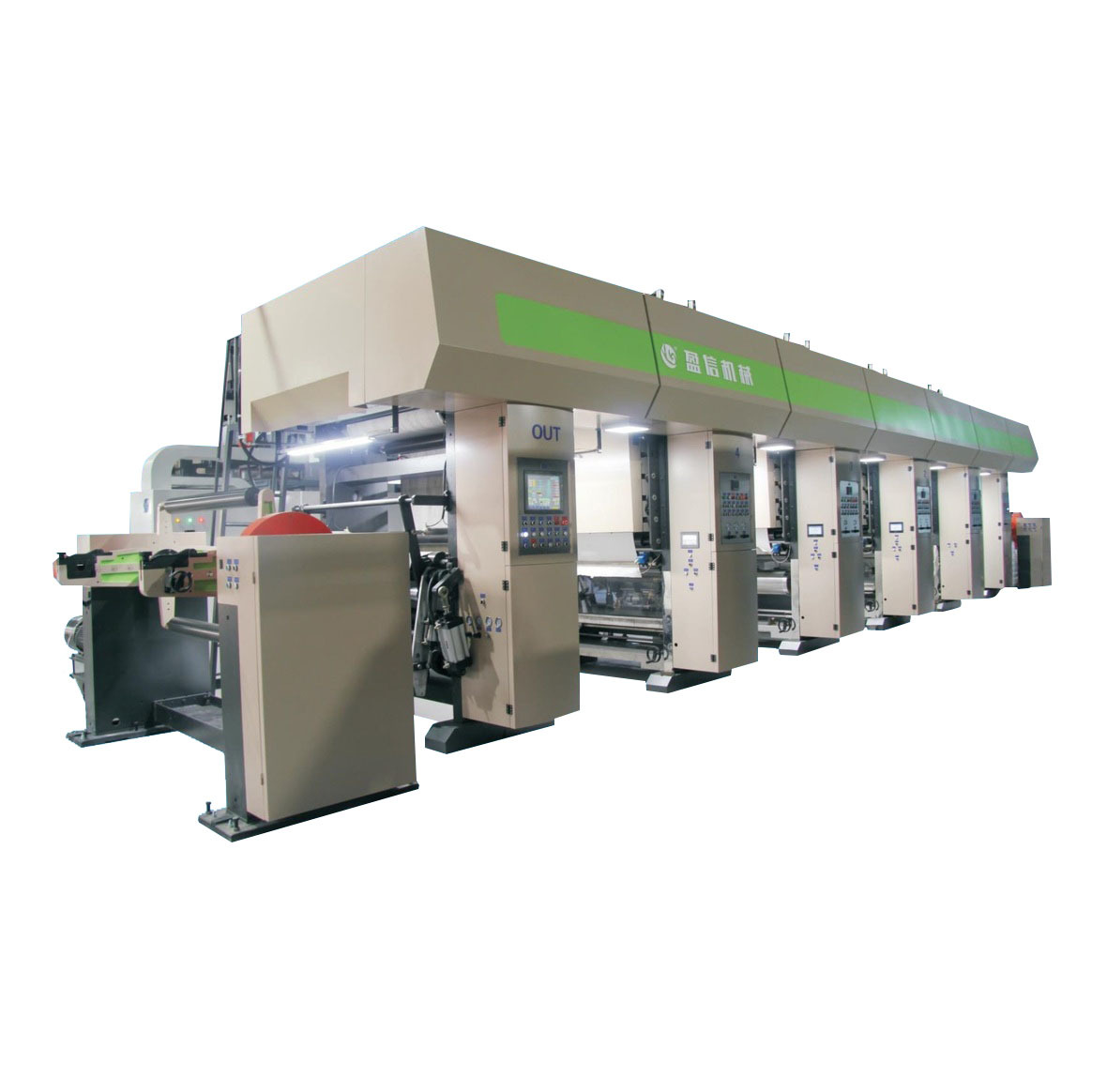
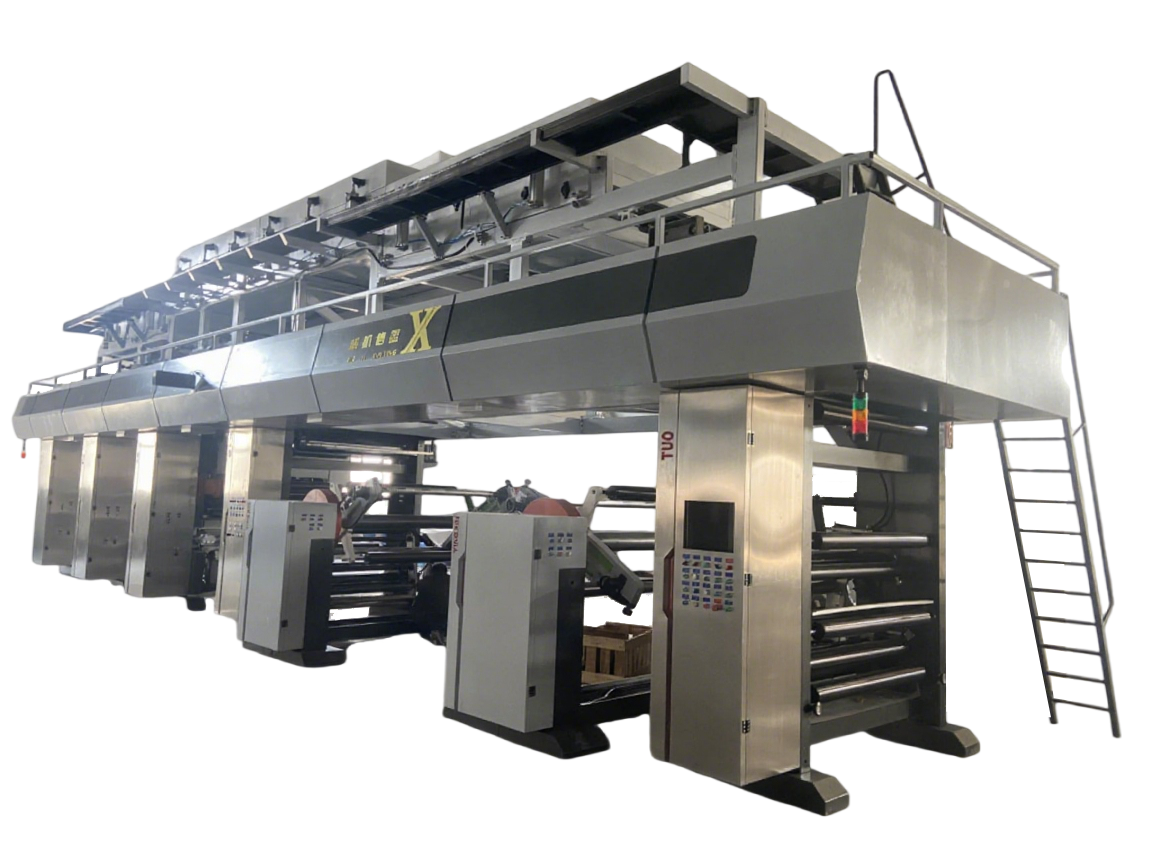
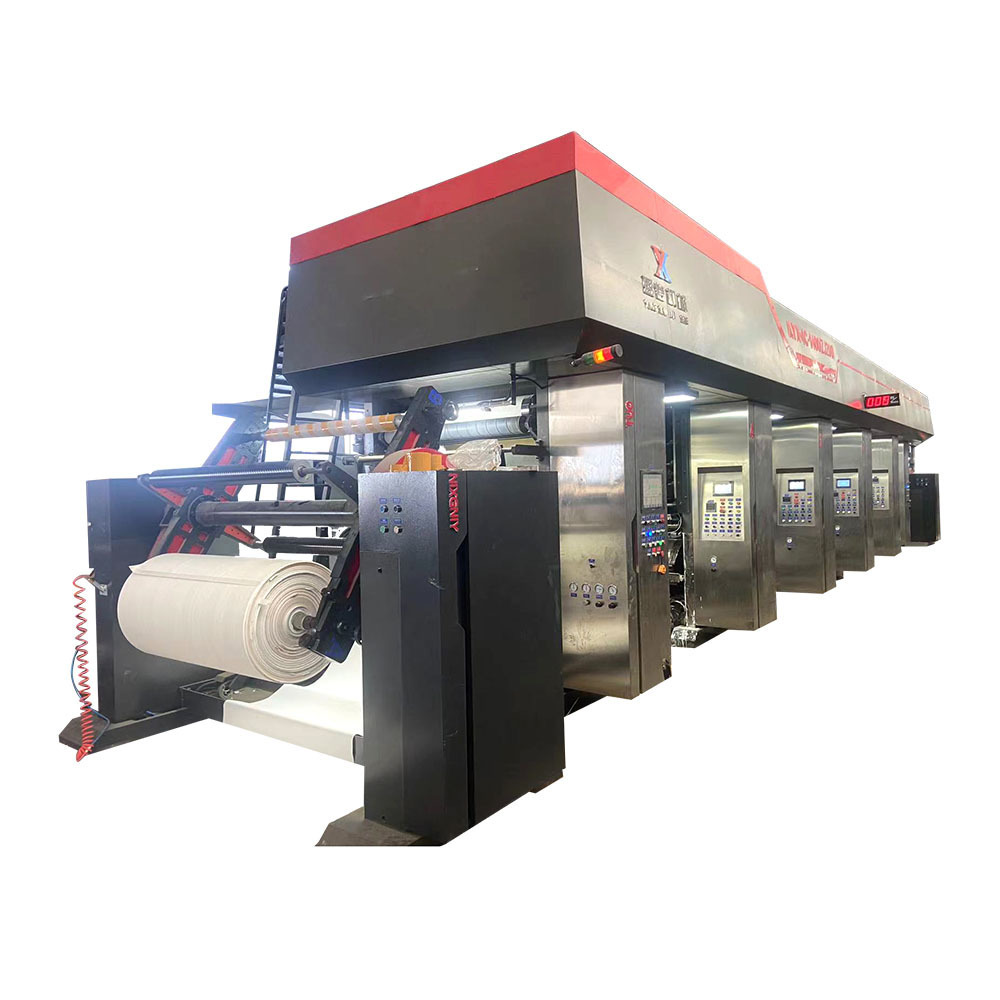
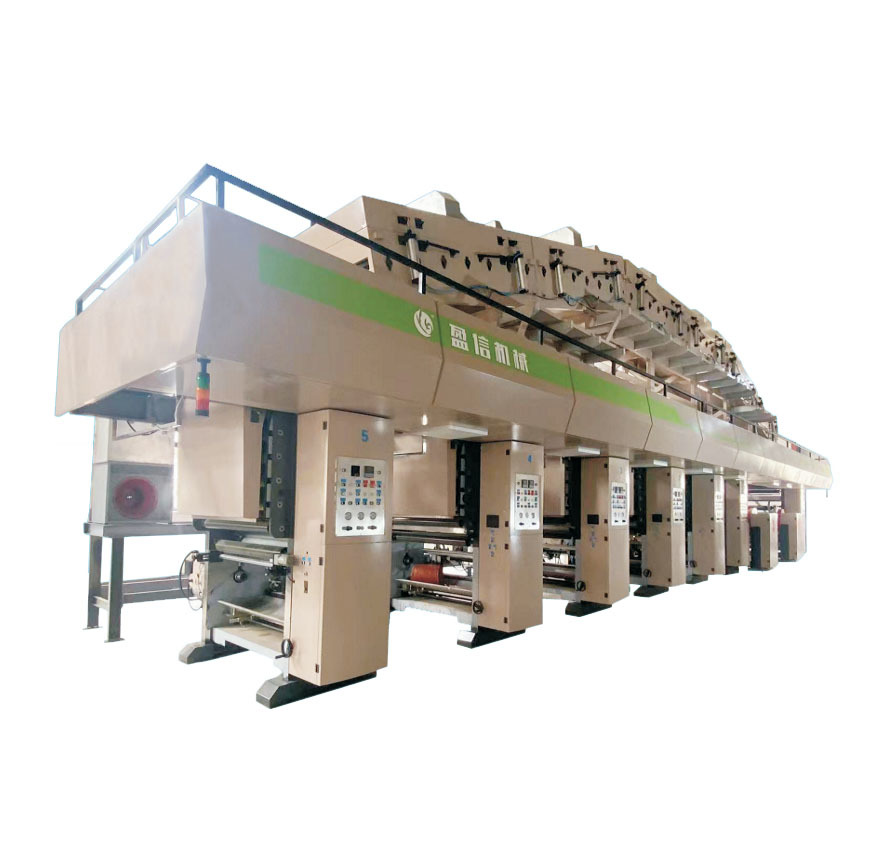
A typical rotogravure press consists of several key components, including:
- **Gravure Cylinders**: These are the heart of the printing process, featuring tiny cells that hold the ink.
- **Ink Supply System**: This system ensures a steady flow of ink to the cylinders.
- **Drying Chamber**: After applying the ink, the substrate passes through a drying chamber to ensure the print dries quickly and evenly.
- **Rewind and Unwind Units**: These units manage the paper rolls, allowing for continuous printing.
3.2 How the Gravure Cylinder Works
The gravure cylinder is precision-engineered to create fine details. Each cylinder is engraved with a design that corresponds to the desired print. As the cylinder rotates, it picks up ink from a reservoir and transfers it onto the substrate as it passes through the printing unit. The depth of the engravings determines the amount of ink transferred, allowing for varying shades and effects.
3.3 Ink and Substrate Compatibility
One of the critical factors in the success of rotogravure printing is the compatibility between the ink and substrate. Various inks are available, including solvent-based, water-based, and UV-curable inks. Each type has its advantages based on the substrate used, which can range from paper and plastic to metallic films.
4. Applications of Decorative Paper Rotogravure Printing
Rotogravure printing finds applications across various sectors, thanks to its ability to deliver high-quality imagery and vibrant colors.
4.1 Packaging and Labeling
In the packaging industry, rotogravure printing is widely used for flexible packaging, labels, and wrappers. Its ability to produce intricate designs makes it a favorite for brands looking to stand out on store shelves.
4.2 Wallpaper and Interior Décor
The wallpaper industry has also embraced rotogravure printing, allowing designers to create unique, intricate patterns and textures that appeal to consumers. This application not only enhances the aesthetic appeal of interiors but also allows for customization and personalization.
5. Advantages of Rotogravure Printing
Rotogravure printing offers several advantages that make it a preferred method for many applications:
- **High-Quality Images**: The engraving process produces incredibly detailed images, ideal for decorative applications.
- **Speed and Efficiency**: Once set up, rotogravure presses can operate at high speeds, making them suitable for large production runs.
- **Versatility**: The process can be used on various substrates, including paper, plastic, and foil, expanding its application range.
6. Challenges and Solutions in Rotogravure Printing
While rotogravure printing has many benefits, it also presents challenges, such as high initial setup costs and ink drying issues. However, advancements in technology and materials have provided solutions to these challenges. For instance, improved drying systems and innovative inks have enhanced speed and efficiency, making the process more accessible for businesses of all sizes.
7. Future Trends in Decorative Paper Rotogravure Printing
As technology continues to evolve, so does the field of decorative paper rotogravure printing. Emerging trends include:
- **Sustainability**: The industry is moving towards eco-friendly inks and substrates, catering to environmentally conscious consumers.
- **Digital Integration**: The combination of digital and rotogravure printing technologies is creating new opportunities for customization and short-run printing.
- **Enhanced Automation**: Advances in automation are streamlining the production process, reducing labor costs, and increasing efficiency.
8. Frequently Asked Questions
Q1: What is the difference between rotogravure and flexographic printing?
A1: While both are rotary printing processes, rotogravure uses engraved cylinders for ink transfer, whereas flexographic printing uses flexible relief plates.
Q2: Can rotogravure printing be used for small runs?
A2: Traditionally, rotogravure is more suited for large runs due to its setup costs, but advancements are making it more viable for shorter runs.
Q3: What types of inks are used in rotogravure printing?
A3: Common ink types include solvent-based, water-based, and UV-curable inks, each chosen based on the substrate.
Q4: How do you maintain a rotogravure press?
A4: Regular maintenance includes cleaning the cylinders, checking ink viscosity, and ensuring the drying systems function correctly.
Q5: Is rotogravure printing environmentally friendly?
A5: While traditional processes used solvent-based inks, the industry is shifting towards more sustainable practices, including eco-friendly inks and substrates.
9. Conclusion
Decorative paper rotogravure printing stands at the intersection of art and technology, enabling the production of stunning visuals on various substrates. Understanding its mechanisms, advantages, and trends prepares industry professionals to leverage this printing technique effectively. As the industry evolves, embracing sustainability and technological advancements will be crucial for future success. Whether you are an experienced printer or new to the field, the science behind rotogravure printing offers ample opportunities for innovation and creativity in decorative applications.
Tag:
Blog

Improving Production Speed with Efficient PVC Gravure Printing Machines



PRODUCT
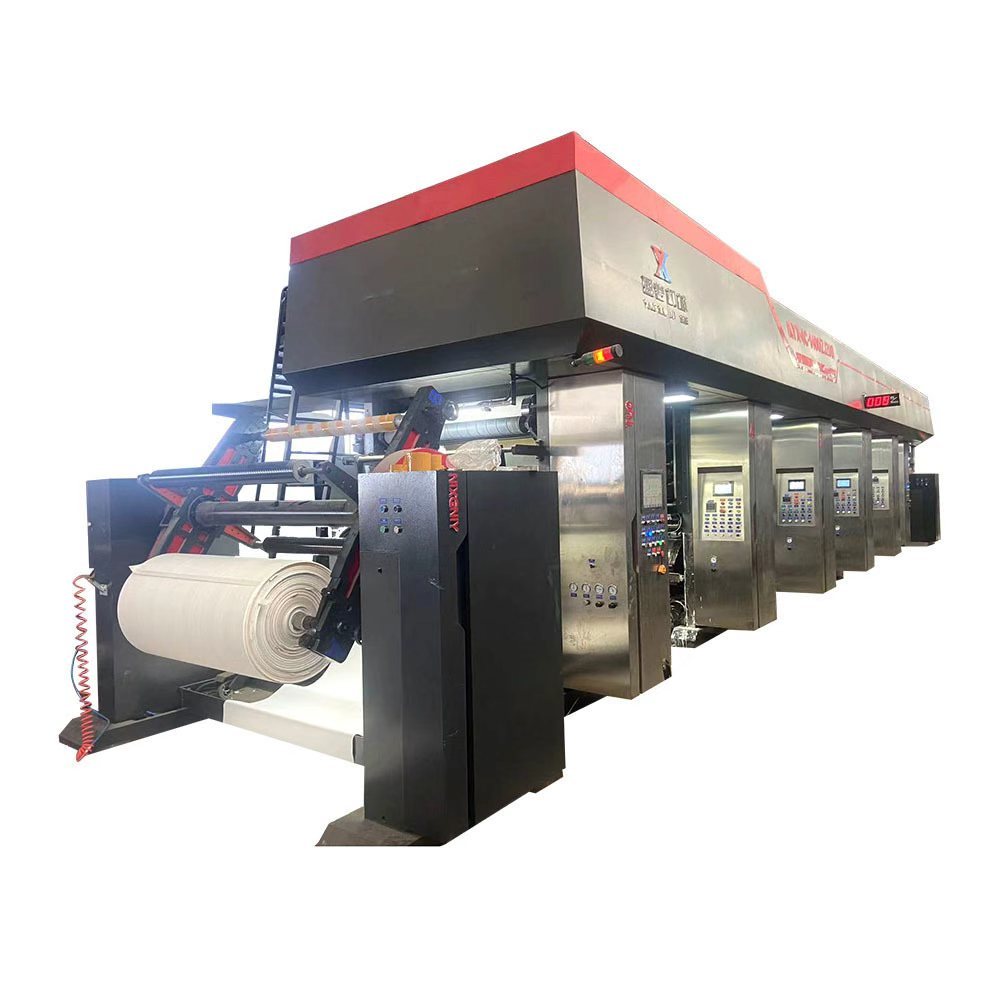
Best D.YX-4C-1400(ZJ200)Automatic gravure printing machine
message:Talk to an expert
WhatsApp:8618058732988
E-Mail:sales@yingxinmachinery.com
tel:+86-18058732988
Contact Us
1168 Jiuzhou Street, Linglong Street, Lin 'an District, Hangzhou City, Zhejiang Province
Mobile phone version
Copyright©Hangzhou Yingxin Machinery Co., Ltd.