

Case Studies on Successful Implementation of Film Rotogravure Printing: Insights and Innovations
Case Studies on Successful Implementation of Film Rotogravure Printing: Insights and Innovations Table of Contents Introduction to Film Rotogravure Printing Understanding Rotogravure Printing Technology Case Study 1: Revolutionizing Packaging with Rotogravure Printing Case Study 2: Enhanced Quality Control in Food Packaging Case Study 3: Sustainable Solutions in Flexible Packa
Case Studies on Successful Implementation of Film Rotogravure Printing: Insights and Innovations
Table of Contents
- Introduction to Film Rotogravure Printing
- Understanding Rotogravure Printing Technology
- Case Study 1: Revolutionizing Packaging with Rotogravure Printing
- Case Study 2: Enhanced Quality Control in Food Packaging
- Case Study 3: Sustainable Solutions in Flexible Packaging
- Challenges Faced and Lessons Learned
- Future Trends in Film Rotogravure Printing
- Conclusion
- Frequently Asked Questions
Introduction to Film Rotogravure Printing
Film rotogravure printing is a specialized printing process that utilizes engraved cylinders to transfer ink onto a variety of substrates. Renowned for its exceptional quality and efficiency, this technology has gained traction in industries ranging from packaging to textiles. In this article, we delve into real-world case studies that highlight the successful implementation of film rotogravure printing, showcasing methodologies that not only improve print quality but also enhance production efficiency and reduce environmental impact.
Understanding Rotogravure Printing Technology
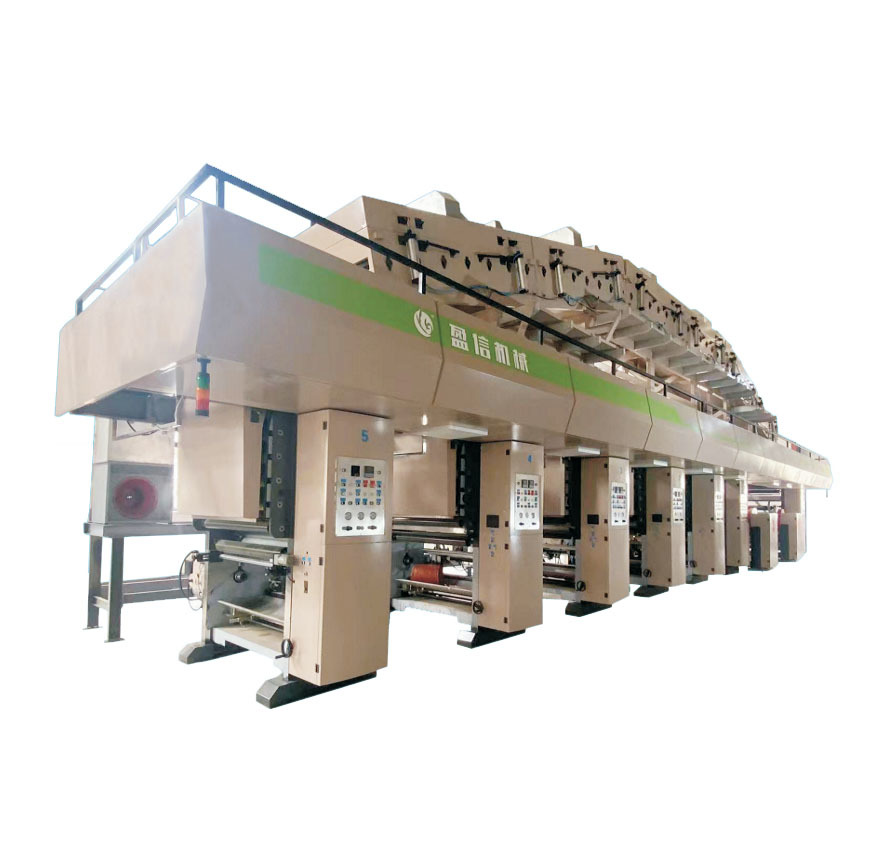
Rotogravure printing is distinguished by its ability to deliver high-quality, continuous designs at unparalleled speeds. This section will explore the fundamental principles of rotogravure printing, including the following aspects:
The Process of Rotogravure Printing
1. **Engraving Cylinders**: The heart of the rotogravure process lies in the engraved cylinders, which are meticulously prepared with varying depths to create different ink transfer levels.
2. **Ink Application**: The cylinders are dipped into a reservoir of liquid ink, filling the engraved cells before being wiped clean, leaving only ink in the recesses.
3. **Substrate Interaction**: As the substrate passes through the printing press, it encounters the rotating cylinders, which transfer the ink onto the material, creating a seamless print.
Benefits of Film Rotogravure Printing
- **High-Quality Output**: This method is recognized for producing sharp and detailed images.
- **Versatility**: Suitable for various materials, including plastic films, paper, and foil.
- **Efficiency**: Capable of high-speed printing, enhancing production timelines.
Case Study 1: Revolutionizing Packaging with Rotogravure Printing
A leading packaging company faced challenges with traditional flexographic printing, including color inconsistencies and slower production rates. By transitioning to film rotogravure printing, they achieved remarkable results:
Key Implementations
- **Investment in Technology**: The company invested in advanced rotogravure printing presses capable of high-speed operations.
- **Training and Skill Development**: Employees underwent comprehensive training to master the new technology, focusing on quality control and maintenance.
Results Achieved
- **Enhanced Color Consistency**: The transition led to a 30% reduction in color variation.
- **Increased Production Speed**: Production rates improved by 50%, allowing for faster order fulfillment.
Case Study 2: Enhanced Quality Control in Food Packaging
In the food packaging industry, maintaining product integrity and compliance with safety standards is crucial. A food manufacturer adopted film rotogravure printing as a solution to their quality control issues.
Key Implementations
- **Automated Quality Checks**: The new rotogravure system included inline inspection tools that monitored print quality in real-time.
- **Material Selection**: They switched to high-barrier films that improved product freshness and shelf life.
Results Achieved
- **Reduced Waste**: The automated checks limited printing errors, leading to a 20% decrease in waste.
- **Improved Product Shelf Life**: The high-barrier materials extended the freshness of packaged goods by up to 15%.
Case Study 3: Sustainable Solutions in Flexible Packaging
A sustainability-focused company sought to reduce its environmental footprint while maintaining product quality. Their foray into film rotogravure printing yielded transformative results.
Key Implementations
- **Eco-Friendly Inks**: The use of low-VOC inks significantly reduced harmful emissions during printing.
- **Recyclable Materials**: They adopted recyclable substrates, aligning with their sustainability goals.
Results Achieved
- **Lower Environmental Impact**: The combination of eco-friendly materials and inks reduced their carbon footprint by 40%.
- **Brand Reputation**: The commitment to sustainability enhanced brand perception, attracting environmentally conscious consumers.
Challenges Faced and Lessons Learned
Despite the success stories highlighted above, several challenges arose during the implementation of film rotogravure printing:
Common Challenges
- **Initial Costs**: The transition to advanced printing technology often requires substantial upfront investment.
- **Skill Gap**: Employees may need additional training to effectively operate and maintain new equipment.
Lessons Learned
- **Comprehensive Training Programs**: Investing in employee education is vital for maximizing technology benefits.
- **Long-Term Planning**: Companies should assess their long-term goals and align their printing technology accordingly.
Future Trends in Film Rotogravure Printing
As technology evolves, so do the capabilities of film rotogravure printing. Emerging trends include:
Digital Integration
The integration of digital technologies is poised to revolutionize rotogravure printing, allowing for greater customization and shorter production runs.
Smart Manufacturing
The adoption of IoT and smart manufacturing principles will enhance monitoring and control in the printing process, leading to improved efficiency and reduced downtime.
Conclusion
Film rotogravure printing has proven to be an invaluable asset across various industries, offering unmatched quality, speed, and versatility. Through the case studies presented, it is clear that implementing this technology can lead to significant improvements in production efficiency, product quality, and environmental sustainability. As businesses continue to embrace innovation, the future of film rotogravure printing looks promising, paving the way for ongoing advancements and success.
Frequently Asked Questions
1. What is film rotogravure printing?
Film rotogravure printing is a printing process that uses engraved cylinders to transfer ink onto various substrates, known for its high quality and efficiency.
2. What are the main benefits of using rotogravure printing?
The main benefits include high-quality output, versatility with different materials, and improved production efficiency.
3. How does rotogravure printing compare to other printing methods?
Rotogravure printing is faster and typically produces better quality images than methods like flexography and digital printing.
4. What industries utilize rotogravure printing?
Common industries include packaging, textiles, and decorative printing, among others.
5. What are some challenges associated with rotogravure printing?
Challenges include initial investment costs, the need for skilled operators, and ongoing maintenance of the equipment.
Through this extensive examination of film rotogravure printing and its successful implementations, we aim to equip industry professionals with the knowledge and insights necessary for embracing innovation in their printing processes.
Tag:
Blog

Improving Production Speed with Efficient PVC Gravure Printing Machines



PRODUCT
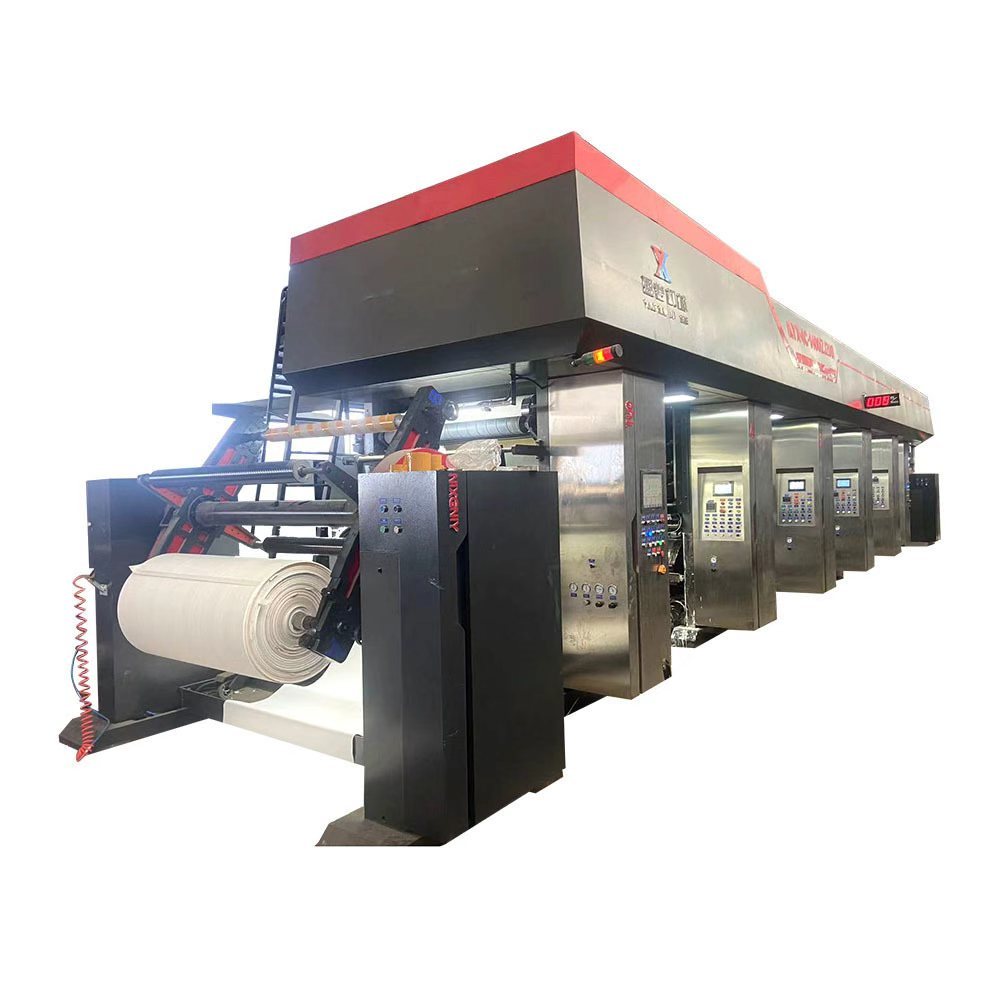
Best D.YX-4C-1400(ZJ200)Automatic gravure printing machine
message:Talk to an expert
WhatsApp:8618058732988
E-Mail:sales@yingxinmachinery.com
tel:+86-18058732988
Contact Us
1168 Jiuzhou Street, Linglong Street, Lin 'an District, Hangzhou City, Zhejiang Province
Mobile phone version
Copyright©Hangzhou Yingxin Machinery Co., Ltd.