

Case Studies: Successful Implementations of Intelligent Gravure Printing
Understanding Intelligent Gravure Printing Intelligent gravure printing is an advanced printing technology that combines traditional gravure techniques with digital innovations. This method enhances print quality, reduces waste, and improves production efficiency. As industries move towards more sustainable practices, intelligent gravure printing stands out as a viable solution. What is Gravure Pr
Understanding Intelligent Gravure Printing
Intelligent gravure printing is an advanced printing technology that combines traditional gravure techniques with digital innovations. This method enhances print quality, reduces waste, and improves production efficiency. As industries move towards more sustainable practices, intelligent gravure printing stands out as a viable solution.
What is Gravure Printing?
Gravure printing, also known as rotogravure printing, involves engraving an image onto a rotating cylinder. The engraved areas hold ink, which is transferred onto the substrate. This method is particularly effective for high-volume printing jobs, offering exceptional image quality and consistency.
How Intelligent Features Enhance Gravure Printing
Integrating intelligent features into gravure printing involves the use of automation, data analytics, and real-time monitoring. These enhancements enable printers to:
1. **Optimize Ink Usage**: Smart systems calculate the precise amount of ink required, reducing waste.
2. **Improve Color Accuracy**: Advanced color management systems ensure that every print matches the desired color profile.
3. **Automate Processes**: Automated adjustments during the printing process lead to increased efficiency and reduced downtime.
The Role of Data Analytics in Intelligent Gravure Printing
Data analytics plays a crucial role in monitoring performance metrics. By analyzing data from past jobs, printers can make informed decisions, improve processes, and enhance overall productivity.
Case Study 1: Company A’s Transition to Intelligent Gravure Printing
Company A, a leading packaging manufacturer, decided to transition to intelligent gravure printing to improve its operations. Prior to the transition, the company faced challenges with inconsistent print quality and excessive waste.
Implementation Process
1. **Initial Assessment**: The company conducted a thorough assessment of its existing processes and identified areas for improvement.
2. **Technology Integration**: Intelligent printing technology was integrated into their existing gravure systems.
3. **Training Staff**: Employees received training on the new technology to ensure a smooth transition.
Results Achieved
Following the implementation, Company A reported:
- **30% Reduction in Ink Waste**: By optimizing ink usage through intelligent systems.
- **20% Increase in Production Speed**: Enhanced automation reduced bottlenecks.
- **Higher Customer Satisfaction**: Consistent quality led to fewer complaints and reprints.
Case Study 2: Company B’s Sustainability Initiative
Company B, a prominent player in the textile industry, aimed to reduce its environmental footprint. The shift to intelligent gravure printing was a significant part of their sustainability initiative.
Steps Taken
1. **Sustainability Goals**: Set clear goals for reducing waste and energy consumption.
2. **Technology Adoption**: Invested in intelligent gravure printing technology that utilized eco-friendly inks.
3. **Monitoring Systems**: Implemented real-time monitoring systems to track sustainability metrics.
Outcomes
Company B experienced:
- **40% Reduction in Energy Consumption**: Efficient processes led to lower energy usage.
- **Decreased Waste by 50%**: Intelligent systems minimized print errors and material waste.
- **Positive Brand Image**: Their commitment to sustainability attracted environmentally-conscious customers.
Case Study 3: Company C’s Market Expansion
Company C, a specialist in flexible packaging, sought to expand its market share by improving the quality and versatility of its products.
Implementation Strategy
1. **Market Research**: Conducted thorough market research to identify customer needs.
2. **Invested in Technology**: Upgraded to intelligent gravure printing to ensure high-quality outputs.
3. **Product Development**: Developed new packaging options using advanced printing techniques.
Achievements
The results were impressive:
- **Expanded Product Line**: New capabilities led to the development of innovative packaging solutions.
- **Increased Market Share**: Company C increased its presence in the market by 25%.
- **Enhanced Customer Engagement**: High-quality and customizable products fostered better customer relationships.
Key Benefits of Intelligent Gravure Printing
The shift to intelligent gravure printing offers numerous benefits across various industries:
1. Cost Efficiency
By optimizing processes and reducing material waste, companies can achieve significant cost savings. These savings can be reinvested into further innovations or passed on to customers.
2. Enhanced Quality Control
Intelligent systems allow for real-time adjustments, ensuring that print quality remains consistent throughout the production run. This leads to higher customer satisfaction rates and fewer returns.
3. Sustainability Commitment
As industries face increasing pressure to adopt sustainable practices, intelligent gravure printing provides a solution that aligns with these goals. Reduced waste and energy consumption contribute to a greener manufacturing process.
4. Flexibility in Production
With the ability to produce a variety of products efficiently, companies can respond quickly to market demands and customize offerings to meet specific customer needs.
Challenges and Considerations in Implementing Intelligent Gravure Printing
While the benefits are clear, companies should also be aware of potential challenges:
1. Initial Investment Costs
The transition to intelligent gravure printing may require significant upfront investment in technology and training. Companies should carefully evaluate their budgets and long-term ROI.
2. Training Requirements
Employees must be trained to operate new systems effectively. A well-structured training program is essential for a successful transition.
3. Integration with Existing Systems
Compatibility with current equipment can be a concern. Companies should conduct thorough assessments to ensure seamless integration.
Future Trends in Intelligent Gravure Printing
As technology continues to evolve, several trends are emerging in intelligent gravure printing:
1. Increased Automation
Automation will play a crucial role in further enhancing efficiency and reducing human error in the printing process.
2. Enhanced Data Analytics
The use of predictive analytics will enable companies to anticipate issues and optimize processes proactively.
3. Focus on Eco-Friendly Solutions
The demand for sustainable printing solutions will drive innovation in environmentally-friendly inks and materials.
FAQs about Intelligent Gravure Printing
1. What is the main advantage of intelligent gravure printing?
The main advantage is its ability to optimize processes, reduce waste, and enhance print quality, which leads to cost savings and improved customer satisfaction.
2. How does intelligent gravure printing differ from traditional gravure printing?
Intelligent gravure printing incorporates automation and data analytics for real-time adjustments, whereas traditional gravure printing relies more on manual processes.
3. Can intelligent gravure printing be used for small batch production?
Yes, intelligent gravure printing is versatile and can be adapted for both high-volume and small batch production.
4. What types of substrates can be used in intelligent gravure printing?
Intelligent gravure printing can be applied to various substrates, including paper, plastic, and metal films, making it suitable for diverse applications.
5. Is there a significant learning curve for transitioning to intelligent gravure printing?
While there is a learning curve, effective training programs can facilitate a smooth transition, allowing employees to adapt quickly to the new technology.
Conclusion
Intelligent gravure printing is revolutionizing the manufacturing and printing industries through its ability to improve efficiency, reduce waste, and enhance product quality. Companies that have embraced this technology, like Company A, B, and C, demonstrate the profound benefits that can be achieved. As the demand for sustainability and cost-effectiveness continues to rise, intelligent gravure printing will undoubtedly play a crucial role in shaping the future of printing. Embracing this technology not only leads to operational excellence but also positions companies as leaders in innovation and sustainability within their respective markets.
Tag:
Blog

Improving Production Speed with Efficient PVC Gravure Printing Machines



PRODUCT
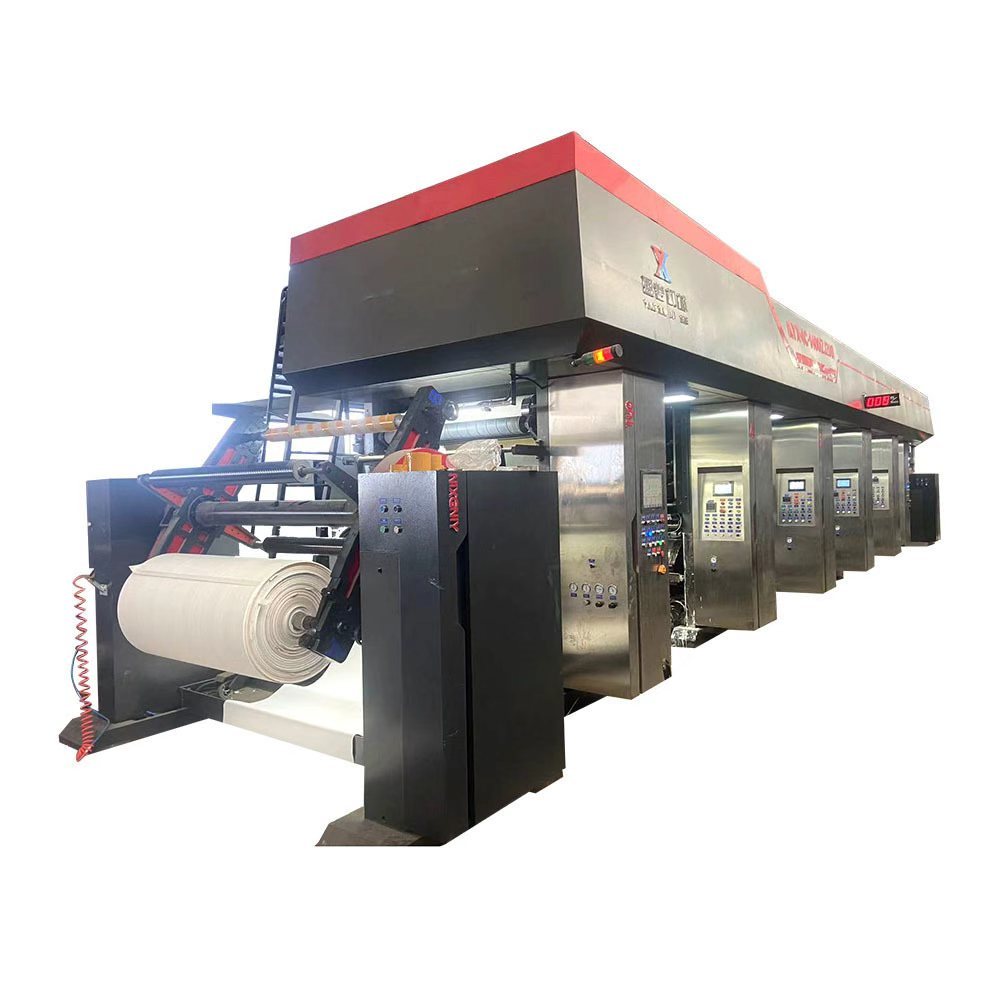
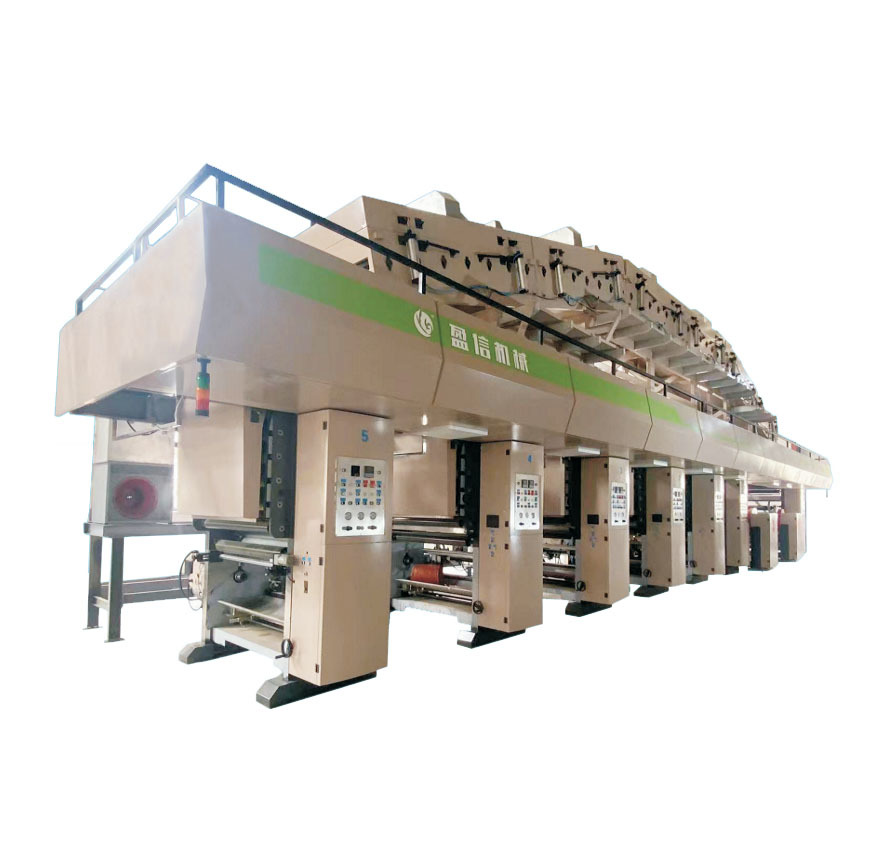
Best D.YX-4C-1400(ZJ200)Automatic gravure printing machine
message:Talk to an expert
WhatsApp:8618058732988
E-Mail:sales@yingxinmachinery.com
tel:+86-18058732988
Contact Us
1168 Jiuzhou Street, Linglong Street, Lin 'an District, Hangzhou City, Zhejiang Province
Mobile phone version
Copyright©Hangzhou Yingxin Machinery Co., Ltd.