

The Evolution of Pattern Gravure Printing Machines Over the Years
The Evolution of Pattern Gravure Printing Machines Over the Years Table of Contents Introduction to Pattern Gravure Printing A Historical Overview of Gravure Printing Technological Advancements in Gravure Printing Machines Applications of Pattern Gravure Printing Current Trends in Gravure Printing Technology Sustainability in Gravure Printing Challenges Facing the Grav
The Evolution of Pattern Gravure Printing Machines Over the Years
Table of Contents
- Introduction to Pattern Gravure Printing
- A Historical Overview of Gravure Printing
- Technological Advancements in Gravure Printing Machines
- Applications of Pattern Gravure Printing
- Current Trends in Gravure Printing Technology
- Sustainability in Gravure Printing
- Challenges Facing the Gravure Printing Industry
- The Future of Pattern Gravure Printing Machines
- Conclusion
- Frequently Asked Questions
Introduction to Pattern Gravure Printing
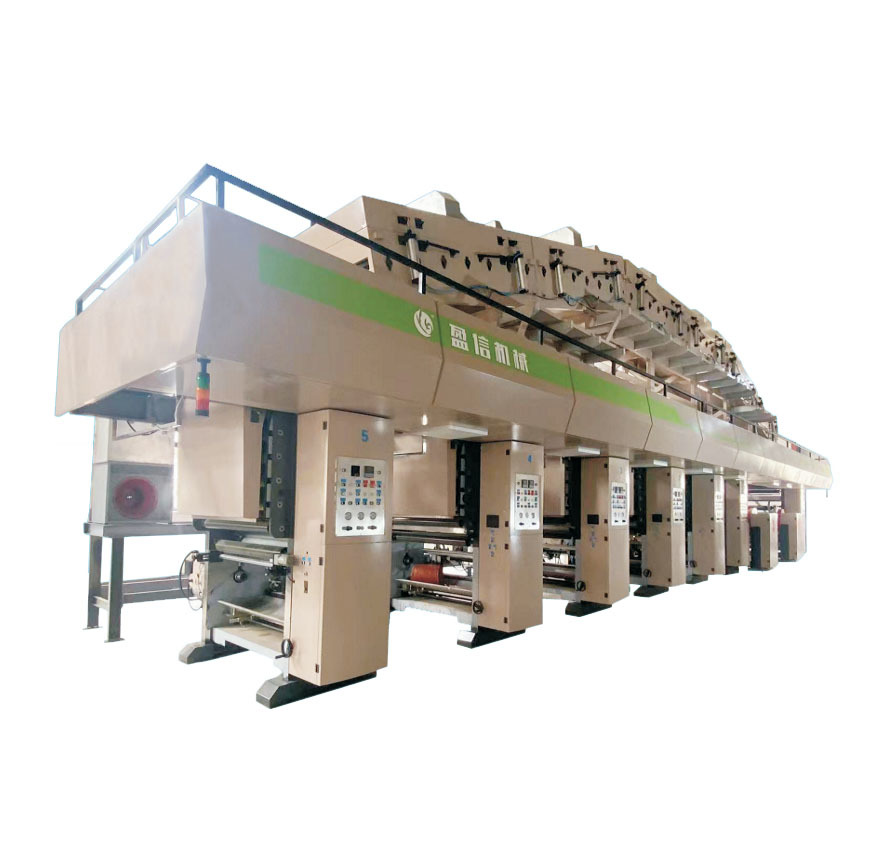
Pattern gravure printing, also known as rotogravure, is a remarkable printing process that employs engraved cylinders to transfer ink onto various substrates. This method is renowned for its ability to produce high-quality images at high speeds, making it a popular choice for packaging, wallpaper, and numerous commercial printing applications. The evolution of gravure printing machines has been shaped by advancements in technology, shifting market demands, and a growing emphasis on sustainability.
A Historical Overview of Gravure Printing
Gravure printing traces its roots back to the early 19th century, with significant developments occurring over the decades. In 1860, the first gravure printing plate was created, followed by the introduction of the rotary press in the late 1800s, which revolutionized the industry. During the 20th century, gravure printing machines underwent numerous improvements in speed, accuracy, and efficiency. After World War II, the demand for mass-produced printed materials surged, prompting further innovations in gravure technology.
The Birth of Gravure Printing Machines
The initial gravure printing machines were cumbersome and required significant manual labor. Over time, innovations such as automation and digital controls enhanced their functionality. By the 1960s, gravure machines had become more sophisticated, featuring multi-color capabilities and quicker changeover times.
Milestones in Gravure Technology
Several key milestones defined the evolution of gravure printing machines:
- **In the 1970s**, the introduction of anilox rolls improved ink transfer efficiency.
- **By the 1980s**, advancements in photopolymer and laser engraving technologies enabled finer image detail.
- **The 1990s** witnessed the emergence of electronics, allowing for computerized controls and monitoring systems.
Technological Advancements in Gravure Printing Machines
The integration of technology into gravure printing machines has been transformative. Modern gravure machines are equipped with features that enhance precision and productivity.
Digital Engraving Techniques
Digital engraving has revolutionized the production of gravure cylinders. This technology allows for rapid prototyping and the ability to create intricate designs that were previously impossible. With digital engraving, companies can reduce downtime and minimize waste.
Automation and Smart Controls
Today’s gravure machines incorporate automation and smart controls to optimize production efficiency. Automated systems handle ink viscosity, pressure, and drying times, ensuring consistent quality across long production runs. These advancements not only improve efficiency but also reduce operational costs.
Eco-Friendly Innovations
As environmental concerns grow, gravure printing machines have adapted to embrace eco-friendly practices. Many manufacturers are now using water-based inks and energy-efficient drying technologies, which contribute to reduced emissions and waste.
Applications of Pattern Gravure Printing
Pattern gravure printing possesses a versatile range of applications across various industries. Its ability to produce high-quality images makes it ideal for:
Packaging Industry
The packaging industry significantly benefits from gravure printing, especially for flexible packaging, labels, and cartons. The vibrant colors and intricate designs produced by gravure printing enhance product appeal, making it a preferred choice for manufacturers.
Textiles and Wallpaper
Gravure printing is widely employed in the textile industry for printing patterns and designs on fabrics. Additionally, wallpaper manufacturers utilize gravure printing to produce detailed patterns that appeal to consumers.
Publishing and Commercial Printing
In the publishing sector, gravure is used for producing magazines, catalogs, and brochures. Its high-quality output ensures that images are sharp and vibrant, essential for attracting readers.
Current Trends in Gravure Printing Technology
The gravure printing industry is continuously evolving, adapting to trends that influence production methods and customer expectations.
Increased Demand for Customization
With the rise of personalized products, there is a growing demand for customized gravure printing. This trend pushes manufacturers to invest in technology that allows for quick changes and small print runs without compromising quality.
Integration of AI and Machine Learning
Artificial intelligence (AI) and machine learning are beginning to play a role in gravure printing. These technologies can optimize production processes by predicting machine maintenance needs, thus reducing downtime and enhancing productivity.
Focus on Sustainability
Sustainability is a driving force behind many innovations in gravure printing. Companies are increasingly seeking to minimize their environmental impact through efficient production processes, sustainable materials, and eco-friendly inks.
Sustainability in Gravure Printing
The gravure printing industry is increasingly prioritizing sustainability, recognizing the need to reduce its ecological footprint.
Use of Eco-Friendly Inks
The shift towards water-based and low-VOC (volatile organic compounds) inks reflects a commitment to environmentally friendly practices. These inks not only reduce harmful emissions but also enhance the safety of the printing process.
Energy-Efficient Production Practices
Manufacturers are investing in energy-efficient technologies to lessen energy consumption during production. This includes advanced drying systems and heat recovery processes that minimize waste.
Challenges Facing the Gravure Printing Industry
Despite its advancements, the gravure printing industry faces several challenges that need to be addressed:
Competition from Other Printing Technologies
The rise of digital printing technologies presents stiff competition for gravure printing. Digital printing offers rapid turnaround times and cost-efficiency for short runs, prompting gravure printers to innovate continually.
Rising Raw Material Costs
Increasing costs for raw materials such as inks, substrates, and cylinder production can impact profit margins. Efficient sourcing and management strategies are essential to counter these challenges.
The Future of Pattern Gravure Printing Machines
Looking ahead, the future of pattern gravure printing machines appears promising, driven by technological advancements and industry demands.
Integration of IoT (Internet of Things)
The incorporation of IoT technology is set to transform gravure printing. Connected machines can provide real-time data, allowing for better monitoring and control of the production process.
Continued Emphasis on Customization and Short Runs
As consumer preferences evolve toward more personalized products, gravure printing machines will need to adapt to facilitate short runs and customization without sacrificing quality.
Conclusion
The journey of pattern gravure printing machines reflects the dynamic nature of the printing industry. From its humble beginnings to the sophisticated machines of today, gravure printing has continuously adapted to meet the demands of various sectors. As we look to the future, embracing technology, sustainability, and customization will be key to ensuring the ongoing relevance and success of gravure printing.
Frequently Asked Questions
1. What is pattern gravure printing?
Pattern gravure printing is a technique that involves engraving images onto cylinders, allowing for high-quality ink transfer onto various substrates.
2. What are the main applications of gravure printing?
Gravure printing is commonly used in packaging, textiles, wallpaper, and commercial printing, due to its ability to produce vibrant images.
3. How has technology impacted gravure printing?
Technological advancements have streamlined gravure printing processes, enhanced precision, and improved efficiency through automation and digital engraving.
4. What are the sustainability practices in gravure printing?
Sustainability in gravure printing includes the use of eco-friendly inks, energy-efficient production techniques, and minimizing waste throughout the manufacturing process.
5. What challenges does the gravure printing industry face today?
The gravure printing industry faces challenges such as competition from digital printing technologies, rising raw material costs, and the need for ongoing innovation to meet market demands.
Tag:
Blog

Improving Production Speed with Efficient PVC Gravure Printing Machines



PRODUCT
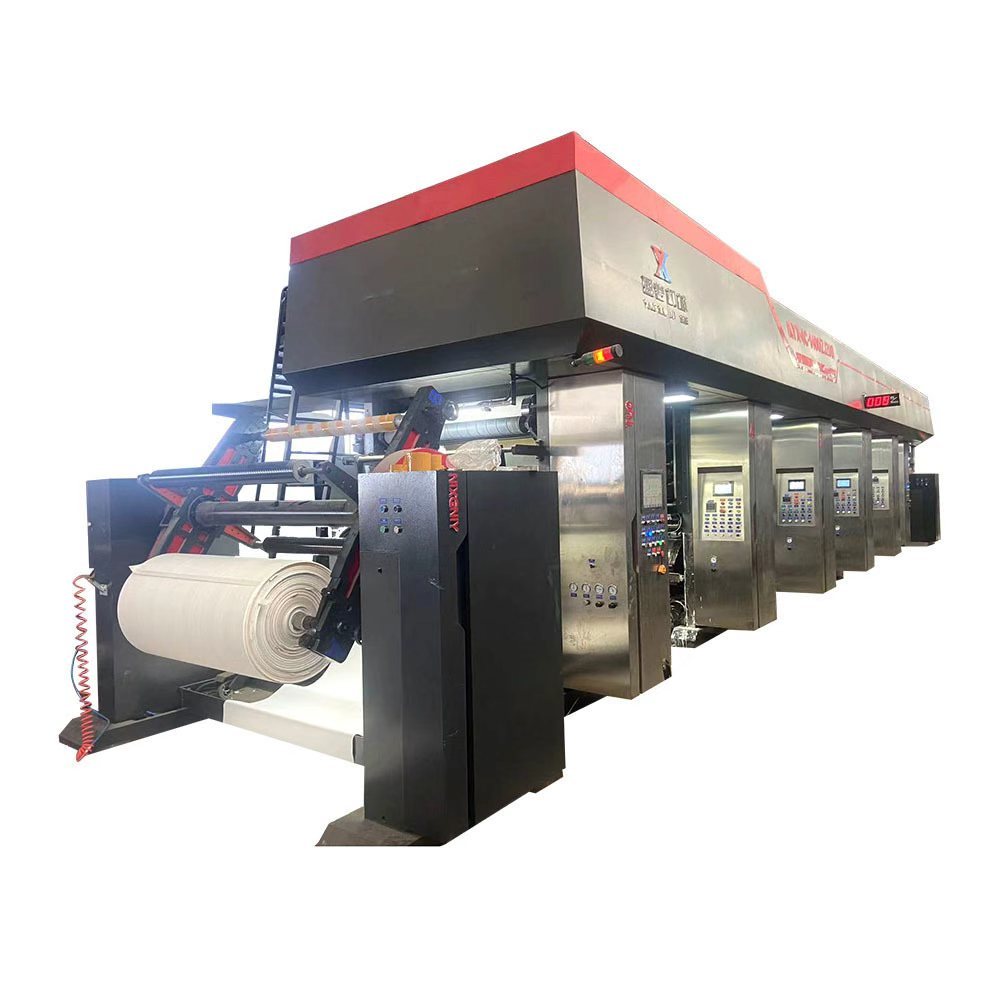
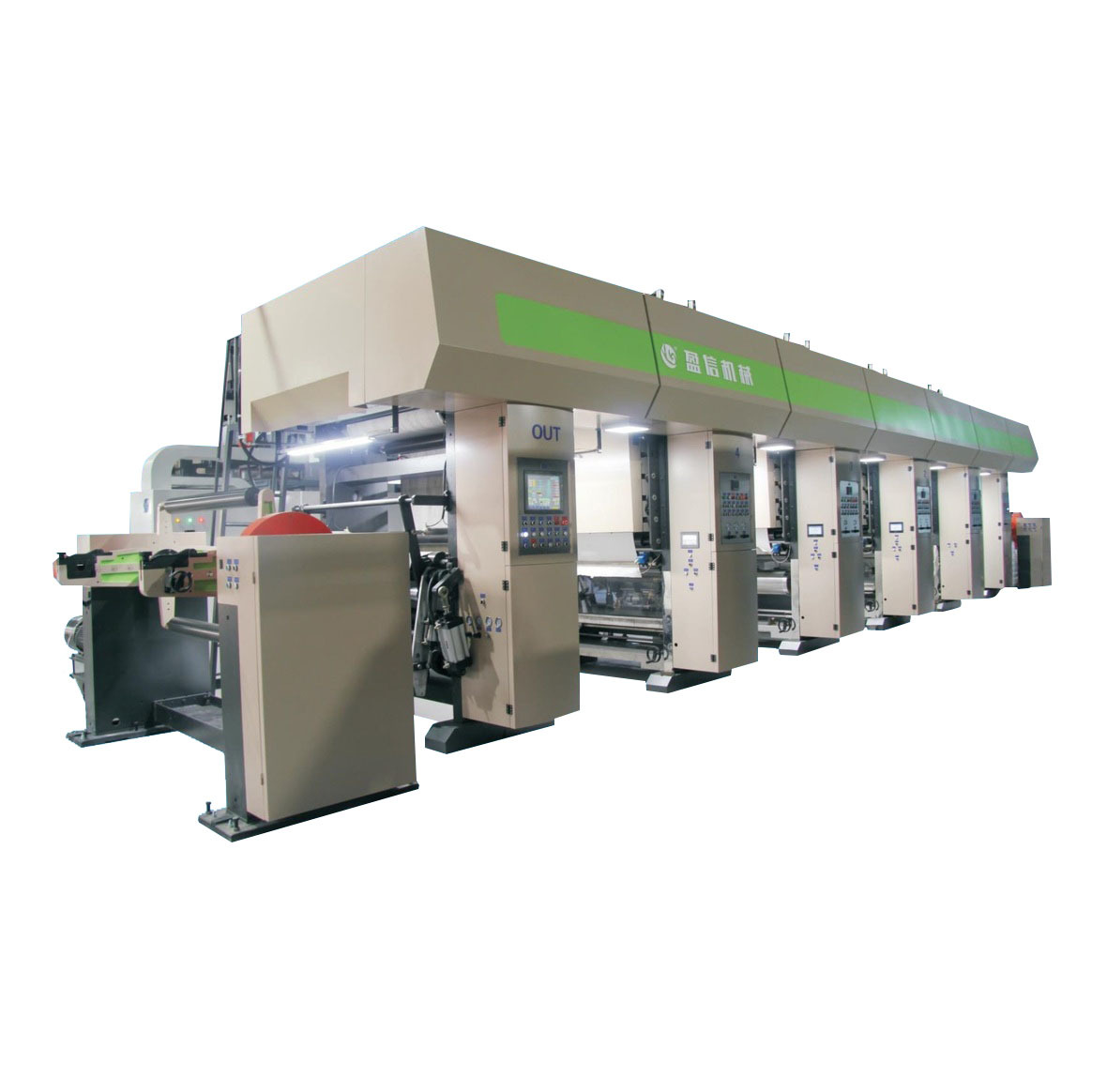
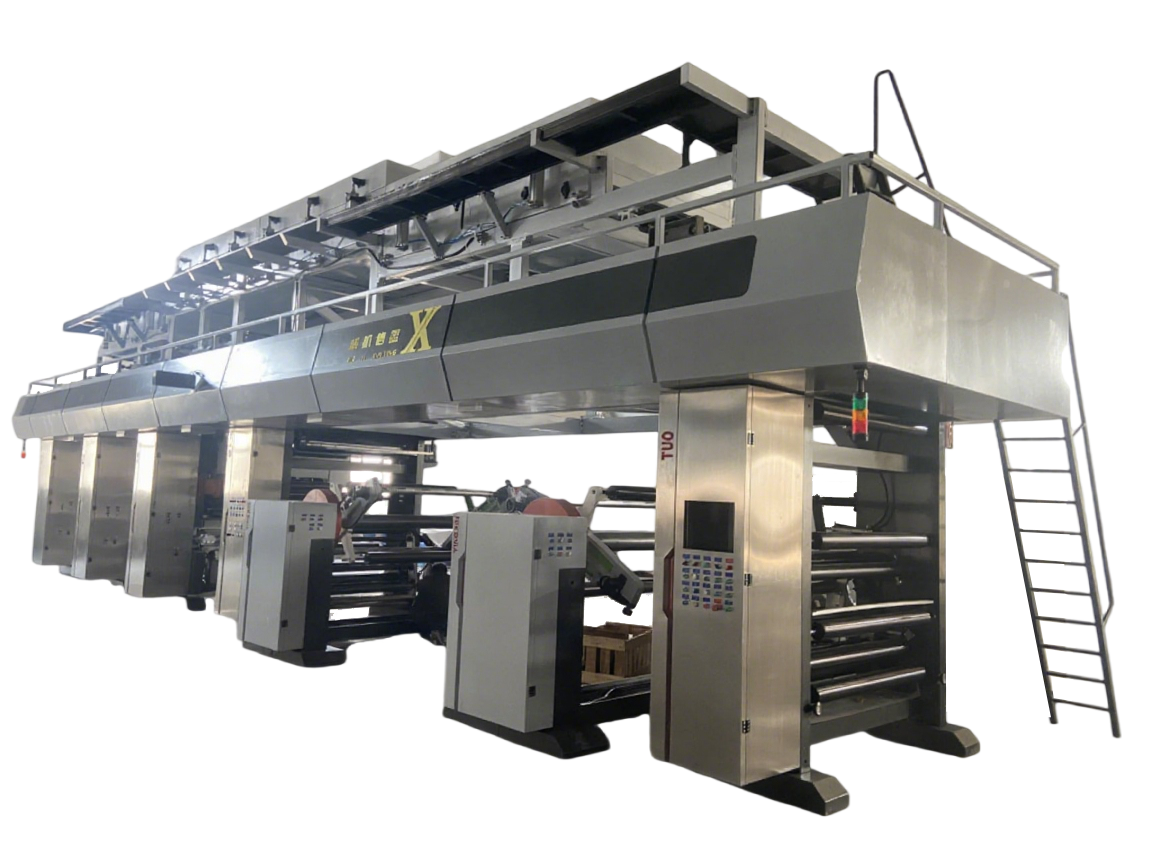
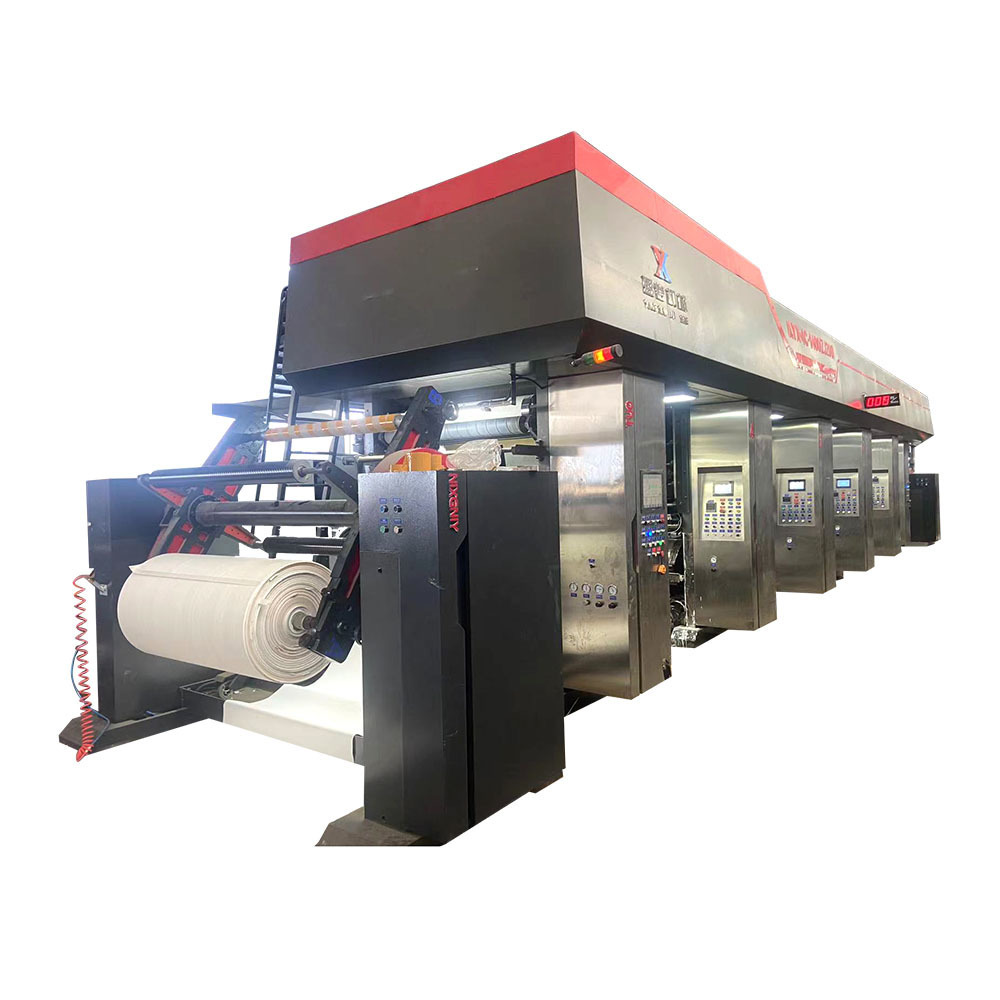
Best D.YX-4C-1400(ZJ200)Automatic gravure printing machine
message:Talk to an expert
WhatsApp:8618058732988
E-Mail:sales@yingxinmachinery.com
tel:+86-18058732988
Contact Us
1168 Jiuzhou Street, Linglong Street, Lin 'an District, Hangzhou City, Zhejiang Province
Mobile phone version
Copyright©Hangzhou Yingxin Machinery Co., Ltd.