

The Advantages of Using PVC Gravure Printing in the Textile Industry
The Advantages of Using PVC Gravure Printing in the Textile Industry Table of Contents 1. Introduction to PVC Gravure Printing 2. Understanding Gravure Printing Technology 3. Key Benefits of PVC Gravure Printing 3.1 Cost-Effectiveness and Efficiency 3.2 High-Quality Output and Color Vibrancy 3.3 Environmental Impacts and Sustainability
The Advantages of Using PVC Gravure Printing in the Textile Industry
Table of Contents
- 1. Introduction to PVC Gravure Printing
- 2. Understanding Gravure Printing Technology
- 3. Key Benefits of PVC Gravure Printing
- 3.1 Cost-Effectiveness and Efficiency
- 3.2 High-Quality Output and Color Vibrancy
- 3.3 Environmental Impacts and Sustainability
- 3.4 Versatility in Application
- 4. Applications of PVC Gravure Printing in Textiles
- 5. Comparison with Other Printing Methods
- 6. Future Trends in PVC Gravure Printing
- 7. Frequently Asked Questions (FAQs)
- 8. Conclusion
1. Introduction to PVC Gravure Printing
PVC gravure printing has emerged as a leading technique in the textile industry, facilitating high-quality printing of diverse materials. This method utilizes engraved cylinders to transfer ink onto various substrates, offering unparalleled precision and vibrancy. As the textile market evolves, the adoption of PVC gravure printing is increasingly recognized for its numerous advantages, making it a preferred choice among manufacturers looking to enhance productivity and reduce costs.
2. Understanding Gravure Printing Technology
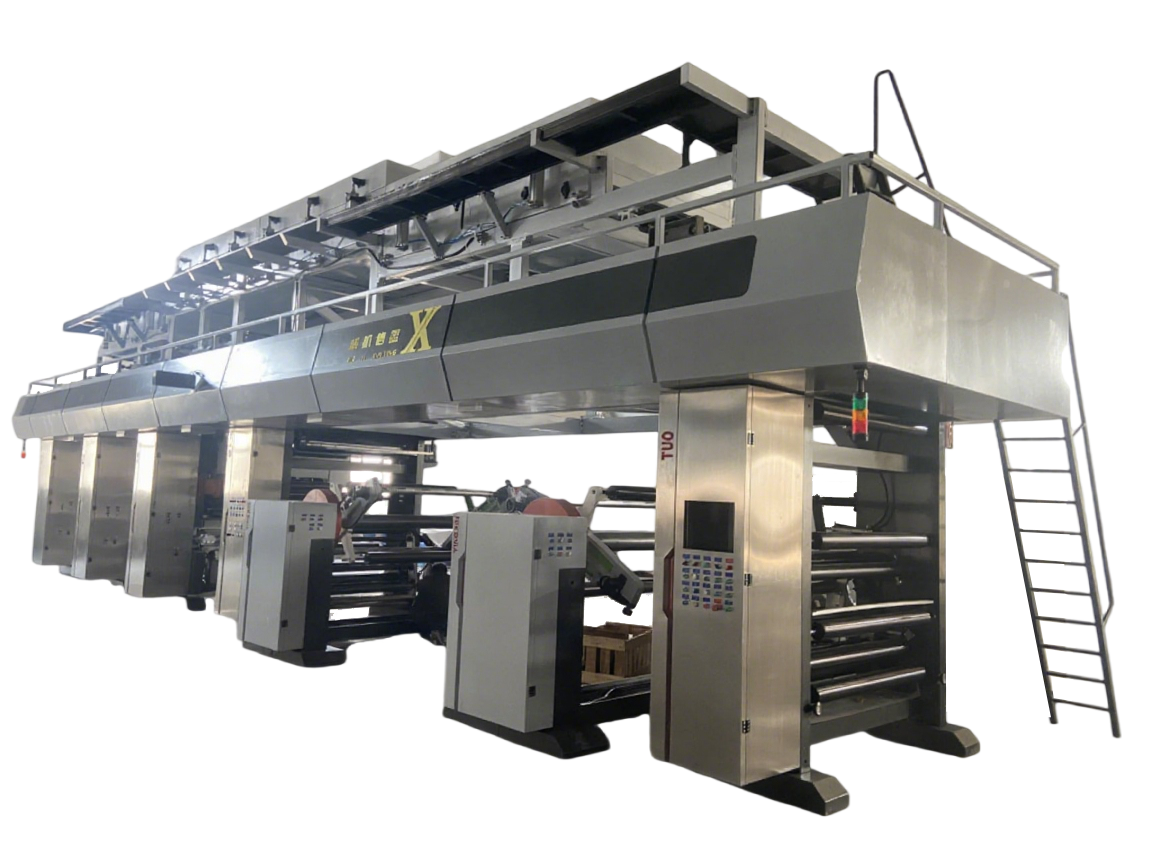
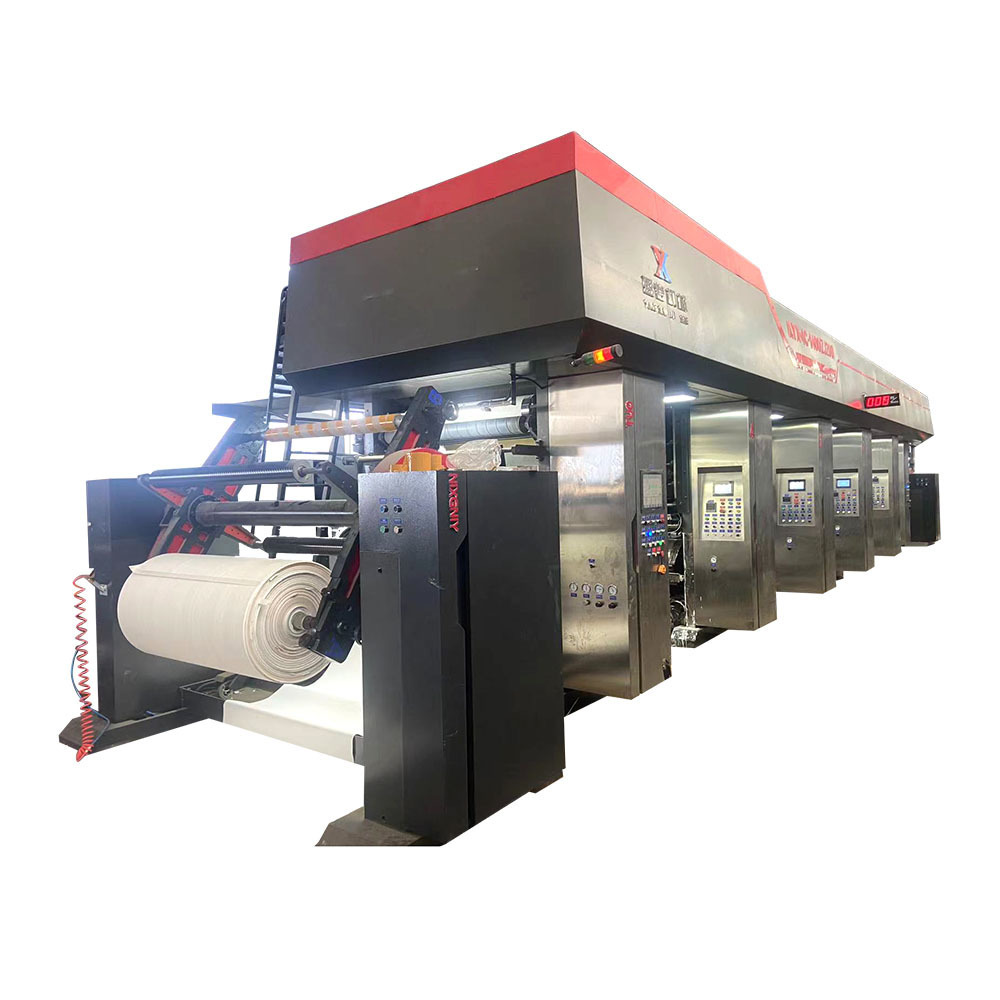
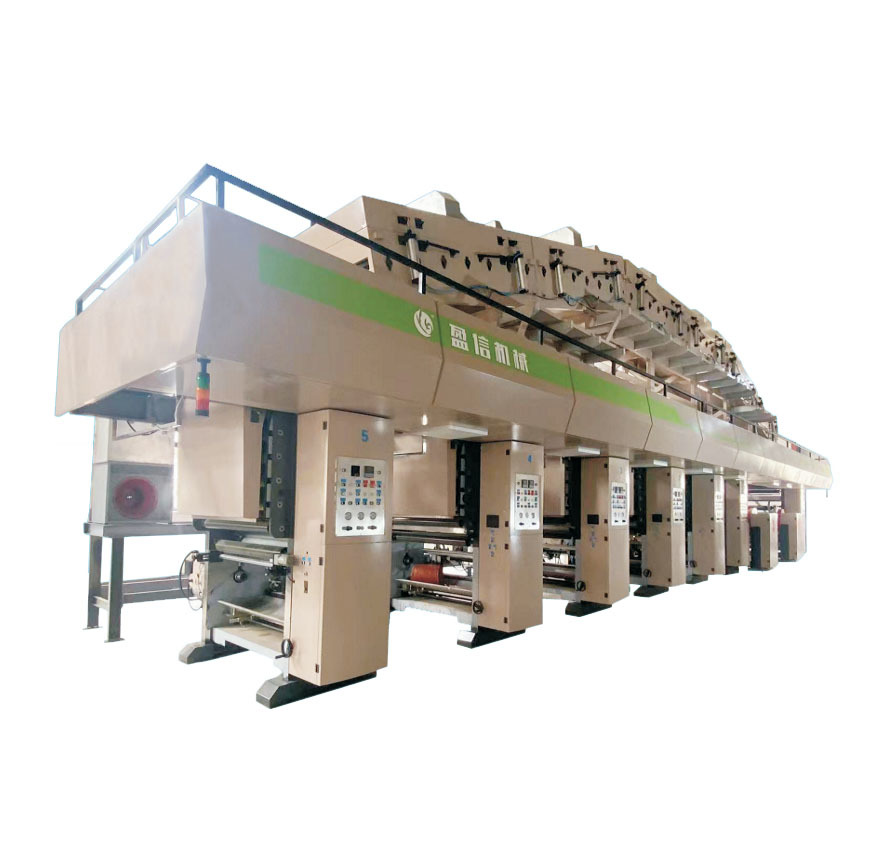
Gravure printing, also known as rotogravure, is a type of intaglio printing which employs a cylinder printed with recessed designs. The process involves several key stages: preparing the cylinder, applying ink, and transferring the ink onto the textile surface.
During this process, the cylinder rotates through an ink reservoir, allowing the recesses to fill with ink. As the cylinder contacts the substrate, the ink is transferred, creating high-quality prints. This technique is particularly effective for long runs due to its speed and efficiency, making it an ideal choice for the textile industry.
3. Key Benefits of PVC Gravure Printing
3.1 Cost-Effectiveness and Efficiency
One of the most significant advantages of PVC gravure printing is its cost-effectiveness. Once the initial setup is complete, the cost per unit decreases significantly, especially for larger production runs. This is largely due to the ability to print faster and with fewer resources compared to traditional screen printing methods. Additionally, the lower ink consumption in gravure printing means reduced material costs, making it an economically viable option for textile manufacturers.
3.2 High-Quality Output and Color Vibrancy
PVC gravure printing is renowned for its ability to produce stunning, high-quality images with vibrant colors. The precision of the engraving process enables the reproduction of intricate designs and gradients that may be challenging to achieve with other printing techniques. This level of detail not only enhances the aesthetic appeal of the final product but also contributes to its marketability, meeting the high expectations of modern consumers.
3.3 Environmental Impacts and Sustainability
As environmental concerns become increasingly pressing, companies in the textile industry are seeking sustainable manufacturing practices. PVC gravure printing aligns with this goal, as it generates minimal waste and utilizes eco-friendly inks. The process is highly efficient, leading to lower energy consumption and reduced environmental impact. Manufacturers can also explore the use of biodegradable or water-based inks, further enhancing the sustainability of their operations.
3.4 Versatility in Application
Another notable advantage of PVC gravure printing is its versatility. This technique can be applied to a wide range of materials, including cotton, polyester, and blended fabrics. Whether producing fashion apparel, home textiles, or industrial fabrics, gravure printing adapts seamlessly to diverse applications. This flexibility allows manufacturers to cater to various market segments, expanding their product offerings.
4. Applications of PVC Gravure Printing in Textiles
PVC gravure printing finds applications across a vast array of textile products. From fashion garments to upholstery and decorative fabrics, the potential is immense. Here are some common applications:
- **Fashion Industry:** Gravure printing is extensively used for producing vibrant patterns and designs on clothing, enabling brands to create visually appealing collections.
- **Home Textiles:** Items such as curtains, bed linens, and cushions benefit from the high-quality prints achievable through gravure technology.
- **Industrial Fabrics:** Gravure printing is also employed in producing durable fabrics for upholstery and other industrial applications, where quality and longevity are paramount.
5. Comparison with Other Printing Methods
When comparing PVC gravure printing to other methods, such as screen printing or digital printing, several distinctions emerge.
- **Screen Printing:** While screen printing is well-established and effective for certain applications, it is generally slower and less suited for intricate designs. The setup costs are also higher, making it less efficient for large runs.
- **Digital Printing:** Digital printing offers flexibility and rapid turnaround but can struggle with color vibrancy and durability when compared to gravure printing. Gravure excels in producing consistent quality over long runs, making it the preferred choice for bulk textile production.
6. Future Trends in PVC Gravure Printing
The future of PVC gravure printing looks promising, with ongoing advancements in technology and materials. Innovations in engraving techniques and ink formulations are expected to enhance the quality and sustainability of gravure printing. Furthermore, the integration of automation and data analytics within the printing process will streamline operations, allowing manufacturers to respond swiftly to market demands while maintaining high-quality standards.
7. Frequently Asked Questions (FAQs)
1. What is the primary advantage of using PVC in gravure printing?
The primary advantage of PVC in gravure printing is its durability and resistance to wear and tear, making it ideal for high-quality prints that need to withstand everyday use.
2. Is gravure printing suitable for small runs?
While gravure printing is optimized for large production runs due to its setup costs, it can also be utilized for smaller runs, particularly with advancements in technology.
3. How does gravure printing compare to digital printing in terms of color quality?
Gravure printing generally offers superior color vibrancy and consistency compared to digital printing, especially over extended production runs.
4. Are there any environmental concerns associated with PVC gravure printing?
While PVC itself can raise environmental concerns, the use of eco-friendly inks and practices in gravure printing can mitigate these issues, promoting sustainability.
5. Can gravure printing be used for all types of fabrics?
Gravure printing is highly versatile and can be applied to various fabrics, including cotton, polyester, and blends, making it suitable for numerous textile applications.
8. Conclusion
In summary, **PVC gravure printing** stands out as a highly effective method within the textile industry, offering remarkable advantages such as cost-effectiveness, high-quality output, and sustainability. As manufacturers seek to enhance their production capabilities while meeting the demands of a dynamic market, gravure printing technology remains at the forefront. By leveraging its strengths, textile producers can not only improve their operational efficiency but also elevate the quality of their products, ultimately leading to greater consumer satisfaction. Adopting PVC gravure printing is not merely a choice; it's a strategic decision that aligns with the future of the textile industry.
Tag:
Blog

Case Studies: Successful Applications of Decorative Paper Rotogravure Machines


PRODUCT
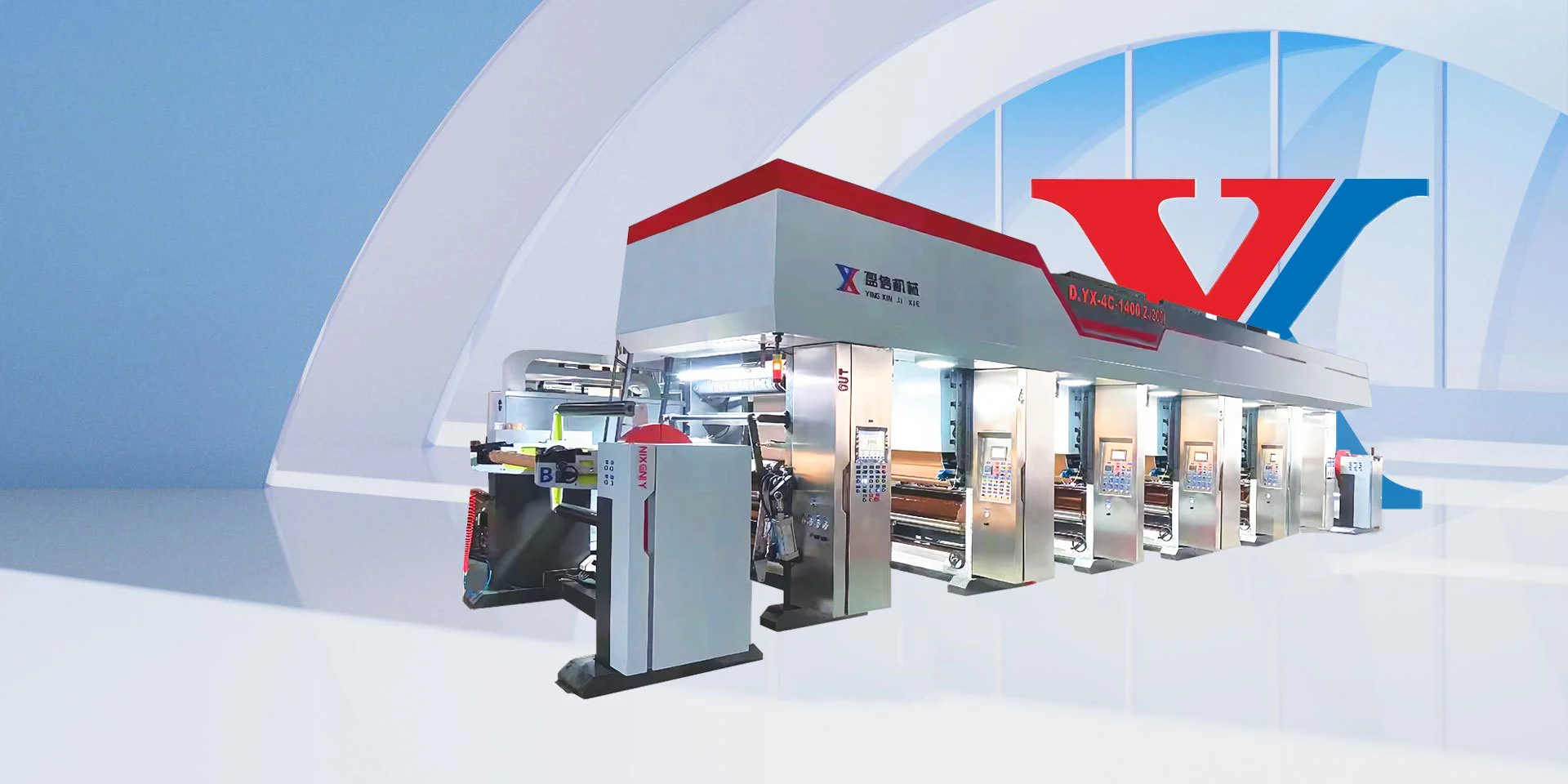
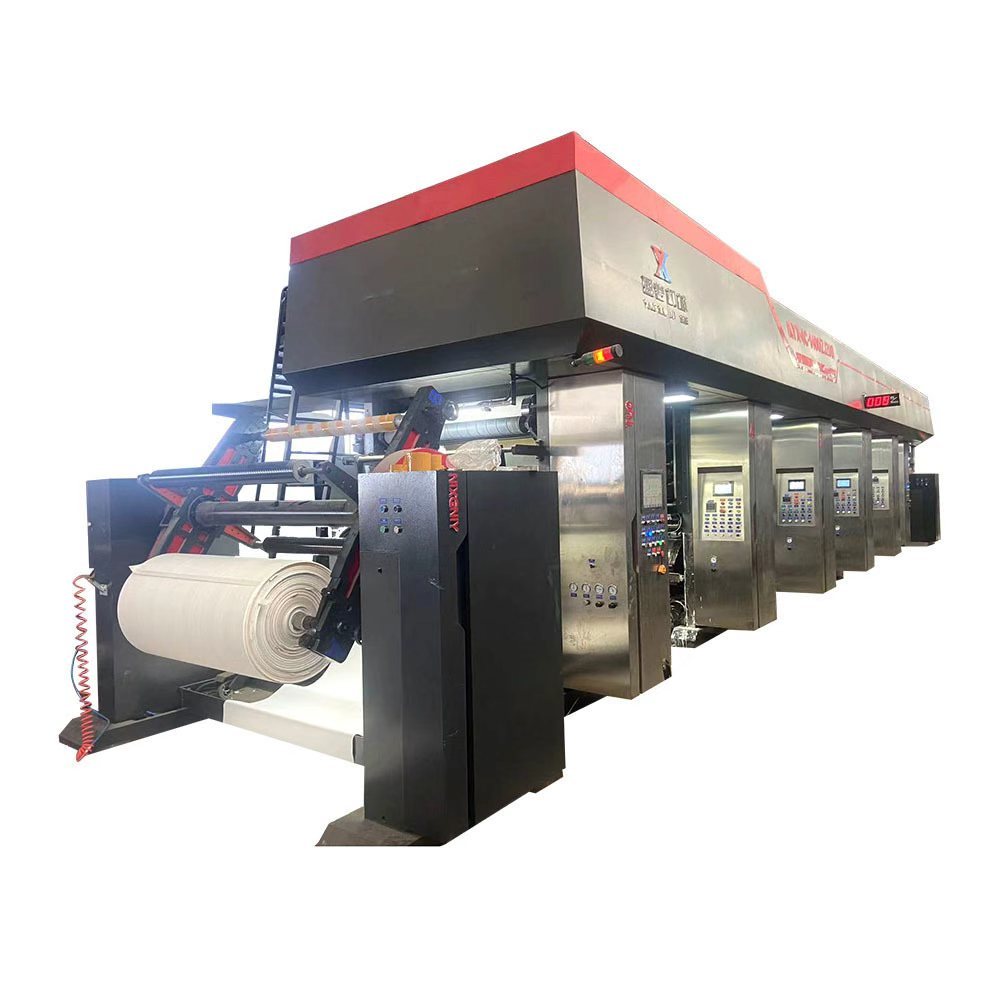
Best D.YX-4C-1400(ZJ200)Automatic gravure printing machine
message:Talk to an expert
WhatsApp:8618058732988
E-Mail:sales@yingxinmachinery.com
tel:+86-18058732988
Contact Us
1168 Jiuzhou Street, Linglong Street, Lin 'an District, Hangzhou City, Zhejiang Province
Mobile phone version
Copyright©Hangzhou Yingxin Machinery Co., Ltd.