

Exploring the Advanced Technology Behind Pattern Gravure Printing Machines
Exploring the Advanced Technology Behind Pattern Gravure Printing Machines Table of Contents 1. Introduction to Pattern Gravure Printing 2. A Brief History of Gravure Printing Technology 3. The Mechanics of Pattern Gravure Printing Machines 3.1 Key Components of Gravure Printing Machines 3.2 The Gravure Printing Process Explained 4. Advant
Exploring the Advanced Technology Behind Pattern Gravure Printing Machines
Table of Contents
- 1. Introduction to Pattern Gravure Printing
- 2. A Brief History of Gravure Printing Technology
- 3. The Mechanics of Pattern Gravure Printing Machines
- 4. Advantages of Pattern Gravure Printing
- 5. Applications of Pattern Gravure Printing
- 6. The Future of Gravure Printing Technology
- 7. Challenges in Gravure Printing Technology
- 8. Frequently Asked Questions
- 9. Conclusion
1. Introduction to Pattern Gravure Printing
Pattern gravure printing is a sophisticated technology that brings graphics and text to life on various substrates, offering exceptional quality and durability. This printing method utilizes engraved cylinders to transfer ink onto a surface, providing a unique blend of precision and efficiency that has made it a preferred choice for many industries. In this article, we will explore the intricate workings of pattern gravure printing machines, the technology behind them, and their significant impact on modern manufacturing.
2. A Brief History of Gravure Printing Technology
Gravure printing, also known as rotogravure, has a rich history dating back to the late 19th century. Originally developed for high-quality image reproduction, it found its niche in various sectors due to its ability to produce continuous patterns and vibrant colors. Over the decades, advancements in engraving techniques, ink formulation, and machine automation have revolutionized gravure printing, making it more efficient and versatile.
3. The Mechanics of Pattern Gravure Printing Machines
Understanding the mechanics of pattern gravure printing machines is crucial to appreciating their capabilities and advantages.
3.1 Key Components of Gravure Printing Machines
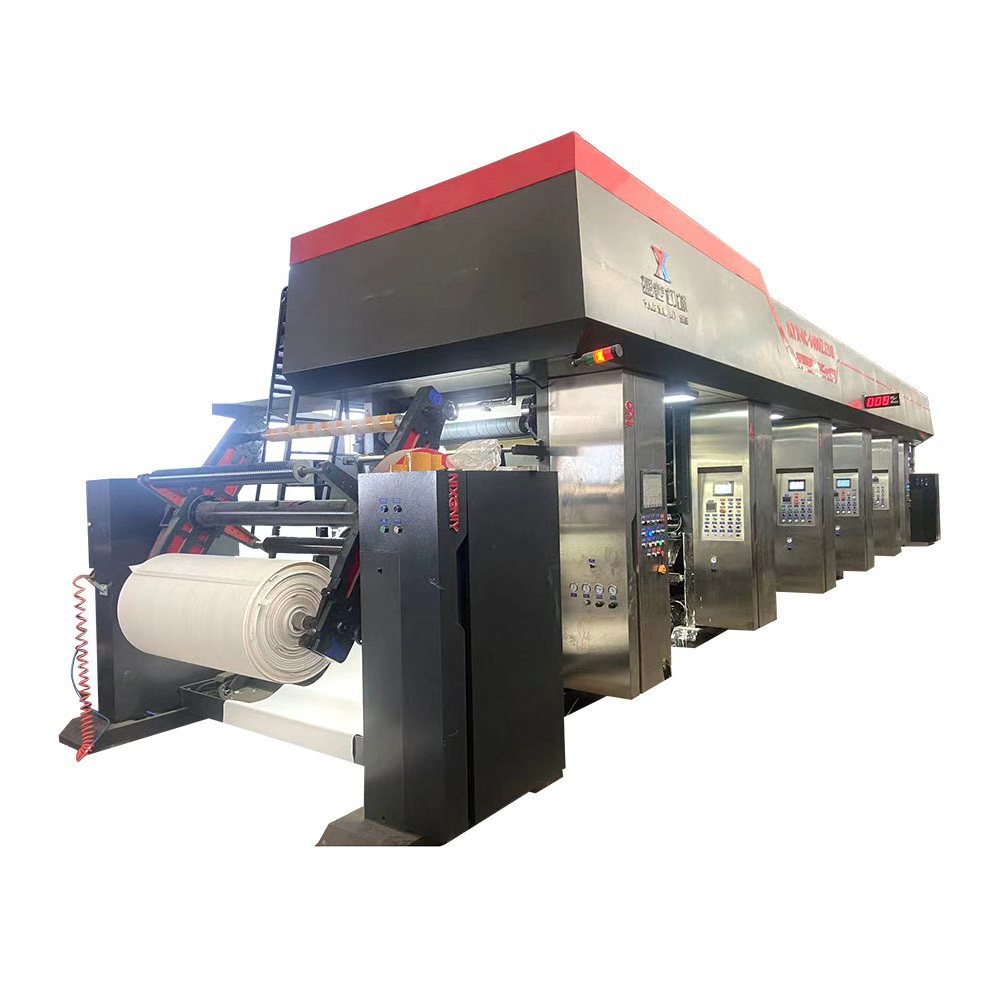
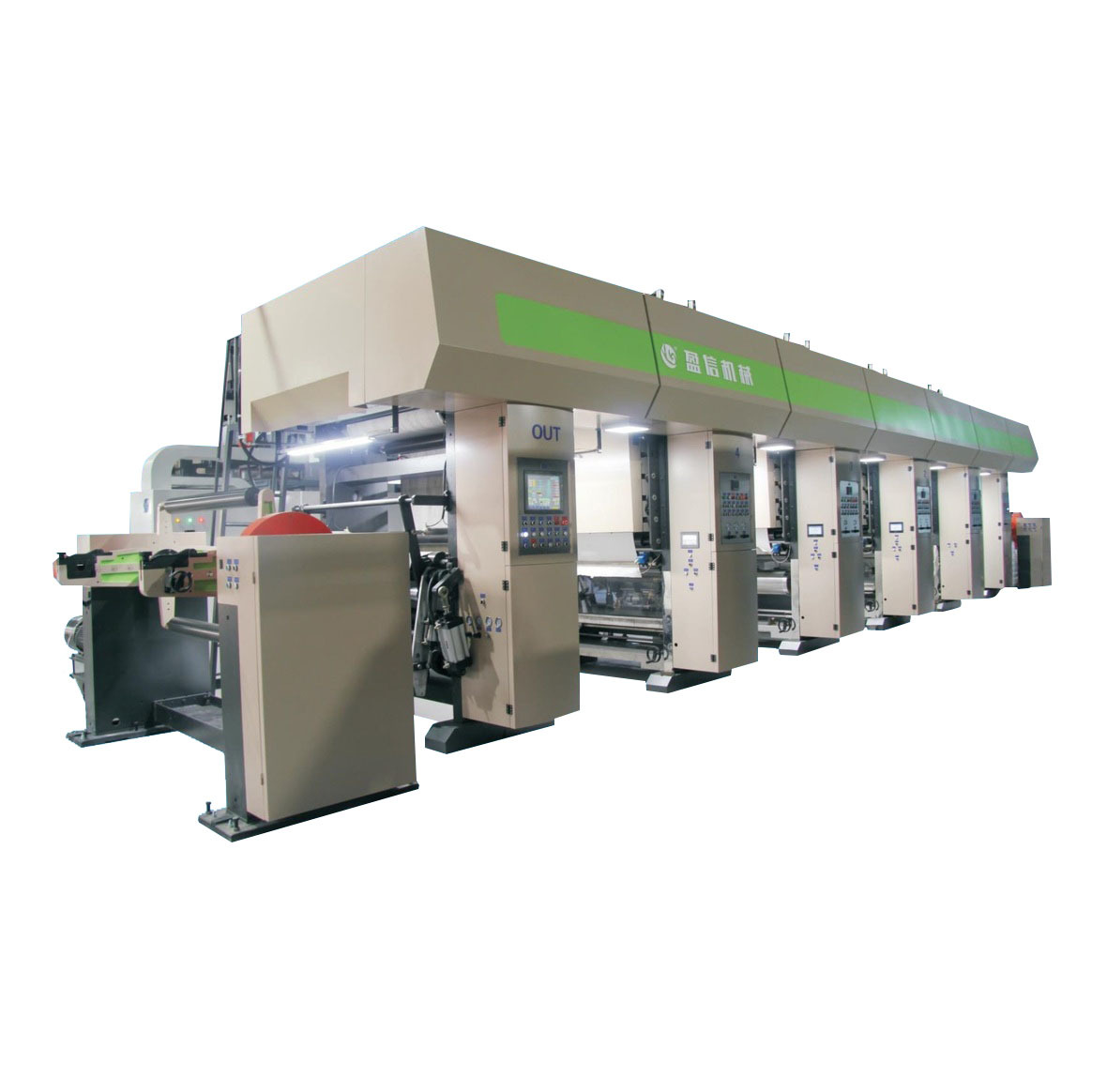
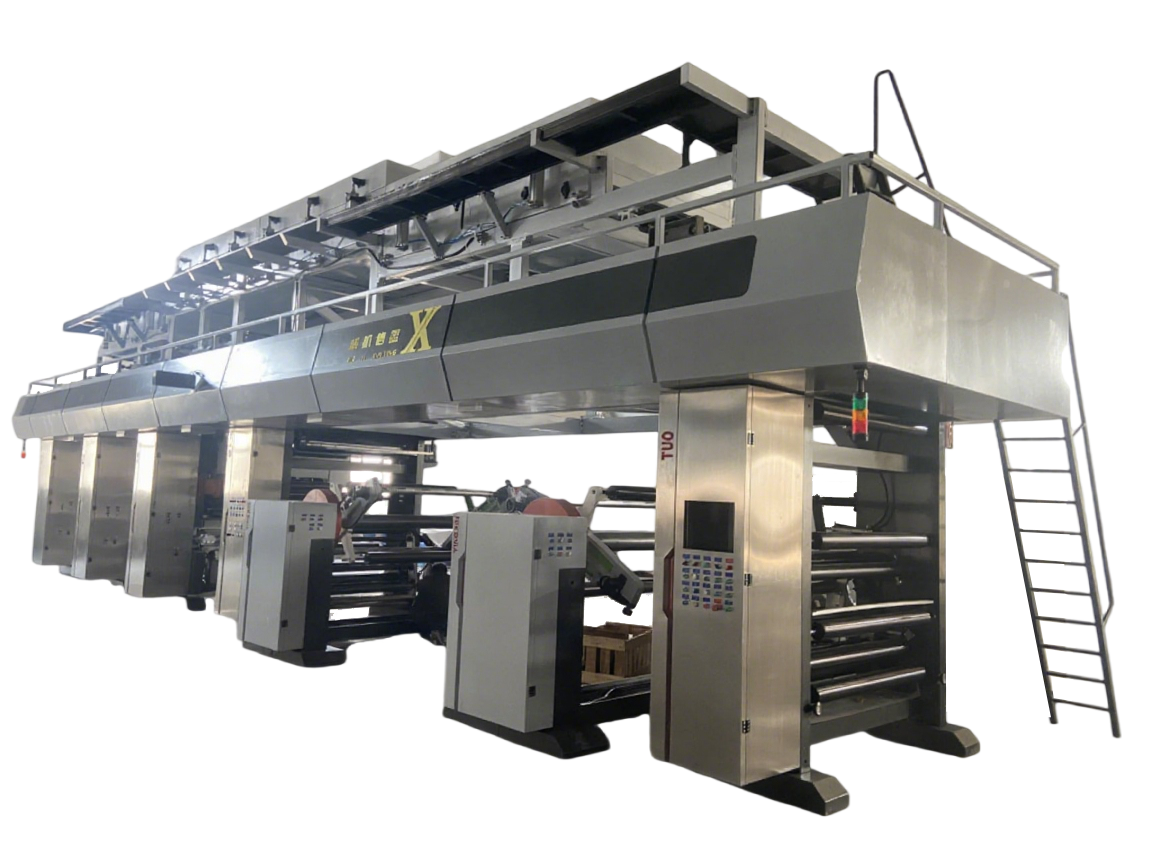
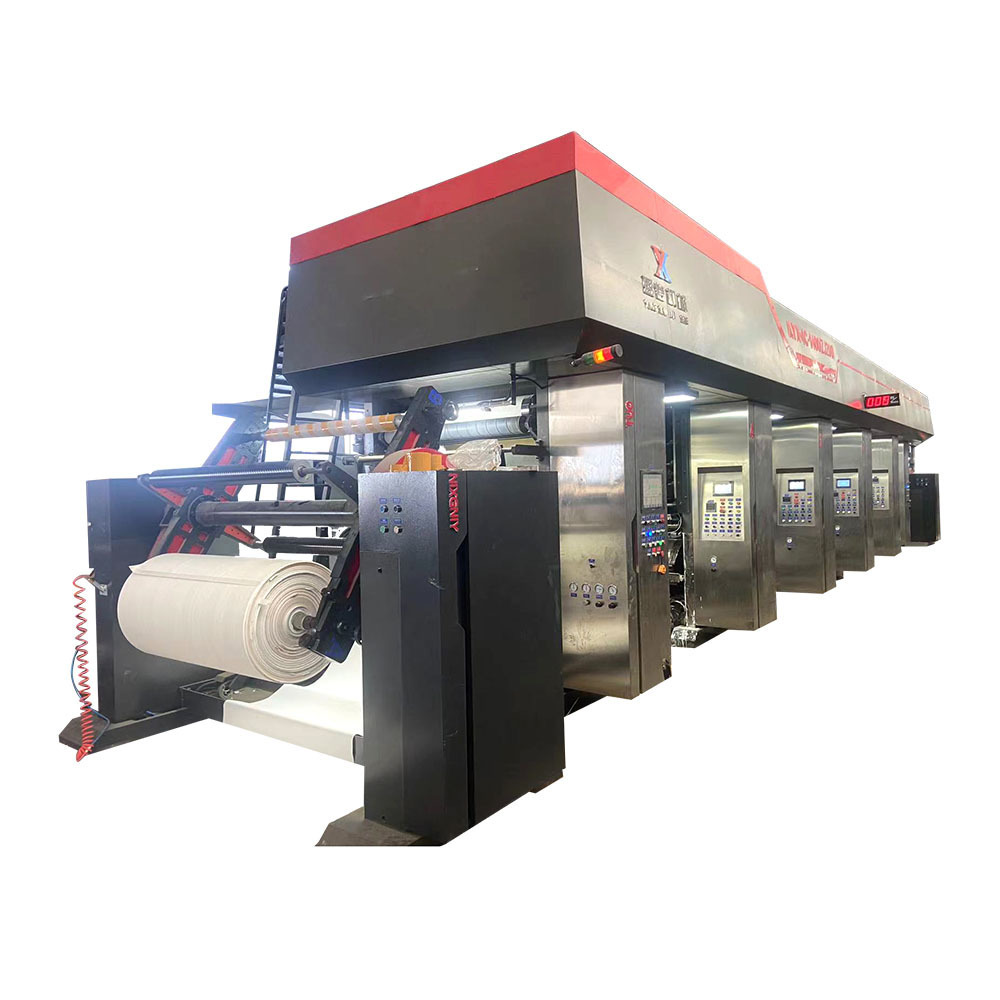
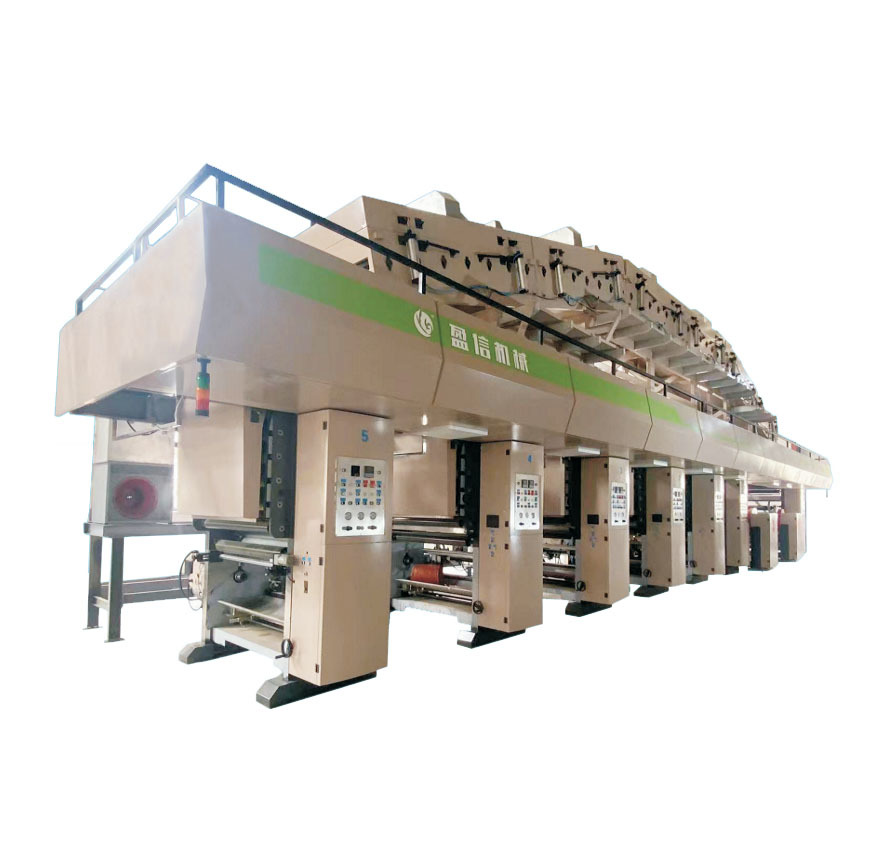
Pattern gravure printing machines consist of several key components that work in harmony to deliver high-quality prints. These include:
1. **Engraved Cylinders**: The heart of the gravure printing process, these cylinders are etched with a pattern that holds the ink. The depth and design of the engravings determine the amount of ink transferred to the substrate.
2. **Ink Reservoir**: This component holds the fluid ink that will be used in the printing process. The ink is typically low-viscosity to allow for smooth transfer.
3. **Doctor Blade**: A critical mechanism that wipes excess ink off the engraved cylinder, ensuring only the ink in the engravings is transferred to the substrate.
4. **Impression Roller**: This roller applies pressure against the substrate and the engraved cylinder, ensuring a clear transfer of the ink pattern.
5. **Control Systems**: Modern gravure printing machines are equipped with advanced control systems that regulate ink flow, pressure, and speed, ensuring consistency and precision in printing.
3.2 The Gravure Printing Process Explained
The gravure printing process involves several steps:
1. **Preparation**: The substrate, which can range from paper to plastic film, is prepared for printing.
2. **Ink Application**: The engraved cylinder rotates, dipping into the ink reservoir. As it turns, the doctor blade removes excess ink.
3. **Transfer**: The engraved areas of the cylinder come into contact with the substrate, transferring the ink in a controlled manner.
4. **Drying**: After the ink is applied, the printed substrate passes through a drying unit, which can use heat or UV light to solidify the ink.
5. **Finishing Touches**: Once the ink is dry, the printed material can undergo additional processes, such as cutting or laminating, depending on its final application.
4. Advantages of Pattern Gravure Printing
Pattern gravure printing offers numerous benefits that make it a favored choice among manufacturers:
- **High-Quality Output**: The precision of engraved cylinders ensures sharp, vibrant images and consistent quality across long runs.
- **Flexibility**: This printing method can accommodate various substrates, including flexible films, paper, and cardboard, making it suitable for diverse applications.
- **Efficiency**: With the ability to produce large volumes of prints quickly, gravure printing is one of the most efficient printing methods available.
- **Cost-Effectiveness**: While the initial setup costs may be high, the long-term cost-per-unit decreases significantly with high-volume printing.
- **Environmentally Friendly Options**: Advances in ink technology have led to the development of more eco-friendly inks, aligning gravure printing with sustainable practices.
5. Applications of Pattern Gravure Printing
Pattern gravure printing is utilized across a wide range of industries due to its versatility and quality. Key applications include:
- **Packaging**: One of the most significant uses of gravure printing is in packaging, where vibrant graphics and durability are essential.
- **Labels**: Gravure printing is ideal for producing labels, as it allows for detailed designs and sharp text.
- **Textiles**: The textile industry benefits from gravure printing for its ability to create intricate patterns on fabrics.
- **Wallpaper**: High-resolution designs and durability make gravure printing a popular choice for wallpaper production.
- **Decorative Materials**: This printing method is also used for decorative surfaces, providing aesthetic appeal to various products.
6. The Future of Gravure Printing Technology
The future of pattern gravure printing is promising, with ongoing advancements in technology paving the way for even greater efficiency and quality. Innovations such as digital gravure printing, where digital files are used to create engravings, are emerging, allowing for shorter print runs and faster turnarounds. Additionally, the integration of automation and data analytics is enhancing operational efficiency, making gravure printing machines smarter and more responsive to market demands.
7. Challenges in Gravure Printing Technology
Despite its advantages, the gravure printing industry faces several challenges:
- **Initial Investment**: The cost of gravure printing machines and the engraving process can be substantial, which may deter some businesses.
- **Complex Setup**: The need for precise calibration and setup can extend lead times, particularly for new projects.
- **Environmental Concerns**: While advancements have been made, the use of solvents in traditional inks can pose environmental challenges that the industry must address.
8. Frequently Asked Questions
What is the primary advantage of gravure printing over other methods?
Gravure printing provides superior image quality and consistency, especially for high-volume production runs, making it ideal for applications like packaging and labels.
Can gravure printing be used on all types of materials?
While gravure printing is highly versatile, it works best on specific materials such as flexible films, paper, and certain textiles. Some substrates may require special inks or treatments.
How does gravure printing compare in cost to other printing methods?
Gravure printing typically has higher initial setup costs but is more cost-effective for large print runs due to its efficiency and lower cost-per-unit.
What are the environmental impacts of gravure printing?
The industry is moving towards more eco-friendly inks and processes. However, traditional methods using solvents can have environmental implications that are being addressed through innovations.
Is gravure printing suitable for small production runs?
Gravure printing is generally more suited for large volumes due to the setup costs and time involved. For smaller runs, other methods like digital printing may be more economical.
9. Conclusion
Pattern gravure printing machines embody a remarkable convergence of technology and artistry, enabling manufacturers to produce high-quality prints efficiently. As we have explored, the mechanics behind these machines, their advantages, broad applications, and the future of gravure printing paint a compelling picture of this printing method's importance. Continuous innovations will likely address existing challenges, further solidifying gravure printing's place in the ever-evolving landscape of manufacturing and design. Embracing this technology not only advances production capabilities but also enhances the creative possibilities for industries worldwide.
Tag:
Blog

The Science Behind Intelligent Gravure Printing Machines: Revolutionizing the Printing Industry

PRODUCT
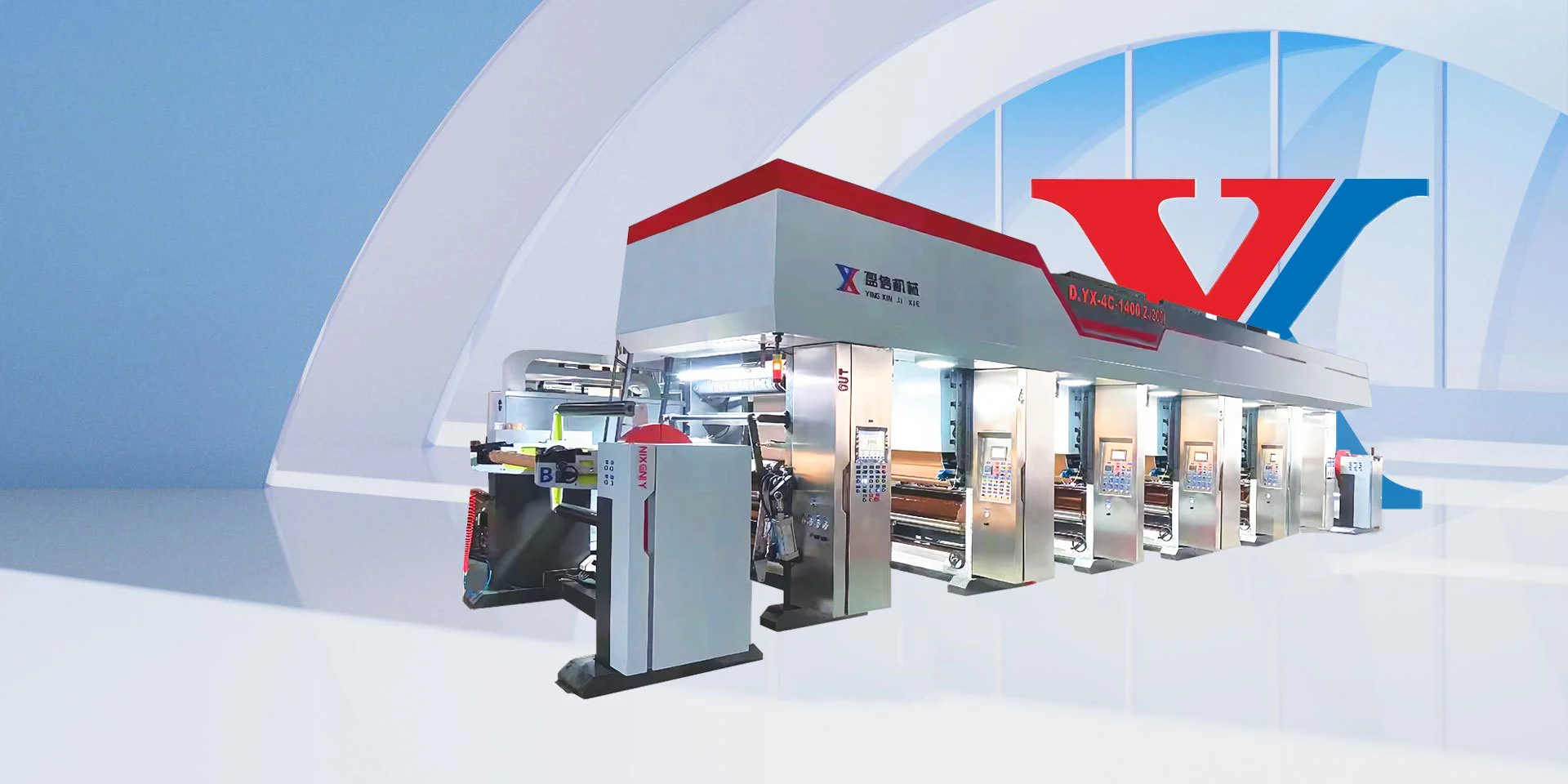
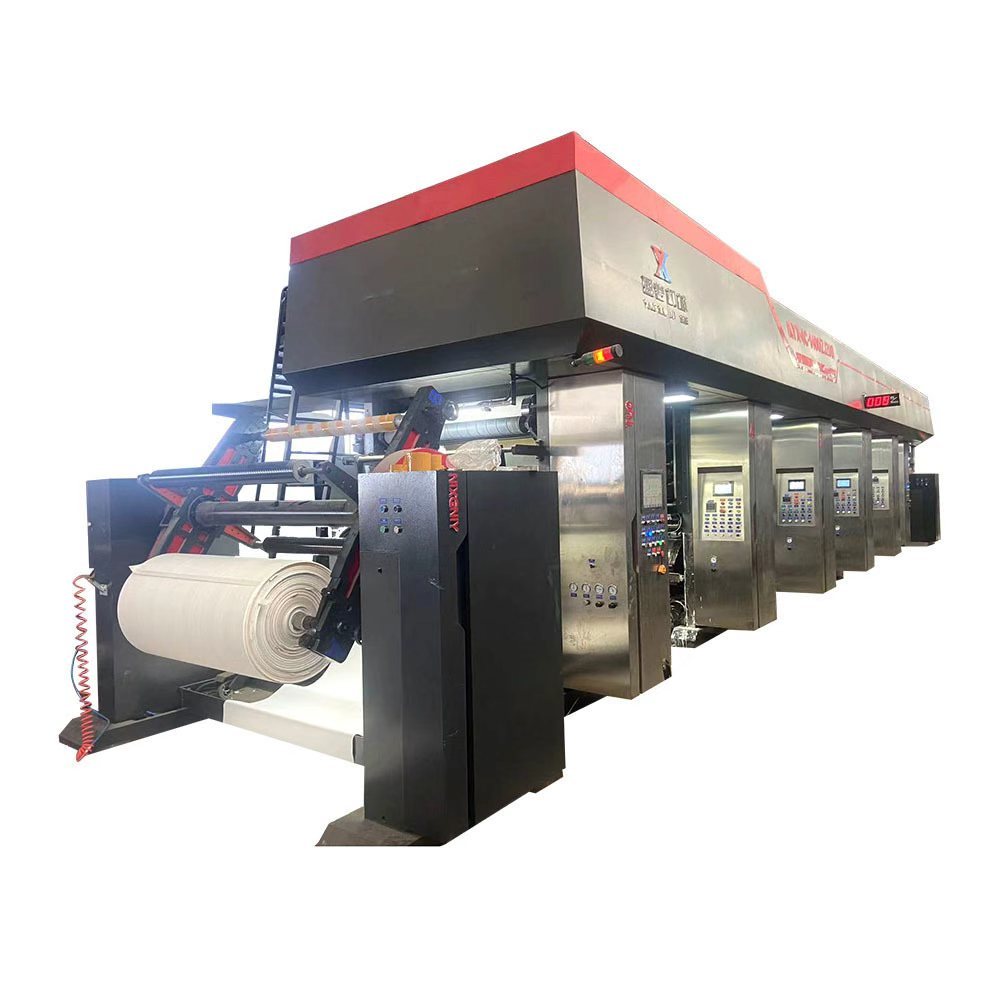
Best D.YX-4C-1400(ZJ200)Automatic gravure printing machine
message:Talk to an expert
WhatsApp:8618058732988
E-Mail:sales@yingxinmachinery.com
tel:+86-18058732988
Contact Us
1168 Jiuzhou Street, Linglong Street, Lin 'an District, Hangzhou City, Zhejiang Province
Mobile phone version
Copyright©Hangzhou Yingxin Machinery Co., Ltd.