

The Science Behind Intelligent Gravure Printing Machines: Revolutionizing the Printing Industry
The Science Behind Intelligent Gravure Printing Machines Introduction to Intelligent Gravure Printing Technology In the dynamic realm of manufacturing and printing, **intelligent gravure printing machines** stand out as a technological marvel. By integrating advanced digital technologies and automation, these machines not only enhance productivity but also significantly improve print quality. Unde
The Science Behind Intelligent Gravure Printing Machines
Introduction to Intelligent Gravure Printing Technology
In the dynamic realm of manufacturing and printing, **intelligent gravure printing machines** stand out as a technological marvel. By integrating advanced digital technologies and automation, these machines not only enhance productivity but also significantly improve print quality. Understanding the underlying science of intelligent gravure printing is crucial for businesses aiming to leverage this technology for competitive advantage.
What is Gravure Printing?
Gravure printing, also known as rotogravure, is a **high-quality printing process** that uses engraved cylinders to transfer ink onto a variety of substrates. This method is particularly popular for printing long runs of labels, packaging, and magazines due to its ability to produce detailed images with consistent quality. The transition from traditional gravure to intelligent gravure printing marks a notable shift in efficiency and application possibilities.
The Mechanics of Gravure Printing
The gravure printing process involves several critical steps:
1. **Engraving the Cylinder**: The first step involves engraving the image onto a metal cylinder, which holds the ink.
2. **Ink Application**: The cylinder is coated with liquid ink, filling the engraved cells.
3. **Doctor Blade**: A doctor blade removes excess ink from the surface, leaving ink only in the engraved areas.
4. **Substrate Contact**: As the cylinder rotates, it makes contact with the substrate, transferring the ink.
5. **Drying**: The printed substrate then passes through drying units to set the ink.
Understanding these steps is essential for grasping how intelligent systems enhance each phase of the gravure process.
The Role of Automation in Intelligent Gravure Printing
One of the key features of intelligent gravure printing machines is **automation**, which optimizes the entire printing process. Automated controls monitor various parameters, ensuring consistency and reducing human error. Here's how automation enhances gravure printing:
Real-time Monitoring and Adjustment
Automation enables real-time monitoring of ink viscosity, temperature, and pressure, ensuring that every factor is optimized during the printing run. This capability reduces waste and enhances print quality.
Predictive Maintenance
Intelligent systems can predict mechanical failures before they occur, allowing for timely maintenance and minimizing downtime. This predictive maintenance feature is vital for maintaining the longevity of printing machinery.
Enhanced Workflow Efficiency
Automation streamlines workflows by integrating various stages of the printing process. This integration not only speeds up production but also simplifies operator training and management.
Benefits of Intelligent Gravure Printing Machines
Investing in intelligent gravure printing machines yields numerous benefits:
Superior Print Quality
The precision of intelligent gravure printing results in high-resolution images with vibrant colors and intricate details. This quality is crucial for industries like packaging and publishing, where visual appeal directly impacts consumer engagement.
Cost Efficiency
Although the initial investment in intelligent gravure technology can be significant, the long-term savings in materials, labor, and time justify the cost. Enhanced efficiency and reduced waste lead to a lower cost per print.
Versatility in Material Usage
Modern gravure printing machines can work with a wide range of substrates, including films, paper, and textiles. This versatility allows businesses to expand their product offerings without significant additional investment.
Environmental Considerations
Intelligent gravure printing helps reduce environmental impact through efficient ink usage and waste management. By minimizing excess ink and improving drying processes, companies can meet sustainability goals while maintaining quality.
The Future of Intelligent Gravure Printing
As technology continues to evolve, the future of intelligent gravure printing looks promising. Key trends shaping its trajectory include:
Integration with Digital Technology
The blend of digital printing techniques with gravure printing is becoming increasingly common. Digital enhancements allow for more customization options and shorter print runs without sacrificing quality.
Artificial Intelligence and Machine Learning
Incorporating AI and machine learning into gravure printing machines can further optimize processes. These technologies can analyze data to improve print settings automatically, enhancing quality and efficiency over time.
Emphasis on Sustainable Practices
The printing industry is under pressure to adopt more sustainable practices. Intelligent gravure printing machines are expected to lead this charge by using eco-friendly inks and reducing waste through advanced technology.
FAQs About Intelligent Gravure Printing Machines
1. What makes intelligent gravure printing different from traditional gravure printing?
Intelligent gravure printing incorporates automation, real-time monitoring, and predictive maintenance, significantly enhancing efficiency and print quality compared to traditional methods.
2. Can intelligent gravure printing handle short print runs?
Yes, while gravure printing is traditionally used for long runs, advancements in technology now allow for shorter runs without compromising quality.
3. What types of substrates can be used with intelligent gravure printing machines?
Intelligent gravure printing machines can print on various substrates, including plastic films, paper, cardboard, and textiles.
4. How does intelligent gravure printing contribute to sustainability?
These machines minimize ink waste and energy consumption through efficient processes and improved drying techniques, aligning with environmental sustainability goals.
5. What industries benefit the most from intelligent gravure printing technology?
Industries such as packaging, publishing, textiles, and labels greatly benefit from the advanced capabilities of intelligent gravure printing machines.
Conclusion
Intelligent gravure printing machines represent a significant advancement in printing technology, marrying traditional methods with modern automation and digital integration. By understanding the intricate science behind these machines, businesses can harness their capabilities to enhance quality, efficiency, and sustainability. As this technology continues to evolve, it promises to revolutionize the printing landscape, making it an exciting time for manufacturers and consumers alike. Adopting intelligent gravure printing not only positions companies at the forefront of innovation but also meets the growing demands for high-quality, sustainable printing solutions.
Tag:
Blog

How to Choose the Right Pattern Gravure Printing Machine for Your Needs

PRODUCT
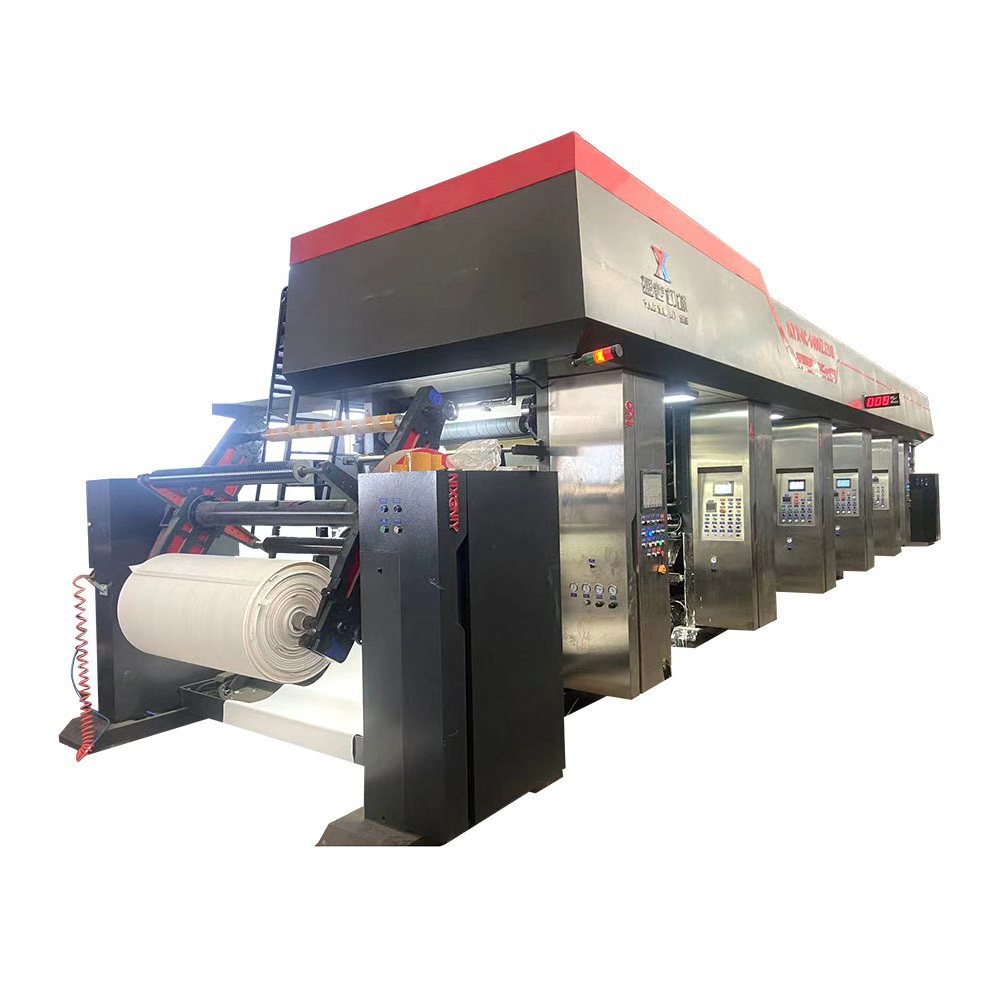
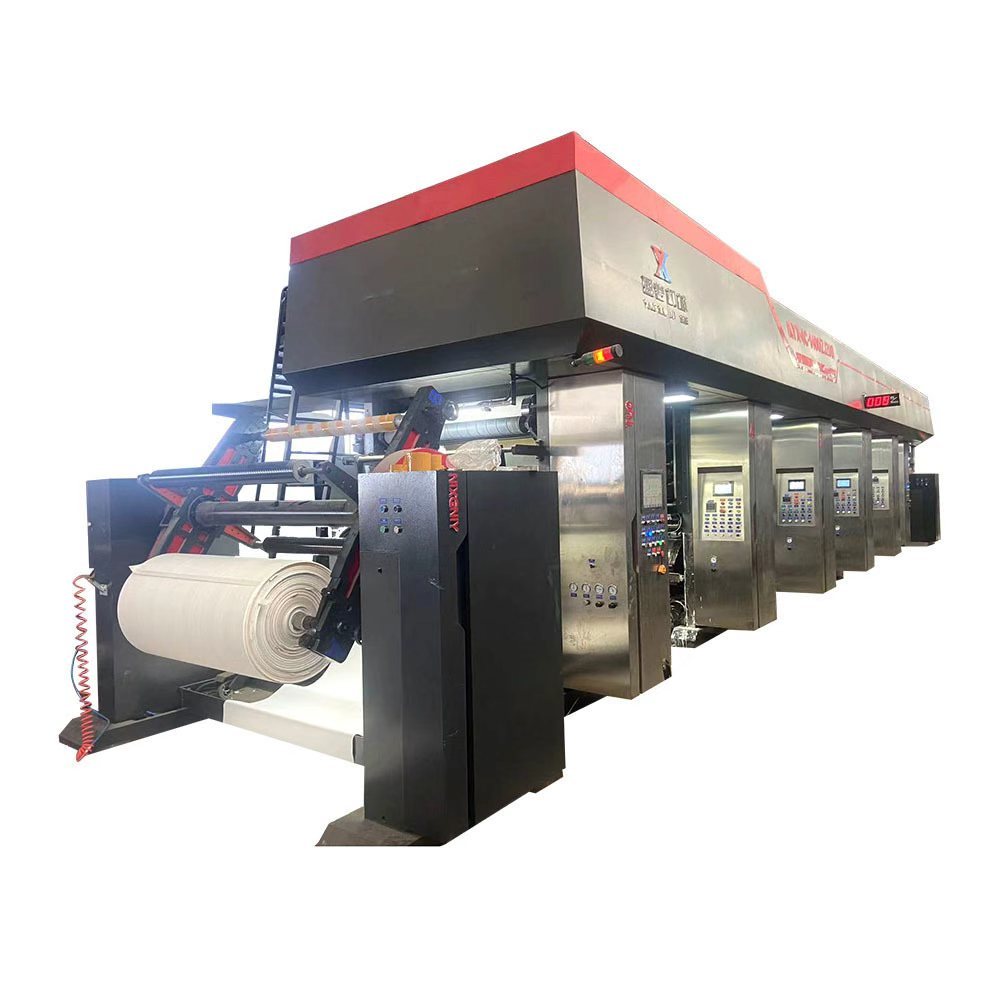
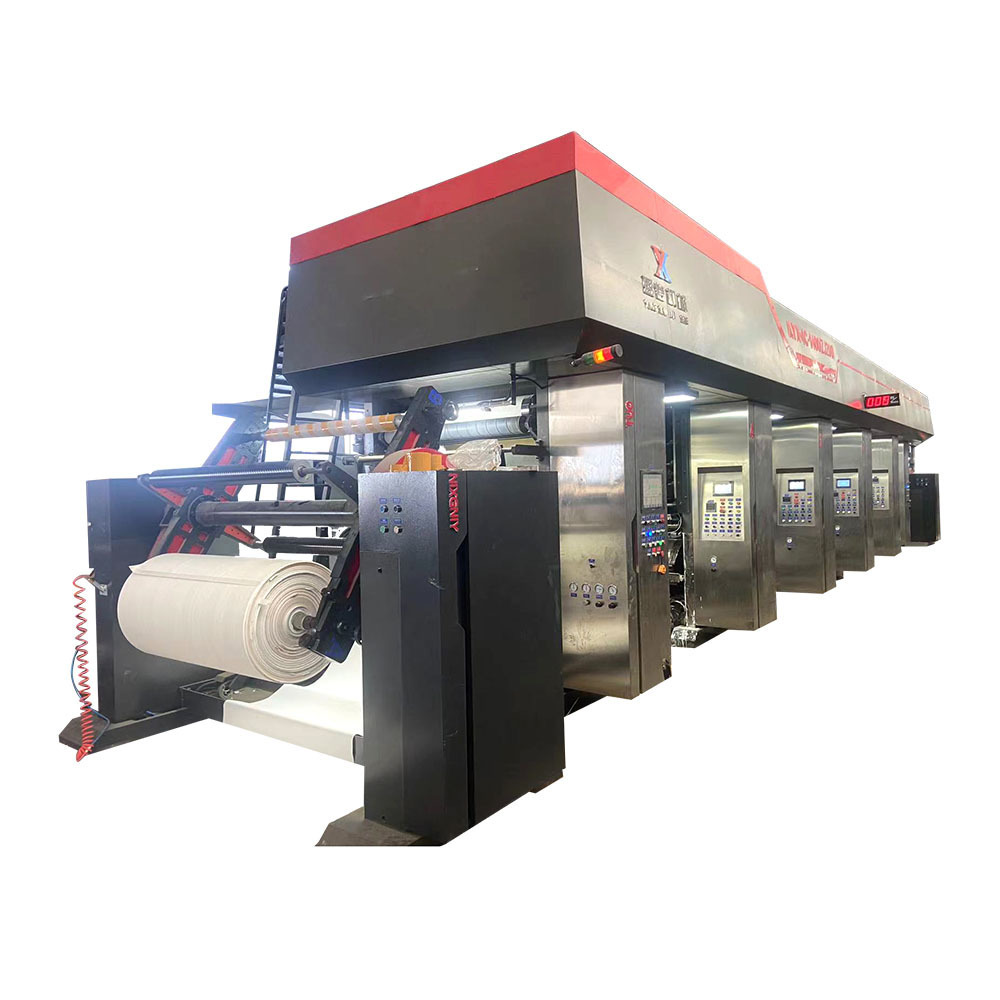
Best D.YX-4C-1400(ZJ200)Automatic gravure printing machine
message:Talk to an expert
WhatsApp:8618058732988
E-Mail:sales@yingxinmachinery.com
tel:+86-18058732988
Contact Us
1168 Jiuzhou Street, Linglong Street, Lin 'an District, Hangzhou City, Zhejiang Province
Mobile phone version
Copyright©Hangzhou Yingxin Machinery Co., Ltd.