

The Evolution of Film Rotogravure Printing Machines Over the Decades
The Evolution of Film Rotogravure Printing Machines Over the Decades In the world of printing technology, film rotogravure printing machines have carved their niche, evolving significantly over the decades to adapt to changing market demands, technological advancements, and environmental considerations. This article delves deep into the evolution of these machines, exploring their history, advance
The Evolution of Film Rotogravure Printing Machines Over the Decades
In the world of printing technology, film rotogravure printing machines have carved their niche, evolving significantly over the decades to adapt to changing market demands, technological advancements, and environmental considerations. This article delves deep into the evolution of these machines, exploring their history, advancements, and future prospects.
Table of Contents
- Introduction to Film Rotogravure Printing
- History of Film Rotogravure Printing Machines
- Technological Advancements in Rotogravure Printing
- Current Industry Standards in Film Rotogravure
- Environmental Considerations in Printing Technologies
- Future Trends in Film Rotogravure Printing Machines
- Applications of Film Rotogravure Printing
- Conclusion
- Frequently Asked Questions
Introduction to Film Rotogravure Printing
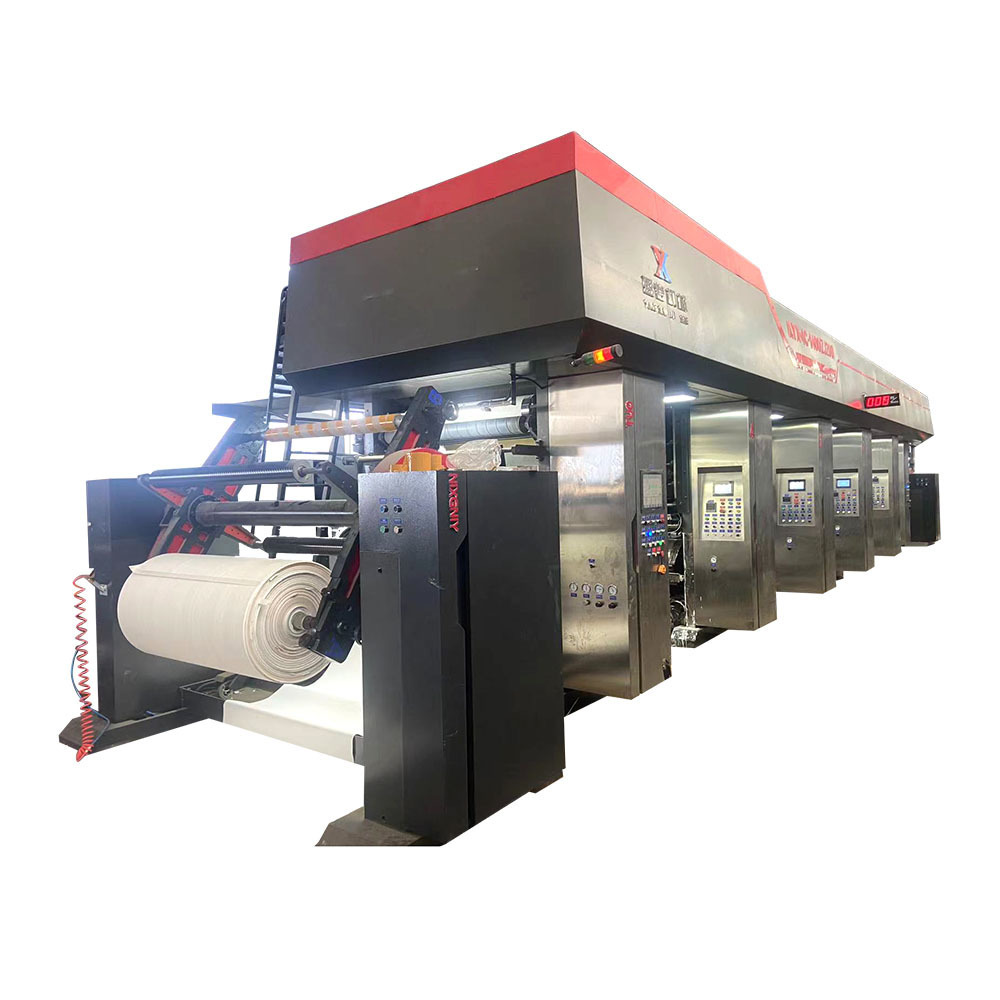
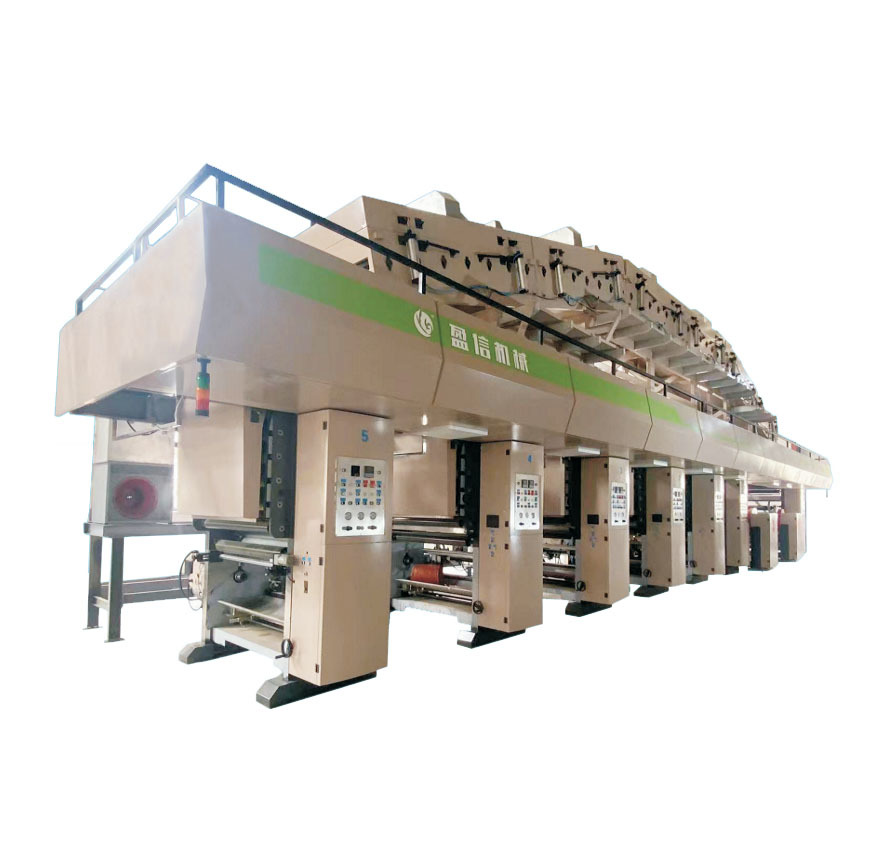
Film rotogravure printing is a sophisticated printing technique known for its ability to produce high-quality images at impressive speeds. This process employs a rotary printing press that utilizes engraved cylinders to transfer ink onto the substrate, making it particularly suitable for long-run printing jobs. Over the decades, film rotogravure printing machines have witnessed significant technological advancements, enhancing their efficiency, sustainability, and versatility.
History of Film Rotogravure Printing Machines
The origins of film rotogravure printing can be traced back to the 19th century when the first engraved copper plates were used for printing purposes. However, it wasn't until the early 20th century that the rotogravure process gained popularity, thanks to its ability to produce fine, detailed images. Early machines were manually operated and primarily used for high-end publications.
With the advent of the 1950s and 1960s, film rotogravure printing machines began to evolve significantly. Manufacturers introduced automated features that increased production speeds and improved print quality. The introduction of photogravure, a process that utilized photographic methods to create printing plates, further refined the technology, allowing for more intricate designs and color options.
Technological Advancements in Rotogravure Printing
Over the years, technological innovations have played a crucial role in the evolution of film rotogravure printing machines. Some notable advancements include:
1. Digital Imaging Technology
The integration of digital imaging technology has transformed the way printing plates are created. Instead of traditional engraving processes, manufacturers now use laser engraving and computer-to-plate (CTP) systems, which offer greater precision and reduce production time.
2. Improved Ink Formulations
Advancements in ink technology have led to the development of high-performance inks that enhance color vibrancy and reduce drying times. These inks are designed to adhere better to various substrates, expanding the range of materials that can be used in rotogravure printing.
3. Automation and Control Systems
Modern rotogravure printing machines are equipped with sophisticated automation and control systems. These systems allow operators to monitor and adjust various parameters, such as ink flow, drying temperatures, and print speed, ensuring consistent quality throughout the printing run.
4. Eco-Friendly Solutions
As the industry increasingly focuses on sustainability, manufacturers have made strides in developing eco-friendly rotogravure machines. These machines minimize waste and energy consumption while using environmentally friendly inks and solvents.
Current Industry Standards in Film Rotogravure
Today, the film rotogravure printing industry operates under stringent quality standards. Compliance with ISO and other international standards ensures that machines produce high-quality, consistent prints while maintaining efficiency. Key factors influencing current standards include:
1. Print Quality
High-resolution images with exceptional color fidelity are paramount. Advanced technologies have enabled rotogravure machines to produce prints that rival offset and digital printing methods.
2. Speed and Efficiency
Modern rotogravure presses can operate at speeds exceeding 600 meters per minute. This efficiency allows for high-volume production, catering to industries that demand quick turnaround times.
3. Customization
Customization is increasingly important in the printing industry. Manufacturers are developing modular rotogravure machines that can be tailored to specific needs, allowing clients to produce a variety of products without investing in multiple machines.
Environmental Considerations in Printing Technologies
As environmental awareness grows, the film rotogravure printing industry faces increasing pressure to adopt sustainable practices. Key considerations include:
1. Waste Reduction
Efforts to minimize waste in the printing process are critical. This includes implementing closed-loop systems that recycle solvents and inks, reducing overall waste generation.
2. Energy Efficiency
Manufacturers are focused on creating energy-efficient machines that consume less power during operation. This shift not only reduces operational costs but also minimizes the carbon footprint of the printing process.
3. Sustainable Materials
The use of biodegradable inks and recyclable substrates is gaining traction. These materials help lessen the environmental impact of printing while meeting consumer demand for eco-friendly products.
Future Trends in Film Rotogravure Printing Machines
Looking ahead, film rotogravure printing is poised for further innovations. Anticipated trends include:
1. Smart Manufacturing
The integration of Internet of Things (IoT) technology into rotogravure machines will enhance monitoring and maintenance capabilities. Smart sensors can provide real-time data, enabling predictive maintenance and reducing downtime.
2. Enhanced Personalization
As consumer preferences shift towards personalization, rotogravure machines will evolve to accommodate smaller runs with customized designs, making them more appealing to niche markets.
3. Advanced Printing Techniques
Future advancements may include hybrid printing technologies, combining rotogravure with digital printing methods to leverage the strengths of both processes, providing greater flexibility and quality.
Applications of Film Rotogravure Printing
Film rotogravure printing machines serve diverse industries, including:
1. Packaging Industry
The packaging sector is the largest user of rotogravure printing, producing flexible packaging materials such as pouches, wrappers, and labels. The ability to print on various substrates adds to its appeal.
2. Publication Printing
High-quality magazines, catalogs, and brochures often utilize rotogravure for its exceptional image quality and color reproduction, making it ideal for visually driven publications.
3. Decorative Papers
Rotogravure printing is used in the production of decorative papers, wallpaper, and specialty products, enabling intricate designs and finishes that enhance aesthetics.
Conclusion
The evolution of film rotogravure printing machines over the decades showcases the remarkable adaptability and innovation within the printing industry. From historical beginnings to cutting-edge technology, these machines have consistently met the demands of an ever-changing market. The future promises exciting developments, with a focus on sustainability, efficiency, and personalization driving the next wave of advancements. As we continue to push the boundaries of what is possible in film rotogravure printing, the industry is well-positioned to thrive in an increasingly competitive landscape.
Frequently Asked Questions
1. What is film rotogravure printing?
Film rotogravure printing is a method that uses engraved cylinders to print high-quality images on a variety of materials, making it ideal for long-run printing projects.
2. What are the advantages of rotogravure over other printing methods?
Rotogravure offers superior print quality, faster production speeds, and the ability to print on a wide range of substrates, making it a preferred choice for many industries.
3. How has technology impacted rotogravure printing?
Technological advancements have improved precision, efficiency, and sustainability in rotogravure printing, including the use of digital imaging and eco-friendly inks.
4. What industries primarily use rotogravure printing?
The packaging, publication, and decorative paper industries are the primary users of rotogravure printing, benefiting from its quality and versatility.
5. What are the future trends in rotogravure printing?
Future trends include smart manufacturing technologies, enhanced personalization capabilities, and advancements in hybrid printing techniques, which will expand the possibilities of rotogravure printing.
Tag:
Blog

How to Choose the Right Pattern Gravure Printing Machine for Your Needs

PRODUCT
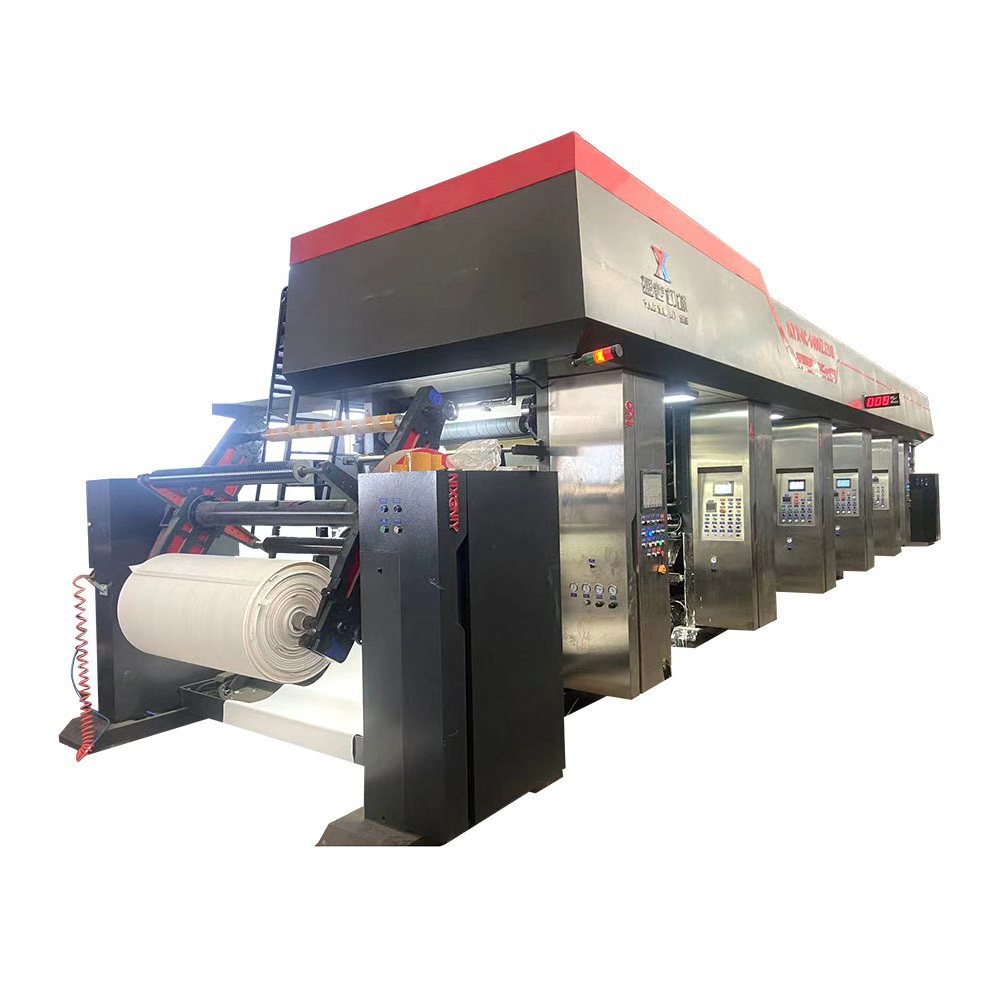
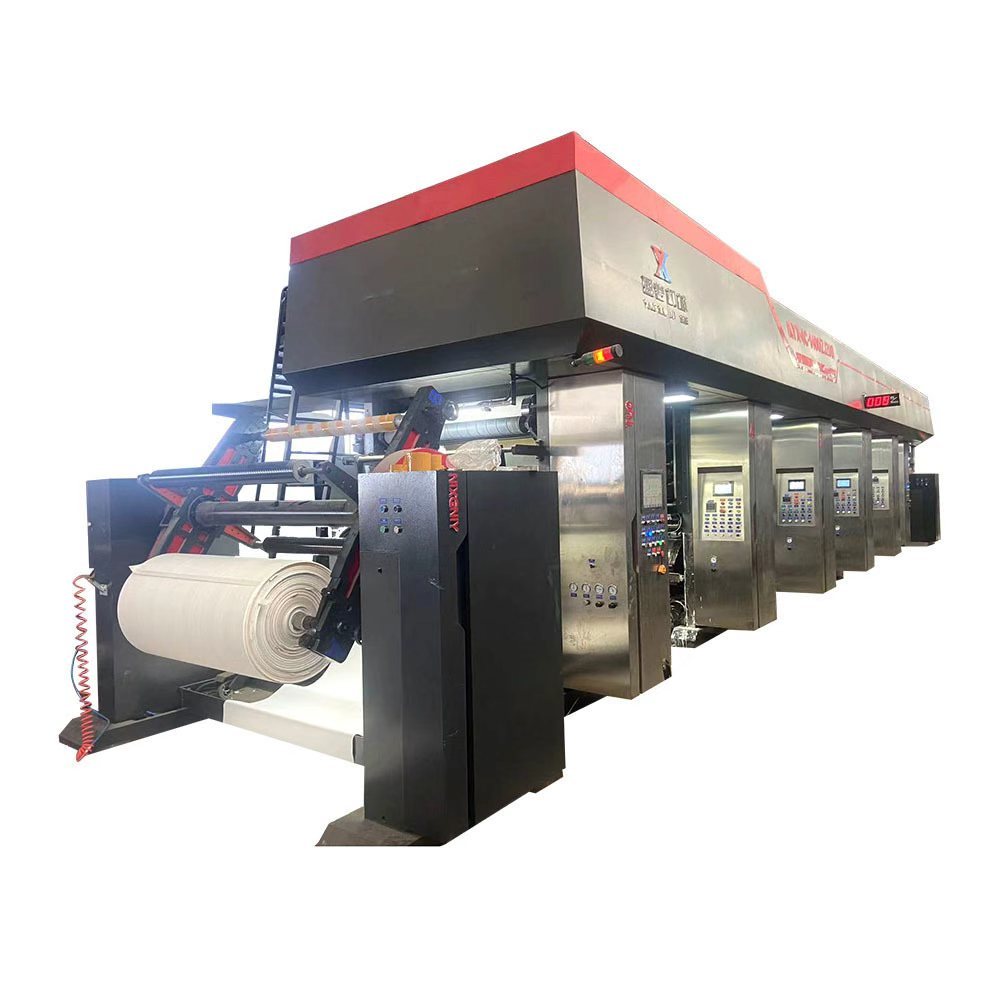
Best D.YX-4C-1400(ZJ200)Automatic gravure printing machine
message:Talk to an expert
WhatsApp:8618058732988
E-Mail:sales@yingxinmachinery.com
tel:+86-18058732988
Contact Us
1168 Jiuzhou Street, Linglong Street, Lin 'an District, Hangzhou City, Zhejiang Province
Mobile phone version
Copyright©Hangzhou Yingxin Machinery Co., Ltd.