

Understanding the Importance of Film Rotogravure Printing Machines in Contemporary Manufacturing
Understanding the Importance of Film Rotogravure Printing Machines in Contemporary Manufacturing In the ever-evolving landscape of modern manufacturing, the role of printing technology cannot be overstated. Among these technologies, **film rotogravure printing machines** have emerged as essential tools that enhance productivity and quality. This article delves into what makes these machines vital
Understanding the Importance of Film Rotogravure Printing Machines in Contemporary Manufacturing
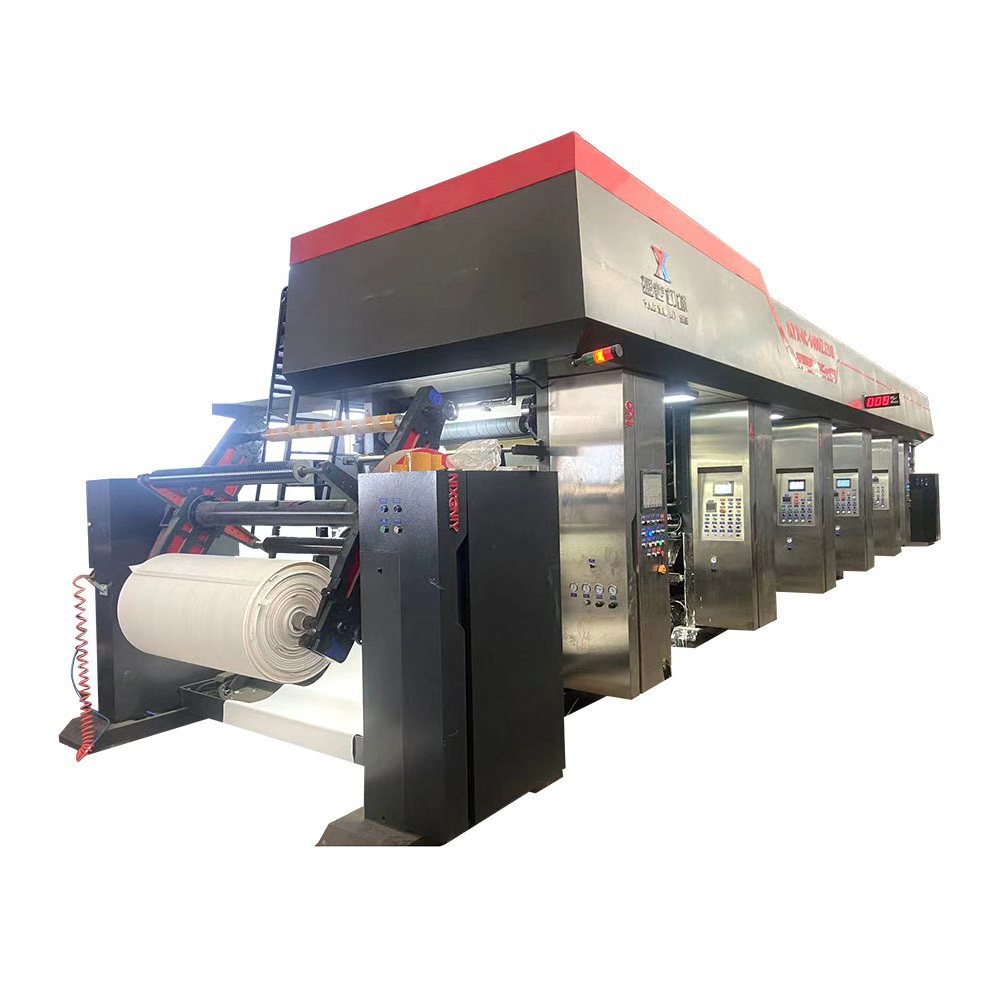
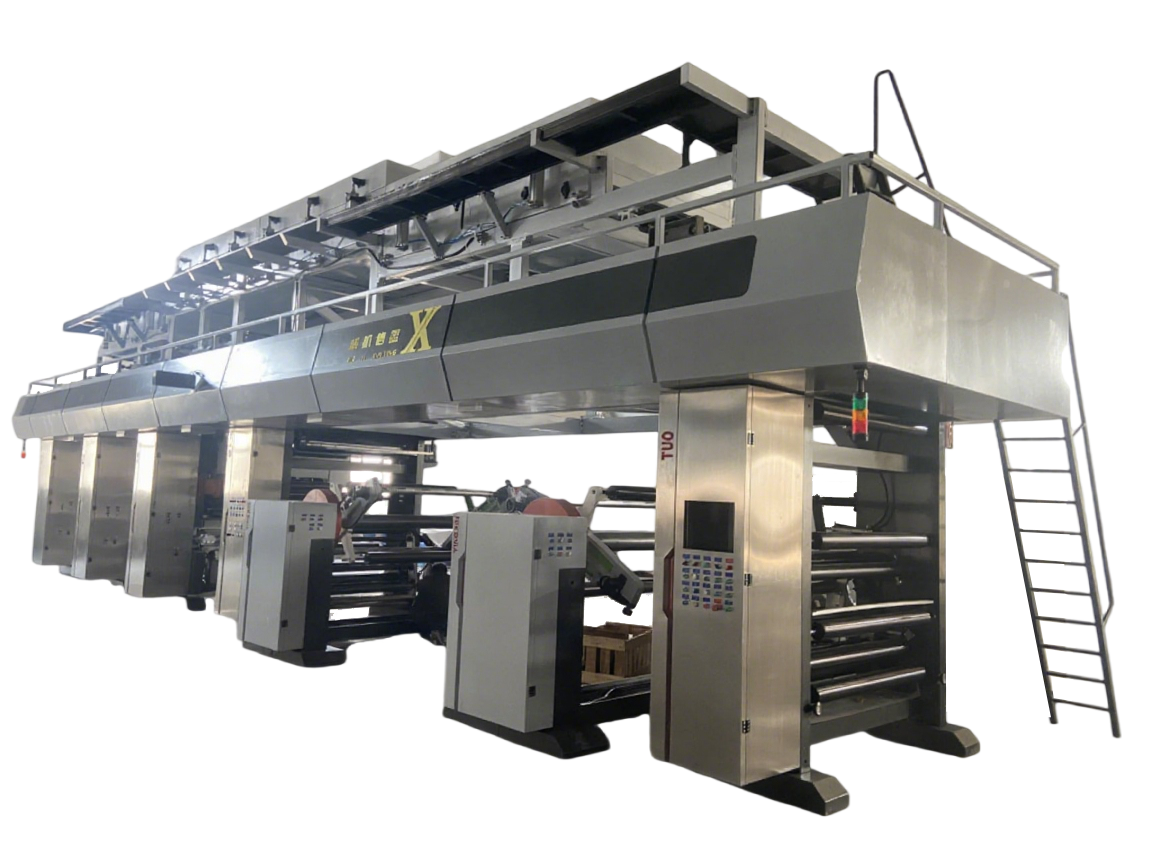
In the ever-evolving landscape of modern manufacturing, the role of printing technology cannot be overstated. Among these technologies, **film rotogravure printing machines** have emerged as essential tools that enhance productivity and quality. This article delves into what makes these machines vital in today’s manufacturing environment, exploring their functionality, advantages, applications, and future potential.
Table of Contents
1. Introduction to Film Rotogravure Printing
2. How Film Rotogravure Printing Works
3. Advantages of Film Rotogravure Printing Machines
- 3.1 High-Quality Output
- 3.2 Efficiency in Production
- 3.3 Versatility in Materials
4. Applications of Film Rotogravure Printing Machines
- 4.1 Packaging Industry
- 4.2 Textile Industry
- 4.3 Labels and Tags
5. Challenges in Film Rotogravure Printing
6. The Future of Film Rotogravure Printing Machines
7. Frequently Asked Questions
8. Conclusion
Introduction to Film Rotogravure Printing
Film rotogravure printing is a sophisticated printing technique that utilizes an intaglio process. It's characterized by the engraving of images onto a cylindrical surface, which is then used to transfer ink onto various substrates. This method is particularly well-suited for high-volume runs and produces exceptional print quality. Understanding the significance of this printing technology helps manufacturers appreciate its integral role in enhancing production capabilities.
How Film Rotogravure Printing Works
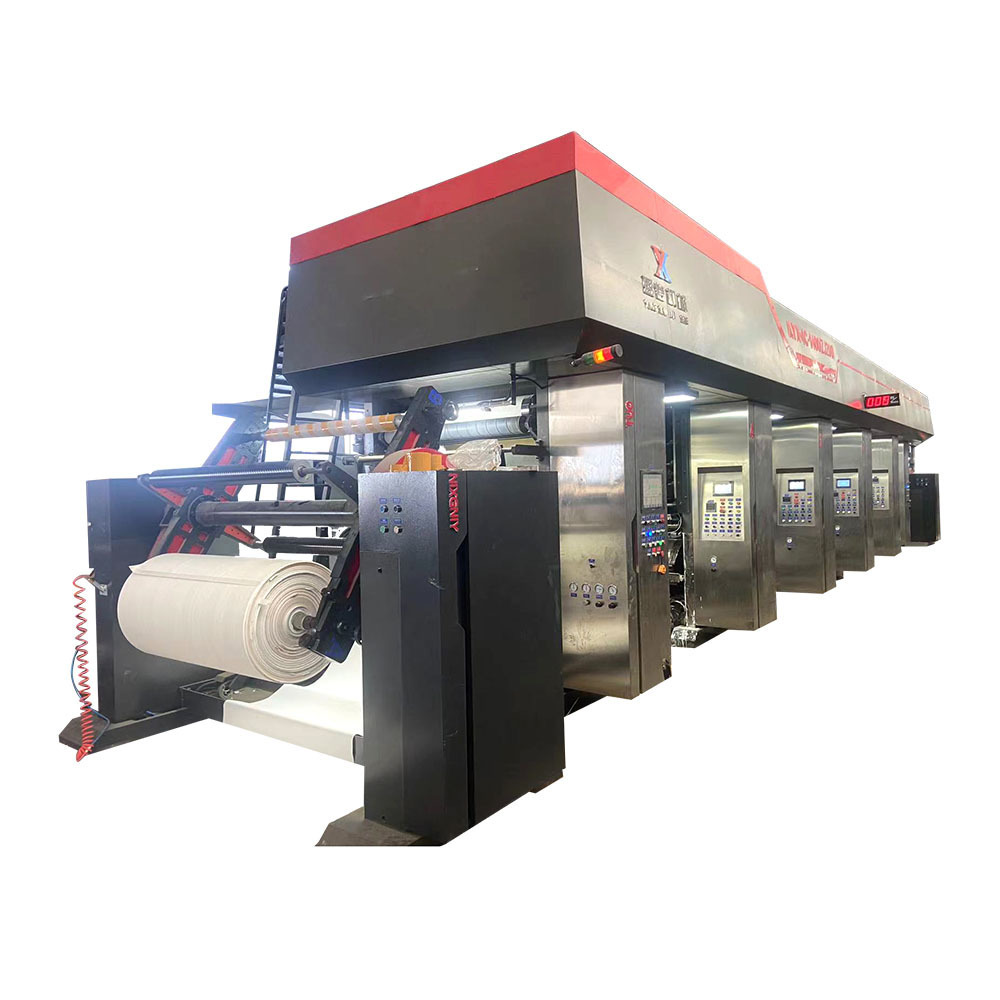
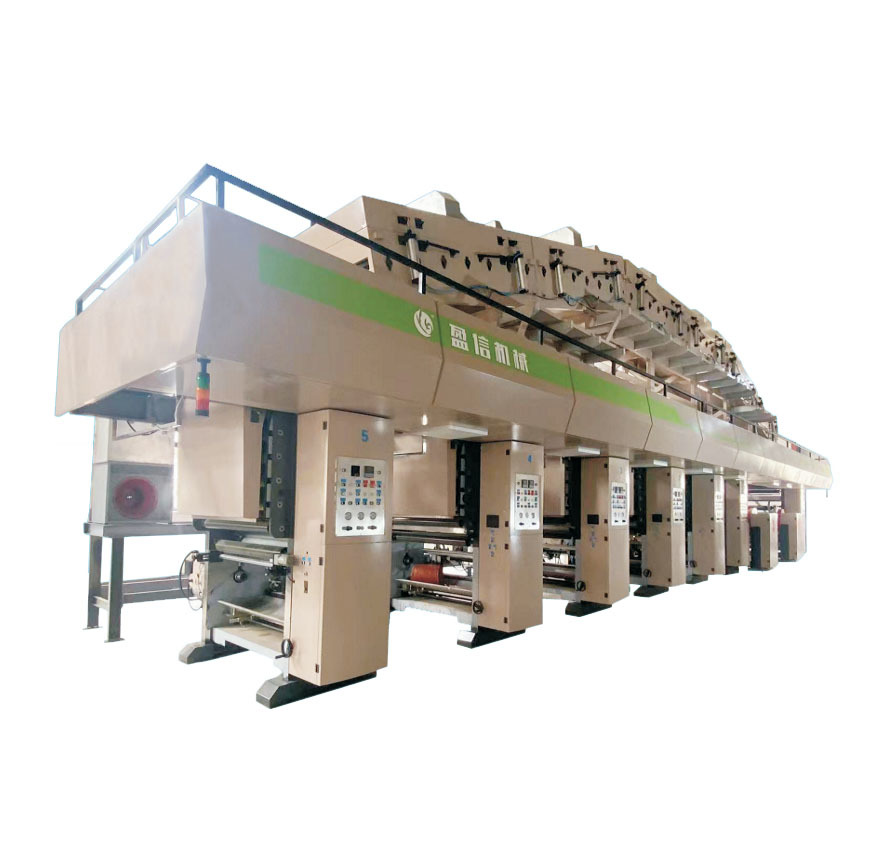
The operation of film rotogravure printing machines involves several key steps. First, the design to be printed is engraved onto a cylinder, which holds the ink. During the printing process, the cylinder rotates and comes into contact with the substrate, transferring the ink onto the material. This ensures precise and high-quality prints, making it a favored choice for manufacturers looking for both speed and excellence.
The Engraving Process
The engraving process is critical in determining the quality of the final product. Using advanced technologies, manufacturers can create highly detailed images that allow for vibrant colors and intricate designs. The depth and size of the engravings are adjusted based on the desired outcome, which can range from fine details to bold graphics.
Ink Transfer Mechanism
In film rotogravure printing, the ink transfer mechanism is engineered for efficiency. The use of high-speed rollers ensures that ink is evenly distributed across the substrate, reducing waste and increasing the overall quality of the print. This meticulous process solidifies rotogravure as one of the most reliable and effective printing methods in large-scale production.
Advantages of Film Rotogravure Printing Machines
The adoption of film rotogravure printing machines offers numerous benefits that set them apart from other printing technologies.
High-Quality Output
One of the standout features of film rotogravure printing is its ability to produce high-quality prints with remarkable clarity and consistency. This is particularly important for businesses that require detailed graphics and vibrant colors in their products. The precision of the engraving process ensures that every print maintains the integrity of the design.
Efficiency in Production
Time is a critical factor in modern manufacturing, and film rotogravure printing machines excel in this aspect. They are capable of high-speed production, significantly reducing the time from design to delivery. This efficiency can lead to lower operational costs and improved turnaround times, making it an attractive option for manufacturers aiming to meet growing market demands swiftly.
Versatility in Materials
Film rotogravure printing machines can work with a wide variety of materials, including plastics, paper, and textiles. This versatility allows manufacturers to diversify their product offerings without investing in multiple printing technologies. Whether producing flexible packaging or decorative prints for textiles, film rotogravure is adaptable to different substrates, making it a valuable asset in any manufacturing facility.
Applications of Film Rotogravure Printing Machines
The applications of film rotogravure printing machines are extensive and varied, reflecting their importance in multiple industries.
Packaging Industry
In the packaging sector, film rotogravure printing plays a pivotal role. It is widely used for creating attractive and durable packaging solutions. From food products to cosmetics, brands rely on this printing technology to deliver high-quality graphics that enhance product appeal and consumer engagement.
Textile Industry
The textile industry also benefits significantly from film rotogravure printing. This technology allows for the production of intricate patterns and designs on fabrics, ensuring that textiles not only meet functional needs but also appeal aesthetically. Whether it’s clothing or upholstery, the impact of rotogravure on textiles is profound.
Labels and Tags
Labels and tags are another area where film rotogravure printing shines. The ability to produce colorful, detailed labels that withstand wear and tear is crucial for brands looking to maintain visibility and recognition in a competitive market. Rotogravure printing makes it possible to create labels that are both functional and visually appealing.
Challenges in Film Rotogravure Printing
While film rotogravure printing presents many advantages, it is not without challenges. Maintaining the quality of the engraving is essential, as worn-out cylinders can lead to inconsistencies in print quality. Additionally, the initial costs of setting up rotogravure printing machines can be significant, which may deter some manufacturers from adopting this technology.
The Future of Film Rotogravure Printing Machines
The future of film rotogravure printing machines looks promising as innovations continue to emerge. Eco-friendly inks and substrates are gaining traction, reflecting the industry's shift towards sustainability. Furthermore, advancements in digital technology are expected to enhance the capabilities of rotogravure printing, making it even more efficient and adaptable to market changes.
Frequently Asked Questions
1. What is the primary advantage of film rotogravure over other printing methods?
Film rotogravure offers superior print quality and efficiency, making it ideal for high-volume production runs.
2. How does film rotogravure printing contribute to sustainability?
Many manufacturers are transitioning to eco-friendly inks and substrates in film rotogravure printing, reducing environmental impact.
3. Can film rotogravure printing be used for short runs?
While it is primarily suited for long runs, advancements in technology are making it increasingly viable for shorter production runs.
4. What materials can be used in film rotogravure printing?
Film rotogravure printing can be applied to a wide range of materials, including plastic films, paper, and textiles.
5. What are the typical industries that utilize film rotogravure printing machines?
Industries such as packaging, textiles, and labels frequently employ film rotogravure printing due to its versatility and high-quality output.
Conclusion
Film rotogravure printing machines have established themselves as a cornerstone of modern manufacturing. Their ability to deliver high-quality prints with efficiency and versatility makes them indispensable for industries ranging from packaging to textiles. As technology continues to evolve, so too will the capabilities of these machines, ensuring their relevance and importance in the manufacturing landscape for years to come. Embracing film rotogravure printing means investing in a future of enhanced quality, efficiency, and sustainability in production processes.
Tag:
Blog

The Future of Printing: Innovations in Pattern Gravure Technology

PRODUCT
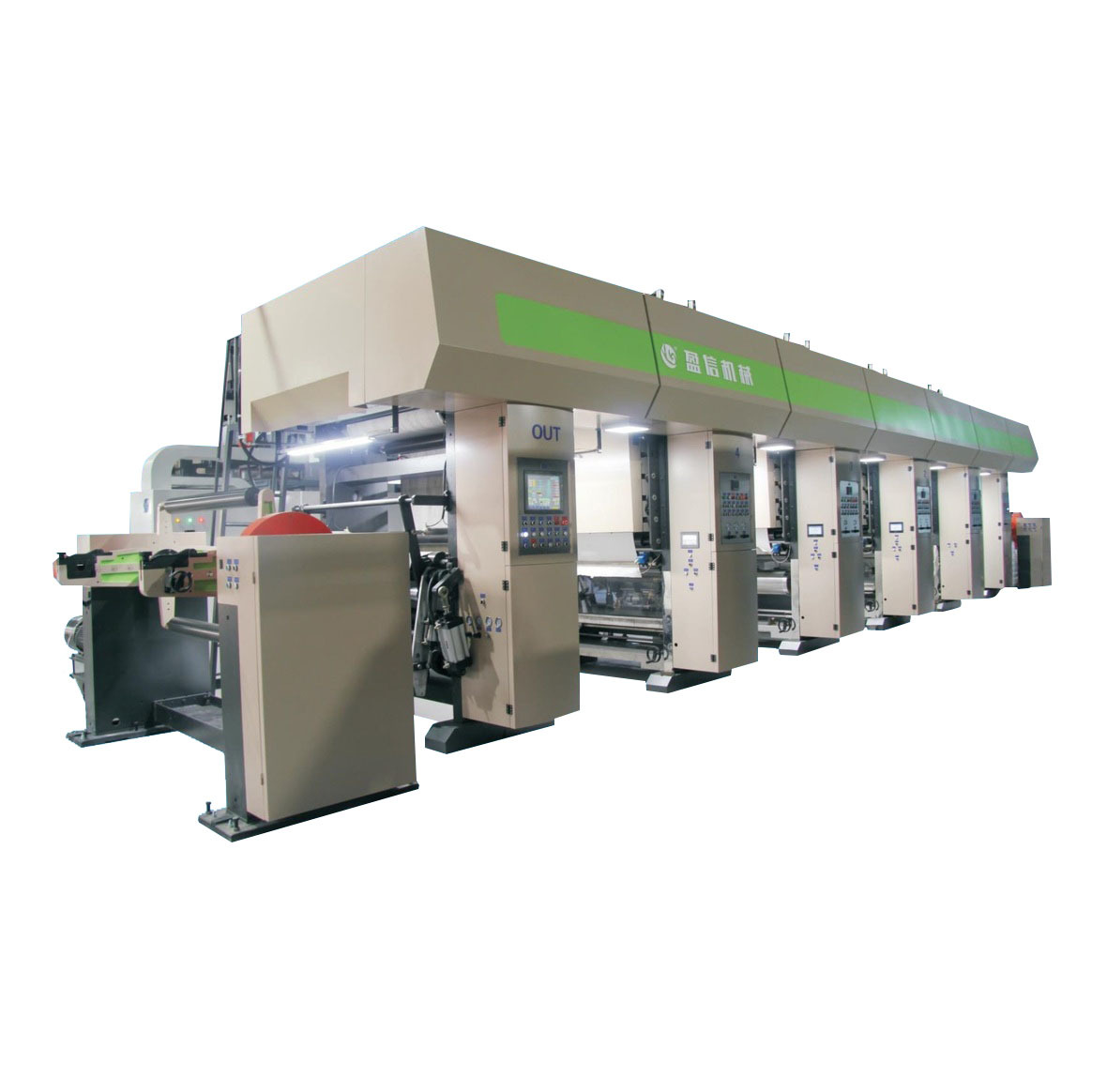
Best D.YX-4C-1400(ZJ200)Automatic gravure printing machine
message:Talk to an expert
WhatsApp:8618058732988
E-Mail:sales@yingxinmachinery.com
tel:+86-18058732988
Contact Us
1168 Jiuzhou Street, Linglong Street, Lin 'an District, Hangzhou City, Zhejiang Province
Mobile phone version
Copyright©Hangzhou Yingxin Machinery Co., Ltd.