

Film Rotogravure Printing Machines vs. Other Printing Technologies: An In-Depth Comparison
Introduction to Film Rotogravure Printing Machines The printing industry has witnessed significant evolution over the years, introducing various technologies that cater to different printing needs. Among these, **Film Rotogravure Printing Machines** stand out as a popular choice for high-volume production, particularly in packaging and publication. This article aims to provide a thorough compariso
Introduction to Film Rotogravure Printing Machines
The printing industry has witnessed significant evolution over the years, introducing various technologies that cater to different printing needs. Among these, **Film Rotogravure Printing Machines** stand out as a popular choice for high-volume production, particularly in packaging and publication. This article aims to provide a thorough comparison between **Film Rotogravure Printing Machines** and other printing technologies, exploring the benefits, applications, and limitations of each.
Understanding Film Rotogravure Printing
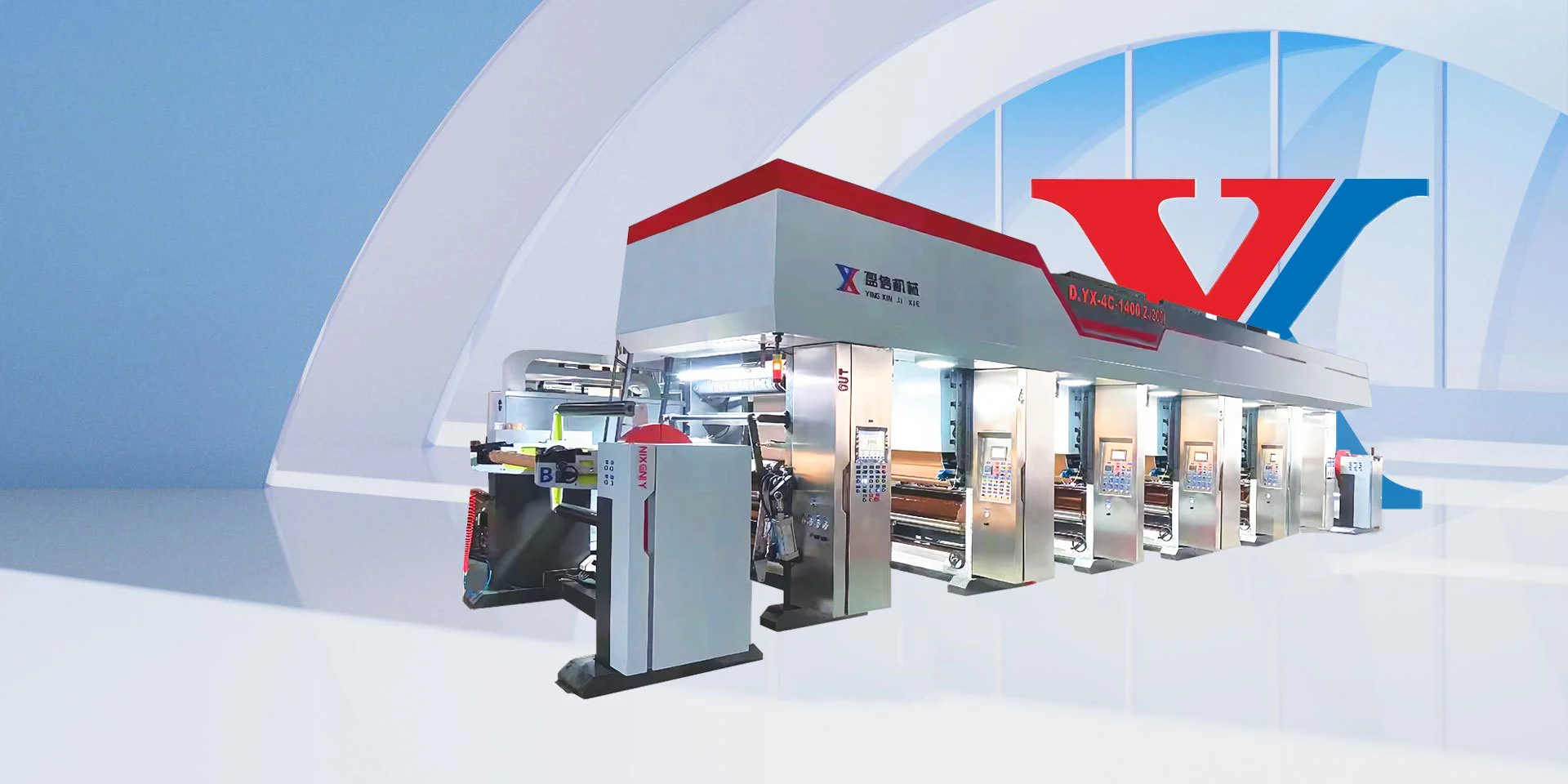
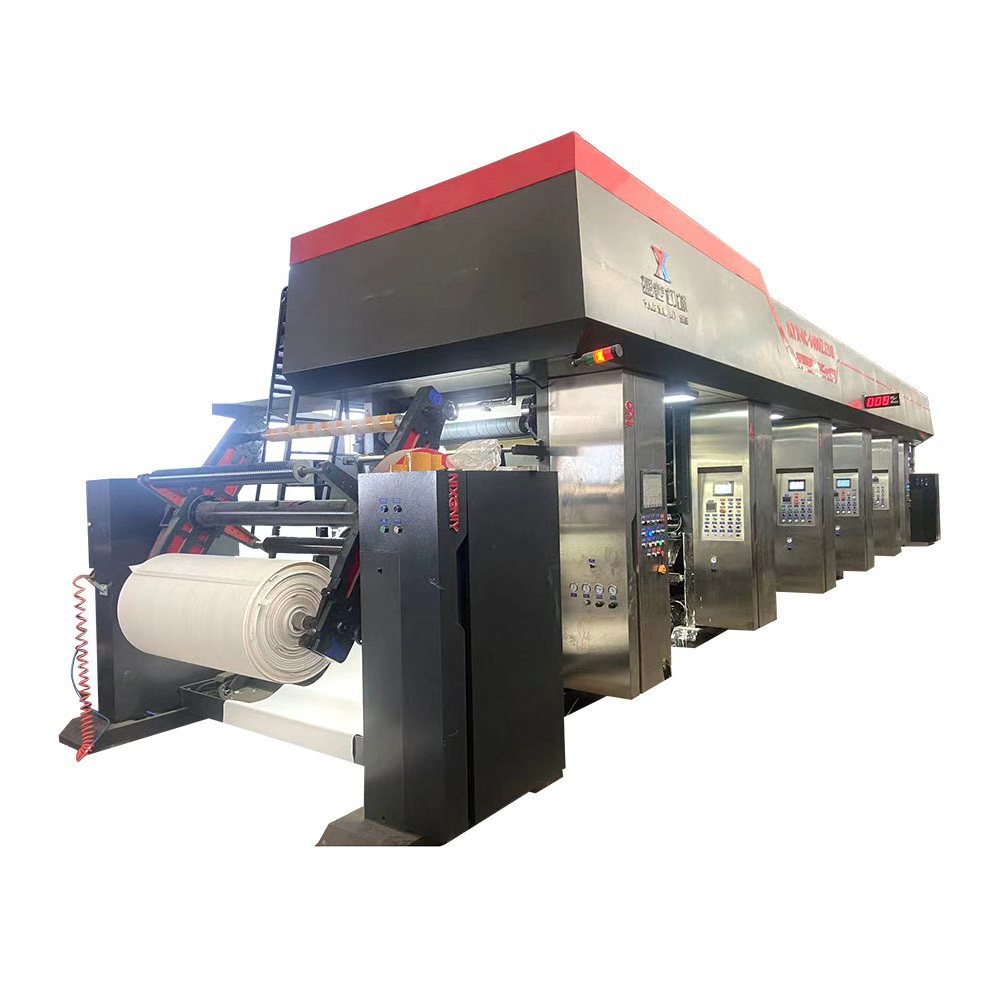
Film rotogravure printing is a high-speed and efficient printing method that utilizes engraved cylinders to transfer ink onto a substrate. This technique is particularly advantageous for producing long runs of high-quality prints, making it ideal for packaging materials like labels, flexible packaging, and wallpaper.
How Film Rotogravure Printing Works
The process begins with the creation of an engraved cylinder, which contains the image or design to be printed. Ink is applied to the cylinder and then wiped off the surface, leaving ink only in the engraved areas. As the substrate—such as film or paper—passes through the press, the engraved cylinder transfers the ink onto it, creating vibrant and detailed images.
Key Advantages of Film Rotogravure Printing
1. **High Quality**: Film rotogravure produces sharp, high-resolution images and vibrant colors, making it a preferred choice for brands that prioritize quality.
2. **Speed**: The process is highly efficient, allowing for rapid print runs without sacrificing quality.
3. **Flexibility**: It can print on a variety of substrates, including plastic films, paper, and foil, making it suitable for diverse applications.
4. **Cost-Effective for Large Volumes**: While the initial setup cost may be high, rotogravure becomes cost-effective for large-scale productions due to its speed and efficiency.
Comparative Overview of Other Printing Technologies
To understand the advantages of film rotogravure, it’s essential to compare it with other predominant printing technologies. Below, we delve into four major alternatives: flexographic printing, lithographic printing, screen printing, and digital printing.
Flexographic Printing
**Overview**: Flexographic printing utilizes flexible relief plates to print on a wide array of substrates. It is commonly used for packaging materials and labels.
**Advantages**:
- Suitable for long runs.
- Quick drying times.
- Ability to print on various substrates.
**Limitations**:
- Lower image quality compared to rotogravure.
- Not as cost-effective for short runs.
Lithographic Printing
**Overview**: Lithography relies on the principle of oil and water repulsion. This method is ideal for high-quality art prints, books, and magazines.
**Advantages**:
- Excellent image quality with fine details.
- Cost-effective for short to medium runs.
**Limitations**:
- Slower setup times compared to rotogravure.
- Limited substrate compatibility.
Screen Printing
**Overview**: Screen printing involves forcing ink through a mesh screen to create an image. It’s often used for textiles, signs, and promotional items.
**Advantages**:
- Extremely versatile and can print on various surfaces.
- Ideal for limited edition prints.
**Limitations**:
- Slower production speeds compared to rotogravure.
- Less suitable for large-scale production.
Digital Printing
**Overview**: Digital printing involves directly printing from a digital file to the substrate. It is commonly used for short runs and personalized prints.
**Advantages**:
- Fast turnaround times.
- Cost-effective for short runs.
**Limitations**:
- Higher per-unit costs for large quantities.
- Generally lower image quality than rotogravure for large format printing.
Applications of Film Rotogravure Printing
Film rotogravure printing excels in various applications, particularly in industries where high-quality visuals are crucial. Let’s explore some major sectors that benefit from this printing technology.
Packaging Industry
Rotogravure is extensively used in the packaging industry for products such as:
- Food packaging.
- Beverage containers.
- Cosmetic and pharmaceutical packaging.
The technology ensures that graphics are vibrant and engaging, attracting consumers while maintaining the integrity of the product.
Textile Printing
In textile printing, rotogravure offers detailed imagery for decorative fabrics, wallpapers, and home furnishings. The ability to produce intricate designs with rich colors makes it a popular choice among fashion designers and interior decorators.
Publications and Labels
Film rotogravure also plays a significant role in printing high-quality magazines, catalogs, and labels. The clarity and depth of color enhance the appeal of printed materials, making them more attractive to consumers.
Choosing the Right Printing Technology for Your Needs
When selecting a printing technology, it is essential to consider various factors based on your specific requirements. Here are some key considerations:
Volume of Production
For high-volume production, **film rotogravure** is often the most cost-effective choice due to its speed and efficiency. Conversely, for low to medium volumes, technologies like digital or lithographic printing could be more suitable.
Quality Requirements
If the project demands superior quality and precision, rotogravure should be prioritized. For less critical applications, other technologies may suffice.
Substrate Compatibility
Analyze the materials you plan to print on. Film rotogravure is incredibly versatile but may not be the best option for all substrates. Understanding your material compatibility will help in making an informed decision.
Budget Considerations
Initial setup costs can be significant with rotogravure, so it's crucial to evaluate your overall budget and long-term production goals. For smaller businesses, digital printing or screen printing could offer lower initial costs.
Emerging Trends in Printing Technologies
As the printing industry evolves, new technologies and methods are emerging. Here are some notable trends that could influence the future landscape of printing:
Eco-Friendly Printing Solutions
Sustainability is becoming increasingly important. Many printing companies are now focusing on environmentally friendly inks and processes. Rotogravure technology is adapting to include eco-friendly practices, making it more appealing to environmentally conscious consumers.
Integration of Smart Technology
The use of smart technology, such as IoT integration in printing machines, is on the rise. This allows for real-time monitoring and adjustments, improving efficiency and reducing waste.
Customization and Personalization
With the growing demand for customized products, printing technologies are adapting to allow for increased personalization. Digital printing, in particular, is well-suited for this trend, but rotogravure is also finding ways to incorporate limited edition runs and custom designs.
FAQs About Film Rotogravure Printing Machines and Other Printing Technologies
**1. What is the main advantage of film rotogravure printing?**
The primary advantage of film rotogravure printing is its ability to produce high-quality images at high speeds, making it ideal for large-volume production.
**2. How does rotogravure printing compare to flexographic printing?**
While both are used for packaging, rotogravure offers superior image quality and is more cost-effective for large print runs, whereas flexographic printing is better for short runs and has faster drying times.
**3. Can rotogravure be used for short print runs?**
Yes, but it is typically more cost-effective for high-volume projects. For short runs, digital or lithographic printing may be more suitable.
**4. What substrates can be used with film rotogravure?**
Film rotogravure printing can be used on a wide range of substrates, including plastic films, paper, and foils, making it highly versatile.
**5. Is rotogravure printing eco-friendly?**
Many manufacturers are now adopting eco-friendly inks and practices in rotogravure printing, making it a more sustainable option than in the past.
Conclusion
Film rotogravure printing machines offer a level of quality and efficiency that makes them a formidable choice in the printing industry, particularly for high-volume applications. While there are various other printing technologies available, the unique advantages of rotogravure cannot be overlooked. Understanding the strengths and limitations of each technology enables businesses to make informed decisions that align with their production needs. As the industry continues to evolve, staying informed about technological advancements and market trends will empower companies to adapt and thrive in a competitive landscape.
Tag:
Blog


PRODUCT
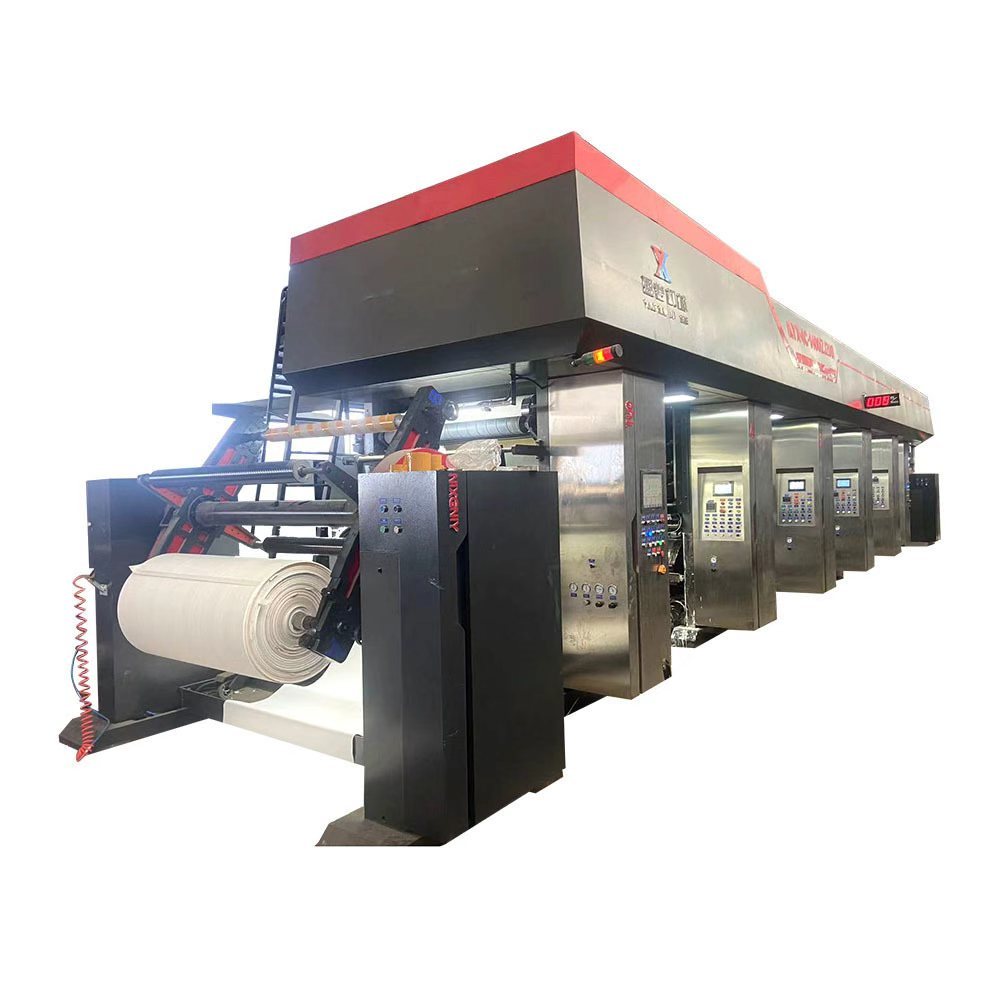
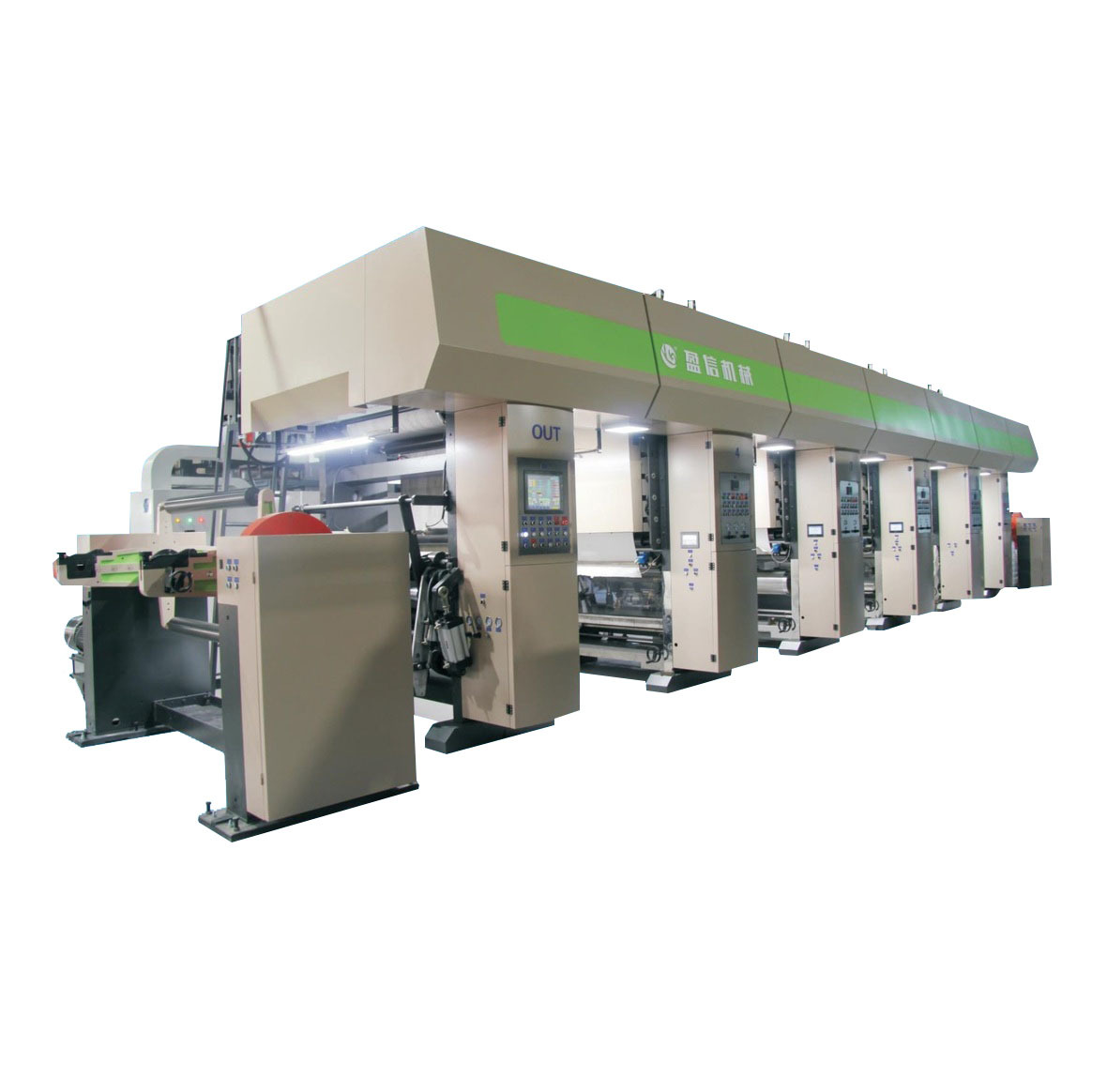
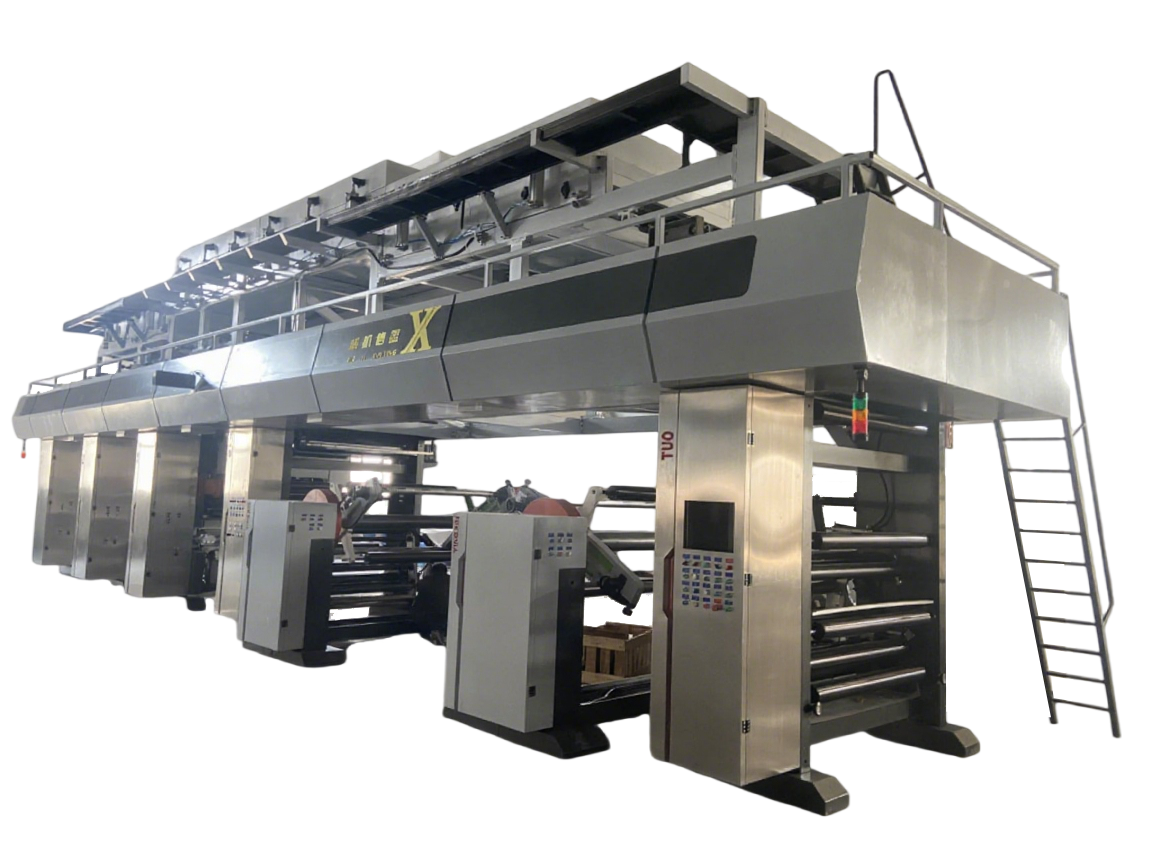
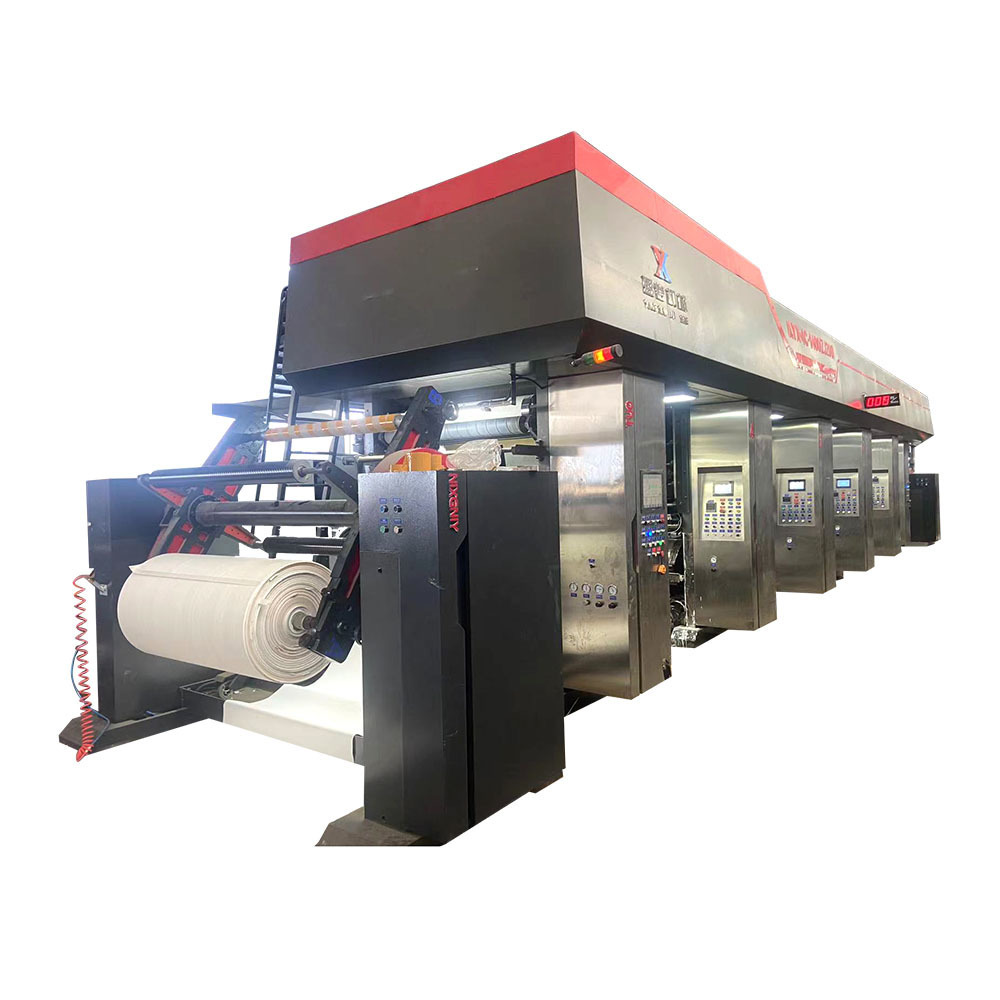
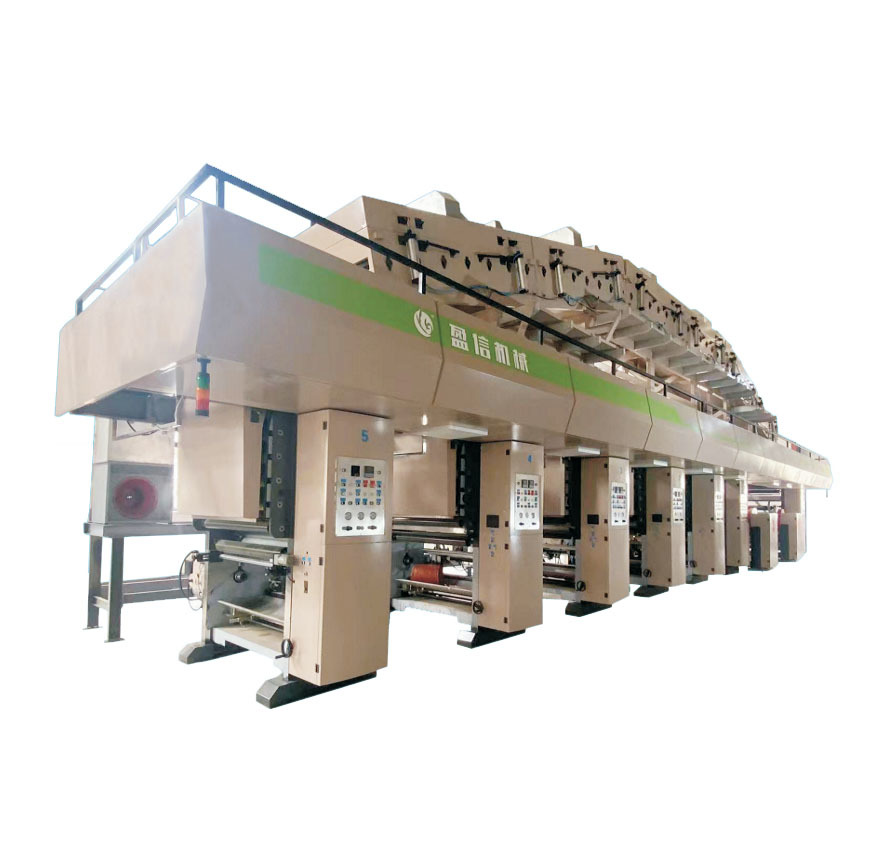
Best D.YX-4C-1400(ZJ200)Automatic gravure printing machine
message:Talk to an expert
WhatsApp:8618058732988
E-Mail:sales@yingxinmachinery.com
tel:+86-18058732988
Contact Us
1168 Jiuzhou Street, Linglong Street, Lin 'an District, Hangzhou City, Zhejiang Province
Mobile phone version
Copyright©Hangzhou Yingxin Machinery Co., Ltd.