

A Comprehensive Beginner's Guide to Film Rotogravure Printing Machines
A Beginner's Guide to Film Rotogravure Printing Machines Table of Contents 1. Introduction to Rotogravure Printing 2. What is Film Rotogravure Printing? 3. How Film Rotogravure Machines Work 4. Advantages of Film Rotogravure Printing 5. Applications of Film Rotogravure Printing 6. Maintenance and Care of Rotogravure Machines 7. Common Issues and Solutions in Rotogravur
A Beginner's Guide to Film Rotogravure Printing Machines
Table of Contents
- 1. Introduction to Rotogravure Printing
- 2. What is Film Rotogravure Printing?
- 3. How Film Rotogravure Machines Work
- 4. Advantages of Film Rotogravure Printing
- 5. Applications of Film Rotogravure Printing
- 6. Maintenance and Care of Rotogravure Machines
- 7. Common Issues and Solutions in Rotogravure Printing
- 8. The Future of Film Rotogravure Printing
- 9. Frequently Asked Questions
- 10. Conclusion
1. Introduction to Rotogravure Printing
Rotogravure printing, often referred to simply as gravure printing, is a high-speed, high-quality printing process that utilizes a rotary printing press and engraved cylindrical plates. This method is particularly well-suited for long-run printing jobs and is commonly employed in packaging, textiles, and wallpapers. Understanding the fundamentals of this printing technique can empower beginners to make informed decisions in their printing ventures.
2. What is Film Rotogravure Printing?
Film rotogravure printing is a specialized form of gravure printing that focuses on producing high-quality images on flexible substrates, such as plastic films. This printing technique is characterized by its ability to deliver vibrant colors, sharp details, and excellent image resolution, making it ideal for a variety of applications including food packaging, labeling, and flexible packaging.
Understanding the Process
The film rotogravure printing process involves several critical steps:
1. **Image Preparation**: The design is created digitally and transferred to a cylinder that has been engraved with the desired image.
2. **Ink Application**: The engraved cylinder is coated with liquid ink, which fills the engraved cells.
3. **Printing**: The substrate is fed through the press, making contact with the inked cylinder, which transfers the image onto the film.
4. **Drying**: After printing, the inks are dried using heated air or UV curing to ensure a durable finish.
3. How Film Rotogravure Machines Work
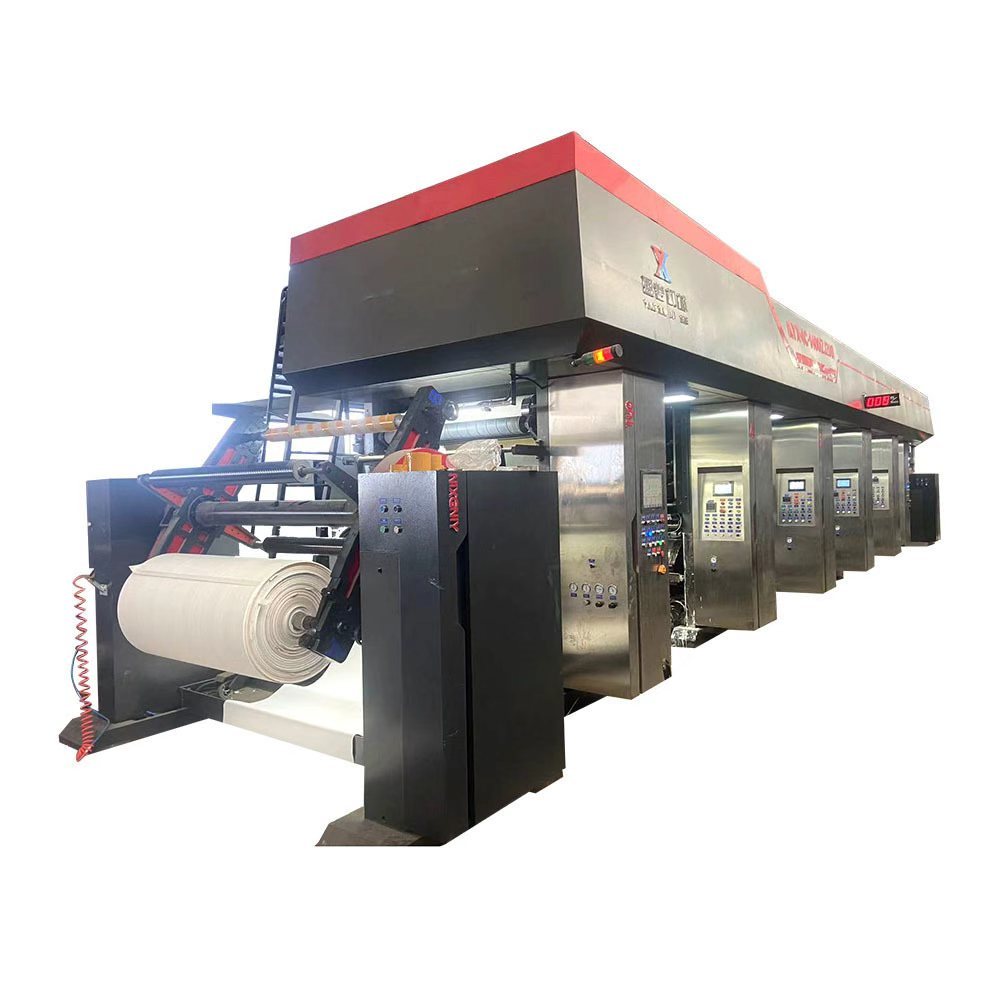
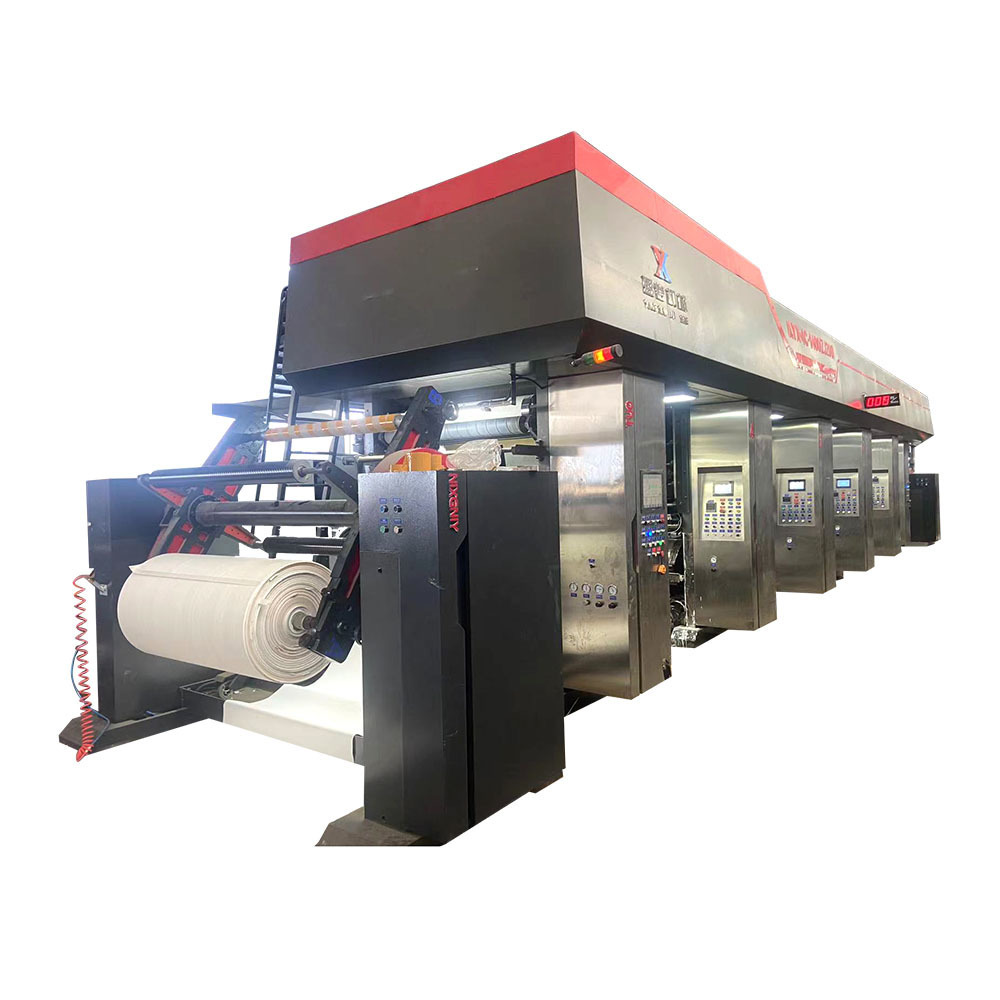
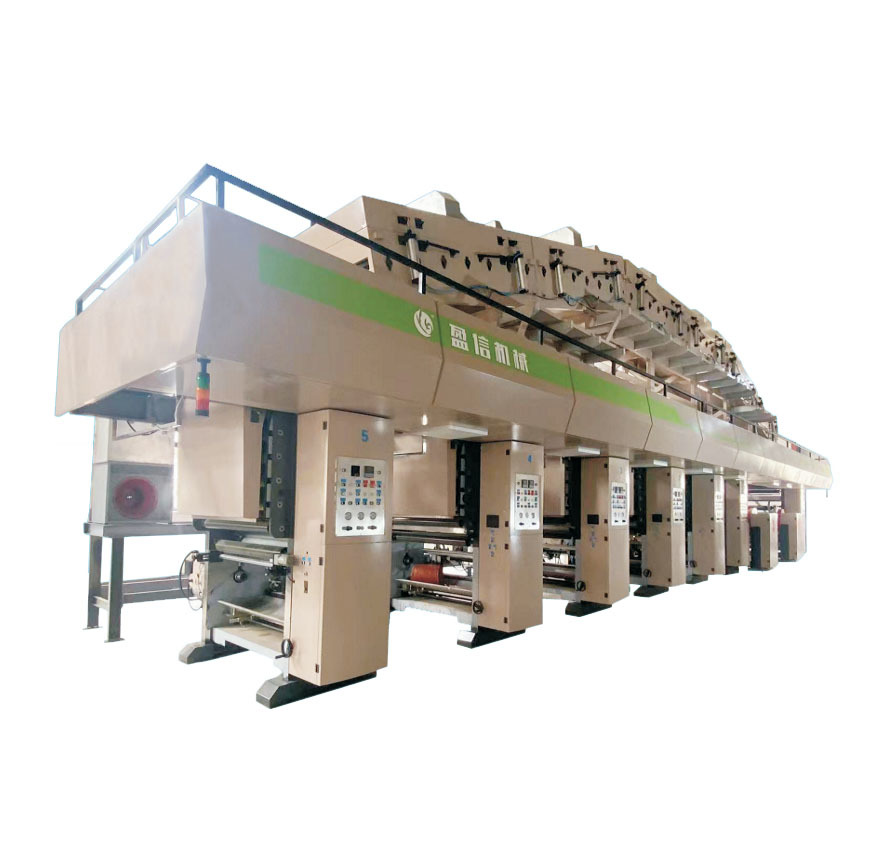
Film rotogravure machines are complex and sophisticated pieces of equipment designed specifically for high-speed printing. These machines consist of several key components that work in harmony to produce high-quality prints.
Key Components of Film Rotogravure Machines
- **Printing Cylinder**: The cylinder, engraved with the image, plays a pivotal role in transferring ink to the substrate.
- **Ink Reservoir**: This holds the liquid ink and supplies it to the cylinder during the printing process.
- **Web Guide**: This ensures that the film substrate is fed accurately through the machine, preventing misalignment.
- **Drying Unit**: This component dries the printed film rapidly, ensuring the final product is ready for use.
The Printing Process in Detail
The operation of film rotogravure machines can be divided into several stages:
1. **Set-Up**: The machine is set up with the desired engraving cylinder and ink.
2. **Start-Up**: The machine is started, and the film substrate is threaded through the machine.
3. **Printing**: The printing process begins, with the cylinder rotating and transferring the ink to the film.
4. **Finishing**: Post-printing processes, such as drying and cutting, are performed to complete the job.
4. Advantages of Film Rotogravure Printing
Film rotogravure printing offers several significant advantages that make it appealing for various applications.
High-Quality Output
One of the primary benefits of film rotogravure printing is its ability to produce **high-quality images** with excellent color fidelity. The engraved cylinders can achieve intricate details and smooth gradations, making them perfect for visually appealing designs.
Efficiency in Large Runs
Film rotogravure printing is particularly efficient for long print runs. Once the machine is set up, it can produce thousands of prints quickly, reducing production time and costs.
Versatility with Substrates
This printing method is compatible with a wide range of substrates, including **plastic films**, paper, and metallic stocks. This versatility allows businesses to cater to diverse customer needs.
5. Applications of Film Rotogravure Printing
Film rotogravure printing is utilized in various industries due to its superior print quality and efficiency.
Packaging Industry
In the packaging industry, rotogravure printing is widely used for producing colorful **flexible packaging** materials, such as bags, pouches, and wrappers. The ability to print on films ensures that products are not only well-protected but also visually appealing.
Label Printing
Film rotogravure printing is also utilized in producing high-quality labels for products. This includes everything from beverage labels to product packaging, where vibrant graphics can enhance brand visibility.
Textiles
Another application is in textile printing, where film rotogravure can produce stunning patterns and designs on fabric, creating unique products for fashion and home decor.
6. Maintenance and Care of Rotogravure Machines
Proper maintenance of film rotogravure machines is crucial for ensuring consistent print quality and prolonging the life of the equipment.
Regular Cleaning
Regular cleaning of the printing cylinder and ink reservoir is essential to prevent ink buildup, which can lead to print defects. Cleaning should be done after each printing job or at scheduled intervals.
Routine Inspections
Conducting routine inspections of the machine components can help identify wear and tear before they lead to significant issues. This includes checking for any signs of damage on the printing cylinder, web guide, and drying unit.
Calibration and Adjustments
Regular calibration of the machine settings is necessary to maintain print quality. Adjustments to ink viscosity, drying temperatures, and printing pressures may be required based on the substrate and printing conditions.
7. Common Issues and Solutions in Rotogravure Printing
While film rotogravure printing is highly efficient, operators may encounter some common issues.
Inconsistent Print Quality
Inconsistent print quality can often be traced back to issues with the ink or cylinder. Ensuring the ink is properly mixed and the cylinder is clean can mitigate this problem.
Registration Problems
Registration refers to the alignment of the print on the substrate. Misalignment can be caused by film stretching or improper setup. Regular checks and calibrations can help maintain proper registration.
Ink Drying Issues
If the ink does not dry properly, it can lead to smudging or transfer onto adjacent materials. Ensuring the drying unit functions correctly and adjusting drying times can resolve this issue.
8. The Future of Film Rotogravure Printing
The future of film rotogravure printing appears promising, with advancements in technology driving improvements in quality and efficiency.
Technological Innovations
As technology continues to evolve, new innovations in rotogravure printing machinery are expected to enhance speed and precision, making it an even more appealing option for manufacturers.
Environmental Considerations
With a growing focus on sustainability, the rotogravure printing industry is also moving towards eco-friendly inks and substrates, ensuring that it meets the demands of environmentally conscious consumers.
9. Frequently Asked Questions
What is the main difference between rotogravure and flexographic printing?
Rotogravure printing uses engraved cylinders for high-quality images, while flexographic printing employs flexible relief plates. This makes rotogravure more suitable for long runs and detailed images.
Can rotogravure printing be used for short runs?
Although rotogravure is optimized for large print runs, it can still be used for short runs, but it may not be the most cost-effective option compared to other printing methods.
What types of inks are used in film rotogravure printing?
Film rotogravure printing typically uses liquid inks, including solvent-based, water-based, and UV-curable inks, depending on the substrate and desired outcome.
How do I choose the right rotogravure machine for my needs?
Consider factors such as the volume of printing, the types of substrates you’ll use, and the quality of print required. Consulting with manufacturers can also provide valuable insights.
Is maintenance expensive for rotogravure machines?
While maintenance costs can vary, investing in regular maintenance is crucial for avoiding costly repairs and ensuring optimal performance of the rotogravure machine.
10. Conclusion
In conclusion, film rotogravure printing machines present an exceptional option for those seeking high-quality, efficient printing solutions. From their operational mechanics to their broad applications, understanding rotogravure technology can significantly enhance your printing endeavors. By embracing the advantages and addressing the common challenges associated with this printing method, businesses can leverage film rotogravure printing to achieve remarkable results. As technology continues to advance, the future of this printing technique promises to be even more exciting, making it an essential consideration for anyone involved in the printing industry.
Tag:
Blog

Top Features to Look for in an Intelligent Gravure Printing Machine


PRODUCT
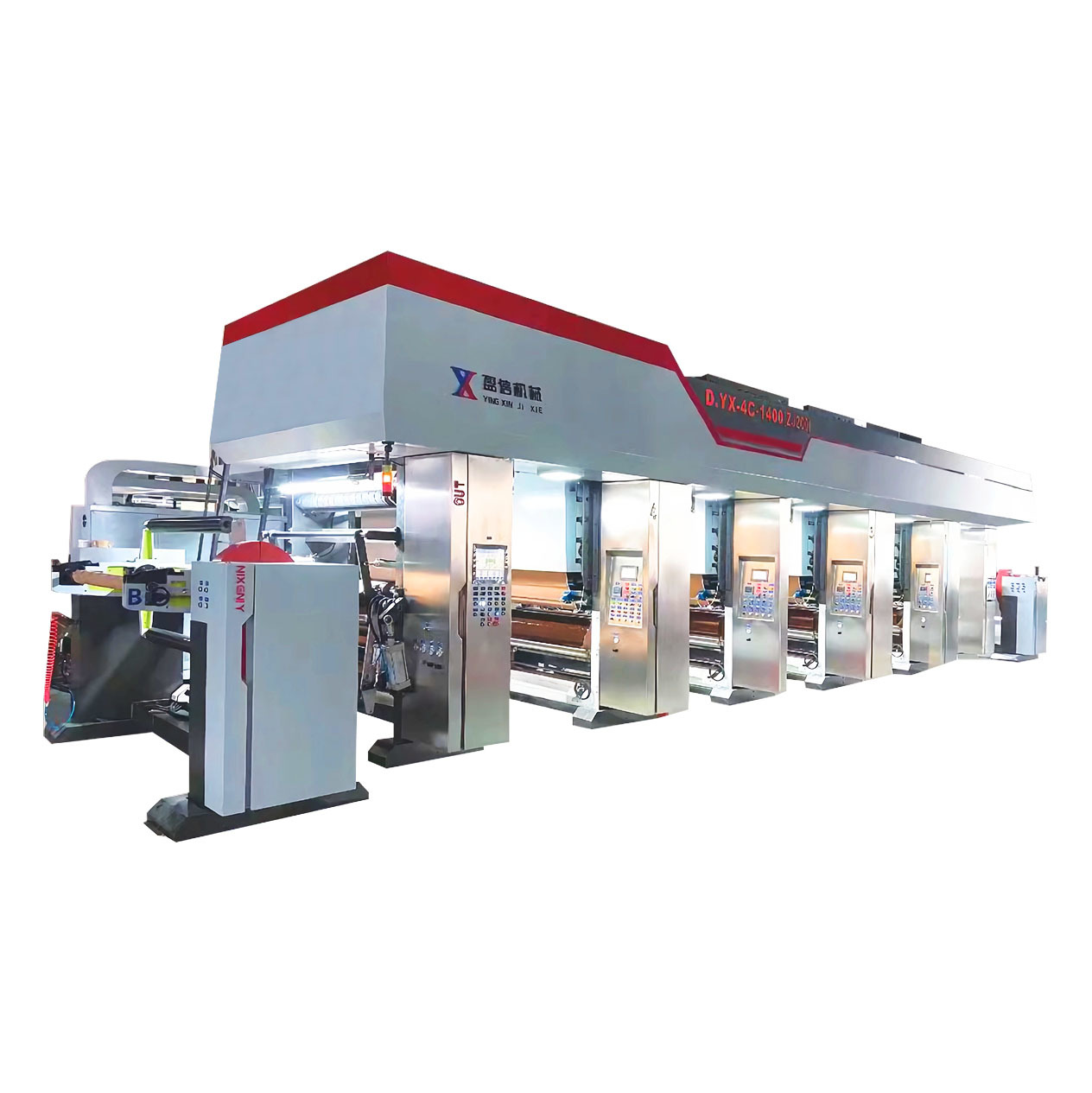
Best D.YX-4C-1400(ZJ200)Automatic gravure printing machine
message:Talk to an expert
WhatsApp:8618058732988
E-Mail:sales@yingxinmachinery.com
tel:+86-18058732988
Contact Us
1168 Jiuzhou Street, Linglong Street, Lin 'an District, Hangzhou City, Zhejiang Province
Mobile phone version
Copyright©Hangzhou Yingxin Machinery Co., Ltd.