

The Future of Printing: Enhancements in Decorative Paper Rotogravure Machines
The Future of Printing: Enhancements in Decorative Paper Rotogravure Machines Table of Contents 1. Introduction to Decorative Paper Rotogravure Machines 2. The Evolution of Rotogravure Technology 2.1 Historical Background of Rotogravure Printing 2.2 Key Advancements in Printing Technology 3. Enhancements in Decorative Paper Printing 3.1 Improved Print Quality and Precision 3.2 Spee
The Future of Printing: Enhancements in Decorative Paper Rotogravure Machines
Table of Contents
1. Introduction to Decorative Paper Rotogravure Machines
2. The Evolution of Rotogravure Technology
2.1 Historical Background of Rotogravure Printing
2.2 Key Advancements in Printing Technology
3. Enhancements in Decorative Paper Printing
3.1 Improved Print Quality and Precision
3.2 Speed and Efficiency in Production
4. Sustainable Practices in Rotogravure Printing
4.1 Eco-Friendly Inks and Materials
4.2 Waste Reduction Techniques
5. Market Trends Influencing the Future of Decorative Printing
5.1 The Rise of Customization
5.2 Integration of Digital Technologies
6. Challenges Facing the Rotogravure Printing Industry
6.1 Competition from Digital Printing Methods
6.2 Regulatory Pressures and Compliance
7. Case Studies: Innovations in Decorative Paper Rotogravure
8. FAQs about Decorative Paper Rotogravure Machines
9. Conclusion: The Path Forward for Rotogravure Technology
1. Introduction to Decorative Paper Rotogravure Machines
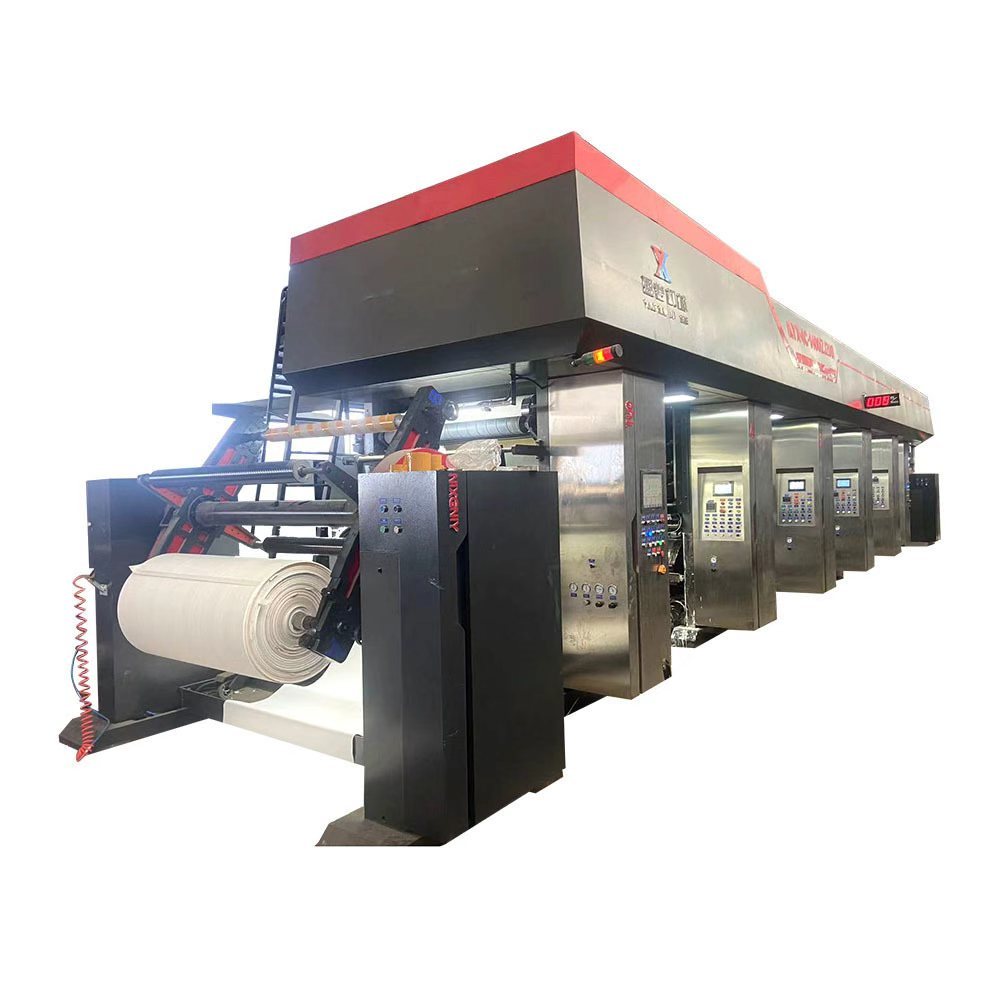
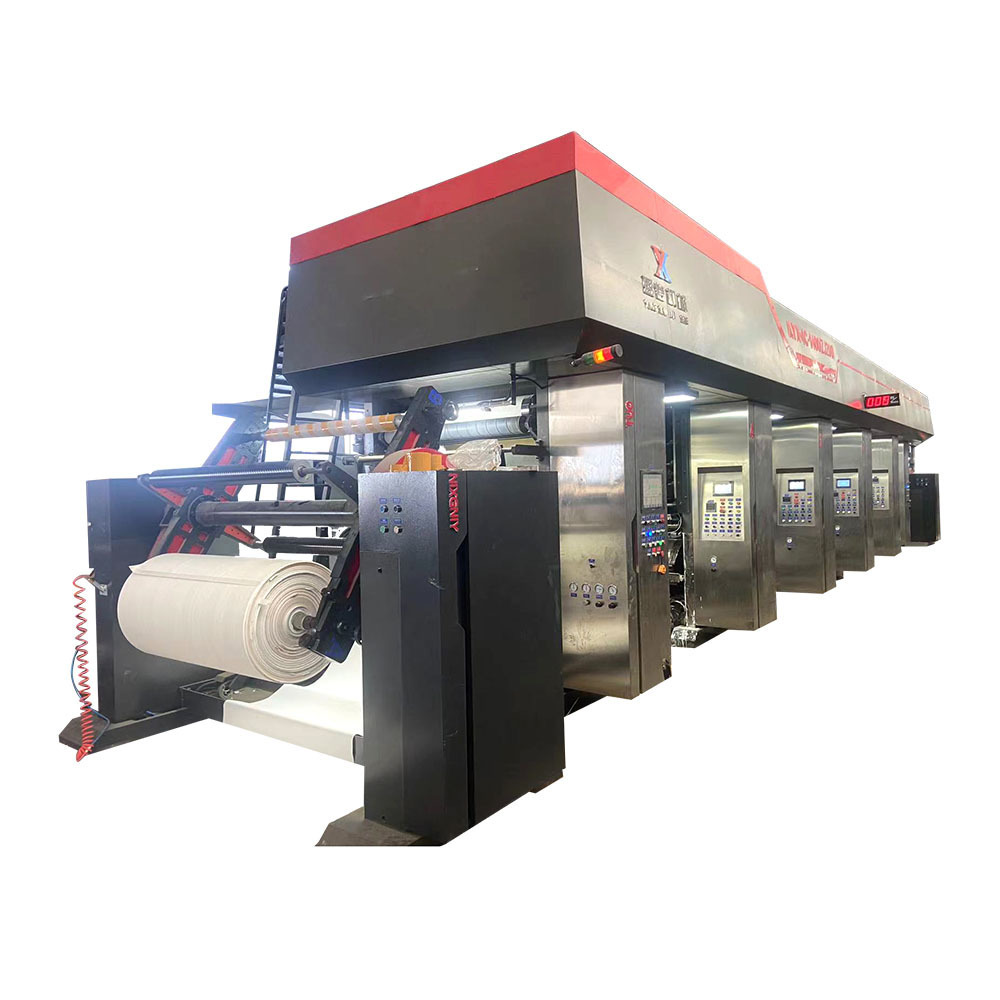
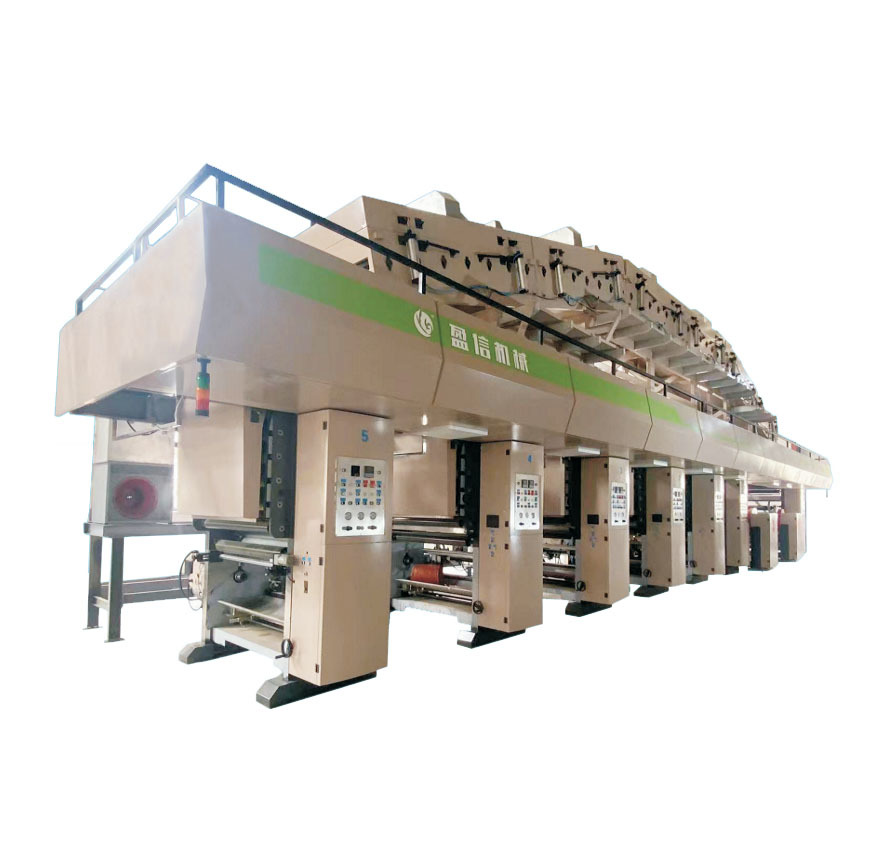
Decorative paper rotogravure machines play a pivotal role in the printing industry, particularly in producing high-quality prints for packaging, wallpapers, and specialized decorative materials. These machines operate on the principle of gravure printing, where images are engraved onto a cylinder, allowing for precise ink transfer to various substrates. As the demand for high-quality printed materials grows, the enhancements in decorative paper rotogravure machines promise to revolutionize the sector, offering improved quality, speed, and sustainability.
2. The Evolution of Rotogravure Technology
The history of rotogravure technology dates back to the early 20th century when it emerged as a solution for high-volume printing needs. Over the decades, the technology has undergone significant transformations, adopting innovations that enhance both the quality and efficiency of the printing process.
2.1 Historical Background of Rotogravure Printing
Initially, rotogravure printing was limited to newspapers and publications. However, with advancements in photographic technology and ink formulations, it quickly gained popularity in commercial printing. The introduction of electric and automated systems in the late 20th century further propelled its adoption, paving the way for decorative applications.
2.2 Key Advancements in Printing Technology
Modern decorative paper rotogravure machines are equipped with cutting-edge features such as computerized controls, high-speed capabilities, and real-time monitoring systems. These technological advancements allow for increased production rates while maintaining exceptional color fidelity and consistency across large print runs.
3. Enhancements in Decorative Paper Printing
As we delve into the enhancements shaping decorative paper rotogravure machines, two key areas stand out: print quality and production efficiency.
3.1 Improved Print Quality and Precision
The latest rotogravure machines utilize advanced engraving techniques that ensure fine detail and vibrant colors in prints. High-resolution image capture technology coupled with state-of-the-art engraving cylinders allows for the reproduction of intricate designs with stunning clarity.
3.2 Speed and Efficiency in Production
One of the most notable enhancements in recent years has been the increase in production speeds. Today’s machines can achieve unparalleled throughput, significantly reducing lead times for clients. The integration of automatic web cleaning and tension control systems also contributes to seamless operations, minimizing downtime and enhancing overall productivity.
4. Sustainable Practices in Rotogravure Printing
As sustainability becomes a crucial consideration in manufacturing, the printing industry is no exception. Enhancements in decorative paper rotogravure machines now focus on eco-friendly practices.
4.1 Eco-Friendly Inks and Materials
The shift towards using biodegradable and sustainable inks has gained momentum. Modern rotogravure machines are increasingly compatible with water-based inks and other eco-friendly materials, reducing the environmental impact of the printing process without sacrificing quality.
4.2 Waste Reduction Techniques
Advanced technologies now enable printers to implement waste reduction strategies effectively. By optimizing ink usage and minimizing substrate waste, decorative paper rotogravure machines contribute to more sustainable production processes, aligning with global efforts to reduce waste in manufacturing.
5. Market Trends Influencing the Future of Decorative Printing
The landscape of decorative printing is continuously evolving, driven by market demands and technological advancements.
5.1 The Rise of Customization
Consumers increasingly seek personalized and customized products, leading to a demand for flexible printing solutions. Decorative paper rotogravure machines are adapting to this trend by offering short-run capabilities that allow for varied designs, textures, and finishes to cater to individual client needs.
5.2 Integration of Digital Technologies
The convergence of digital and traditional printing techniques is reshaping the industry. Rotogravure machines are now being integrated with digital printing technologies to combine the strengths of both methods. This hybrid approach enables printers to achieve high-quality results while maintaining the flexibility to respond quickly to market changes.
6. Challenges Facing the Rotogravure Printing Industry
Despite the advancements, the decorative paper rotogravure industry faces several challenges that must be addressed.
6.1 Competition from Digital Printing Methods
As digital printing technology continues to advance, it poses a competitive threat to traditional methods like rotogravure. Printers must find ways to differentiate their offerings, emphasizing the unique benefits of rotogravure, such as superior quality and cost-effectiveness for large runs.
6.2 Regulatory Pressures and Compliance
The printing industry is subject to stringent regulations regarding emissions and waste disposal. Compliance with these regulations can be challenging and requires ongoing investment in equipment and processes that minimize environmental impact.
7. Case Studies: Innovations in Decorative Paper Rotogravure
Several companies have embraced advancements in decorative paper rotogravure technology to enhance their offerings. By implementing state-of-the-art machines and sustainable practices, these firms have successfully navigated the competitive landscape, setting examples for others in the industry. For instance, a leading packaging company adopted a new rotogravure machine that significantly increased its production capacity while reducing ink consumption by over 30%, demonstrating the tangible benefits of modern technology.
8. FAQs about Decorative Paper Rotogravure Machines
Q1: What is a decorative paper rotogravure machine?
A decorative paper rotogravure machine is a printing device that uses a gravure printing process to produce high-quality decorative prints on various substrates.
Q2: How does rotogravure printing differ from other printing methods?
Rotogravure printing involves engraving images onto a cylinder, allowing for precise ink transfer. This method is ideal for high-volume projects due to its speed and print quality.
Q3: What are the benefits of using eco-friendly inks in rotogravure printing?
Eco-friendly inks reduce the environmental impact of printing operations, are often safer for workers, and meet increasing consumer demand for sustainable products.
Q4: Can rotogravure machines accommodate short print runs?
Yes, modern decorative paper rotogravure machines are designed to handle short print runs, offering flexibility and customization options to meet diverse customer needs.
Q5: What trends are shaping the future of decorative paper printing?
Key trends include increased customization, the integration of digital technologies, and a strong focus on sustainability practices in the printing process.
9. Conclusion: The Path Forward for Rotogravure Technology
The future of decorative paper rotogravure machines is bright, driven by continuous enhancements in technology, sustainability, and market adaptability. As the industry evolves, embracing these advancements will be crucial for maintaining competitiveness and meeting the ever-changing demands of consumers. By investing in innovative solutions, the decorative paper printing sector can look forward to a future that promises not just efficiency and quality, but also a commitment to sustainable practices that align with global environmental goals.
Tag:
Blog

Top Features to Look for in an Intelligent Gravure Printing Machine


PRODUCT
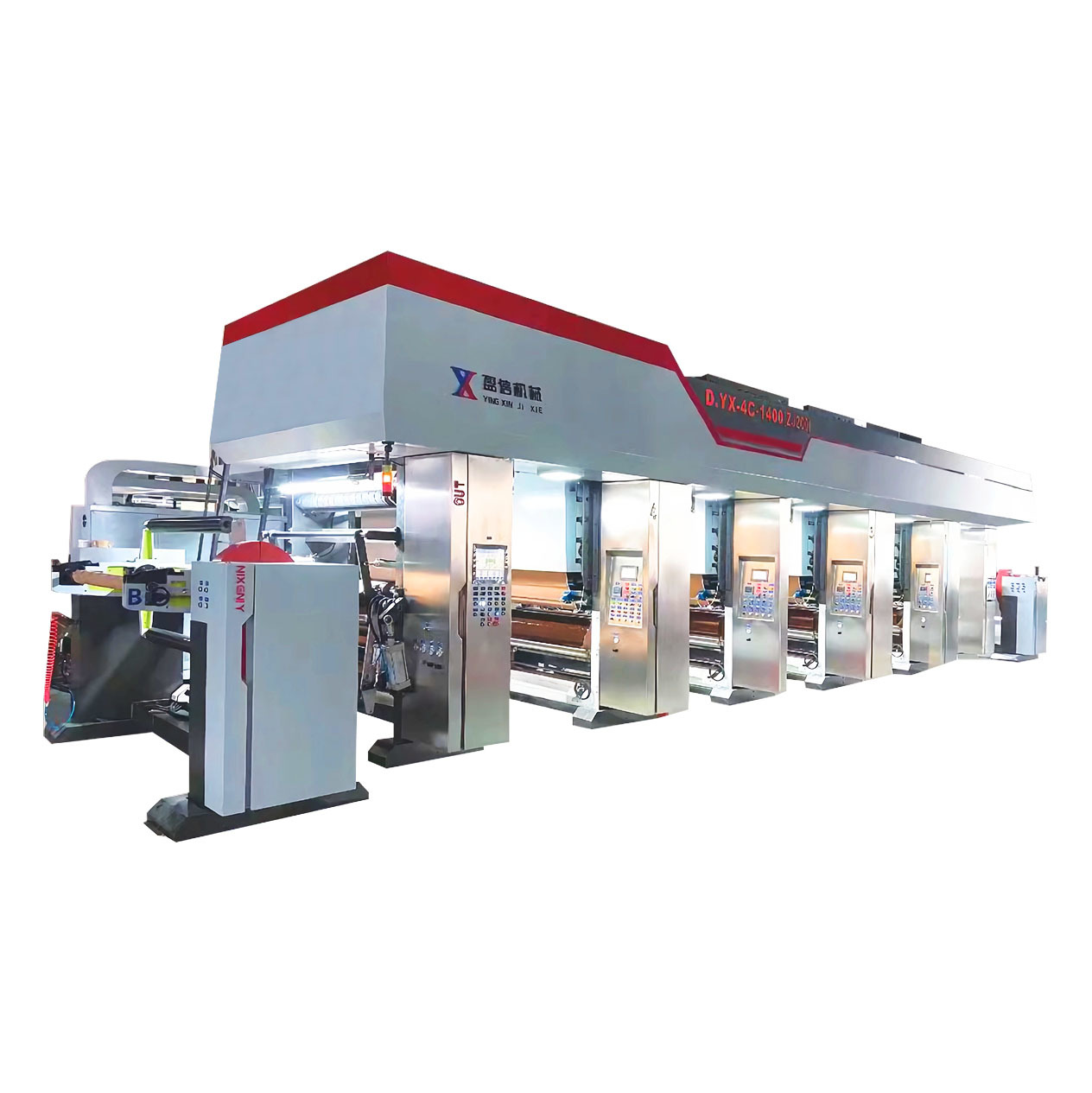
Best D.YX-4C-1400(ZJ200)Automatic gravure printing machine
message:Talk to an expert
WhatsApp:8618058732988
E-Mail:sales@yingxinmachinery.com
tel:+86-18058732988
Contact Us
1168 Jiuzhou Street, Linglong Street, Lin 'an District, Hangzhou City, Zhejiang Province
Mobile phone version
Copyright©Hangzhou Yingxin Machinery Co., Ltd.