

Understanding the Mechanics of Pattern Gravure Printing Machines: A Comprehensive Guide
Understanding the Mechanics of Pattern Gravure Printing Machines Table of Contents 1. Introduction to Pattern Gravure Printing 2. A Brief History of Gravure Printing Technology 3. The Mechanics Behind Pattern Gravure Printing Machines 4. Key Components of Gravure Printing Machines 4.1 Engraving Cylinder 4.2 Ink System 4.3 Substrate Feed
Understanding the Mechanics of Pattern Gravure Printing Machines
Table of Contents
- 1. Introduction to Pattern Gravure Printing
- 2. A Brief History of Gravure Printing Technology
- 3. The Mechanics Behind Pattern Gravure Printing Machines
- 4. Key Components of Gravure Printing Machines
- 5. Applications of Pattern Gravure Printing
- 6. Advantages of Gravure Printing Technology
- 7. Challenges and Innovations in Gravure Printing
- 8. The Future of Pattern Gravure Printing Machines
- 9. Frequently Asked Questions
- 10. Conclusion
1. Introduction to Pattern Gravure Printing
Pattern gravure printing is a highly sophisticated method of printing that employs engraved cylinders to transfer ink onto various substrates. This technology is widely used in high-volume production environments, making it an essential component in industries such as packaging, textiles, and publishing. **Understanding the mechanics** behind this process not only enhances our appreciation of its applications but also aids in optimizing productivity and quality.
2. A Brief History of Gravure Printing Technology
The origins of gravure printing can be traced back to the 19th century when it was first used for printing banknotes. Over the decades, this method has evolved significantly, particularly with the advent of modern engraving technologies. The introduction of **copper and chrome plating techniques** in the mid-20th century allowed for finer details and higher quality prints, establishing gravure printing as a preferred choice for high-quality reproductions.
3. The Mechanics Behind Pattern Gravure Printing Machines
Gravure printing operates on a straightforward yet efficient principle. The process begins with the engraving of an image onto a rotating cylinder. As the cylinder rotates, it dips into an ink reservoir, filling the engraved cells with ink. The excess ink is removed via a doctor blade, ensuring that only the ink within the cells is transferred to the substrate. This method allows for **high-speed printing** with remarkable precision.
4. Key Components of Gravure Printing Machines
Understanding the components of gravure printing machines is crucial for grasping how they function effectively. The major components include:
4.1 Engraving Cylinder
The engraving cylinder is the heart of the gravure printing machine. It is typically made of steel and is engraved with microscopic cells that hold the ink. The depth and size of these cells can be varied to achieve different ink transfer qualities, allowing for flexibility in printing designs.
4.2 Ink System
The ink system in gravure printing is designed to accommodate various types of ink, including solvent-based, water-based, and UV inks. The choice of ink significantly affects drying time, color vibrancy, and adhesion properties. An efficient ink circulation system ensures a constant flow of ink to the engraving cylinder.
4.3 Substrate Feeding Mechanism
The substrate feeding mechanism plays a vital role in ensuring that the material being printed on is fed smoothly and consistently through the printing machine. This component is crucial for maintaining registration and alignment during the printing process, which is essential for achieving high-quality outputs.
4.4 Drying System
After the ink is applied to the substrate, it must be dried quickly to prevent smudging and ensure that subsequent printing passes can occur without issues. Various drying techniques, including hot air drying, infrared drying, and UV curing, are used to expedite this process. The choice of drying method can significantly influence the final product's quality.
5. Applications of Pattern Gravure Printing
Pattern gravure printing is utilized in a multitude of applications, offering versatility across various industries. Some of the most common applications include:
- **Flexible Packaging**: The food and beverage industry relies heavily on gravure printing for producing high-quality packaging that is visually appealing while maintaining product freshness.
- **Decorative Printing**: Gravure printing is often used for wallpaper, gift wrap, and other decorative materials due to its ability to produce intricate designs.
- **Textile Printing**: The textile industry benefits from gravure printing’s capacity for vibrant colors and detailed patterns, making it suitable for fashion and home textiles.
- **Publication Printing**: Magazines and catalogs often utilize gravure printing for its ability to produce high-quality images and text, resulting in eye-catching publications.
6. Advantages of Gravure Printing Technology
Gravure printing offers several advantages over other printing methods, including:
- **High Quality**: The precision of the engraved cylinder allows for sharp images and consistent color reproduction.
- **Fast Production Rates**: Gravure printing is known for its high-speed capabilities, making it ideal for large volume runs.
- **Versatile Substrates**: It can print on a variety of materials, including paper, plastic, and metal.
- **Cost Efficiency**: While initial setup costs can be high, the efficiency of gravure printing often results in lower costs per unit for large runs.
7. Challenges and Innovations in Gravure Printing
Despite its advantages, gravure printing faces some challenges. These include:
- **Initial Setup Costs**: Creating engraved cylinders can be expensive and time-consuming, making it less ideal for short runs.
- **Environmental Concerns**: The use of solvent-based inks raises environmental issues, prompting a shift towards more eco-friendly ink options.
- **Technology Adaptation**: As digital printing technologies advance, gravure printing must adapt to stay relevant and competitive.
Recent innovations focus on integrating digital technologies with traditional gravure processes, leading to enhanced efficiency and reduced waste.
8. The Future of Pattern Gravure Printing Machines
Looking ahead, the future of pattern gravure printing machines appears promising. As sustainability becomes a more significant concern, innovations in eco-friendly inks and substrates are likely to emerge. Additionally, advancements in **automation** and **digital integration** will make gravure printing even more efficient and adaptable to market needs.
9. Frequently Asked Questions
What is the main advantage of gravure printing?
The primary advantage of gravure printing is its ability to produce high-quality prints at high speeds, making it ideal for large-scale production.
How does gravure printing compare to flexographic printing?
While both gravure and flexographic printing are used for packaging, gravure printing generally offers better image quality and color consistency, particularly for photographic images.
Can gravure printing be used for short runs?
Gravure printing is most cost-effective for long runs due to the high setup costs associated with engraving cylinders.
What types of substrates can be used with gravure printing?
Gravure printing can be used on a wide range of substrates including paper, plastic films, metal foils, and textiles.
What innovations are currently shaping the gravure printing industry?
Current innovations include the development of eco-friendly inks, digital printing integration, and advancements in cylinder engraving technology.
10. Conclusion
In summary, understanding the mechanics of pattern gravure printing machines reveals the depth and complexity of this printing technology. From its historical evolution to its current applications and future potential, gravure printing stands as a testament to innovation in the manufacturing sector. As industry demands continue to evolve, gravure printing will adapt, ensuring it remains a vital component in the world of printing. Embracing sustainability and technological advancements will pave the way for its continued success in various applications.
Tag:
Blog

Top Features to Look for in an Intelligent Gravure Printing Machine


PRODUCT
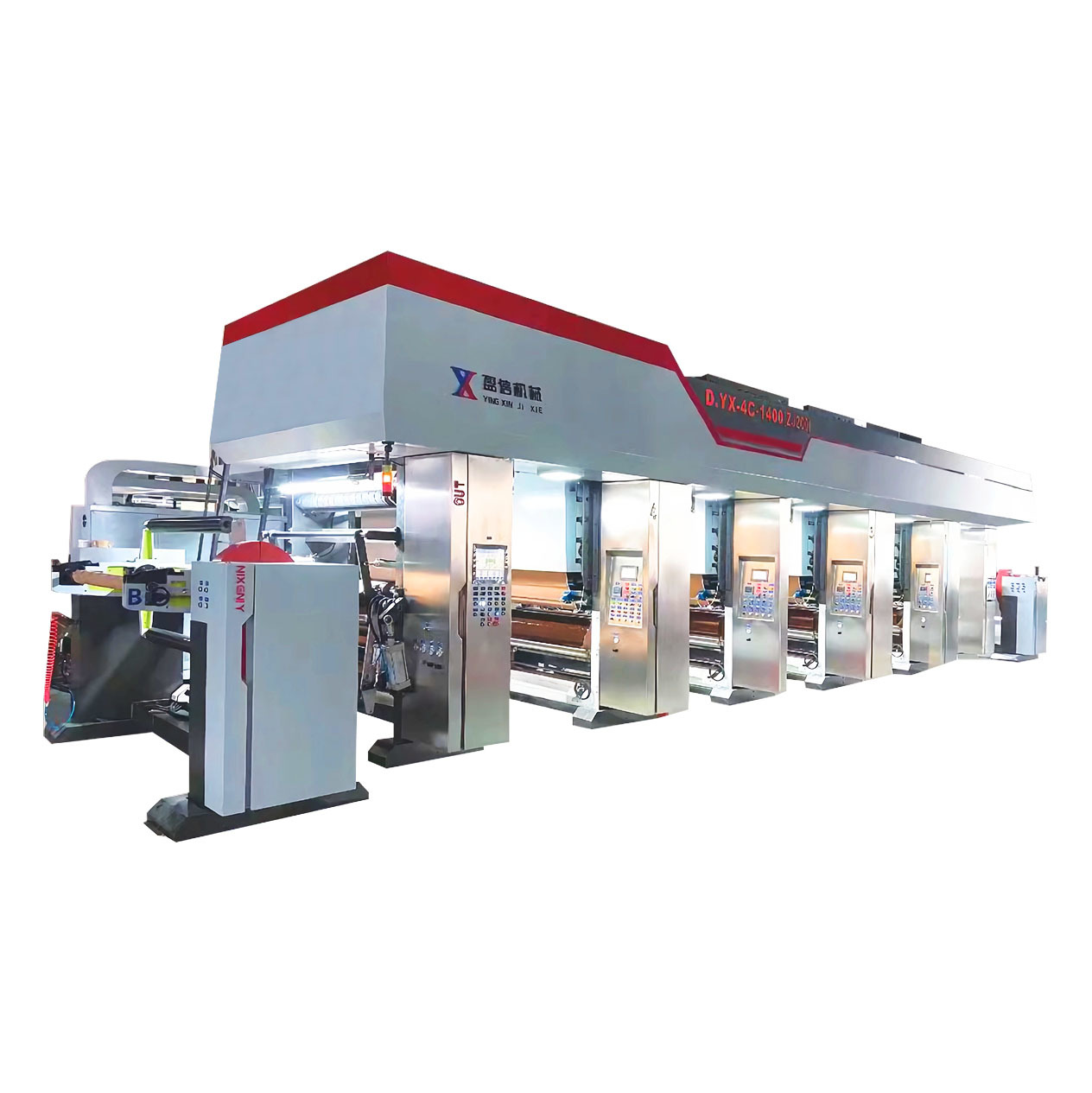
Best D.YX-4C-1400(ZJ200)Automatic gravure printing machine
message:Talk to an expert
WhatsApp:8618058732988
E-Mail:sales@yingxinmachinery.com
tel:+86-18058732988
Contact Us
1168 Jiuzhou Street, Linglong Street, Lin 'an District, Hangzhou City, Zhejiang Province
Mobile phone version
Copyright©Hangzhou Yingxin Machinery Co., Ltd.