

The Future of Packaging: Innovations in Film Rotogravure Printing
The Future of Packaging: Innovations in Film Rotogravure Printing Table of Contents Introduction to Film Rotogravure Printing The Role of Rotogravure Printing in Packaging Key Innovations in Film Rotogravure Printing Advancements in Technology Sustainable Practices Benefits of Film Rotogravure Printing Challenges in the Rotogravur
The Future of Packaging: Innovations in Film Rotogravure Printing
Table of Contents
- Introduction to Film Rotogravure Printing
- The Role of Rotogravure Printing in Packaging
- Key Innovations in Film Rotogravure Printing
- Benefits of Film Rotogravure Printing
- Challenges in the Rotogravure Process
- Future Trends and Predictions
- Case Studies of Successful Implementations
- Conclusion
- FAQs about Film Rotogravure Printing
Introduction to Film Rotogravure Printing
Film rotogravure printing is a highly efficient and versatile printing technique widely utilized in the packaging industry. As consumer demands evolve, this method is adapting to meet the challenges of today’s market. Its ability to produce high-quality images and vibrant colors on flexible packaging materials positions it as a key player in the future of packaging. In this article, we will explore the innovations in film rotogravure printing and how they are reshaping the packaging landscape.
The Role of Rotogravure Printing in Packaging
Rotogravure printing is integral to the packaging industry, particularly in producing flexible packaging materials such as pouches, bags, and labels. This method employs a unique cylinder engraving process, allowing for precise and consistent printing quality. As we look to the future, rotogravure printing continues to evolve, playing a crucial role in enhancing brand visibility and sustainability.
Key Innovations in Film Rotogravure Printing
The world of film rotogravure printing is witnessing significant innovations that enhance efficiency, quality, and sustainability.
Advancements in Technology
Recent technological advancements have revolutionized the rotogravure printing process. Innovations include:
- **Enhanced Cylinder Engraving Techniques**: Modern engraving methods, such as laser engraving, provide greater precision and allow for intricate designs that were previously unattainable. This results in superior print quality and reduces material waste.
- **Digital Integration**: The integration of digital technologies in the rotogravure process facilitates shorter print runs and personalized packaging solutions. Brands can quickly respond to market demands without incurring significant costs.
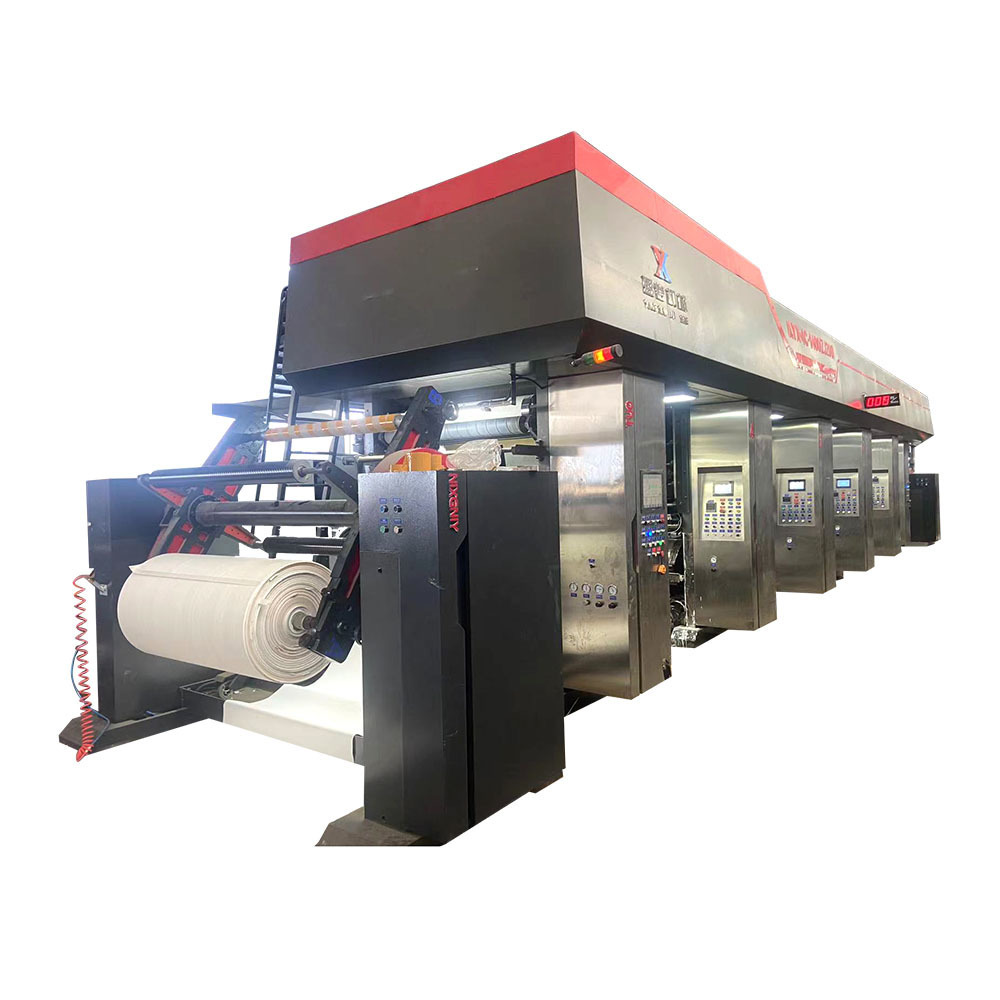
- **Improved Press Designs**: New press designs incorporate automation and advanced controls, enhancing the overall efficiency of the printing process. This leads to reduced downtime and increased production rates.
Sustainable Practices
Sustainability is at the forefront of packaging innovations. The film rotogravure printing industry is adopting several sustainable practices, including:
- **Eco-Friendly Inks**: The use of water-based and soy-based inks is on the rise, reducing the environmental impact of the printing process. These inks are less harmful to the environment compared to traditional solvent inks.
- **Recyclable and Biodegradable Materials**: Packaging manufacturers are increasingly using recyclable and biodegradable films, aligning with global sustainability goals. This shift not only minimizes waste but also appeals to eco-conscious consumers.
- **Energy Efficiency**: New printing technologies are designed to consume less energy, further contributing to sustainability efforts within the packaging industry.
Benefits of Film Rotogravure Printing
The film rotogravure printing process offers numerous advantages that make it a preferred choice for many packaging manufacturers:
- **High Print Quality**: The rotogravure method produces sharp, high-resolution images with vibrant colors. This is crucial for branding and consumer appeal.
- **Versatility**: Rotogravure printing is compatible with various substrates, including plastic films, paper, and aluminum foil. This versatility allows for diverse applications across different industries.
- **Cost-Effectiveness for Large Runs**: While the initial setup costs can be higher than other printing methods, rotogravure becomes cost-effective for large production runs due to its efficiency and speed.
Challenges in the Rotogravure Process
Despite its advantages, the rotogravure printing process faces several challenges:
- **High Initial Setup Costs**: The cost of producing engraved cylinders can be prohibitive for small businesses or low-volume projects. This often limits the use of rotogravure printing to larger runs.
- **Long Lead Times**: The engraving process for cylinders can be time-consuming, resulting in longer lead times for production. This can be a disadvantage in fast-paced markets that require quick turnarounds.
- **Limited Flexibility for Small Batches**: Rotogravure is not as adaptable for small batch runs as other printing methods, such as digital printing. This can present challenges for brands looking to test new products or designs.
Future Trends and Predictions
The future of film rotogravure printing is poised for exciting developments that will shape the packaging industry. Key trends include:
- **Increased Use of Automation**: The integration of AI and automation in the rotogravure process will streamline operations, enhance quality control, and reduce labor costs.
- **Focus on Customization**: As consumer preferences shift towards personalized products, the demand for customizable packaging solutions will rise, encouraging advancements in rotogravure printing technology.
- **Sustainable Innovations**: The continued push for sustainability will drive further innovations in eco-friendly materials and inks, ensuring that the rotogravure process remains aligned with environmental goals.
Case Studies of Successful Implementations
Several companies have successfully implemented innovations in film rotogravure printing, showcasing its potential in the packaging industry:
- **Case Study 1: Leading Snack Brand**: A major snack manufacturer adopted eco-friendly inks and biodegradable films in their rotogravure packaging. This not only enhanced their brand image but also significantly reduced their carbon footprint.
- **Case Study 2: Beverage Packaging**: A beverage company utilized advanced cylinder engraving techniques to create intricate designs on their packaging. This resulted in increased shelf visibility and higher sales.
- **Case Study 3: Personal Care Products**: A personal care brand implemented digital integration in their rotogravure process, allowing for quick adjustments to packaging designs. This flexibility helped them to quickly respond to market trends and consumer preferences.
Conclusion
The future of packaging is being reshaped by innovations in film rotogravure printing. As advancements in technology and sustainability practices continue to evolve, this printing method is gaining prominence in the packaging industry. With its ability to produce high-quality, versatile, and eco-friendly packaging solutions, rotogravure printing is not just keeping pace with market demands but is leading the charge towards a sustainable future. By embracing these innovations, businesses can enhance their brand visibility, reduce environmental impact, and meet the ever-changing needs of consumers.
FAQs about Film Rotogravure Printing
1. What is film rotogravure printing?
Film rotogravure printing is a high-speed printing process that uses engraved cylinders to transfer ink onto flexible packaging materials. It is known for producing vibrant colors and high-quality images.
2. What are the advantages of rotogravure printing over other methods?
Rotogravure printing offers high print quality, versatility with various substrates, and cost-effectiveness for large production runs, making it a preferred choice for many packaging applications.
3. How does sustainable practice play a role in rotogravure printing?
Sustainability in rotogravure printing includes the use of eco-friendly inks, recyclable materials, and energy-efficient technologies, which help reduce environmental impact.
4. What challenges does the rotogravure printing process face?
Challenges include high initial setup costs, long lead times for cylinder engraving, and limited flexibility for small batch runs compared to other methods.
5. What trends can we expect in the future of film rotogravure printing?
Future trends include increased automation, a focus on customization, and ongoing innovations in sustainable practices, all aimed at enhancing efficiency and meeting consumer demands.
Tag:
Blog

Top Features to Look for in an Intelligent Gravure Printing Machine


PRODUCT
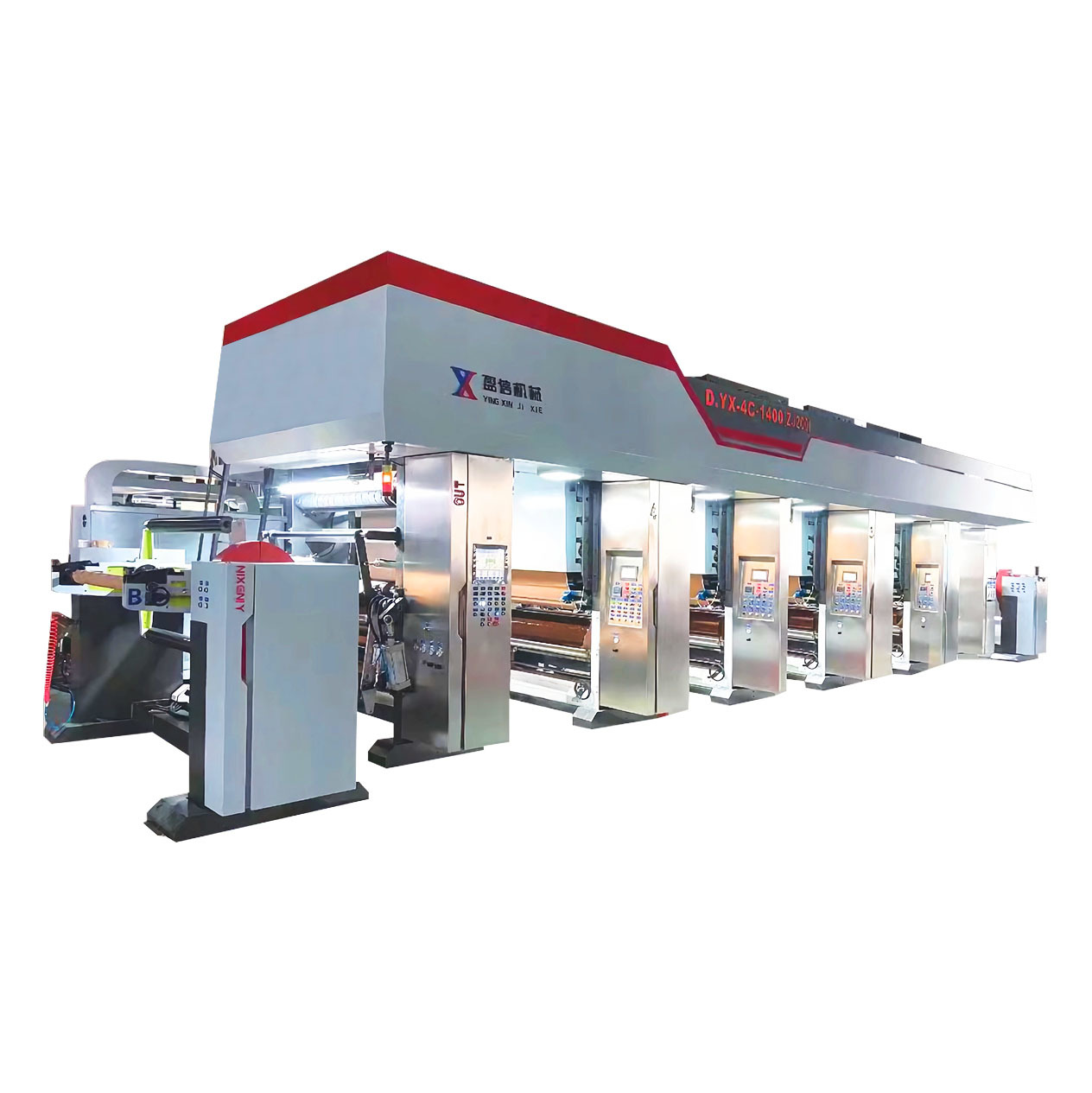
Best D.YX-4C-1400(ZJ200)Automatic gravure printing machine
message:Talk to an expert
WhatsApp:8618058732988
E-Mail:sales@yingxinmachinery.com
tel:+86-18058732988
Contact Us
1168 Jiuzhou Street, Linglong Street, Lin 'an District, Hangzhou City, Zhejiang Province
Mobile phone version
Copyright©Hangzhou Yingxin Machinery Co., Ltd.