

Exploring the Versatility of Pattern Gravure Printing Applications: A Comprehensive Guide
Exploring the Versatility of Pattern Gravure Printing Applications Table of Contents What is Pattern Gravure Printing? A Brief History of Gravure Printing How Pattern Gravure Printing Works Benefits of Pattern Gravure Printing Applications in Various Industries Packaging Industry Textiles and Fashion Decorative Printing
Exploring the Versatility of Pattern Gravure Printing Applications
Table of Contents
- What is Pattern Gravure Printing?
- A Brief History of Gravure Printing
- How Pattern Gravure Printing Works
- Benefits of Pattern Gravure Printing
- Applications in Various Industries
- Future Trends in Pattern Gravure Printing
- Common FAQs About Pattern Gravure Printing
- Conclusion
What is Pattern Gravure Printing?
Pattern gravure printing is an advanced rotary printing technique utilizing engraved cylinders to transfer ink onto a variety of substrates. This method is known for its ability to produce high-quality images and patterns with precision and consistency. It’s particularly popular in sectors where vibrant colors and fine details are essential, making it a top choice for many manufacturers.
A Brief History of Gravure Printing
The origins of gravure printing can be traced back to the early 19th century. Initially employed for book illustrations, it evolved significantly over time. By the mid-20th century, gravure printing gained traction in commercial applications, particularly in packaging and publishing. This evolution was fueled by advancements in technology, enabling faster production speeds and improved print quality.
How Pattern Gravure Printing Works
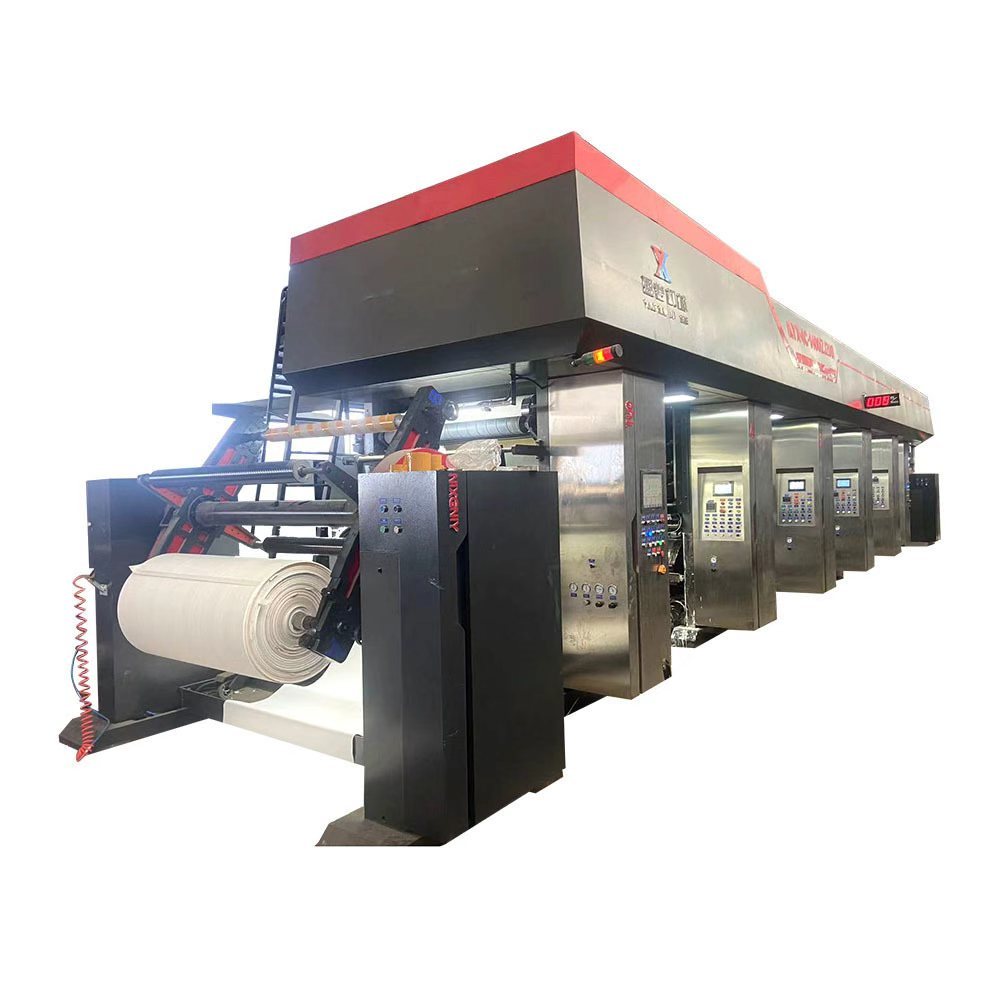
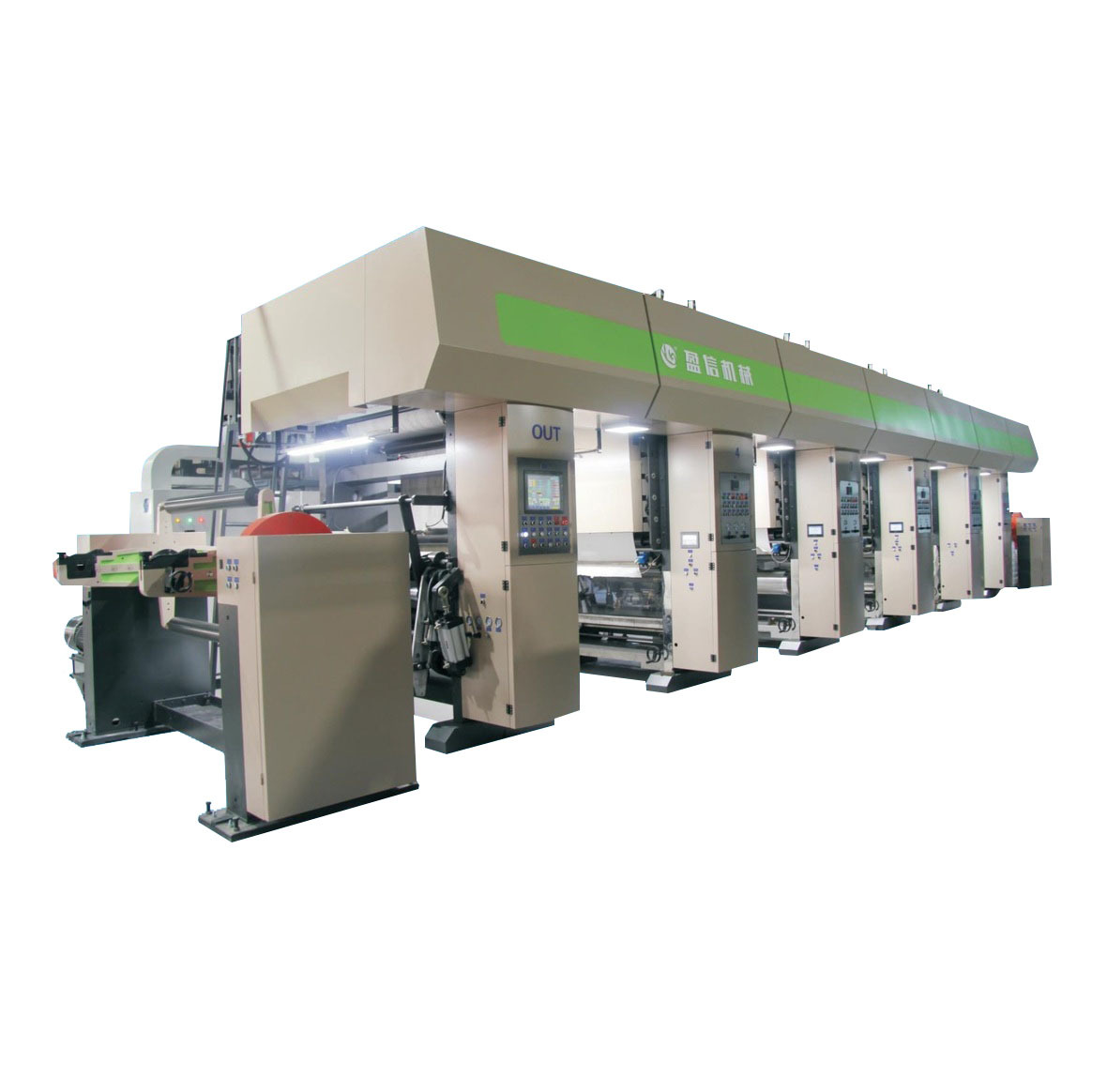
In gravure printing, images are etched onto a cylinder made from materials like copper or chromium. The engraving process creates tiny cells that hold the ink. During production, the cylinder rotates through an ink trough, filling the cells with ink. A doctor blade then scrapes the surface, removing excess ink and leaving only the ink within the cells. As the substrate moves beneath the cylinder, the ink is transferred, creating stunning prints.
The Engraving Process
Engraving can be done through various methods, including traditional chemical etching, laser engraving, and electronic engraving. Each technique offers unique advantages, such as precision and the ability to create complex patterns.
Ink Technology in Gravure Printing
The inks used in gravure printing are specially formulated to ensure optimal adhesion and vibrancy. Solvent-based inks are commonly used for flexible packaging, while water-based inks are preferred for applications requiring eco-friendliness.
Benefits of Pattern Gravure Printing
Pattern gravure printing boasts several advantages that set it apart from other printing methods. These benefits include:
High Quality and Consistency
Gravure printing excels in producing high-quality prints with vibrant colors and fine details. The rotary nature of the process ensures consistency across long print runs, making it ideal for large-scale production.
Versatility of Substrates
This printing technique can be applied to a wide range of materials, including paper, plastic films, metal foils, and textiles. Its adaptability allows manufacturers to explore diverse applications without switching printing methods.
Efficiency in High Volume Production
Gravure’s ability to produce high-quality prints at rapid speeds makes it a cost-effective solution for high-volume tasks. This efficiency significantly reduces production times, meeting the demands of today’s fast-paced market.
Applications in Various Industries
The versatility of pattern gravure printing extends across various sectors. Here are some notable applications:
Packaging Industry
Gravure printing dominates the packaging sector, particularly for flexible packaging materials like bags, wrappers, and pouches. Its capability to produce intricate designs and vivid colors enhances product appeal, attracting consumers and boosting sales.
Textiles and Fashion
In the textile industry, gravure printing is used to create stunning patterns and designs on fabrics. This application is particularly popular in the fashion world, where unique designs can set brands apart from competitors.
Decorative Printing
Gravure printing is also employed in decorative applications, such as wallpaper and wrapping paper. The ability to achieve high-definition prints allows for creative expression and innovation in design.
Electronic Circuit Boards
Another emerging application of gravure printing is in the production of electronic circuit boards (PCBs). The precision and fine detail achievable with gravure printing make it suitable for creating intricate circuit patterns, which are essential in modern electronics.
Future Trends in Pattern Gravure Printing
The future of pattern gravure printing looks promising, with several trends shaping its evolution:
Sustainability and Eco-Friendly Practices
As environmental concerns grow, gravure printing is adopting more sustainable practices. The use of water-based inks and recyclable substrates is becoming increasingly common, aligning with the global push towards sustainability.
Integration of Technology
Advancements in technology, such as digital engraving and automation, are set to revolutionize gravure printing. These innovations will enhance efficiency and reduce costs, making gravure a more accessible option for businesses of all sizes.
Customization and Personalization
The demand for personalized products is on the rise. Gravure printing's capacity for intricate designs enables manufacturers to offer customized solutions, catering to individual customer preferences.
Common FAQs About Pattern Gravure Printing
What is the difference between gravure printing and other printing methods?
Gravure printing uses engraved cylinders to transfer ink, providing high-quality prints with precision. In contrast, methods like flexography use flexible plates, which may not achieve the same level of detail.
Is gravure printing cost-effective for small runs?
While gravure printing is highly efficient for large runs, the initial setup costs can be high. For small runs, other methods like digital printing might be more economical.
Can gravure printing be used on any substrate?
Gravure printing is versatile and can be applied to a variety of substrates, including paper, plastic, and textiles. However, the choice of ink and substrate compatibility should be considered for optimal results.
What industries benefit most from gravure printing?
The packaging, textiles, decorative printing, and electronics industries are among those that benefit significantly from gravure printing due to its high-quality output and versatility.
What are the environmental impacts of gravure printing?
Gravure printing has traditionally used solvent-based inks, which can be harmful to the environment. However, the industry is shifting towards more eco-friendly practices, including the use of water-based inks and recyclable materials.
Conclusion
Pattern gravure printing emerges as a versatile, high-quality printing solution that caters to various industries, including packaging, textiles, and electronics. Its ability to produce intricate, vibrant designs at high speeds makes it an invaluable tool for manufacturers aiming to meet modern market demands. As the industry continues to evolve with sustainable practices and technological advancements, gravure printing will undoubtedly play a pivotal role in shaping the future of printing applications. Embracing its capabilities could lead to enhanced product quality, increased consumer engagement, and ultimately, greater success in the competitive landscape.
Tag:
Blog

The Role of Decorative Paper in Modern Rotogravure Printing

PRODUCT
message:Talk to an expert
WhatsApp:8618058732988
E-Mail:sales@yingxinmachinery.com
tel:+86-18058732988
Contact Us
1168 Jiuzhou Street, Linglong Street, Lin 'an District, Hangzhou City, Zhejiang Province
Mobile phone version
Copyright©Hangzhou Yingxin Machinery Co., Ltd.