

Intelligent Gravure Printing Machines vs. Digital Printing: What’s Best for Your Business?
Intelligent Gravure Printing Machines vs. Digital Printing: What’s Best for Your Business? Printing technology has evolved significantly over the years, leading to various methods becoming available for businesses. Two prominent printing technologies, **Intelligent Gravure Printing Machines** and **Digital Printing**, each have unique advantages and challenges. In this comprehensive guide, we will
Intelligent Gravure Printing Machines vs. Digital Printing: What’s Best for Your Business?
Printing technology has evolved significantly over the years, leading to various methods becoming available for businesses. Two prominent printing technologies, **Intelligent Gravure Printing Machines** and **Digital Printing**, each have unique advantages and challenges. In this comprehensive guide, we will explore both options in detail, allowing businesses to make informed decisions based on their unique requirements.
Table of Contents
1. Understanding Intelligent Gravure Printing Machines
2. Overview of Digital Printing Technology
3. Key Differences Between Gravure and Digital Printing
4. Cost Analysis: Gravure vs. Digital Printing
4.1 Initial Investment and Setup Costs
4.2 Operating Costs and Maintenance
5. Quality Comparison: Prints and Finishes
5.1 Vibrancy and Color Accuracy
5.2 Material Compatibility
6. Speed and Efficiency: Production Rates
7. Applications and Use Cases
7.1 Industries That Benefit from Gravure Printing
7.2 Industries That Prefer Digital Printing
8. Conclusion: Making the Right Choice for Your Business
9. FAQs
1. Understanding Intelligent Gravure Printing Machines
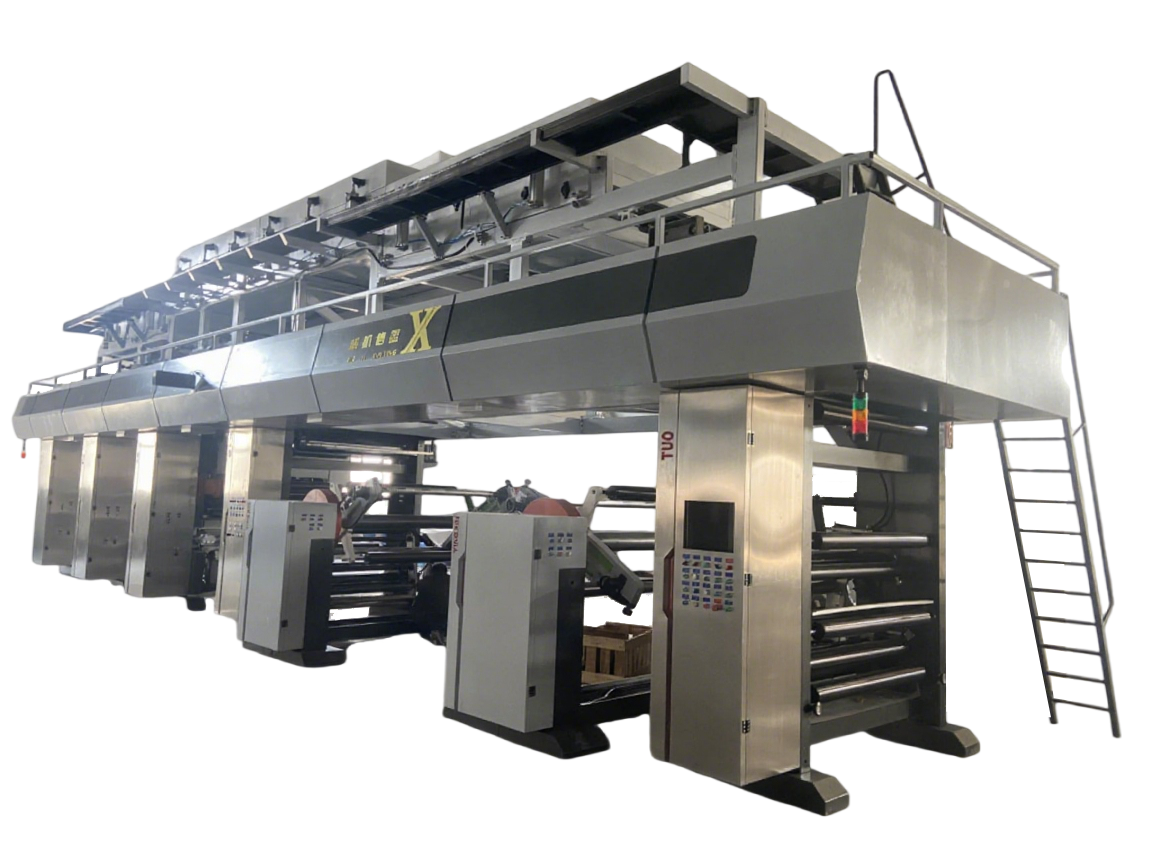
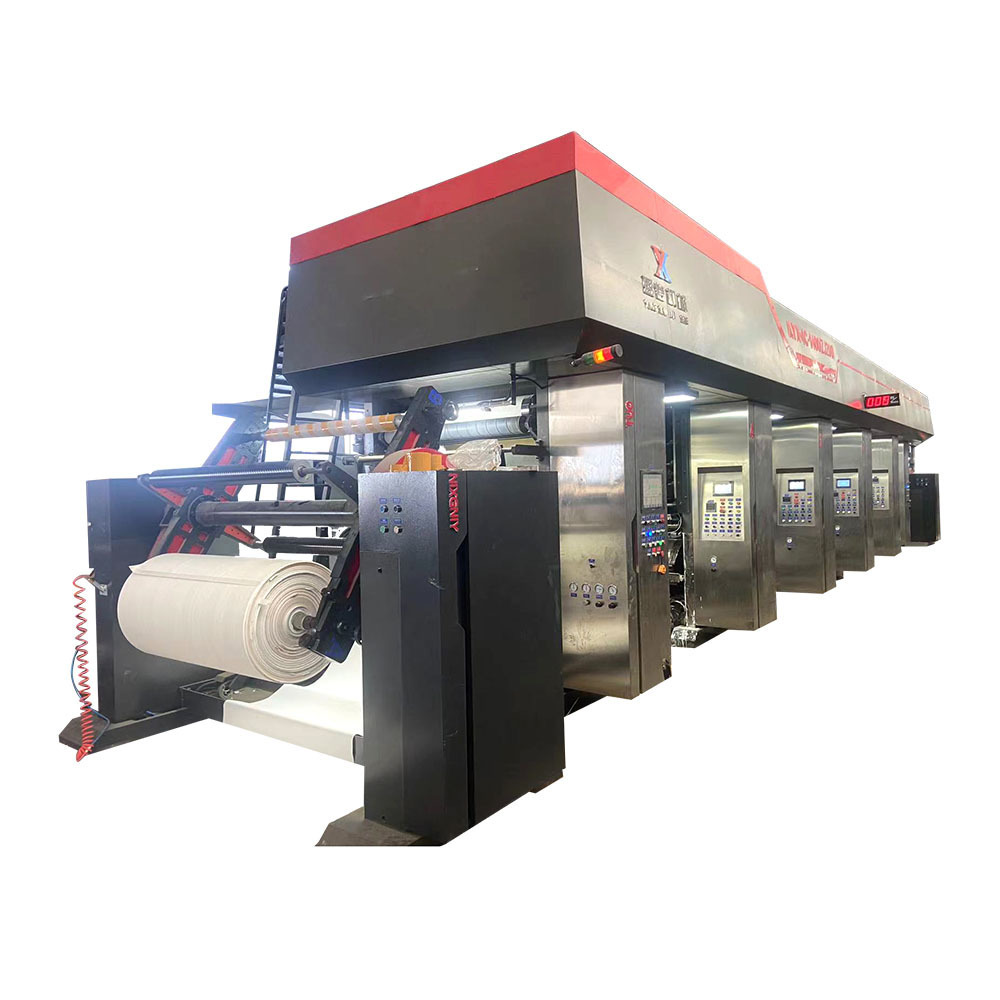
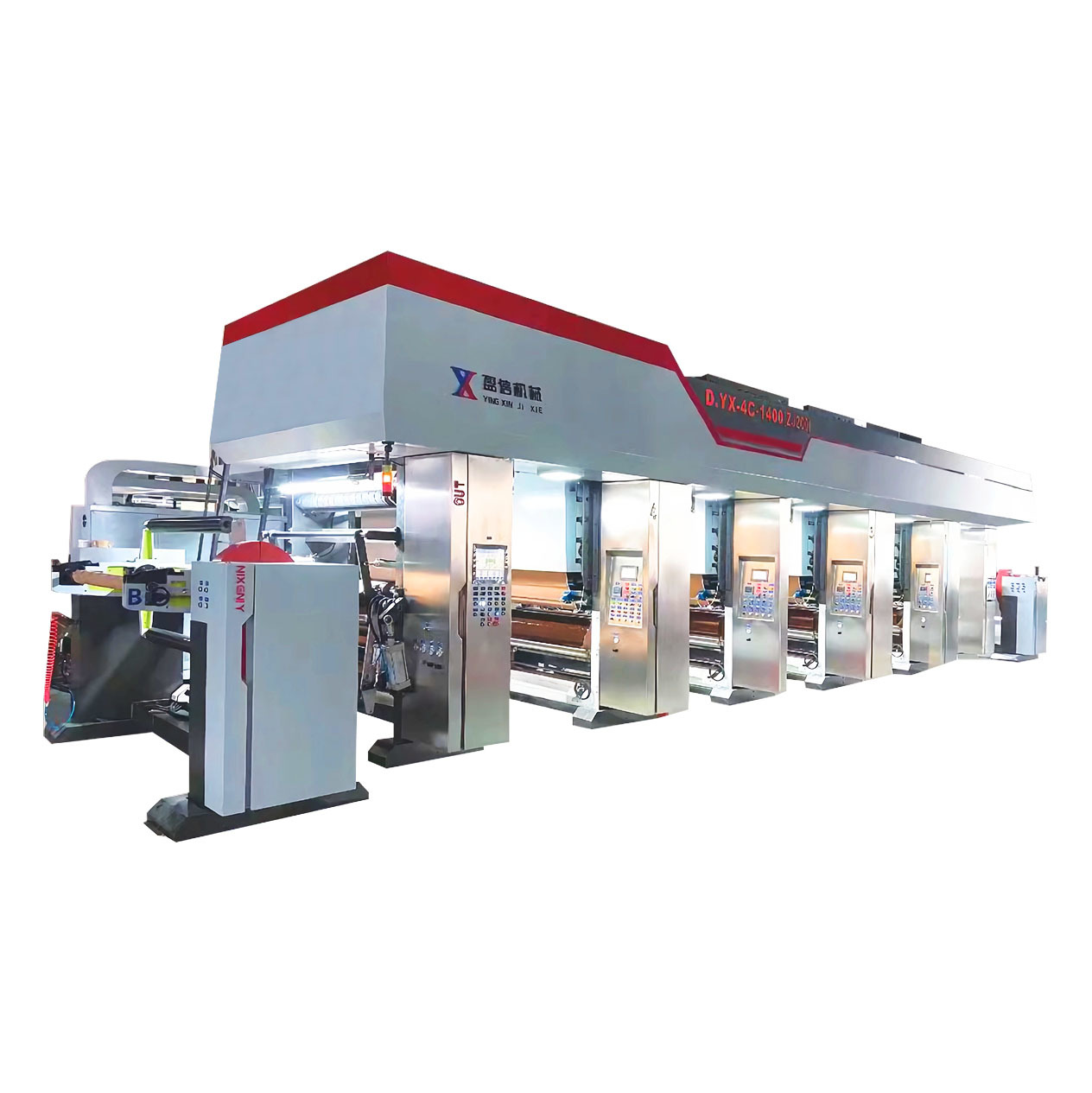
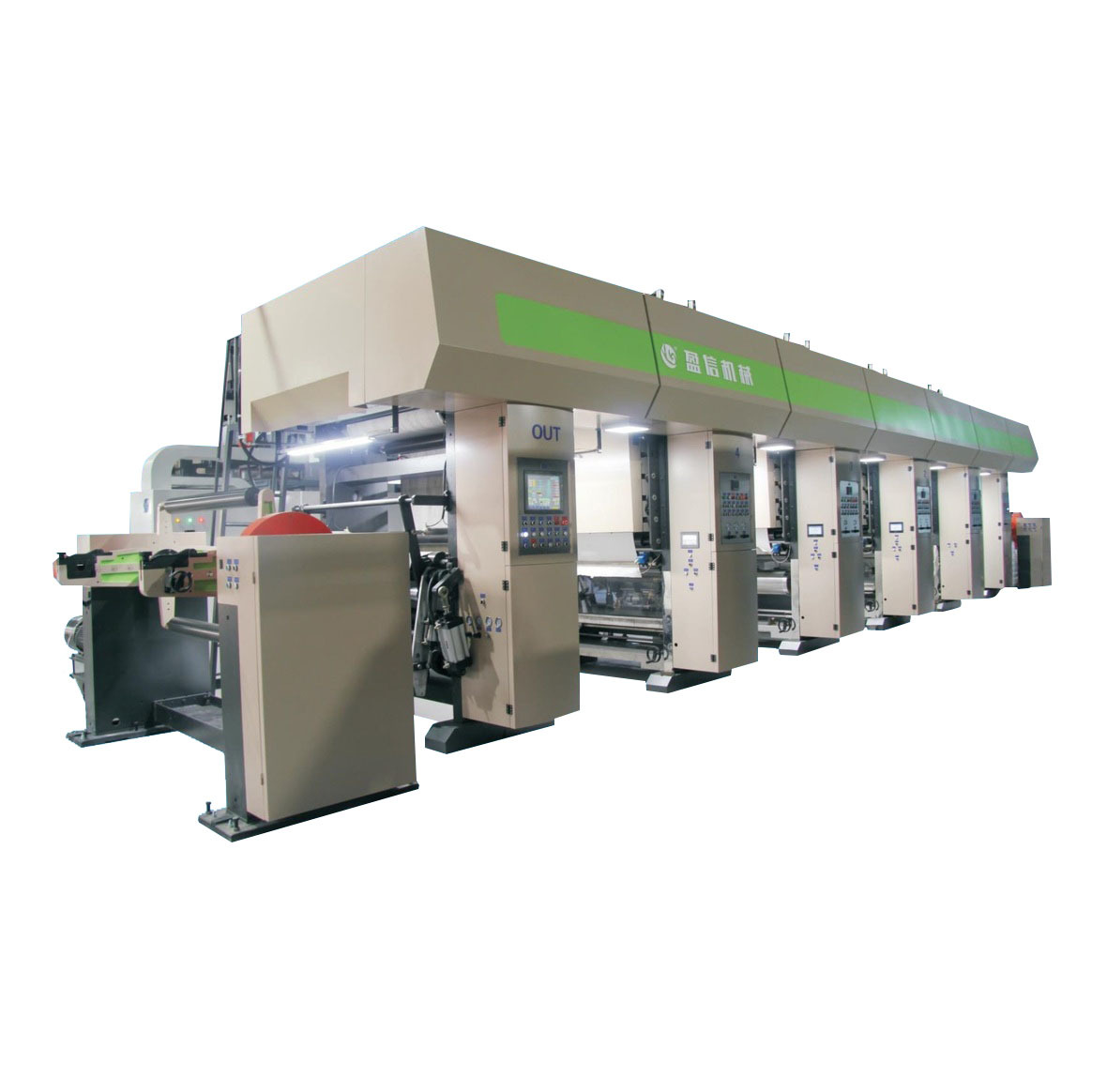
Intelligent Gravure Printing is a high-quality, flexible printing method primarily used for large-volume production. This technique utilizes engraved cylinders to transfer ink onto various substrates, including paper, plastic films, and more. The **intelligent** aspect refers to the integration of advanced technologies that enhance the printing process, such as real-time monitoring and automated adjustments to ink flow and pressure.
Gravure printing is known for its ability to produce high-resolution images with remarkable detail and consistency. This is achieved through the depth of the engraved cells on the cylinder which hold varying amounts of ink, allowing for rich color saturation and sharp images.
2. Overview of Digital Printing Technology
Digital Printing represents a more modern approach, utilizing digital files to produce prints directly onto substrates. Unlike traditional methods that require physical printing plates, Digital Printing utilizes inkjet or laser technologies to apply ink in layers. This results in a versatile and efficient printing solution, particularly advantageous for short runs or custom projects.
The flexibility of Digital Printing allows businesses to easily alter designs without the need for extensive setup changes. Additionally, it can accommodate a wide array of materials, making it suitable for various applications.
3. Key Differences Between Gravure and Digital Printing
When evaluating Gravure and Digital Printing, several key differences emerge. Understanding these distinctions is crucial for businesses aiming to select the most suitable printing method.
**Setup Complexity:** Gravure requires more extensive setup, including the creation of engraved cylinders, making it less ideal for short-run jobs. Digital Printing, on the other hand, requires minimal setup, allowing for quicker turnarounds.
**Volume Capabilities:** Gravure excels in high-volume printing scenarios, making it cost-effective for large orders. Conversely, Digital Printing is preferred for low to medium volume projects due to its flexibility and lower initial costs.
**Print Quality:** Gravure often surpasses Digital Printing in terms of color richness and consistency, particularly for large runs. However, advancements in Digital Printing technology have closed this gap significantly.
4. Cost Analysis: Gravure vs. Digital Printing
When assessing which printing method is more cost-effective, it is essential to consider both initial investments and ongoing operational expenses.
4.1 Initial Investment and Setup Costs
Intelligent Gravure Printing Machines require a substantial initial investment due to the cost of engraving cylinders and the machinery itself. The setup process is labor-intensive, which can lead to higher initial expenses.
Digital Printing generally has a lower barrier to entry, with less expensive equipment and reduced setup costs. This makes it an attractive option for businesses just starting or those that require flexibility in their printing projects.
4.2 Operating Costs and Maintenance
Gravure printing can be more cost-effective in the long run for high-volume jobs, as the cost per print decreases with larger orders. However, maintenance costs for the complex machinery can add up.
Digital Printing’s operating costs are variable depending on the volume and type of jobs but typically involve higher costs per print for large runs. However, its ease of use and faster turnaround times can offset these costs for smaller projects.
5. Quality Comparison: Prints and Finishes
Print quality is a critical aspect when choosing between Intelligent Gravure and Digital Printing.
5.1 Vibrancy and Color Accuracy
Gravure printing provides exceptional color depth and accuracy, making it ideal for projects where image quality is paramount. The use of inks designed for gravure enhances vibrancy, resulting in stunning visuals.
Digital Printing has made significant strides in quality, offering impressive color reproduction and sharp details. While it may not always match the vibrancy of gravure prints, advancements in digital inks and technologies continue to improve final outputs.
5.2 Material Compatibility
Gravure Printing is versatile in terms of substrates, accommodating a wide range of materials, including specialty films and textured surfaces. This makes it suitable for packaging, wallpaper, and other applications requiring durability and visual appeal.
Digital Printing is also adaptable, capable of printing on various materials, including textiles, plastics, and paper. This flexibility allows businesses to explore creative solutions without being constrained by substrate limitations.
6. Speed and Efficiency: Production Rates
Production speed is a critical factor that can influence a business's choice of printing technology. Gravure printing is renowned for its high-speed capabilities, making it the go-to choice for large-scale production runs. The speed at which gravure machines can operate often leads to shorter lead times for substantial orders.
Digital Printing offers faster turnaround times for smaller orders due to its straightforward setup and quick printing process. For businesses that require rapid delivery and customization, Digital Printing can be notably more efficient.
7. Applications and Use Cases
Different printing technologies excel in various industries and applications, making it essential to consider the specific needs of your business.
7.1 Industries That Benefit from Gravure Printing
Gravure printing is widely used in industries such as packaging, wallpaper, and high-end publications. Its ability to produce high-quality images at scale makes it ideal for products that require consistent branding and visual impact.
7.2 Industries That Prefer Digital Printing
Digital Printing shines in sectors that demand flexibility and quick turnaround times. This includes the production of customized marketing materials, small-batch packaging, and even textile printing. Businesses in these industries benefit from the ability to adapt designs on the fly and produce short runs economically.
8. Conclusion: Making the Right Choice for Your Business
In the debate between Intelligent Gravure Printing Machines and Digital Printing, there is no one-size-fits-all solution. Each printing technology has its strengths and weaknesses that cater to different business needs.
For high-volume production that prioritizes quality and consistency, **Intelligent Gravure Printing** may be the best option. However, for businesses that require flexibility, customization, and quicker turnaround times, **Digital Printing** presents a compelling case.
Ultimately, your choice should align with your specific business goals, volume requirements, and production capabilities. By carefully considering the factors discussed in this guide, you can make an informed decision that positions your business for success in the competitive world of printing.
9. FAQs
What is the main difference between Gravure and Digital Printing?
The primary difference lies in the method of ink application. Gravure uses engraved cylinders for high-volume production, while Digital Printing applies ink directly from a digital file, allowing for customization and quick setup.
Which printing method is more cost-effective for small runs?
Digital Printing is generally more cost-effective for small runs because it has lower initial setup costs and no need for engraved plates.
Can Gravure Printing be used for short runs?
While it is possible, Gravure Printing is not ideal for short runs due to higher setup costs and longer lead times compared to Digital Printing.
What types of materials can Gravure Printing accommodate?
Gravure Printing can print on a wide variety of substrates, including plastics, paper, foil, and specialty films, making it suitable for various applications such as packaging and wallpaper.
Is Digital Printing suitable for high-quality image reproduction?
Yes, Digital Printing has advanced significantly, offering high-quality image reproduction that can meet many business needs, although it may not always match the depth and richness of Gravure Printing.
Tag:
Blog

PRODUCT
message:Talk to an expert
WhatsApp:8618058732988
E-Mail:sales@yingxinmachinery.com
tel:+86-18058732988
Contact Us
1168 Jiuzhou Street, Linglong Street, Lin 'an District, Hangzhou City, Zhejiang Province
Mobile phone version
Copyright©Hangzhou Yingxin Machinery Co., Ltd.